

Journey Highlights
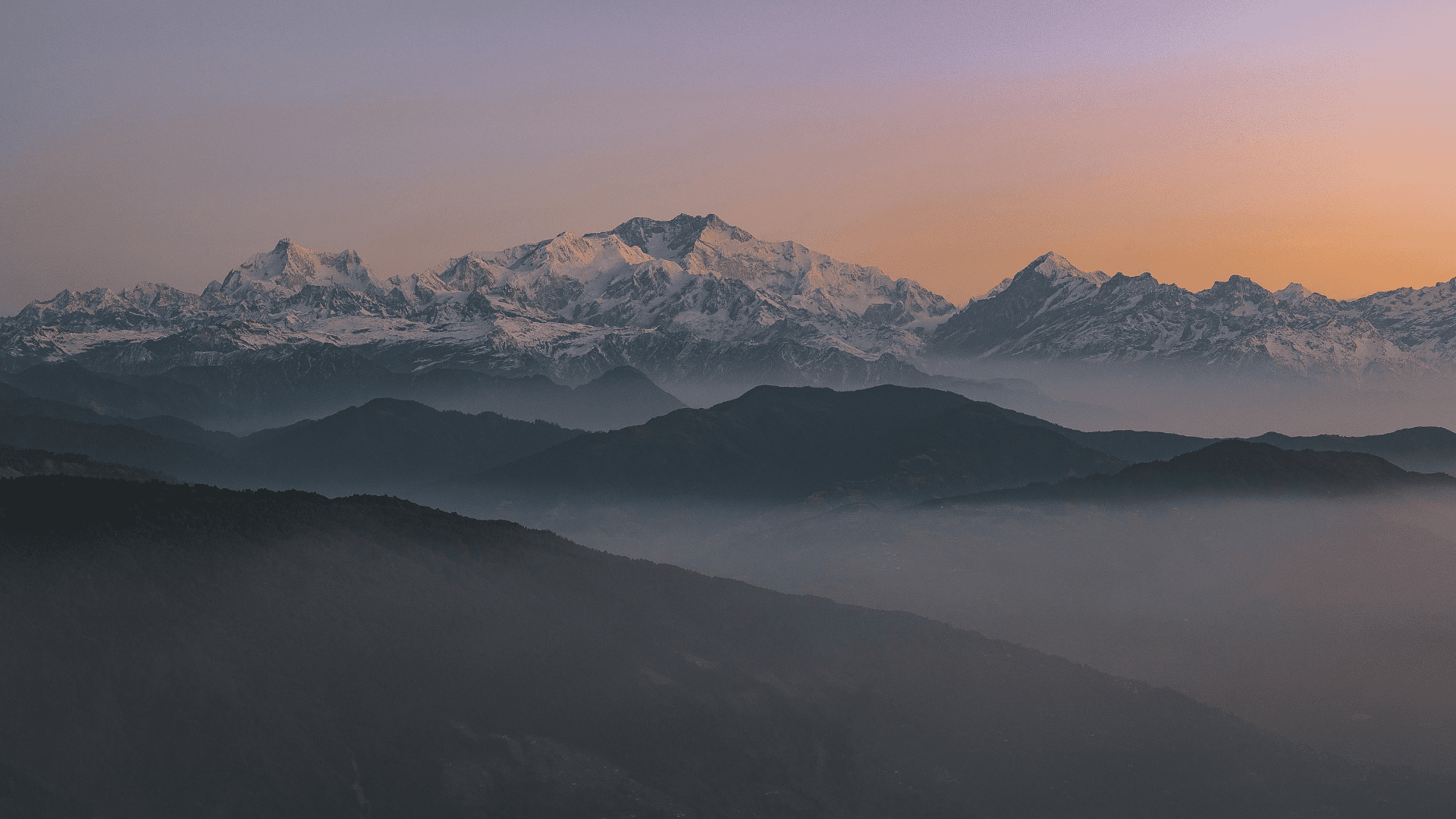
- The 4 am drive to Tiger Hill for sunrise on Kanchenjunga — 8,586 metres of mountain going gold above a sea of cloud.
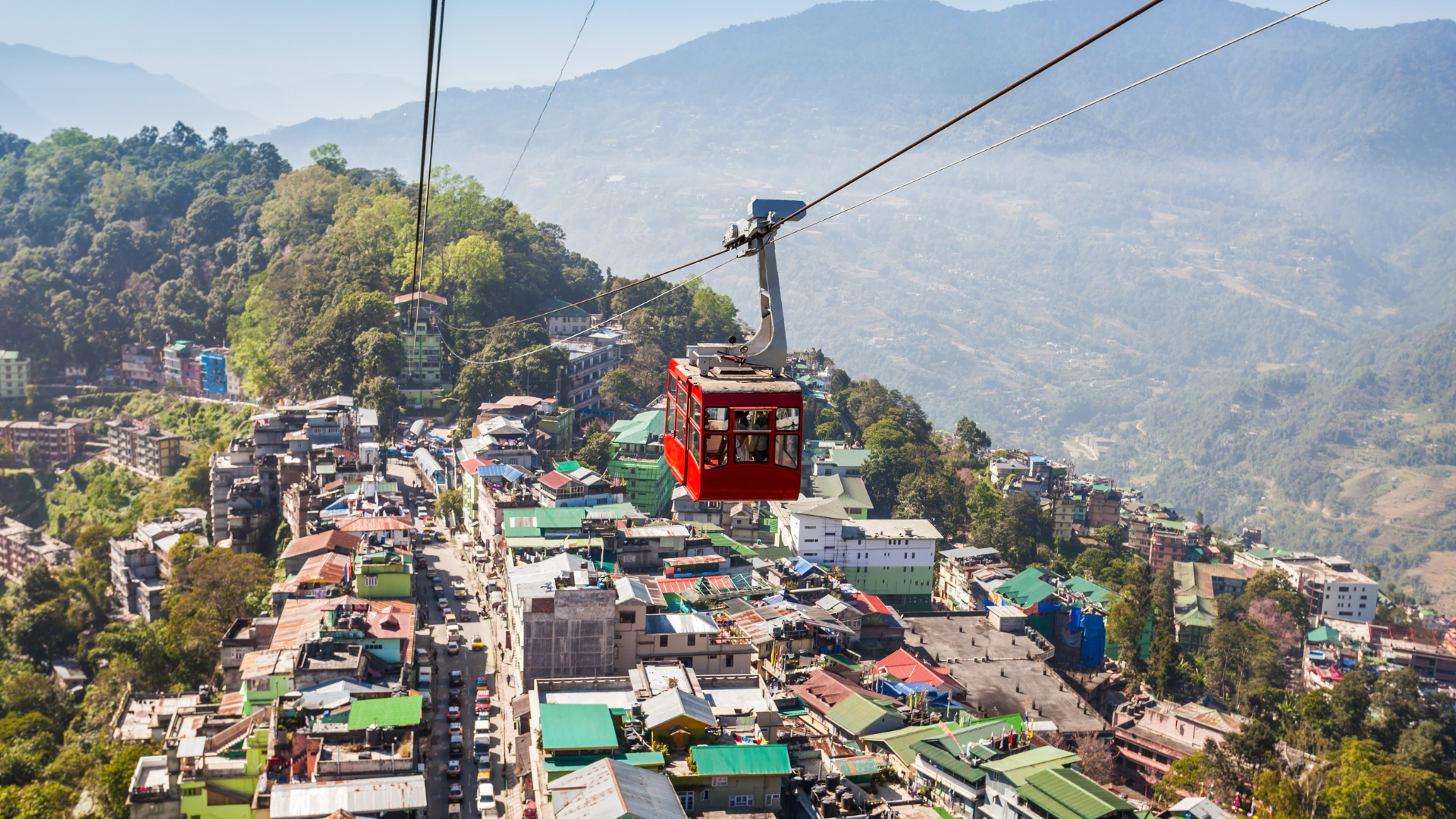
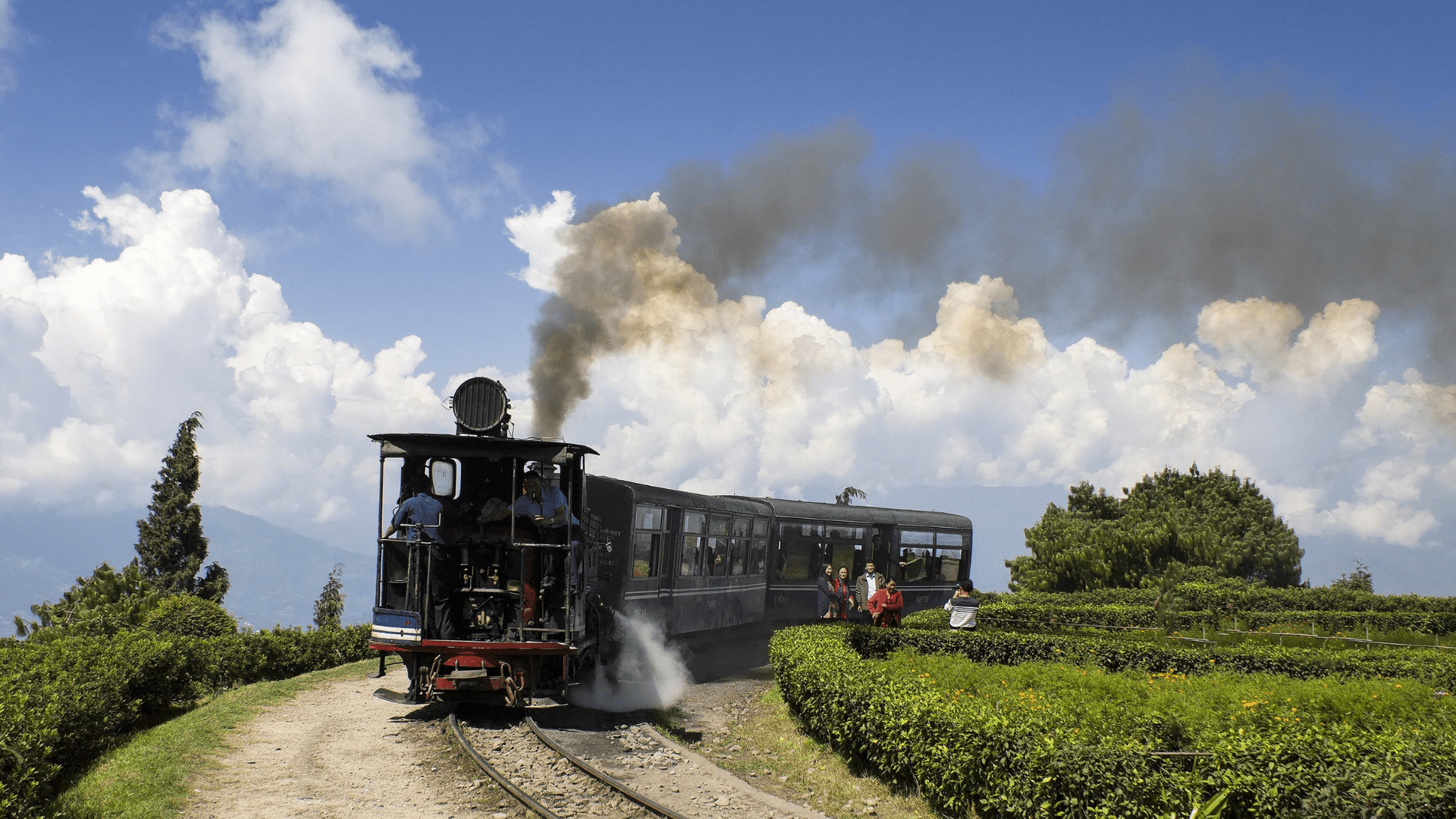
- Ride the Darjeeling Himalayan Railway joyride around Batasia Loop to Ghum, India’s highest station at 2,258 metres.
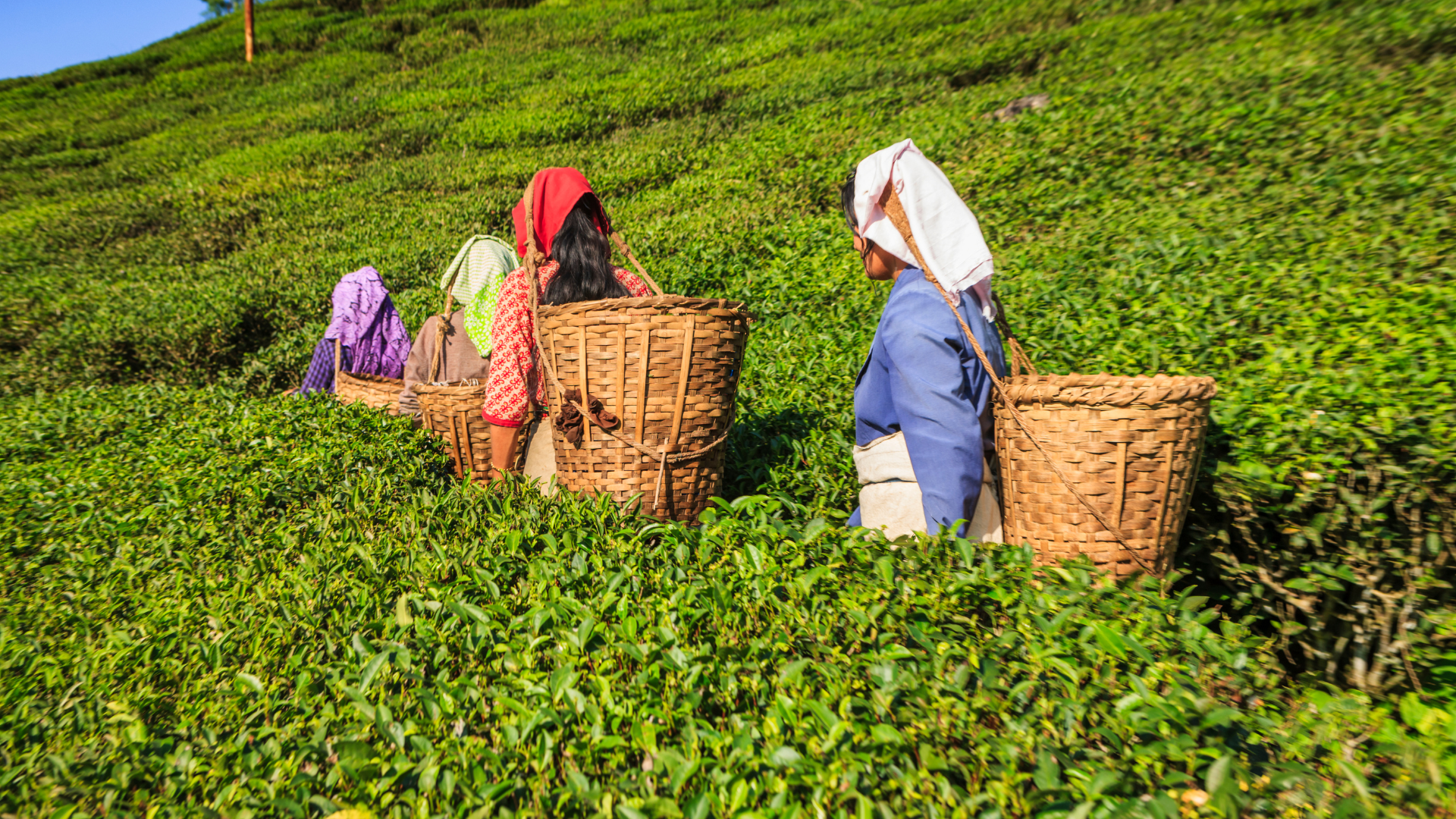
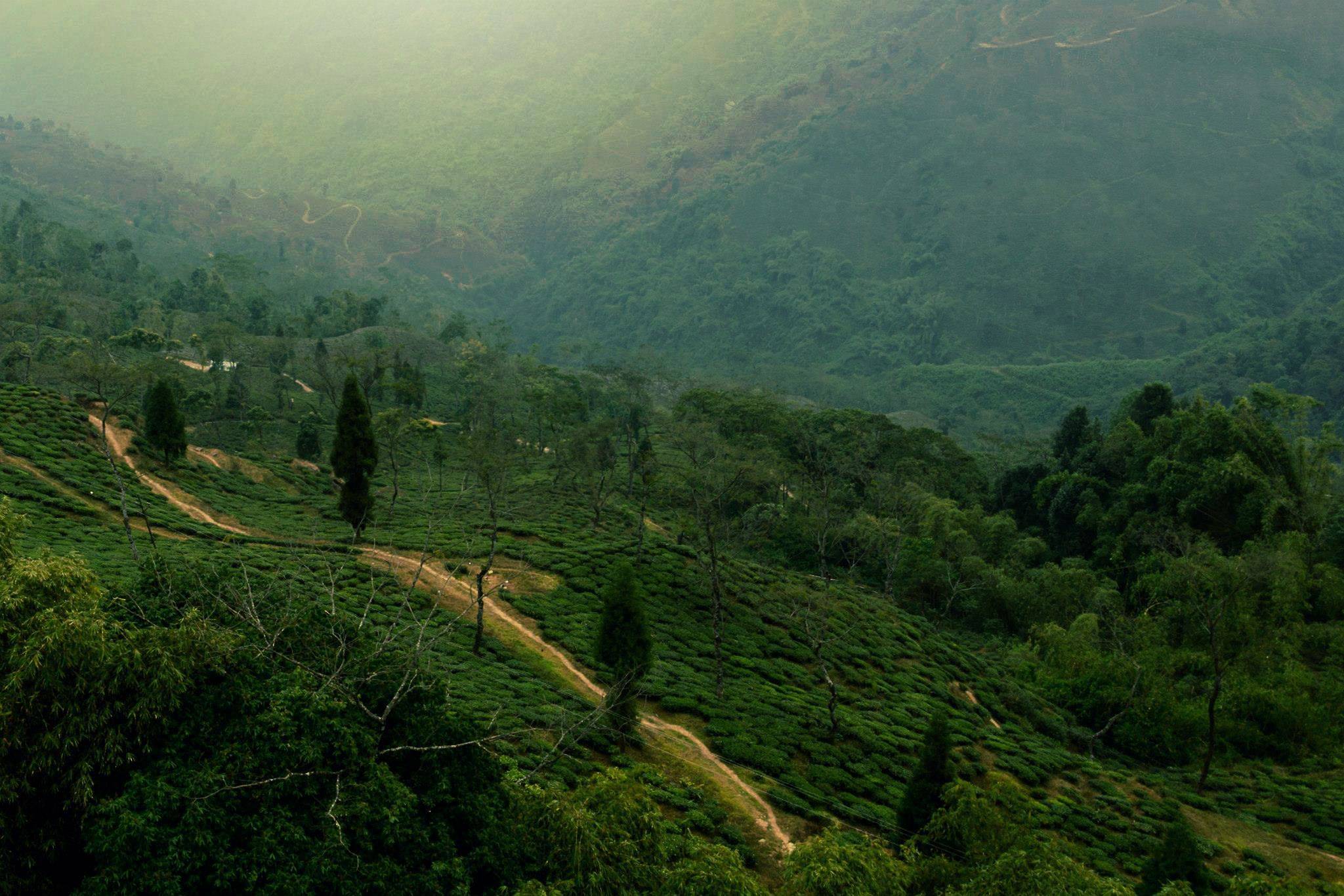
- Walk Happy Valley Tea Estate, planting since 1854, and taste a first flush with a planter who can name your cup’s slope.
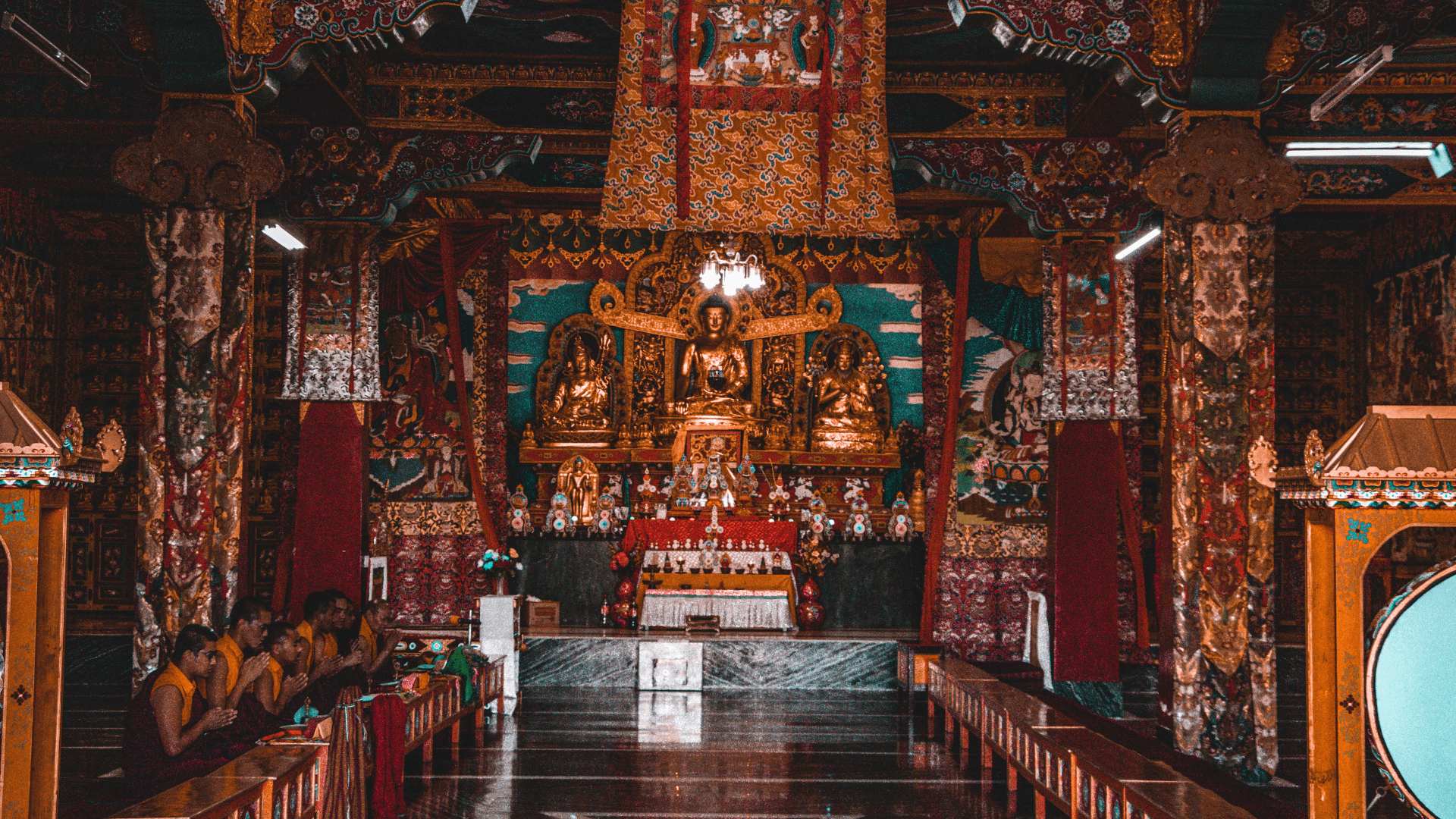
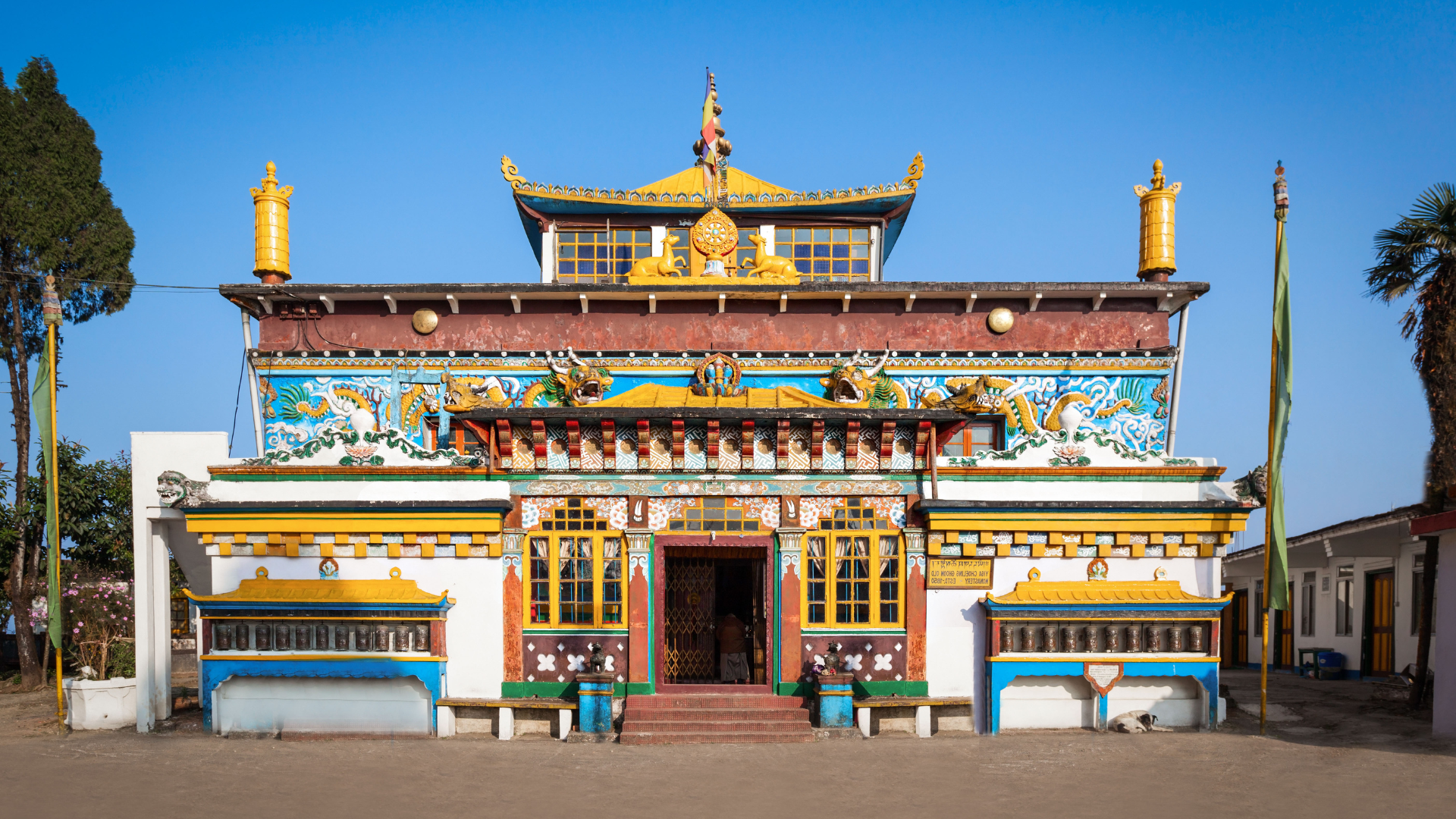
- Cross the Teesta to Kalimpong for cactus nurseries, Durpin monastery’s murals and a slower, sunnier ridge.
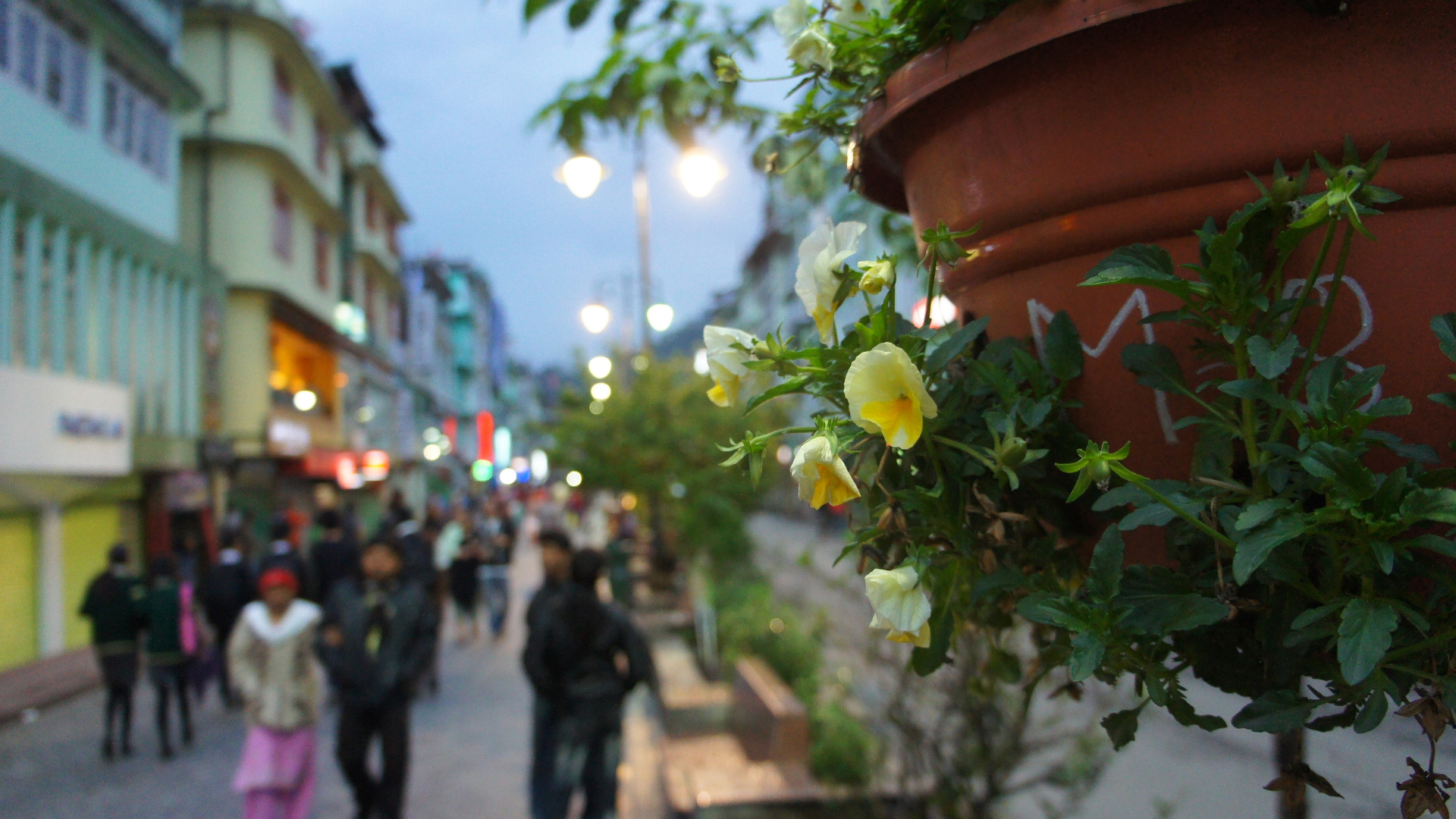
- Evening passeggiata on MG Marg — Gangtok’s traffic-free high street of bakeries, momos and mountain people-watching.
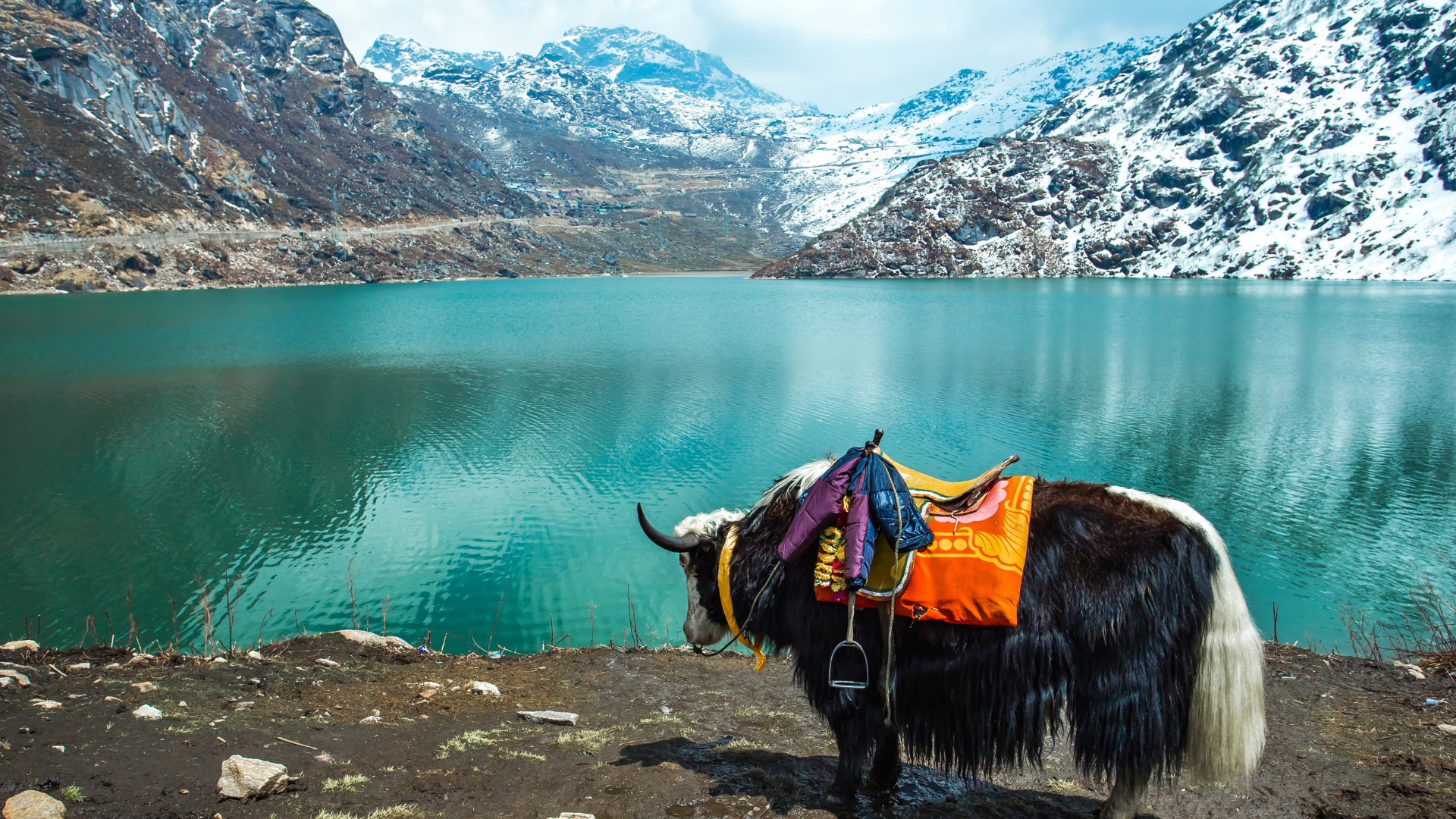
- Stand at Nathu La, 4,310 metres, on the old Lhasa trade road, then Tsomgo Lake where the water freezes solid by January.
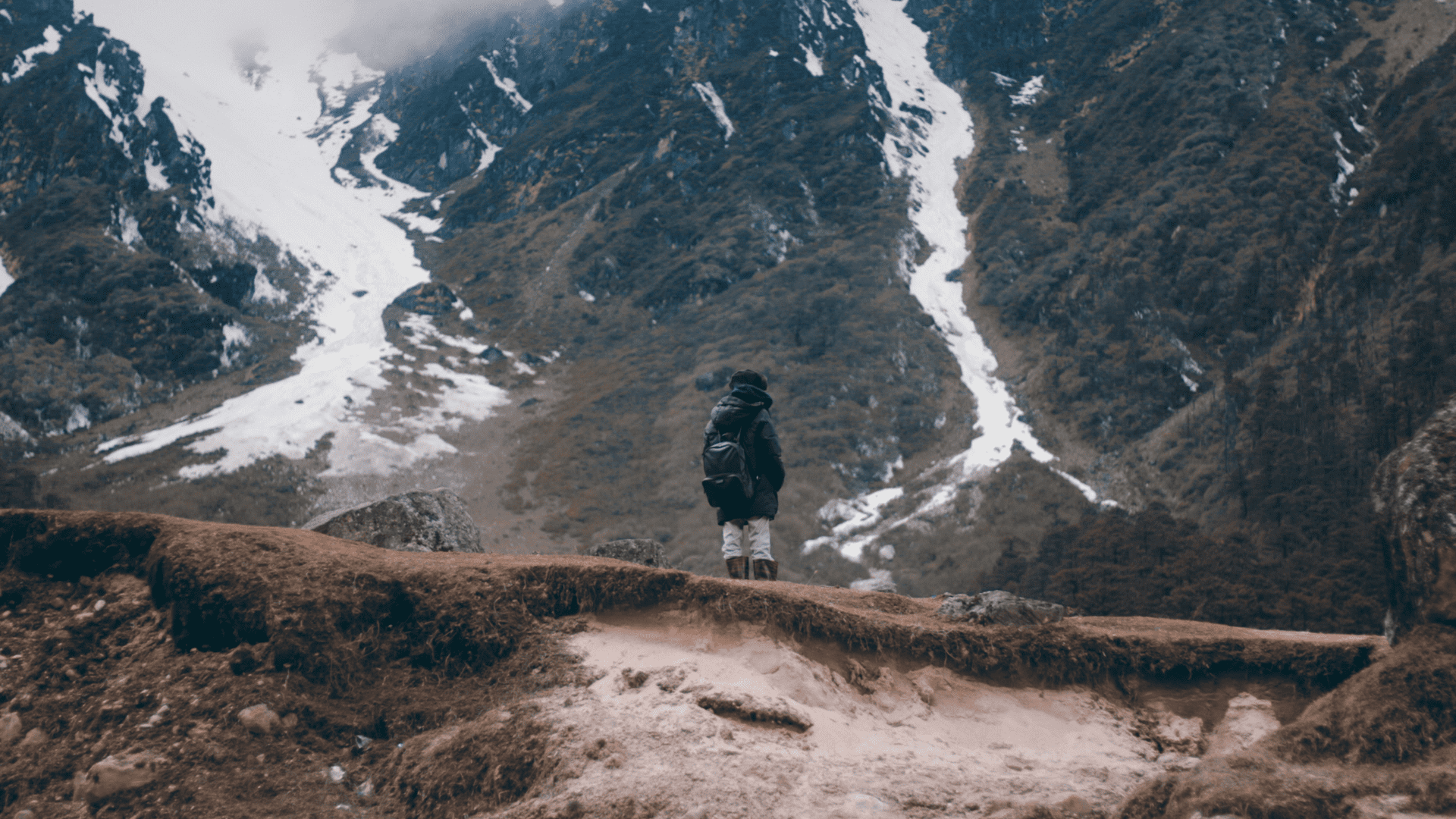
- The long dawn run from Lachen to Gurudongmar Lake at 5,183 metres, blue water in a lunar bowl, then Yumthang’s rhododendrons.
 Darjeeling, Kalimpong, Gangtok, North Sikkim
- Tea, Trains, Passes
- 9 Nights / 10 Days
- Priced to Your Brief
- Raj-Era Hotels, City Stays & Valley Homestays
- Tea Estates to High Lakes


FROM TEA GARDENS TO THE TIBET BORDER
Nine nights that trace the classic eastern-Himalaya loop, watching the same colossal mountain from four very different vantage points. You begin among Darjeeling’s Raj-era furniture — the toy train, the tea gardens, Tiger Hill at dawn — cross to gentler Kalimpong, then swing north into Sikkim, from Gangtok’s espresso comfort up to sacred lakes higher than most Everest base camps.
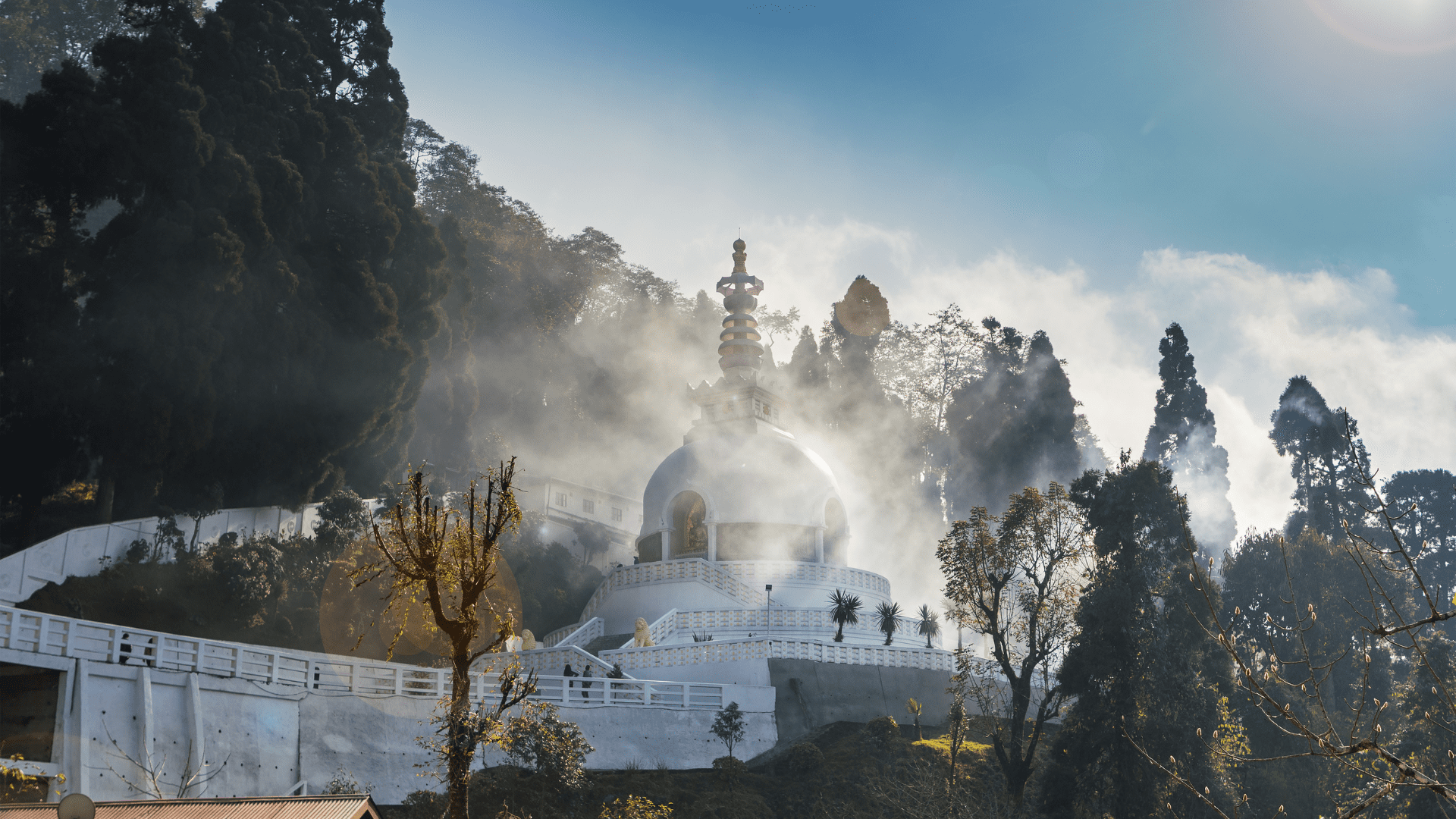
The early days start before light: Tiger Hill at dawn, the Batasia Loop joyride, Happy Valley’s withering rooms, then Mall wanders, momo stops and the Himalayan Mountaineering Institute’s Everest relics. Kalimpong slows things down with Durpin monastery, Deolo Hill and flower nurseries. Cross into Sikkim and Gangtok covers Rumtek monastery, MG Marg evenings and the permit run to Tsomgo and Nathu La, before the road turns north to Lachen and Lachung.
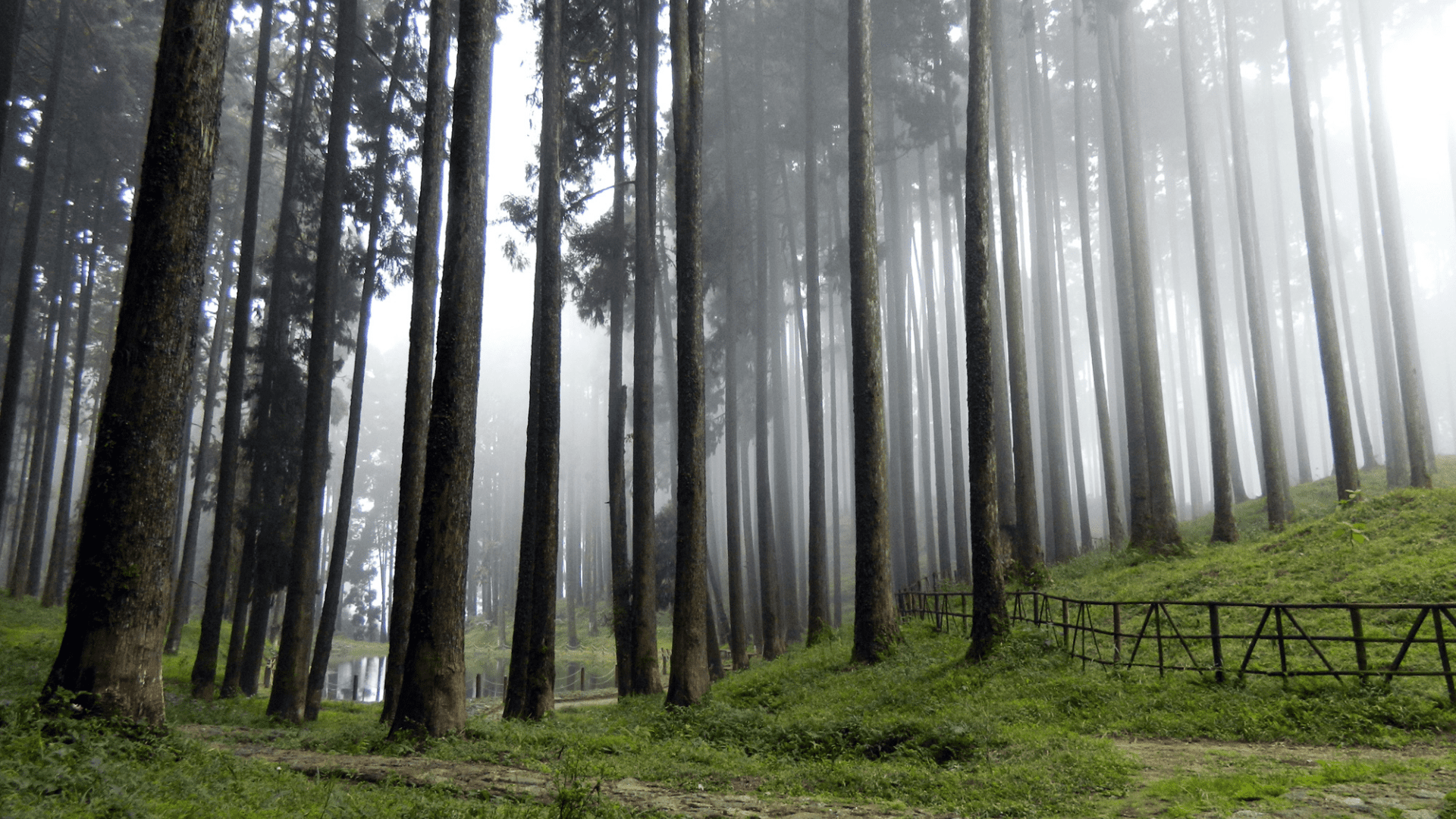
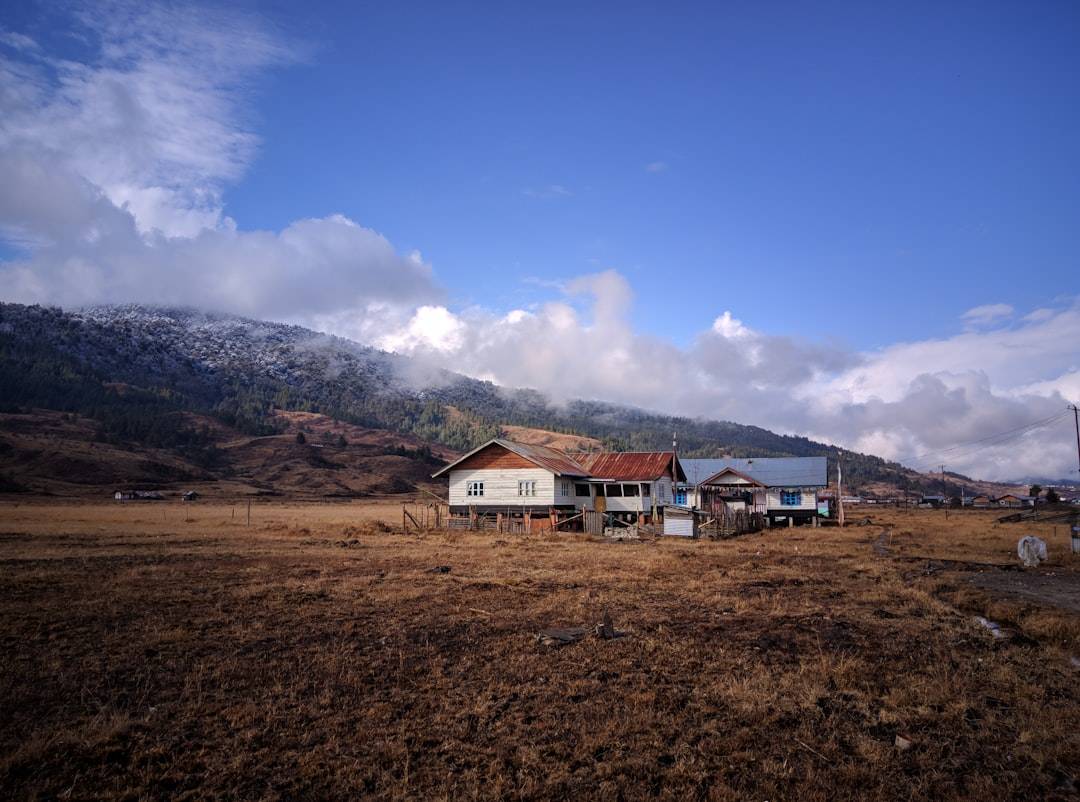
The transitions carry the drama. Tea bushes corduroy every slope, blue-and-cream trains squeeze past shopfronts, and then Kanchenjunga fills a third of the sky and vanishes twenty minutes later. Past Mangan the trees stop and the land opens into brown, wind-scoured plateau. October to November and late March to April give the most reliable clear mornings; December to February is cold but often crystalline, and the monsoon hides the range for days — we say so rather than sell you a grey wall. North Sikkim is protected-area territory, so permits must be arranged in advance, honestly and well ahead.
Some moments are built for lingering: the crowd’s collective gasp at Tiger Hill when the first summit catches light; a tasting spoon of first flush going floral on your tongue; Gurudongmar’s impossible blue appearing after three hours of dark driving. Keep mornings free and unplanned.
Built for tea drinkers, railway romantics, road-trip photographers, and travellers who accept a night of buckets-for-hot-water as the entry fee for places like these. Not for view-guarantee travellers, since Kanchenjunga hides for days at a stretch, nor for luxury-first guests or anyone with serious heart or respiratory conditions, given the altitude on the lake days.

Good to
know
What permits do we need for North Sikkim and Nathu La, and can foreigners join?

Indian nationals need permits for Tsomgo–Nathu La and for North Sikkim, arranged through registered Sikkim operators well in advance — we handle the paperwork; you carry passport photos and government ID. Nathu La stays closed early in the week, so we sequence days around it. Foreign nationals need a Protected Area Permit, cannot visit Nathu La or Gurudongmar, and reach Yumthang only with permits in hand.
How hard are the roads, and does altitude matter?
What does this journey cost?