

Journey Highlights
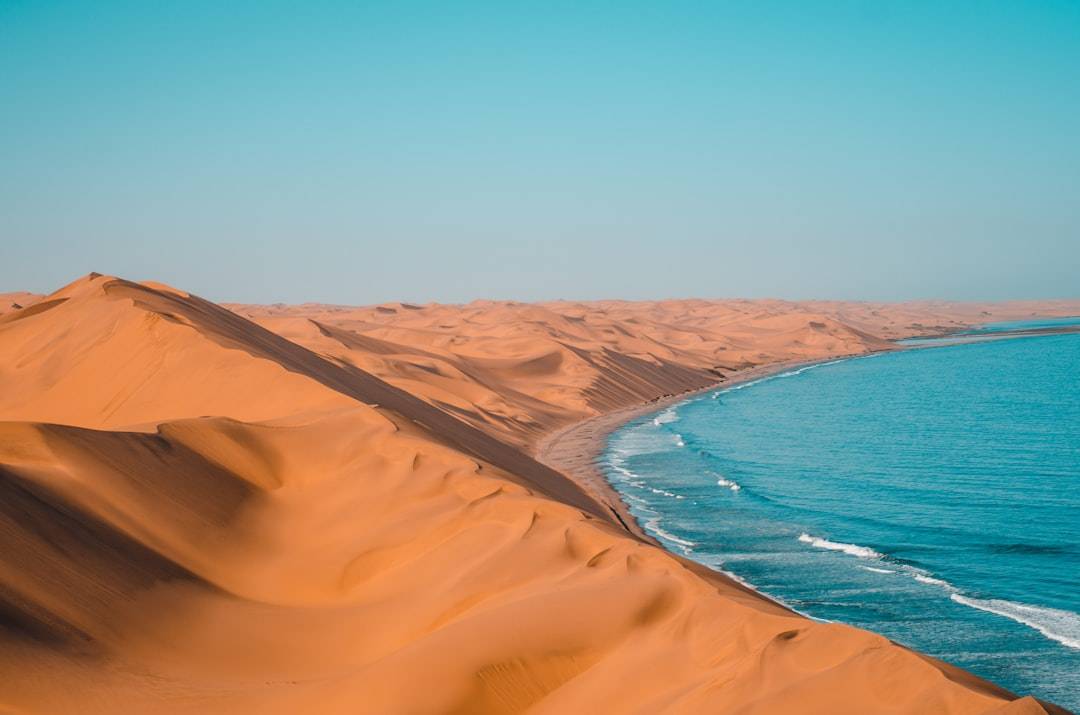
- Sossusvlei’s red dunes at sunrise, when one face burns orange and the other stays in deep shadow.
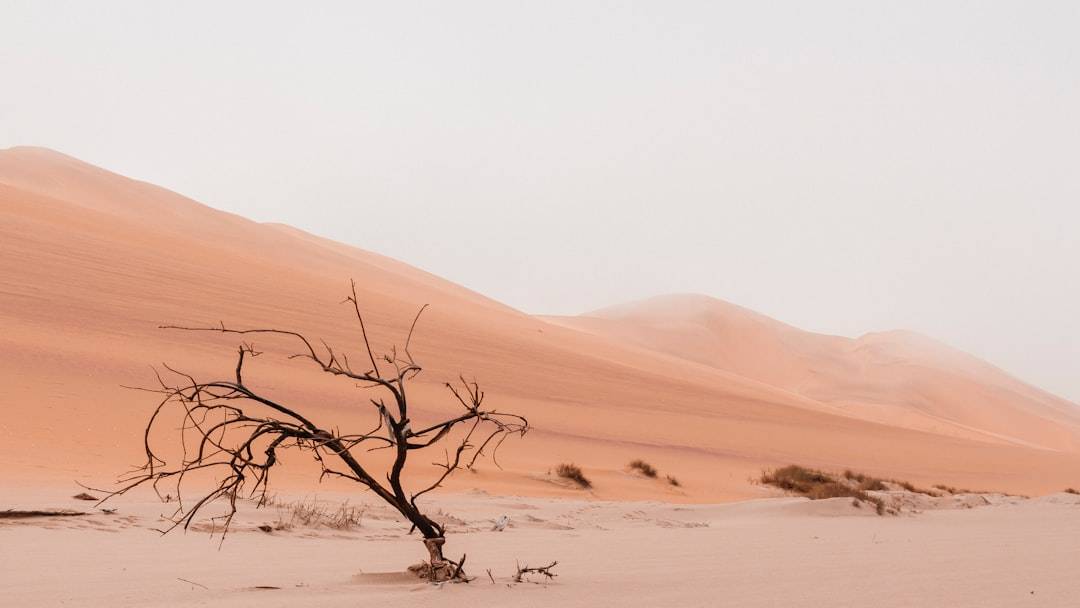
- Deadvlei’s white clay pan with black dead camelthorn trees against orange dunes and hard blue sky.
- An early Sesriem gate entry to reach the pan before the crowds and the first hard light.
- Climbing Big Daddy or Dune 45 for ridgelines, curved shadows and tiny walkers far below for scale.
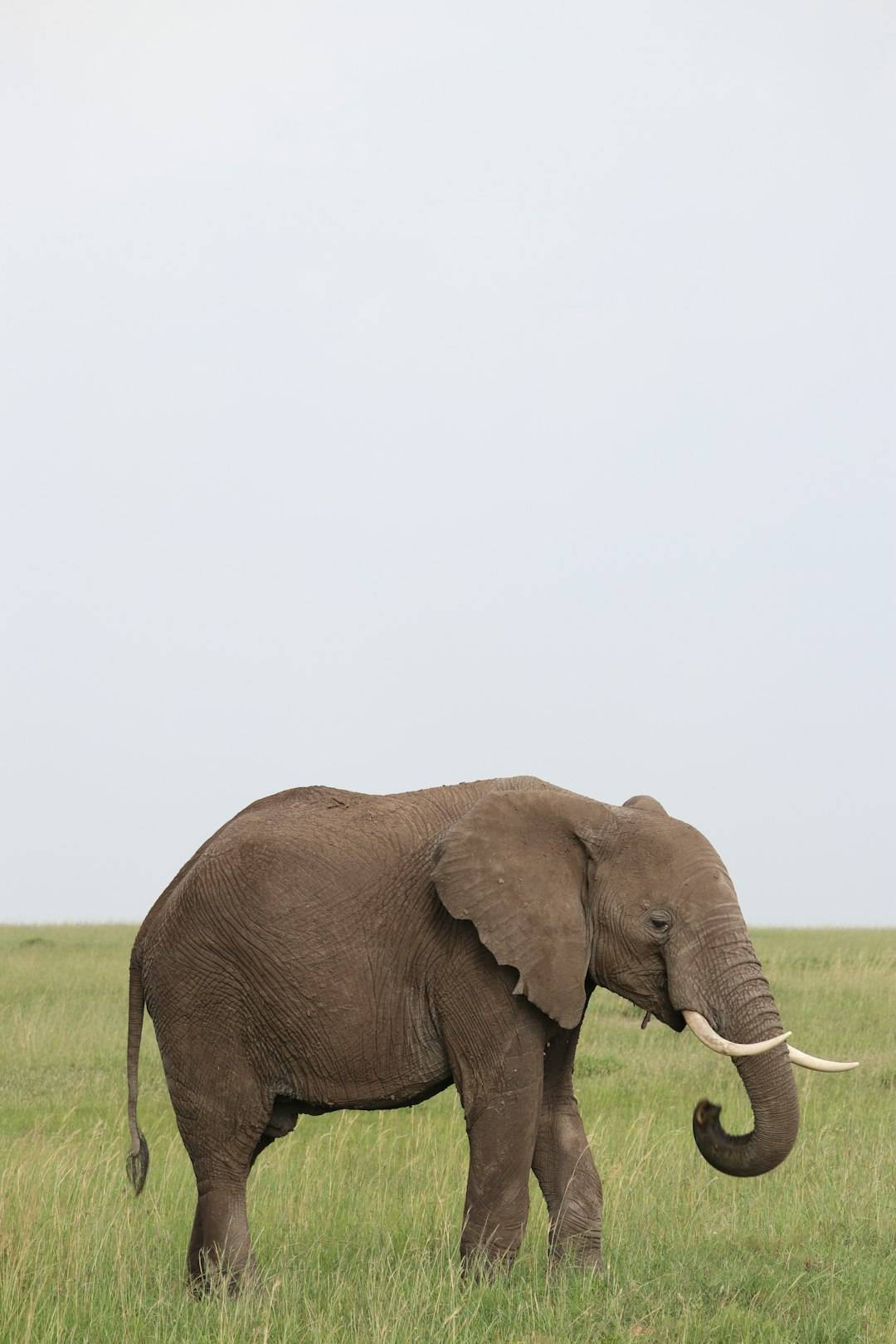
- Desert-adapted wildlife — oryx and springbok crossing dunes, the odd ostrich against pale sand and sky.
- The Namib-Naukluft’s gravel plains and canyons, and Sesriem Canyon carved deep into the desert floor.
- A guide-driver who knows the gate timings and the fleeting window when the pan light works.
 Namib Desert, Namibia
- 6 Nights / 7 Days


Experience Overview
Namibia holds some of the oldest desert on Earth, and its red dunes are a landscape photographer’s obsession. This journey centres on Sossusvlei and Deadvlei inside the Namib-Naukluft, six nights built around dawn starts and the short windows when the light does its work. It is a long haul from India, and worth every hour of it.
You enter through Sesriem gate at first light and drive the sand road to the pans. Deadvlei is the picture everyone comes for: a white clay floor, blackened camelthorn skeletons eight hundred years dead, a wall of orange dune behind. Around it you shoot Big Daddy’s ridgelines, Dune 45, oryx on the gravel plains and Sesriem Canyon.
The magic is brief. For maybe twenty minutes after sunrise, one dune face glows orange while the other holds black shadow and Deadvlei’s trees rim-light against it; by mid-morning the contrast flattens and the heat builds. May to October is the dry, cool season — cold dawns near freezing, warm days, clean air and reliably clear skies.
Some moments are built for lingering: standing on a dune ridge in total silence, the only sound your own breathing and sand hissing underfoot; the instant the sun clears the crest and Deadvlei switches from grey to fire; a lone oryx cresting an orange slope, horns sharp against nothing but sky, gone before you finish the frame.
For landscape photographers who will get up at four for one clean window and count it a win. It is not for anyone chasing a packed, city-hopping holiday, unwilling to fly long-haul for sand and silence, or expecting shade, crowds and easy comforts in the middle of a desert.
Everything you
need to know
What gear do I need, and is this too advanced for me?

It suits keen beginners and pros alike. A wide zoom around 16–35mm holds the dune sweeps; a 70–200mm compresses ridgelines and isolates the dead trees. Bring a sturdy tripod and a way to keep sand out of your kit — blowing grit is the real hazard. Your guide handles the gate timing so you're in position for the light.
When's the best light, and what about park access?
What does this cost from India?
Ready to Photograph
Namibia
Picture Deadvlei at sunrise, a black dead camelthorn tree centred on white clay with the orange dune wall glowing behind it; a dune ridgeline in raking light, one face orange and one black, with a line of tiny climbers strung along the crest; a single oryx standing on an orange dune slope, horns sharp against a clear blue sky; Sesriem Canyon’s narrow walls with morning light sliding down the rock and deep shadow pooling at the base; and a photographer silhouetted on a dune edge at dawn, tripod set, the Namib rolling out behind in red.