

Journey Highlights
- The Jagannath Temple at Puri, one of the Char Dham, where Krishna is worshipped as Lord of the universe.
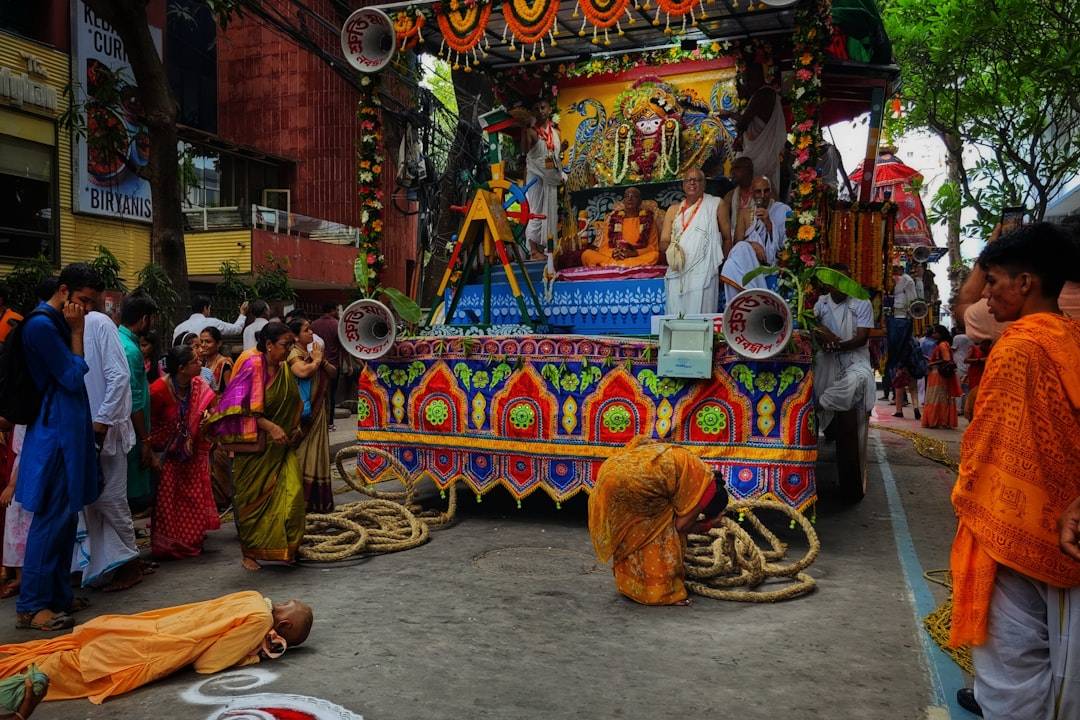
- The Rath Yatra in June or July, when the deities ride giant wooden chariots pulled by thousands of hands.
- Konark’s Sun Temple, a thirteenth-century chariot of the sun god in carved stone, a UNESCO World Heritage site.
- The Lingaraj temple at Bhubaneswar, its towering deul rising over the old city of a hundred shrines.
- Chilika lake, Asia’s largest coastal lagoon, for dawn boats among Irrawaddy dolphins and migratory birds in winter.
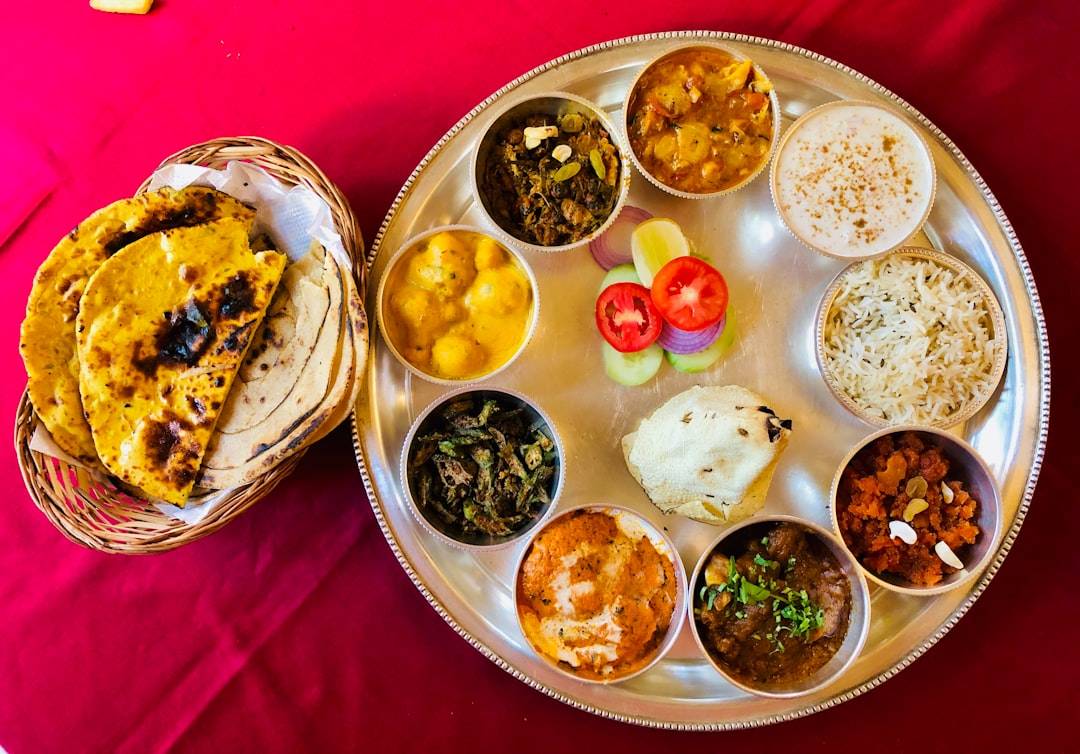
- The Puri temple kitchen, said to be the world’s largest, cooking Mahaprasad in earthen pots over wood fires.
- The circuit sequenced across coast and capital, pairing living temples with the stone masterpieces of medieval Odisha.
 Odisha, East Coast
- Five to Seven Days


Experience Overview
Puri is one of the four Char Dham, and its Jagannath Temple is among the most revered in the country. This journey builds around it — the temple, the Mahaprasad, the Rath Yatra if you time it — then widens to Konark’s Sun Temple, Lingaraj at Bhubaneswar, and the wide waters of Chilika lake.
A typical circuit runs Bhubaneswar for Lingaraj and the old temple city, Konark for the Sun Temple’s carved wheels, then Puri for Jagannath darshan and the Mahaprasad eaten off leaf plates. Chilika adds a dawn boat among dolphins. Time it to June or July and the Rath Yatra becomes the centrepiece.
Puri runs on the temple’s clock — conch calls, the crush at the Singhadwara lion gate, the smell of rice and dal from the great kitchen. Konark stands silent by comparison, a marooned chariot on the sand. Chilika is all sky and water at dawn. During Rath Yatra the whole town becomes a moving sea of devotion.
Some moments are built for lingering: Mahaprasad shared on the temple grounds, food that has passed through the world’s largest kitchen; the carved wheels of Konark at low sun, every spoke a sundial; a Chilika dawn as a dolphin surfaces beside the boat; the Rath Yatra ropes taut with thousands hauling a chariot forward.
For devotees and lovers of temple art drawn to Odisha’s coast and stonework. Be clear on one thing: the main Jagannath Temple admits Hindus only, so non-Hindu travellers see it from outside and from the nearby rooftop. It is not for those expecting unrestricted entry or quiet, small crowds.
Everything you
need to know
Can anyone enter the Jagannath Temple?

No. The main Jagannath Temple at Puri admits only those of Hindu faith, and this rule is enforced at the gates. Non-Hindu visitors can view the temple from the Raghunandan Library rooftop across the road, which gives a clear sight of the shrine. Konark, Lingaraj and the other sites are open to all.
What is the Rath Yatra actually like to attend?
What drives the cost of this circuit?
Ready to Photograph
Puri
The Jagannath Temple’s white tower rises over Puri’s rooftops at dawn with a flag flying from the pinnacle, while at Konark the Sun Temple’s carved stone chariot wheel catches raking sunlight, every spoke and figure sharply shadowed. During Rath Yatra, towering chariots move over a dense crowd, thick ropes stretched forward and colour everywhere, and at sunrise a wooden boat glides across Chilika lake as an Irrawaddy dolphin breaks the still grey water nearby. In the great temple kitchen at Puri, stacked earthen pots simmer over wood fires as cooks work in steam and smoke.