

Journey Highlights
- Naga smoked pork cooked with axone and bamboo shoot, raja mirchi lending its slow, serious heat.
- A Khasi kitchen in Meghalaya making jadoh, rice cooked deep red in pork stock.
- Assam’s fish tenga, a light sour curry, and khar, an alkaline dish unique to the region.
- Sikkim’s fermented table — gundruk soup, kinema and sinki, sour and deeply warming in cold air.
- A Nagaland home meal built around ferments, greens and the ghost chilli grown in the yard.
- A local market stacked with bamboo shoot, axone, dried fish and unfamiliar leafy greens.
- Momos and thukpa in Sikkim’s hills, steamed and simmered against a backdrop of pine.
 Nagaland to Sikkim
- 8 Nights / 9 Days


Experience Overview
The North East eats unlike anywhere else in India, and that is the whole point. Nine days across Nagaland, Meghalaya, Assam and Sikkim, mostly in homestays, tasting food built on smoking, fermenting and foraging rather than the spice-heavy gravies most of India knows. It is remote, honest and rewarding. No visa needed, though some states need an inner-line permit we arrange.
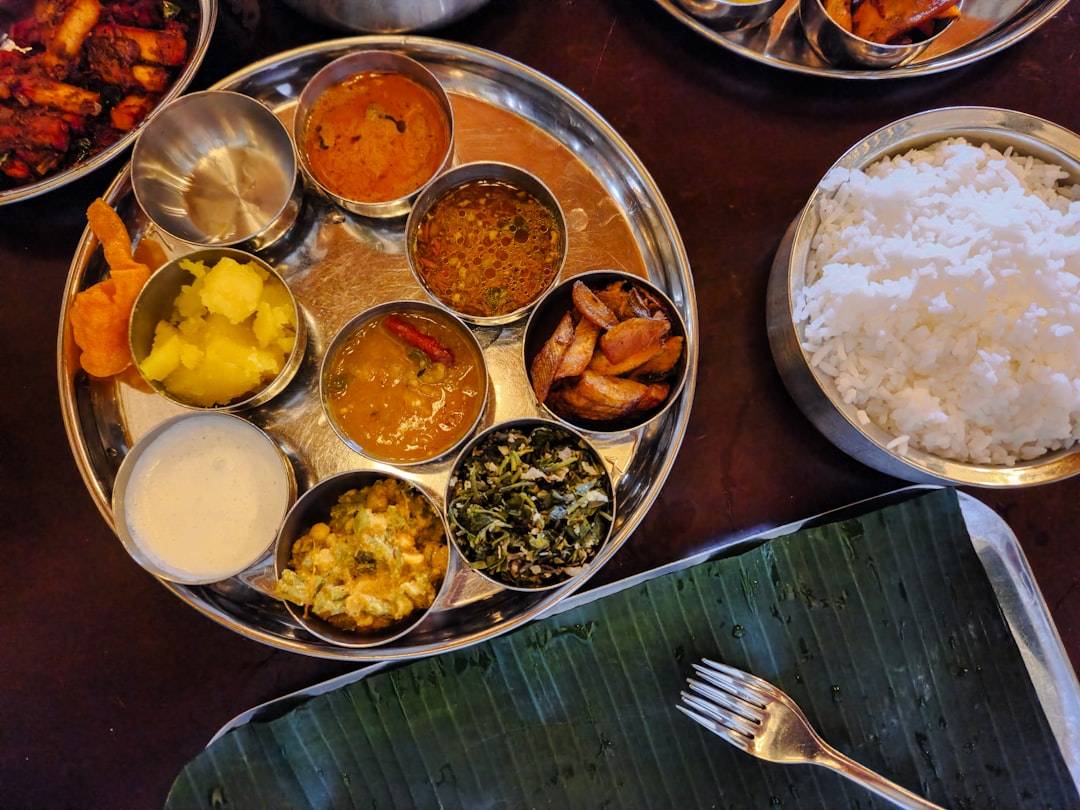
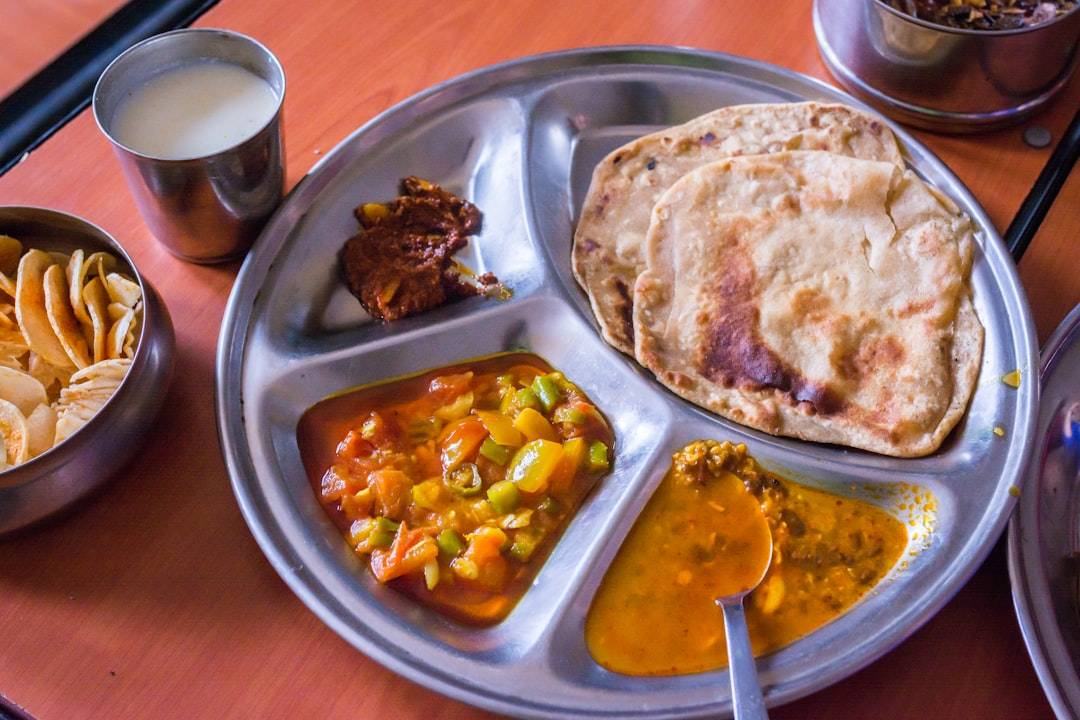
You eat Naga smoked pork with axone and bamboo shoot, Khasi jadoh, Assam’s sour fish tenga and alkaline khar, and Sikkim’s gundruk and kinema. Ghost chilli, raja mirchi, appears often but is used with respect, not to overwhelm. Meals lean on fermented soybean, dried fish, wild greens and rice — the flavours are sour, smoky and clean.
Fermentation here is preservation turned into an art in a region of long monsoons and hard winters. Axone (fermented soybean), gundruk (fermented leaves) and dried river fish carried families through lean months and became the taste of home. Cooking is minimal — boiled, smoked, or lightly stewed — letting the ingredient and its ferment speak. Little oil, little masking.
Some moments are built for lingering: woodsmoke rising off a Naga hearth where pork hangs curing; the first sour spoon of gundruk soup on a cold Sikkim evening; a market table piled with bamboo shoot and unfamiliar greens; a homestay dinner where the ghost chilli in your plate grew in the yard outside.
This is for curious, open eaters who want food genuinely unlike the rest of India and do not mind remote travel. It is fermented, meat and fish forward, and vegetarian choice is honestly narrow. It is not for fussy eaters, those needing pure-veg at every meal, or anyone wanting comfort and speed.
Everything you
need to know
Be honest — can pure-vegetarians and Jain travellers manage here?

We will not oversell this. North East food is fermented, meat and fish forward, and vegetarian choice is genuinely narrower than elsewhere in India. It is workable but limited. For pure-veg groups we plan differently: we book homestays willing to cook separate vegetarian meals of rice, dal, local greens and paneer, keep ferments and dried fish apart, and carry backup where menus are thin. Jain travellers we advise frankly before booking.
When should we go, and how does the trip actually run?
What does a trip like this cost from India?
Ready to Photograph
Nagaland
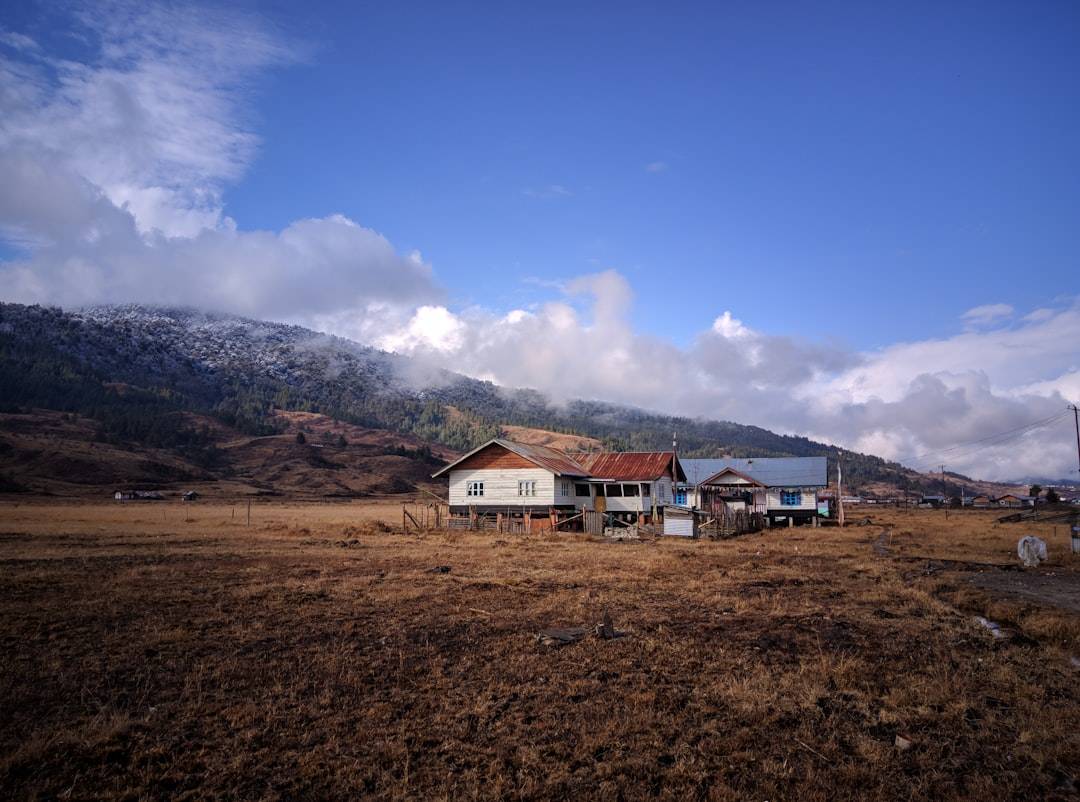
Smoked pork hangs over a Naga wood hearth, bamboo shoot and axone simmering in a pot below, while in a Khasi kitchen jadoh cooks, rice turning deep red in a blackened pot over flame. A market table stands stacked with bamboo shoot, dried fish, fermented soybean and bundles of wild greens, and a Sikkim homestay bowl of gundruk soup steams sour and warm, rice and pine hills behind it. Nearby, a cluster of ripe raja mirchi ghost chillies hangs red and wrinkled on the plant in morning light.