

Journey Highlights
- A dawn market walk in Bangkok picking galangal, lemongrass and bird’s-eye chilli before the cooking begins.
- A Bangkok cooking school teaching green curry from the paste up, pounded in a stone mortar.
- Chiang Mai’s khao soi — crackling egg noodles in coconut curry — from the shophouse locals actually queue at.
- A farm-to-table class outside Chiang Mai, harvesting herbs and paddy vegetables before you cook them.
- The Chiang Mai night bazaar for grilled sai ua sausage, mango sticky rice and a tamarind sweet or two.
- A host who orders at the stalls with no English menu and knows the mild-to-molten spice scale.
- A short flight north from Bangkok to Chiang Mai, swapping canal heat for cooler hills and slower days.
 Bangkok & Chiang Mai
- 7 Nights / 8 Days


Experience Overview
Thailand is one of the easiest places to fall for the food and one of the best to learn it, because so much starts with a mortar and a handful of herbs. Eight days between Bangkok and Chiang Mai, built around markets and cooking classes rather than hotel restaurants. You leave able to actually cook this.
In Bangkok you shop a morning market, then cook green curry, pad thai and tom yum from scratch, pounding your own paste. Chiang Mai goes farm-to-table: harvest herbs and vegetables, then make khao soi and larb. Evenings are street food — grilled sai ua, mango sticky rice, papaya salad thumped to order.
Thai cooking chases balance — hot, sour, salty, sweet, all in one mouthful, adjusted by taste rather than recipe. The mortar and pestle does the real work, bruising lemongrass and chilli into paste. Fish sauce and shrimp paste sit under most savoury dishes, which matters for vegetarians. Every region argues its curry is the true one.
Some moments are built for lingering: the smell of a green curry paste coming together under your own pestle; the first slurp of khao soi with lime squeezed over; a night-bazaar stool with sticky rice and ripe mango; a Chiang Mai farm morning, cool air and dew still on the herbs you’re about to cook.
This is for hands-on travellers who want to come home cooking, not just eating. Vegetarians and Jain travellers manage well with notice, swapping fish sauce and shrimp paste for soy and salt. It isn’t for anyone who wants to sit back and be served, or who dislikes heat and bold spice.


Everything you
need to know
Can vegetarians and Jain travellers eat well on this trip?

Yes, with a heads-up. Fish sauce and shrimp paste are in most Thai savoury dishes, but every cooking school we use makes vegetarian versions with soy and salt, and Thailand's jay (vegan Buddhist) food is widely available. Jain travellers can be looked after too — we brief kitchens to skip onion, garlic and shrimp paste, and cook a Jain-friendly plate at the class.
Do Indians need a visa, and how are the cooking classes structured?
What does a trip like this cost from India?
Ready to Photograph
Thailand
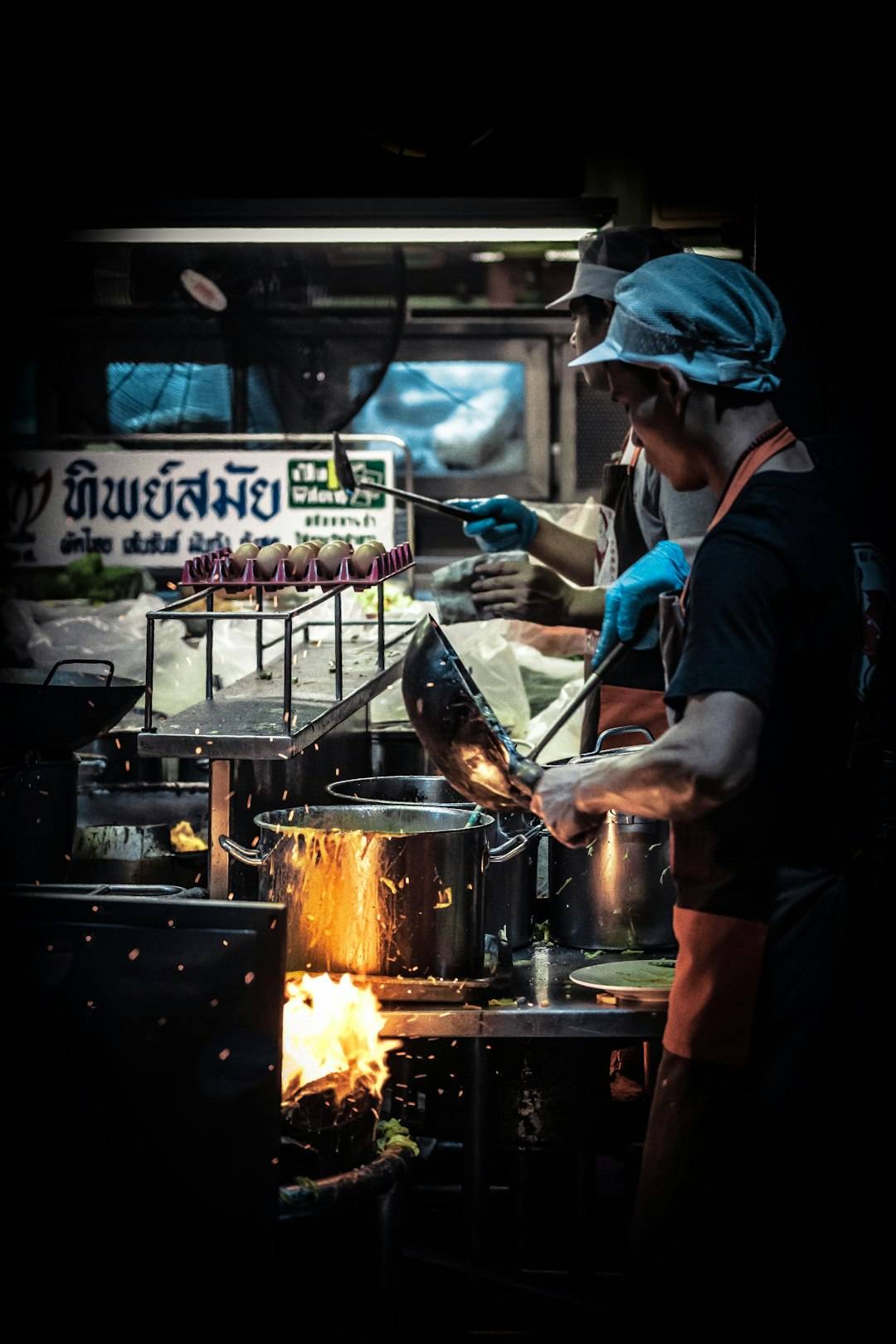
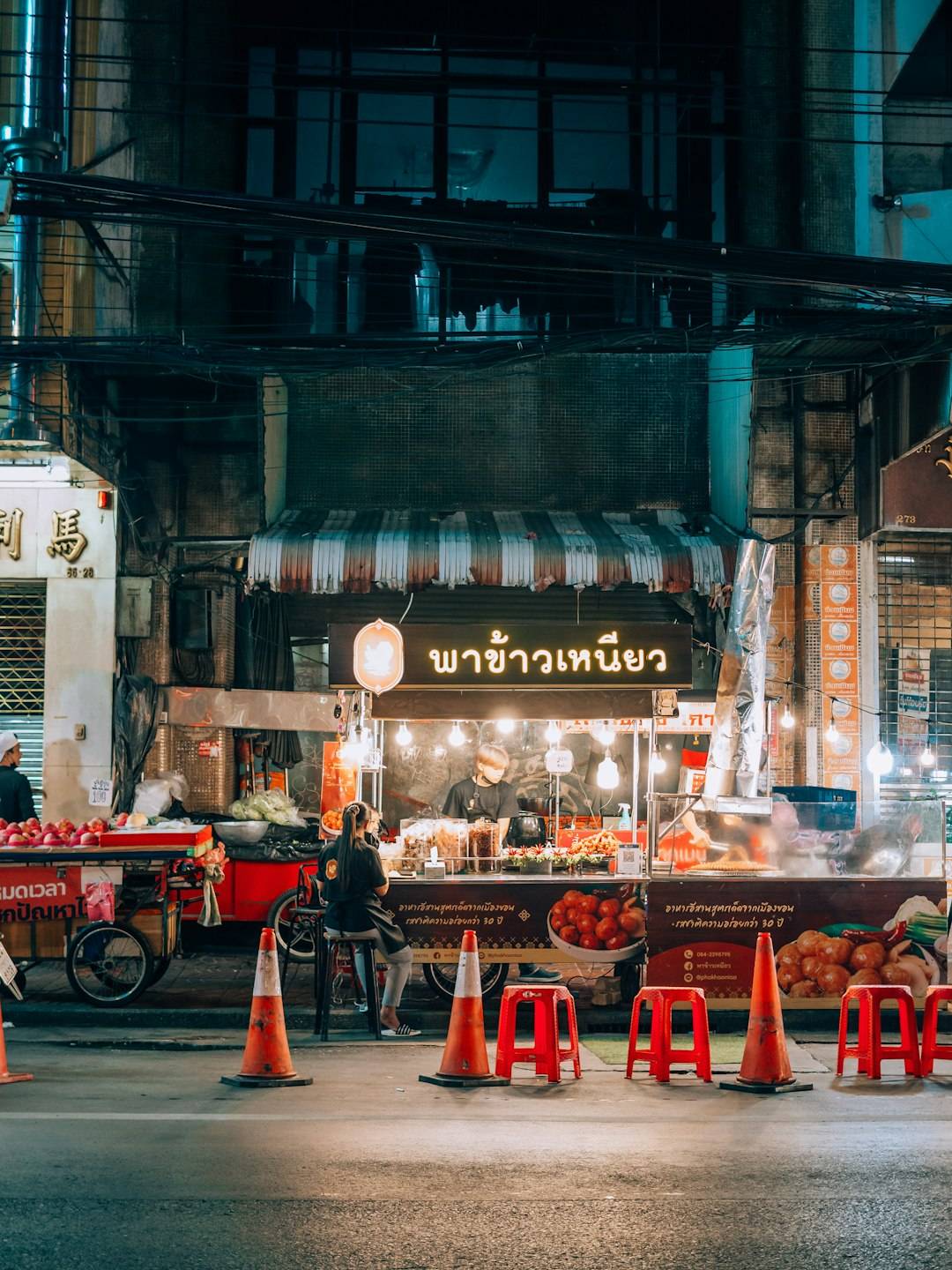
Hands pound a green curry paste in a stone mortar, chillies and lemongrass half-crushed inside, while a Bangkok morning market aisle holds baskets of galangal, lime leaves and bird’s-eye chilli as a buyer chooses herbs. A bowl of Chiang Mai khao soi arrives topped with crackling egg noodles, lime and shallot on the side, and after dark the Chiang Mai night bazaar glows as a grill of sai ua sausage smokes under strung lanterns. On a farm table outside Chiang Mai, just-picked herbs and vegetables lie out with hills behind in soft light.