

Journey Highlights
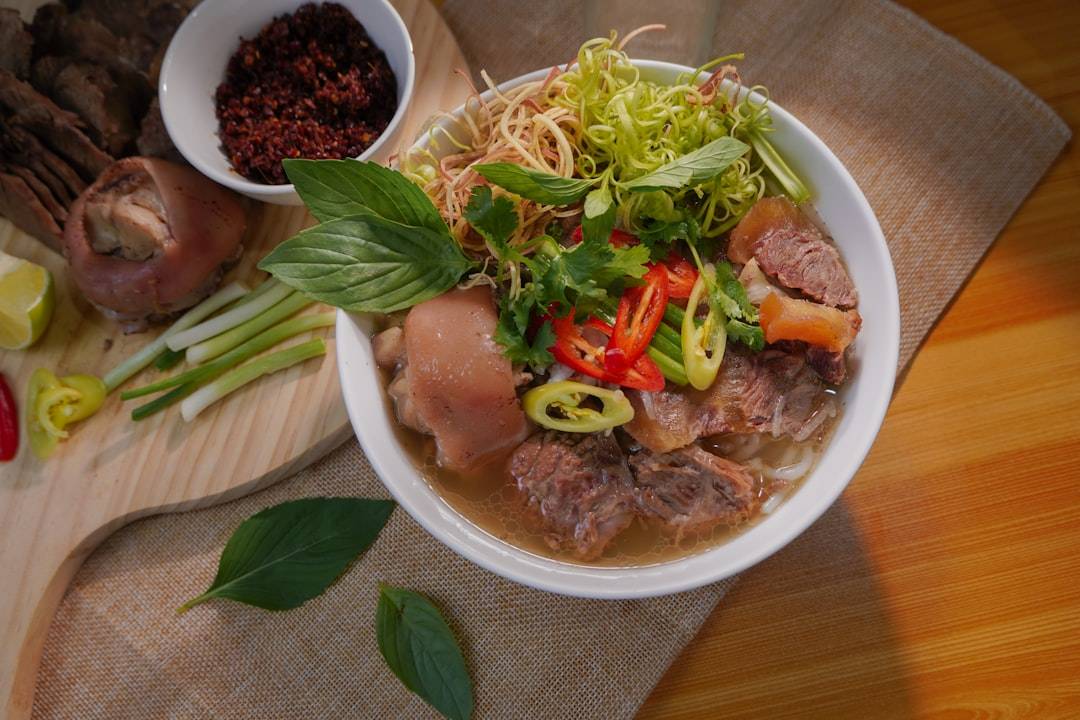
- Hanoi’s Old Quarter on foot — bun cha over charcoal, pho for breakfast, egg coffee thick as pudding.
- A Hoi An market-to-table class: pick herbs at Ba Le, then cook cao lau and fresh spring rolls.
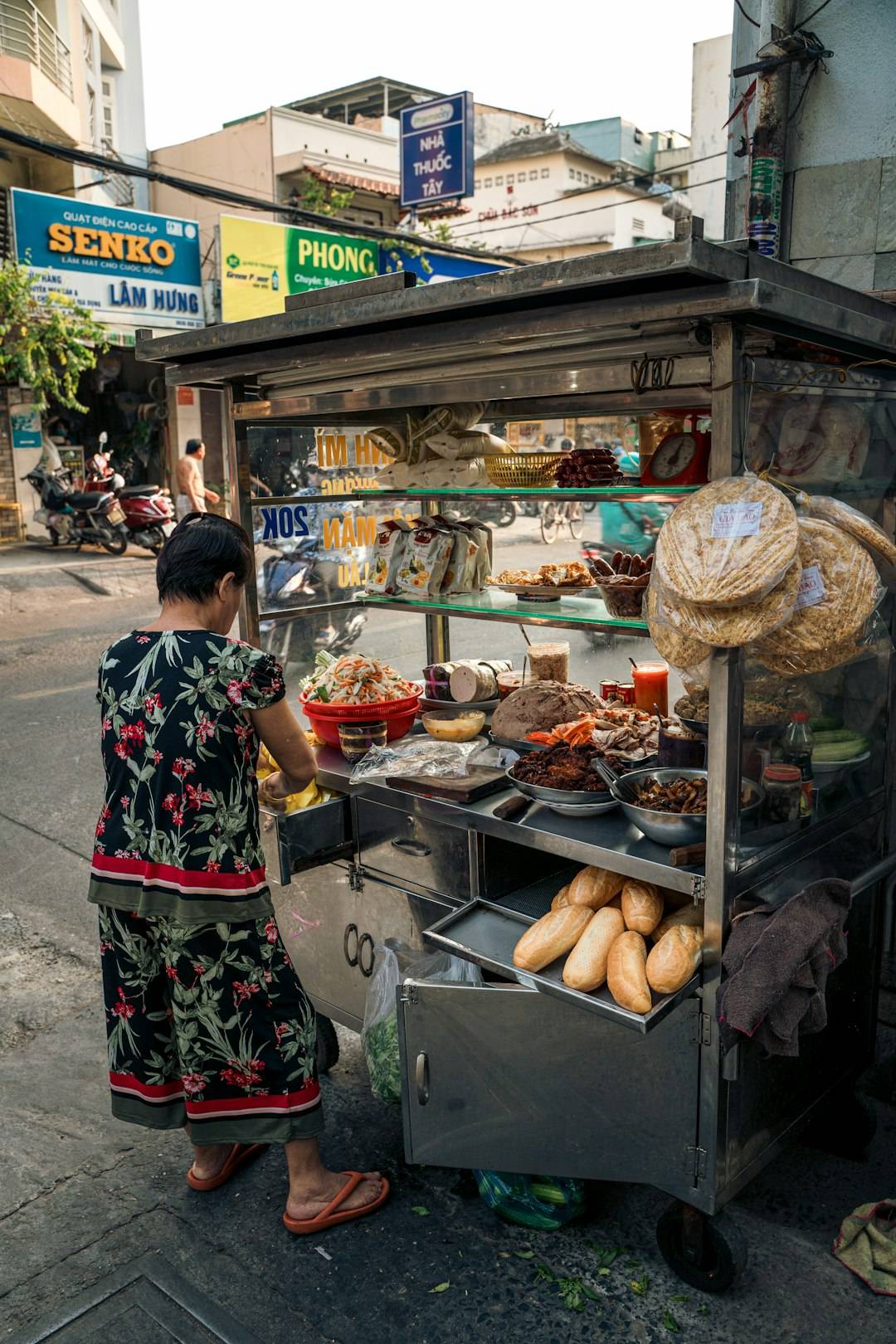
- Saigon’s street stalls after dark — broken-rice com tam, banh xeo crackling in the pan, cold sugarcane juice.
- A Mekong Delta day: sampan through coconut channels, a family lunch, elephant-ear fish pulled apart at the table.
- Chay Buddhist restaurants in every city, so vegetarians eat properly rather than surviving on plain rice.
- A host who knows which pho stall closes by nine and which alley does the better banh mi.
- Slow trains and short flights between cities, so travel days feel like part of the trip.
 Hanoi, Hoi An & Saigon
- 9 Nights / 10 Days


Experience Overview
You eat Vietnam sitting on a low plastic stool, bowl balanced on your knees, traffic sliding past your elbow. This trail runs Hanoi to Hoi An to Saigon over ten-odd days, built around the food and the people who cook it — not a coach and a buffet, but real stalls with real regulars.
In Hanoi it’s pho bo at dawn, bun cha over charcoal, egg coffee in a quiet upstairs café. In Hoi An you shop Ba Le market, then cook cao lau and crisp banh xeo in a garden kitchen. Saigon brings com tam, banh mi and a Mekong lunch of fried elephant-ear fish.
Vietnamese food is a map of the country’s history — French bread turned into banh mi, Chinese noodles remade as pho, Cham spice in the centre. Each city guards its own version and argues the others got it wrong. Herbs arrive by the fistful; fish sauce is seasoning, condiment and religion all at once.
Some moments are built for lingering: the first spoon of Hanoi pho at six in the morning, steam fogging your glasses; a Hoi An kitchen going quiet as everyone tastes what they made; the Mekong sampan cutting its engine under low coconut palms; egg coffee so thick the spoon nearly stands up in it.
This is for eaters who’ll happily perch on a kerbside stool and point at a bubbling pot. Vegetarians are well looked after through chay Buddhist kitchens. It isn’t for anyone who needs familiar food, spotless dining rooms, or a firm line between lunch and dinner.

Everything you
need to know
Can vegetarians and Jain travellers actually eat well here?

Yes. Vietnam has a deep chay (Buddhist vegetarian) tradition, and most cities have dedicated chay restaurants doing mock-meat pho, fresh rolls and rice-paper dishes. Jain travellers need more notice — onion and garlic are common, and fish sauce hides in many broths — but we brief kitchens and cook a Jain-friendly version at the class.
Do Indians need a visa, and how do the cooking classes work?
What does a trip like this cost from India?
Ready to Photograph
Vietnam
A Hanoi pho stall sits low at dawn, plastic stools around one steaming bowl in sharp focus as a scooter blurs past behind, while hands roll fresh spring rolls on a Hoi An garden table, herbs and rice paper spread around. A Ba Le market herb seller holds fistfuls of Thai basil and coriander in morning light through the awning, and a Mekong sampan drifts under low coconut palms, engine cut, one passenger trailing a hand in brown water. On a wooden ledge, a glass of Hanoi egg coffee stands with its spoon upright in the thick foam.