

Journey Highlights
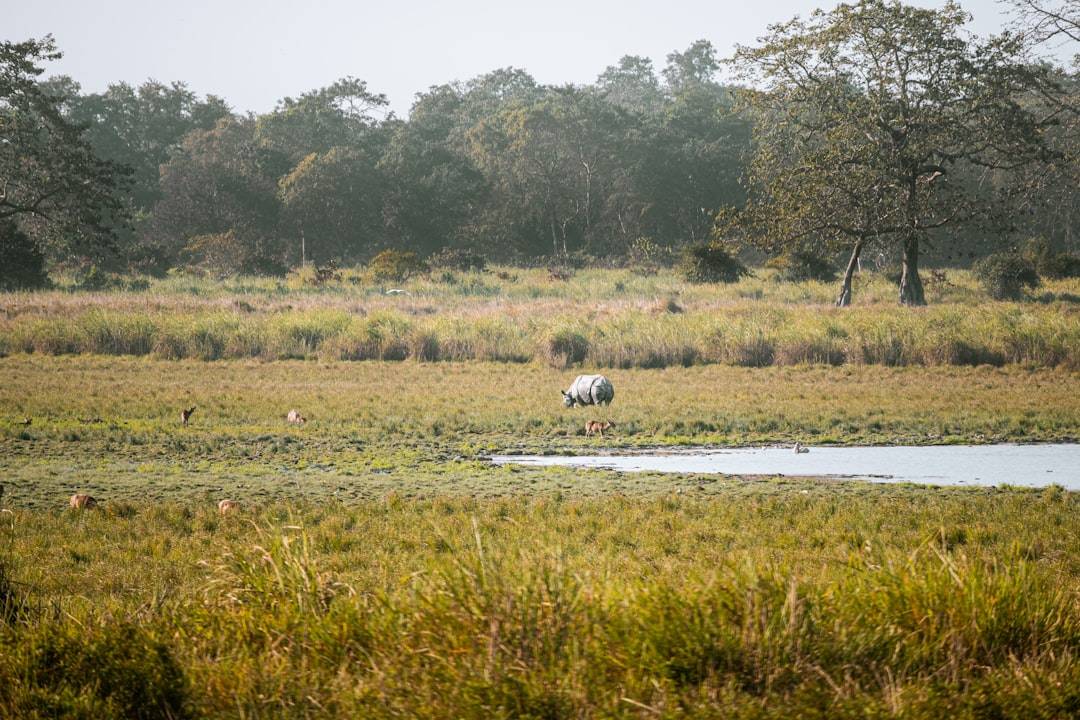
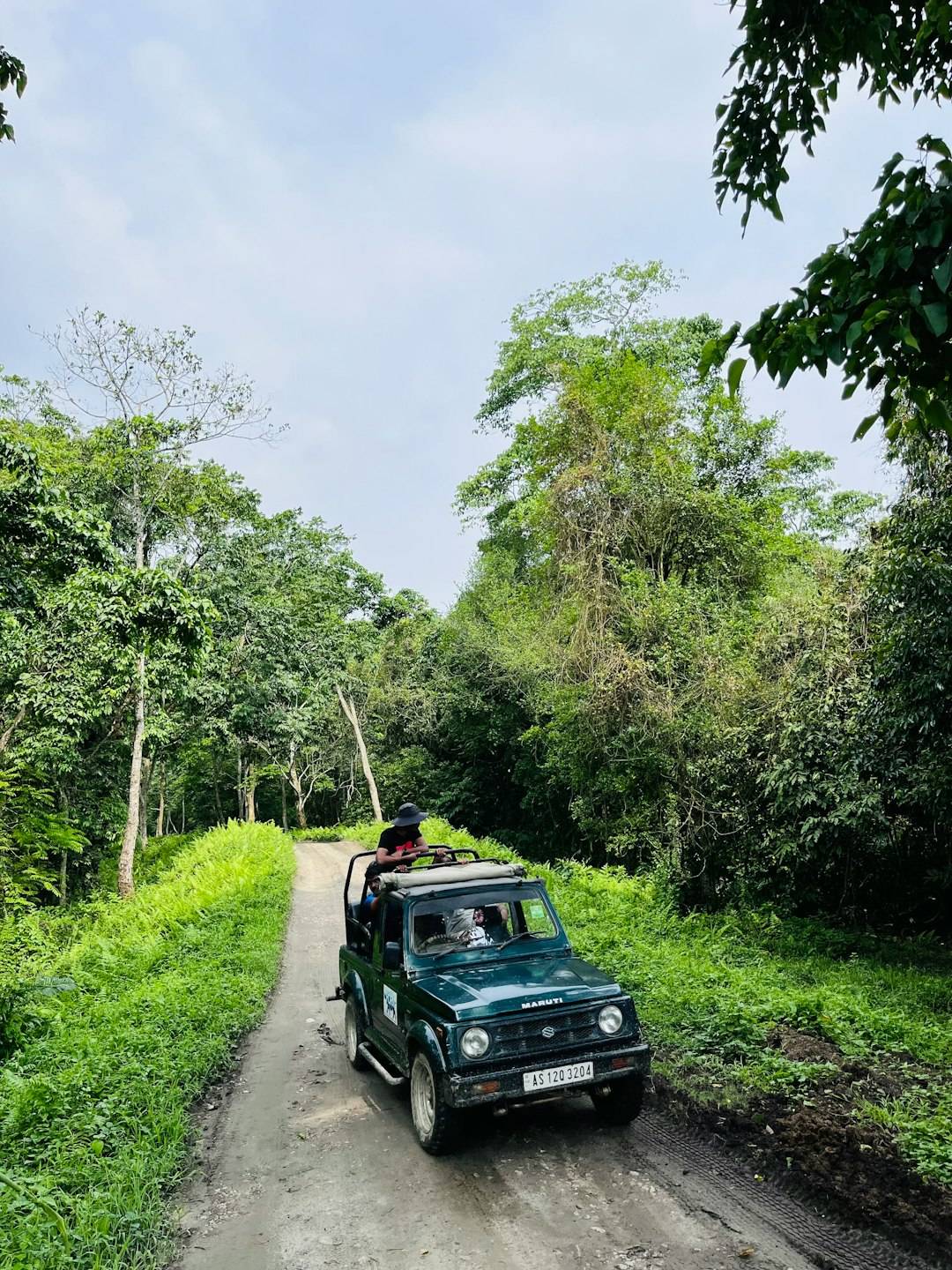
- Ride an early jeep safari through Kaziranga’s tall grass, one-horned rhinos grazing close to the track.
- Look for wild elephant, swamp deer and water buffalo in a park that holds most of the world’s rhinos.
- Scan the wetlands for pelicans and eagles, Kaziranga doubling as a major bird sanctuary.
- Ferry across the Brahmaputra to Majuli, one of the largest inhabited river islands on earth.
- Sit in a satra, the Vaishnavite monasteries where monks have kept dance and mask-making alive for centuries.
- Watch a masked satra dance drawn from the Krishna stories, drums and cymbals setting the pace.
- Cycle Majuli’s flat lanes past pottery villages and rice fields the river reshapes each year.
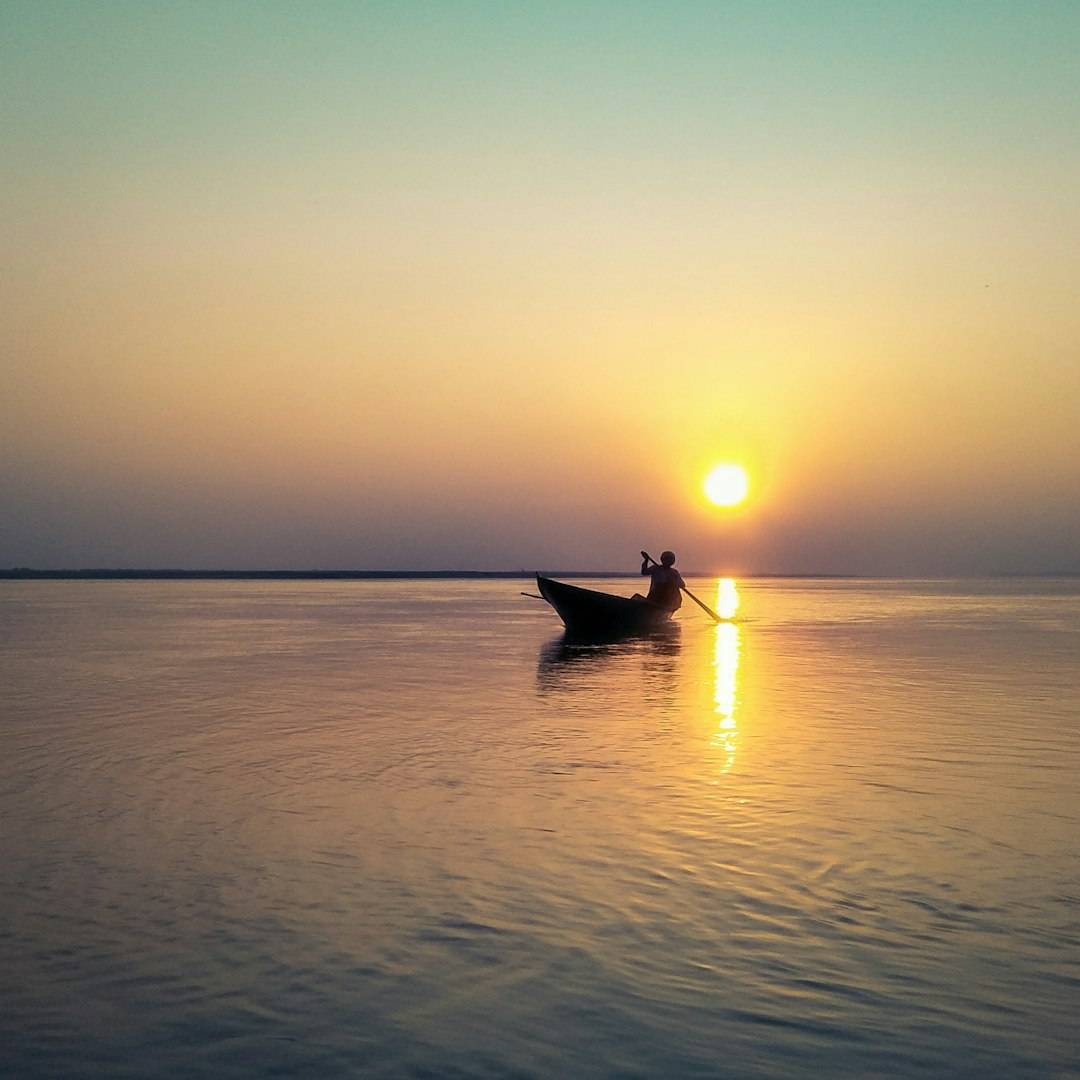
 Kaziranga, Majuli
- 4 Nights / 5 Days


Experience Overview
Four nights in Upper Assam pairing its two great draws — the rhino grasslands of Kaziranga and the river-island culture of Majuli. Both sit on the Brahmaputra, which floods and feeds the whole region. This is wildlife and living tradition in one loop, far from the usual hill-station Northeast, and quieter than almost any comparable park.
You base at Kaziranga for morning jeep and, where available, elephant-back safaris across its grassland ranges, tracking rhino, elephant, deer and birdlife. Then it is a drive and a ferry to Majuli, the vast river island, where you visit the Vaishnavite satras, watch a masked dance, and cycle between pottery and weaving villages before ferrying back.
This is the Brahmaputra floodplain — flat, wet, and green, tall elephant grass giving way to the widest river in India. Kaziranga’s grasslands stretch to distant hills; Majuli is all water, rice and quiet lanes, an island the river slowly eats each monsoon. Winter mornings are misty and cool; the heat and floods arrive together by late spring.
Some moments are built for lingering: a rhino lifting its head from the grass a few metres from a stopped jeep at first light; the ferry to Majuli with the Brahmaputra so wide you lose both banks; and a satra courtyard at dusk as the drums start and the masked dancers begin telling a story older than the temples around them.
Built for wildlife lovers, photographers and travellers drawn to living tradition off the tourist track. Not for luxury-resort or nightlife seekers — lodges are simple and evenings early. Crucially, Kaziranga closes for the monsoon, roughly mid-April to October, so timing is not optional; come November to March.
Everything you
need to know
When is Kaziranga open, and what is the best time to visit?

The park closes for the monsoon and its floods, roughly mid-April to the end of October, and reopens around November. The best months are November to March — cool, misty mornings and good grazing that brings animals into view. Safaris run in the early morning and afternoon; we book jeep permits ahead, as ranges and slots are limited.
How do we reach Majuli, and is a visit disrupted by the river?
What does this journey cost per person?
Ready to Photograph
Kaziranga
A one-horned rhino grazes in tall grass at dawn, mist rising off the Kaziranga grassland, while a jeep stops on a park track as swamp deer cross ahead, distant hills lost in haze. Out on the wide Brahmaputra, a ferry deck loses both banks to water meeting pale sky, carrying you toward Majuli, where masked satra dancers move mid-performance in a courtyard, drummers seated behind them, and a potter shapes clay by hand in a nearby village, rice fields flat and green beyond.