


If you have ever wondered how professional football academies train players, the answer is more complex than running drills for a few hours every day. Elite academies build players through a combination of technical training, game-based practice, tactical education, physical development, performance analysis and personal development. The exact system differs by club, age group and […]
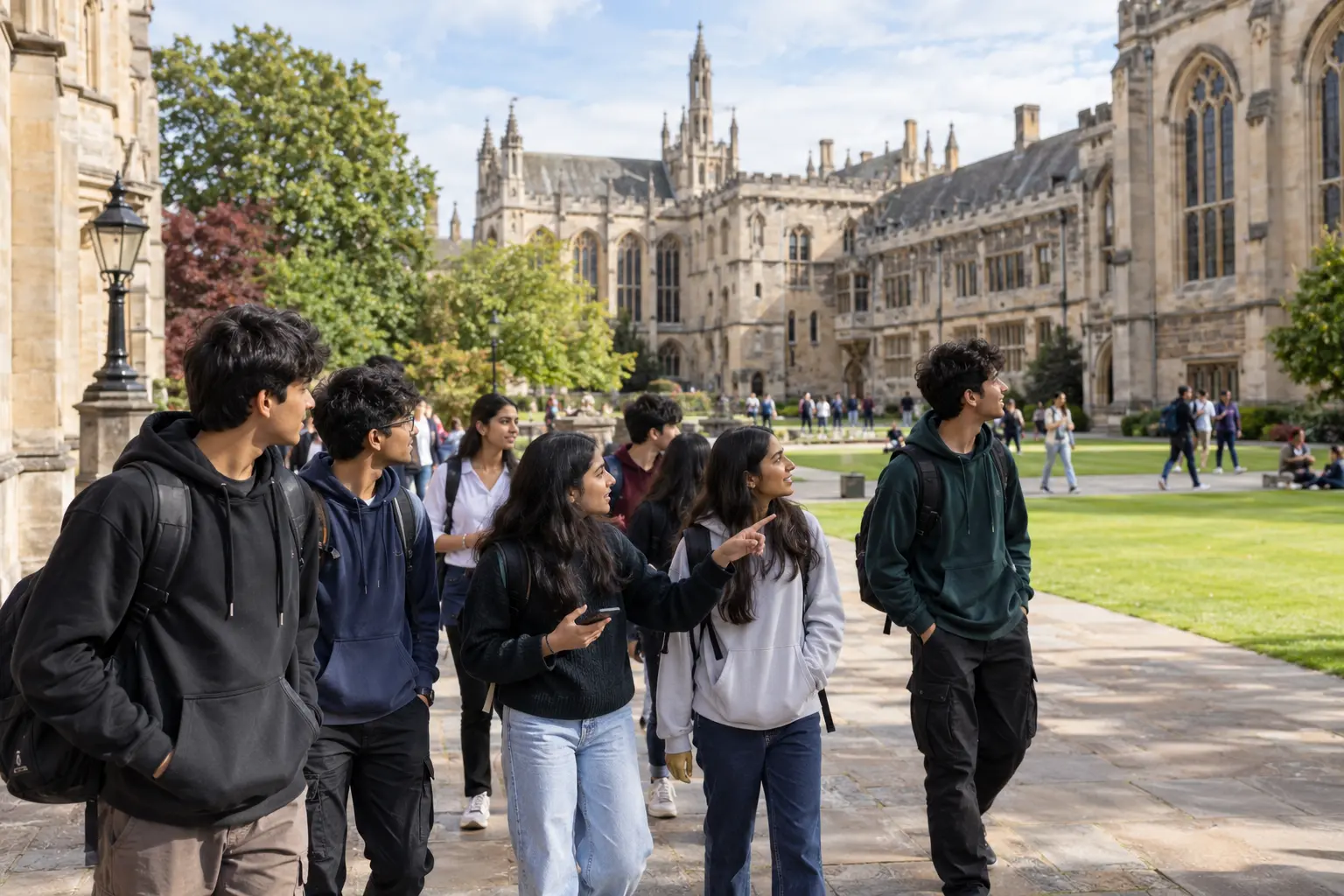
International education trips can help students connect classroom learning with the world beyond it. By visiting universities, science centres, industries and cultural institutions, they can explore subjects in practical settings, ask questions about future pathways and experience different ways of living and working. The benefits of international education trips and career planning can include clearer interests, greater cultural awareness and opportunities to practise adaptability and communication. These experiences do not guarantee a particular career outcome, but thoughtfully designed journeys can give students more information to make considered choices.
How can international education trips influence career choices?
Career decisions can feel abstract when students encounter professions mainly through textbooks, online research or conversations at school. An international education trip can make some of those pathways more tangible.
A student interested in engineering might see how technology is applied in a working environment. Someone considering medicine or life sciences could encounter research, healthcare education or scientific institutions. A student exploring business, design or the arts may gain a better sense of how those disciplines are taught and practised in different contexts.
Picknic’s education programmes are organised around areas such as STEM and science, global universities, industry exposure and sports academies. Its approach is to build journeys around structured exposure and learning outcomes rather than sightseeing alone.
The career value is not that a visit tells a student what to become. It is that the experience can help them ask better questions: Do I enjoy this subject in practice? What does studying it involve? What skills might I need? What other pathways should I explore?
1. Turn classroom subjects into real-world experiences
One of the clearest benefits of international education trips is the opportunity to see academic concepts applied outside a classroom.
A science lesson may explain a principle; an institution visit or guided workshop can help students see how that principle is investigated or used. An engineering-focused journey may connect classroom learning with manufacturing, transport or design. University visits can help students picture the environments in which further study takes place.
Picknic’s educational portfolio includes experiences such as its Japan STEM and culture journey, Europe science and history programme, and NASA and space-focused travel. The activities and access arrangements vary by programme, so schools should review the specific itinerary and learning objectives before selecting a trip.
Why it matters: Students can compare what they enjoy learning about with what they enjoy doing. That distinction can help them reflect on subject choices and future study options.
2. Explore career pathways before making major decisions
Students are often asked to make important academic choices while they are still discovering what different fields involve. Exposure to universities and industries can provide useful context before those decisions become more difficult to change.
For example, a university-focused trip might help students compare campus environments, course areas and learning cultures. An industry visit could prompt questions about the roles involved in developing a product or delivering a service. A technology experience may reveal that a field includes several different specialisations rather than one narrow job title.
Picknic’s global exposure journeys include university and technology-city experiences in destinations such as the USA, UK and Dubai. The company describes these as visits using institutions’ visitor tours and public sessions, not access to private lectures, research offices or guaranteed admissions opportunities.
Students should treat these experiences as career exploration—not as a substitute for formal career counselling, admissions advice or independent research.
3. Build a more informed global perspective
A global perspective means more than knowing the names of countries or recognising famous landmarks. It involves understanding that people may approach education, work, communication and everyday life differently, and learning to engage respectfully with those differences.
International travel gives students opportunities to observe unfamiliar customs, navigate new surroundings and interact with people outside their usual social and academic circles. These experiences can encourage curiosity and help students question assumptions they may not have realised they held.
This perspective can be relevant across many career areas. Students considering international business, research, technology, public service, healthcare or creative industries may eventually work with people from different backgrounds. Cultural awareness can help prepare them to communicate thoughtfully in those settings.
The experience is most meaningful when cultural engagement is built into the programme. A visit should leave students time to ask questions, understand context and reflect—not simply move from one attraction to another.
4. Practise adaptability, communication and independence
International trips place students in unfamiliar situations: following a group schedule, adjusting to different routines, communicating across language or cultural differences and responding when plans change.
With suitable guidance, these situations can give students opportunities to practise:
- Adaptability: responding constructively to unfamiliar environments and expectations.
- Communication: listening carefully, asking questions and working with people who have different perspectives.
- Independence: taking responsibility for belongings, punctuality and personal routines.
- Collaboration: contributing to group tasks and considering other people’s needs.
- Reflection: identifying what they learned and how they might apply it.
Research on education abroad has explored links between international experiences and transferable skills. The Institute of International Education’s Gaining an Employment Edge report examined 15 skills associated with employment and career development, drawing on survey responses from more than 4,500 US college and university alumni, alongside interviews. It reported that outcomes varied according to programme characteristics, destination and student goals.
These skills are not automatic results of crossing a border. Programme design, student participation and opportunities to reflect all matters.
5. Understand STEM and other subjects in a wider context
For students interested in science, technology, engineering and mathematics, international experiences can help connect individual subjects with broader applications.
A STEM-focused journey might bring together science institutions, technology experiences, engineering or cultural context. This can help students see how disciplines overlap and how scientific or technical knowledge is used in different settings.
That is the idea behind STEM travel career outcomes: not a guaranteed job or admission result, but the possibility of returning with a more developed understanding of fields, study options and questions to investigate.
Picknic’s education programmes include STEM and science experiences in Japan, Europe and the USA, alongside university and industry-focused journeys. Schools should check the programme details carefully, including whether activities are guided visits, workshops, public sessions or other forms of exposure.
6. Make university and further-study options more tangible
For students approaching the transition from school to higher education, international school tours can make university research more concrete.
Walking through a campus, learning about its academic environment and comparing institutions can help students move beyond reputation alone. They may begin to consider factors such as course content, learning style, location, campus culture and whether a particular subject genuinely interests them.
A visit does not guarantee admission, and a campus tour is not the same as attending a class or receiving an admissions assessment. Students should use the experience as one source of information alongside official university materials, school counselling and conversations with family.
A useful activity is to keep a comparison journal. After each visit, students can record what they learned, what appealed to them, what concerns they have and which questions remain unanswered. This turns a series of visits into a resource they can use later.
What should schools and parents look for in an international education trip?
Not every overseas itinerary provides the same educational value. Before choosing a programme, consider the following:
| What to assess | Questions to ask |
| Learning objectives | What should students understand or be able to reflect on after the trip? |
| Relevance | Does the itinerary connect to students’ subjects, interests or stage of education? |
| Quality of exposure | Are activities guided visits, workshops, campus tours or other experiences—and what does each involve? |
| Age suitability | Are the activities appropriate for the students’ age, experience and readiness? |
| Supervision and welfare | What arrangements cover transport, accommodation, medical needs and parent communication? |
| Practical planning | How much lead time is needed for school approval, parent orientation, travel documents and bookings? |
| Reflection | Is there a structured way for students to process and use what they experience? |
Picknic says its school journeys include agreed learning outcomes, pre-trip preparation, on-site workshops and worksheets, and post-trip presentations. Its education page also outlines a documented safety framework that includes vetted accommodation and transport, defined supervision ratios, trained tour managers, medical protocols, insurance and parent updates. Schools should confirm the arrangements applicable to their chosen programme.
Do international education trips guarantee career success?
No. A trip cannot guarantee a student’s future career, university admission, employment or income. Research on longer-term educational mobility also cautions against treating career benefits as universal: a systematic literature review found some positive associations, while noting that evidence for particular outcomes, including an easier transition into employment, was mixed and depended on individual and contextual factors.
The more realistic goal is to help students make better-informed decisions. A trip can introduce possibilities, test assumptions and give them experiences to discuss with teachers, counsellors and family. Its impact will depend on what students do with those insights afterwards.
Explore educational journeys with Picknic
Picknic creates educational travel experiences for schools and institutions, with programmes spanning STEM and science, global universities, industry exposure and sports academies. Its journeys are designed around the group’s learning objectives and can be discussed in relation to student age, interests and academic requirements.
If your school is considering international school tours, start by identifying the subjects or career pathways students want to explore. Then review the institutions, activities, learning outcomes, supervision and planning requirements of each potential itinerary.
Start a conversation with Picknic about your student group, preferred travel period and learning goals to explore a programme that fits. The most valuable trip is not necessarily the one with the longest itinerary or the most famous stops. It is the one that helps students return with sharper questions, a wider perspective and a clearer understanding of what they may want to explore next.
Continue Reading


An international school trip should be exciting for a child and reassuring for a parent. A proper school trip safety checklist goes beyond permission forms and emergency phone numbers. Parents should understand who supervises students, how accommodation and transport are checked, what happens in a medical emergency, how safeguarding is handled and how the group […]

Speed was once a status symbol. Now, the most discerning travellers are choosing depth over distance — spending longer in fewer places and coming home richer for it. Here's how we design journeys that breathe.