

What the camp includes
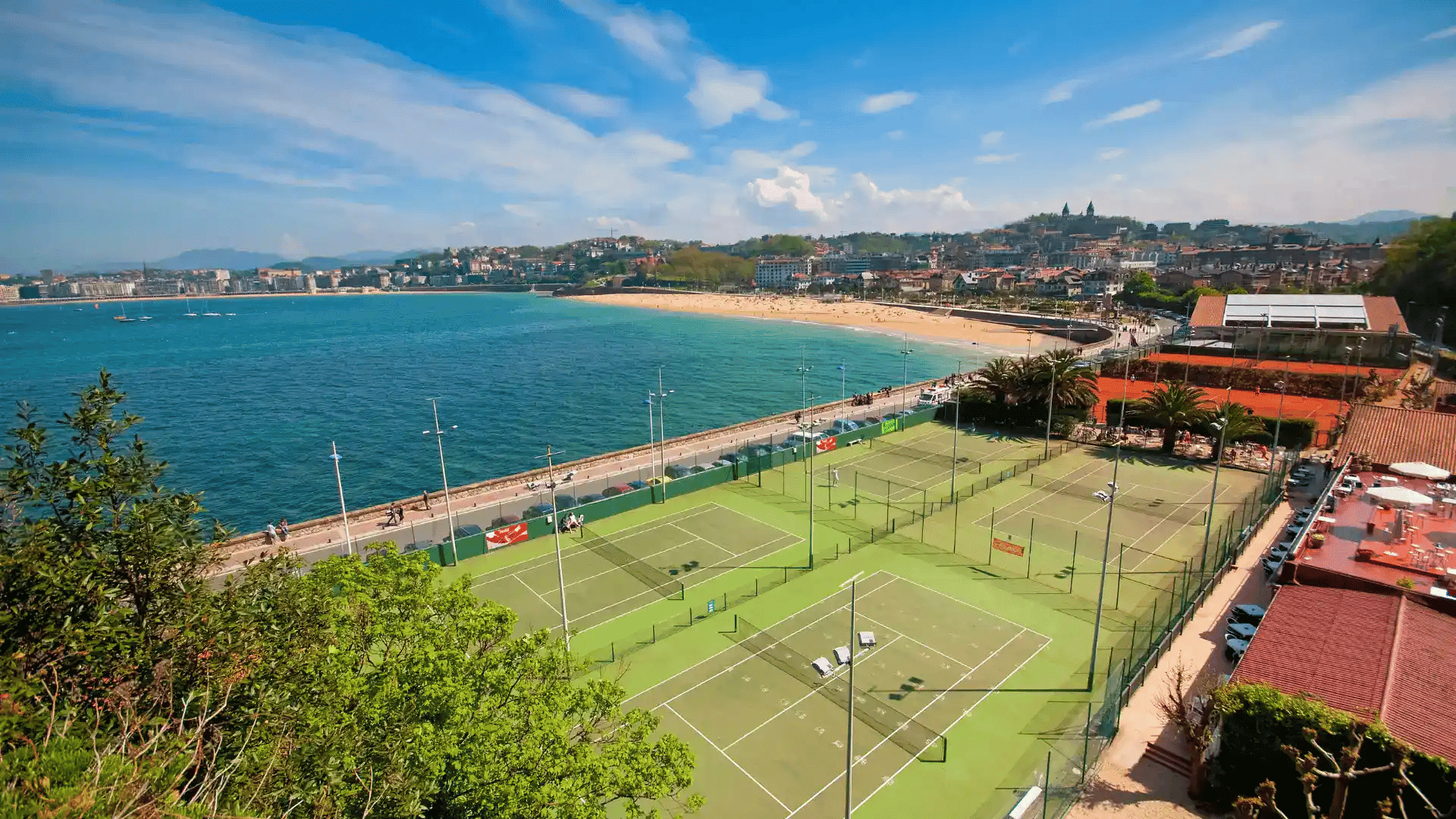
Nine days across two tennis cultures, run as one trip. The first block sits inside a high-performance academy in Mallorca or Barcelona, training on clay. The second moves to England for an LTA-style coaching week built around match play and shot selection. The two surfaces argue with each other on purpose, and we let each place say its own thing rather than smoothing the contrast out.
- Daily sessions in a Mallorca or Barcelona high-performance academy, coached on footwork, spin and court craft.
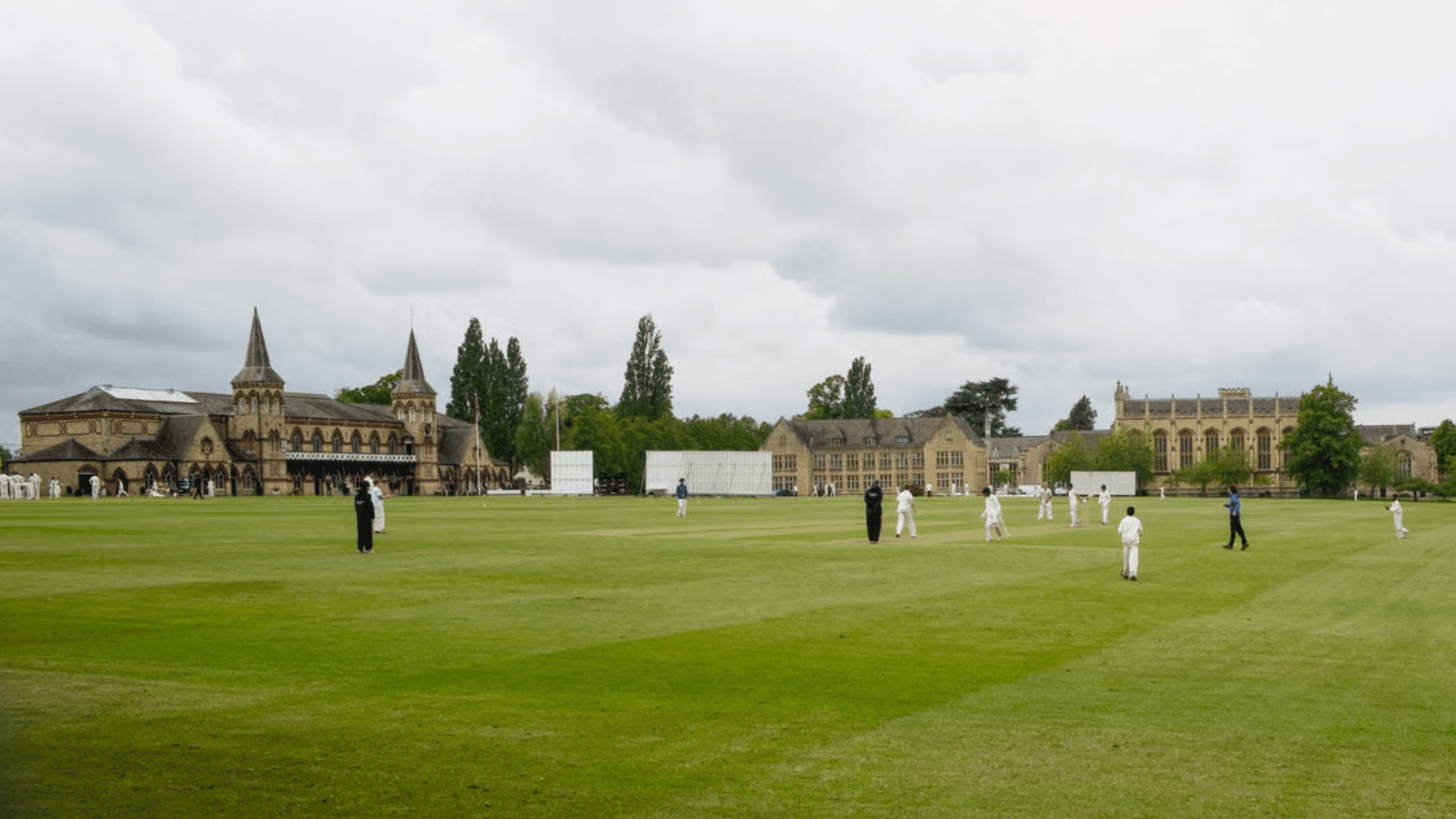
- A move to England for an LTA-style coaching week, built around match play and shot selection under licensed coaches.
- Serve, return and rally patterns drilled to a single daily theme, repeated until the pattern holds under pressure.
- Video review each afternoon, players watching their own footage against the coaching points made that morning.
- Practice matches in mixed-nationality groups, technique and temperament tested against players trained on entirely different surfaces.
- A day at Wimbledon’s grounds and the Lawn Tennis Museum, placed late in the trip as context rather than the point.
- A written coach’s assessment each player carries home, strengths named and the two things to build next.

 Mallorca, Barcelona & England
- Ages 12–18
- 1–2 Weeks
- Priced to Your Brief
- Academy Residences
- Academy Tennis


What they come home with
Most junior players in India have never been told the truth about their game by someone with no stake in keeping them happy. That is really what these nine days buy. The tennis improves, of course, but the more durable change is usually in how a player reads a point and handles being outplayed.
- A written assessment — two pages naming the strengths and the two flaws, which several students have told us was the first proper feedback they had received.
- Longer points — Spanish clay refuses to end a rally in three shots, so a player used to quick winners has to rebuild patience from scratch.
- Shot selection — the English week stops drills mid-rally to ask why that was the wrong ball to attack, and that habit travels home well.
- Safety built in — one chaperone per six players aged twelve to fourteen, one per eight above that, always including a female chaperone, plus doctor-on-call cover.
- Self-recognition — watching your own footage each afternoon against that morning’s coaching point is far more persuasive than a coach simply repeating it.
Who should come
Competitive juniors aged twelve to eighteen who train several hours a week and play club or district-level matches. The academy block assumes a player can already rally with control, move on clay and take instruction in English. It suits a temperament that can lose three days running to better opponents and still turn up on the fourth morning wanting the drill.
It is not a beginner’s tennis holiday, and it is not a pathway. There are no selectors watching, no ranking attached and no route into a tour academy, and anyone promising otherwise is selling something. A player who is only there because a parent booked it will get less from the week than a keen thirteen-year-old two levels below them. Two visas are also required, which rules out short notice.





Tell us about
their game
Everything you
need to know
How are players kept safe, and what happens if someone is injured?

One Picknic chaperone per six players aged twelve to fourteen, one per eight for older students, always including a female chaperone, alongside safeguarding-certified academy coaches with DBS checks for UK staff. Physio and doctor-on-call cover sits at each base. Any injury pauses that player's programme until cleared, with no exceptions and no pressure.
Will this lead to a ranking, a trial or a professional pathway?
What does a training day actually look like?
How far ahead do we book, and does this need two visas?