

What this journey is
Outdoor and team-based learning where the group is the actual subject. Swiss alpine ropes and trails under UIAA-certified guides, Wicklow hill days on the Irish leadership camp, snorkel transects off Havelock with PADI-affiliated instructors, and Gujarat’s four-syllabus winter circuit. Every day closes with a structured debrief and a marked journal. Seven to eleven days for the international camps, four to six domestic.
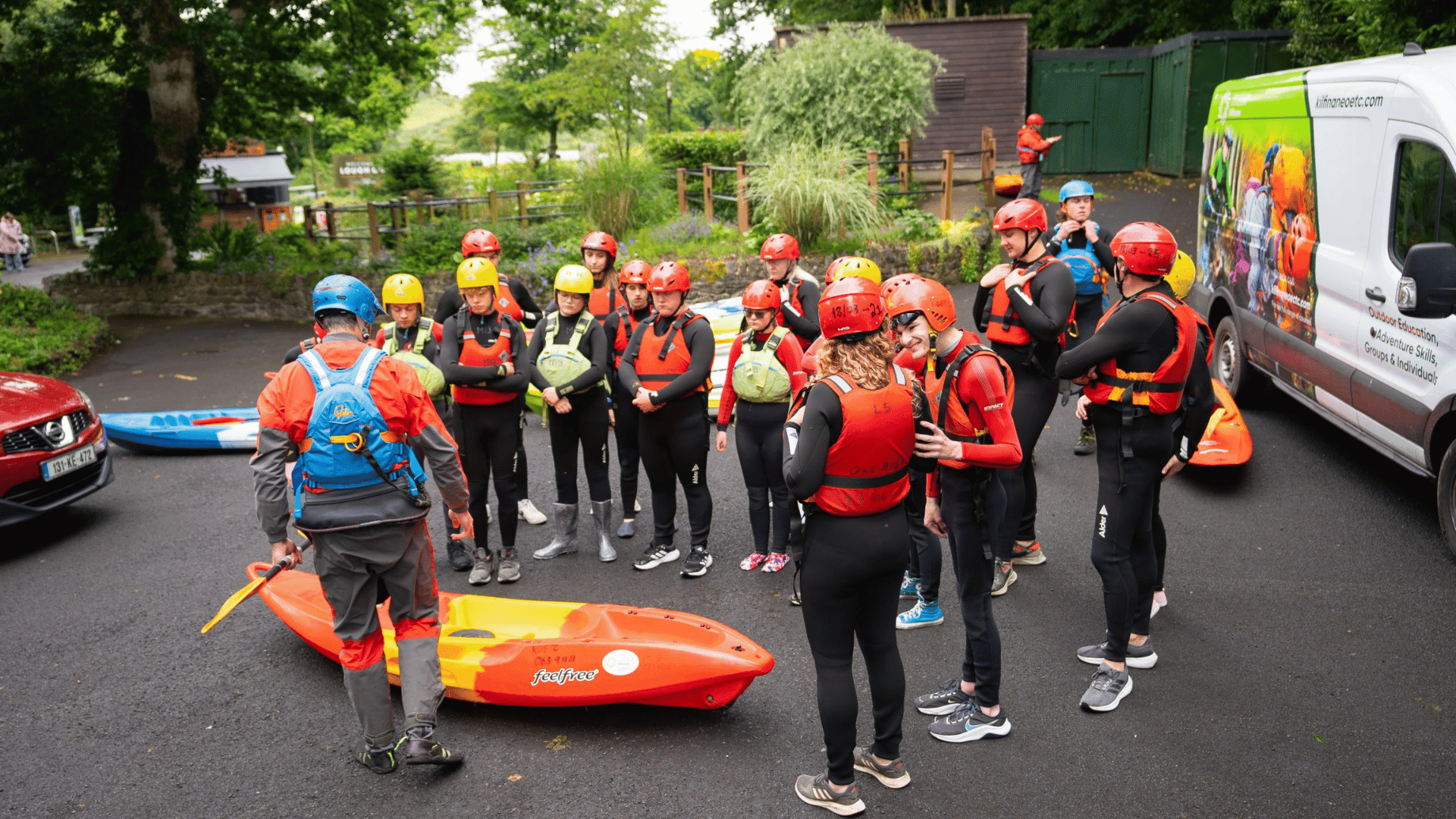
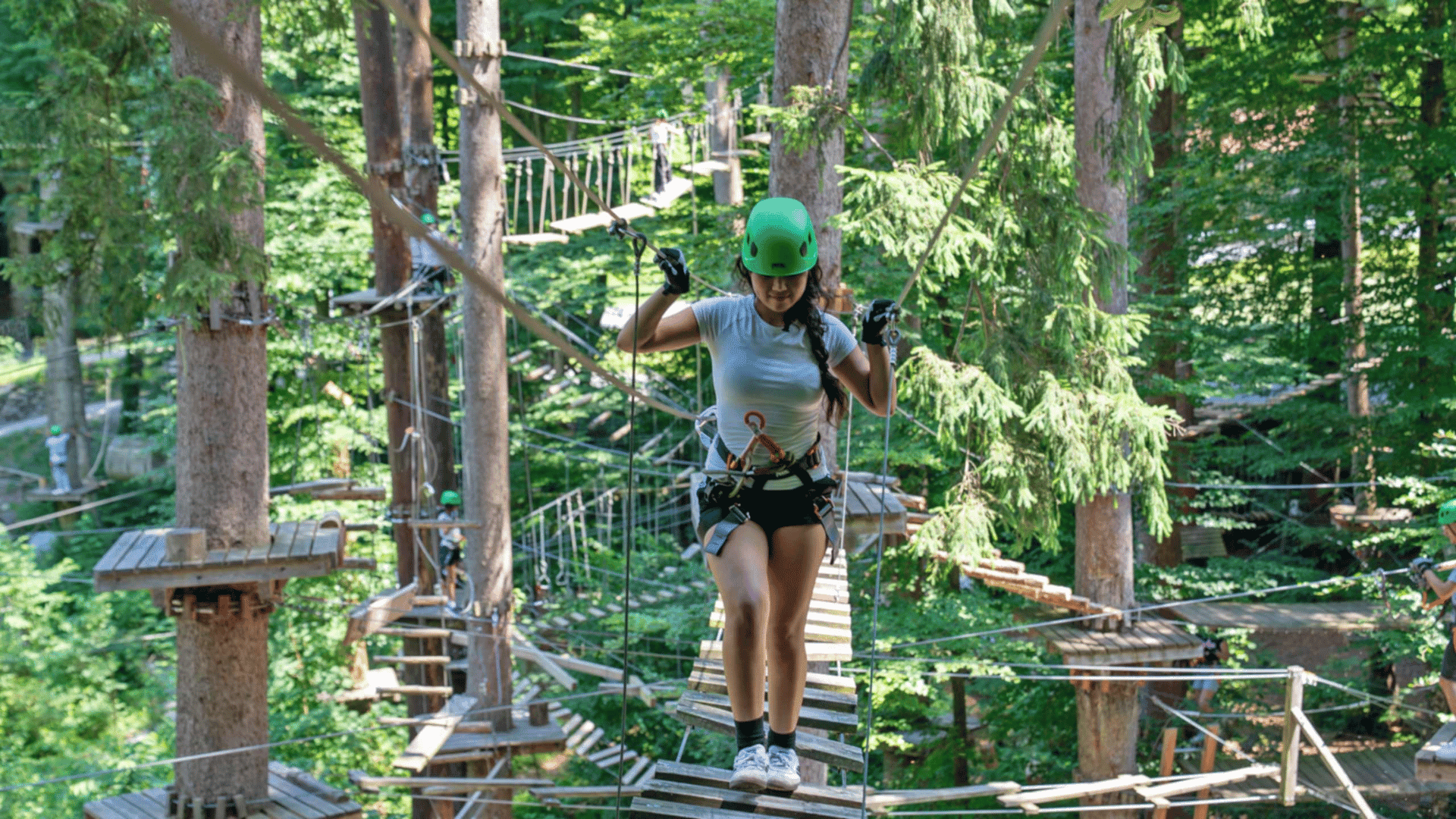
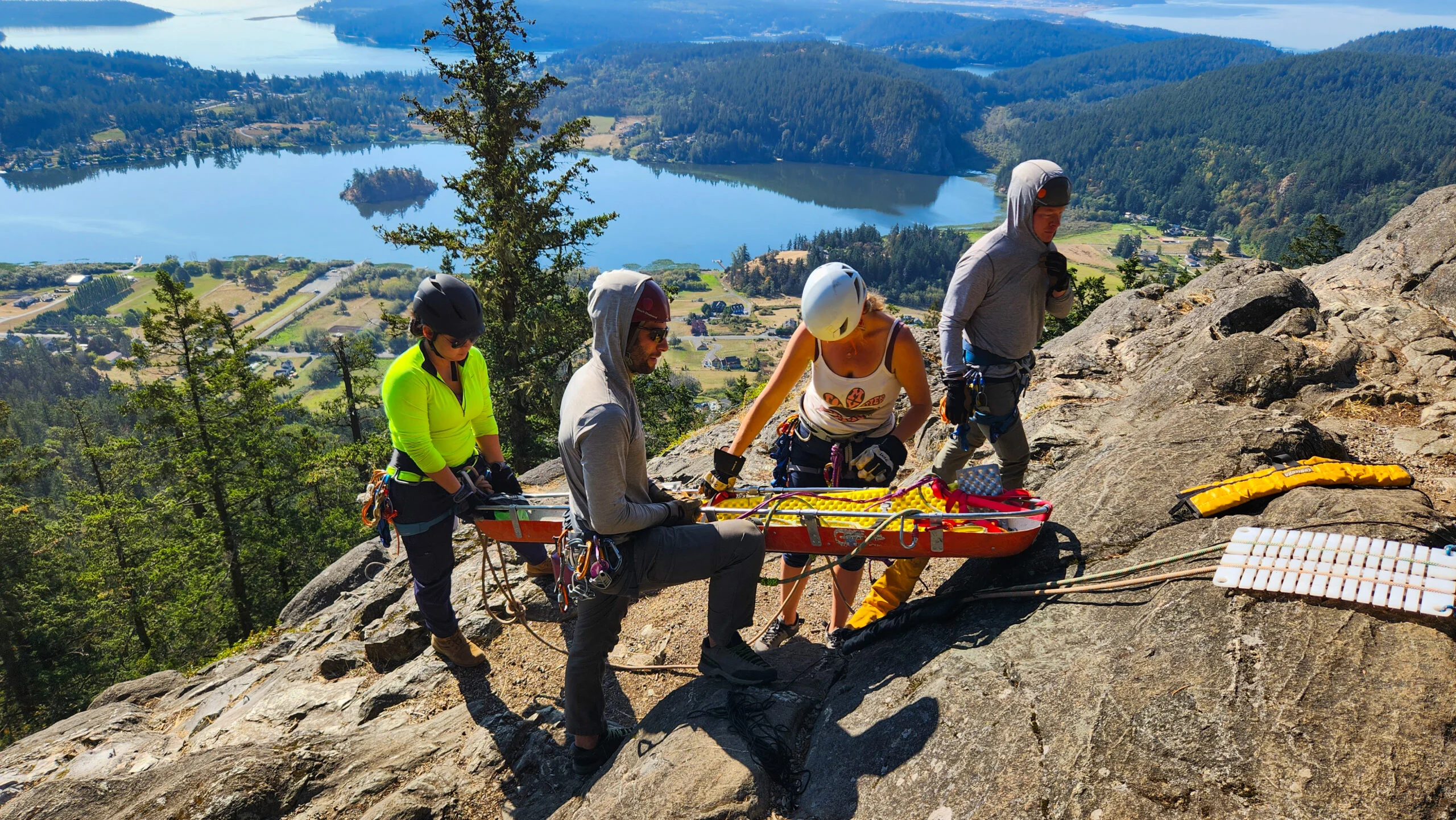
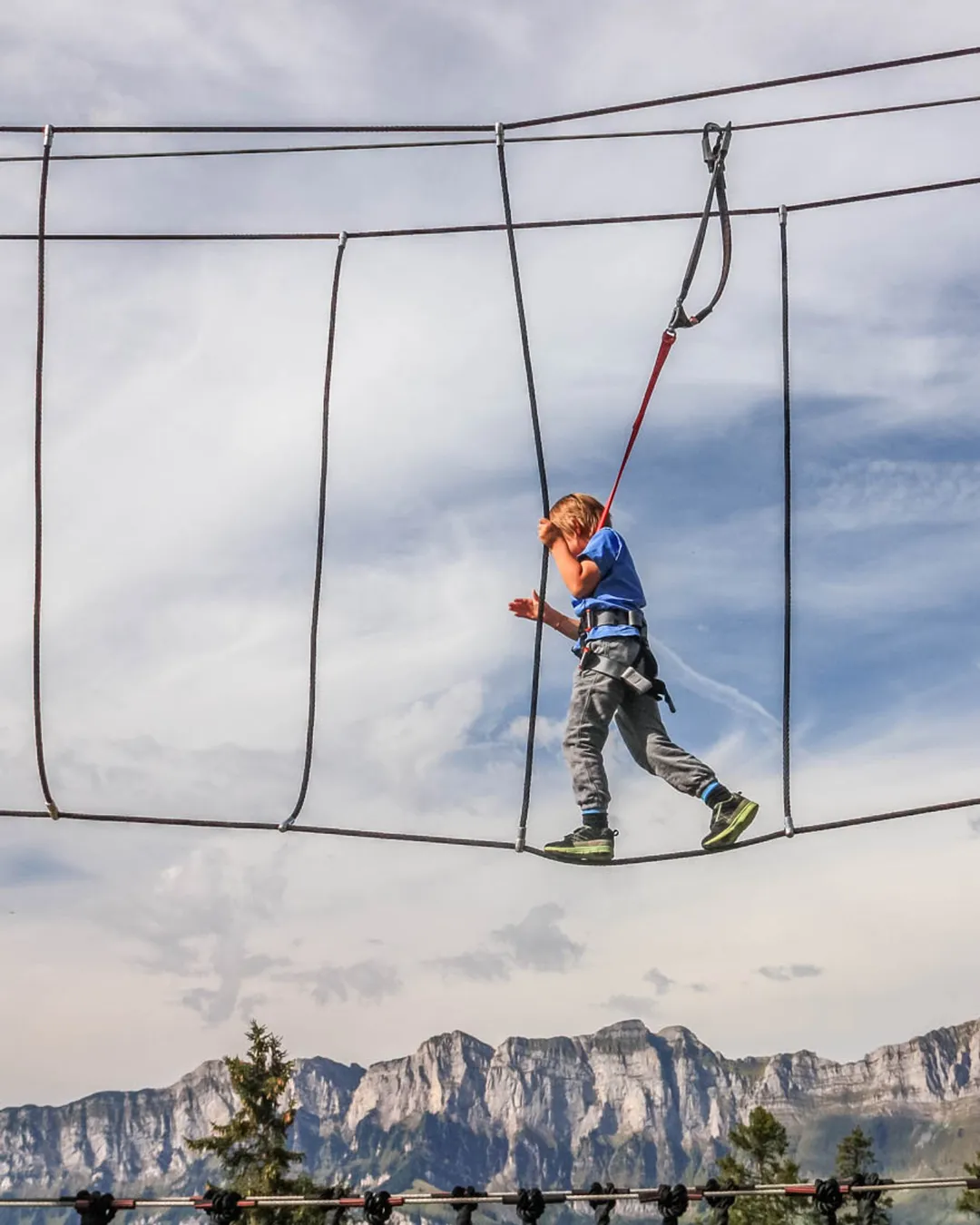
- High and low ropes courses in the Swiss Alps under UIAA-certified guides, at the operator’s own instructor ratios.
- Alpine or Wicklow trail days walked as a led team, rotating navigation so every student takes a turn deciding.
- A structured debrief every evening — what the group did well, what it fumbled, who stepped up and when.
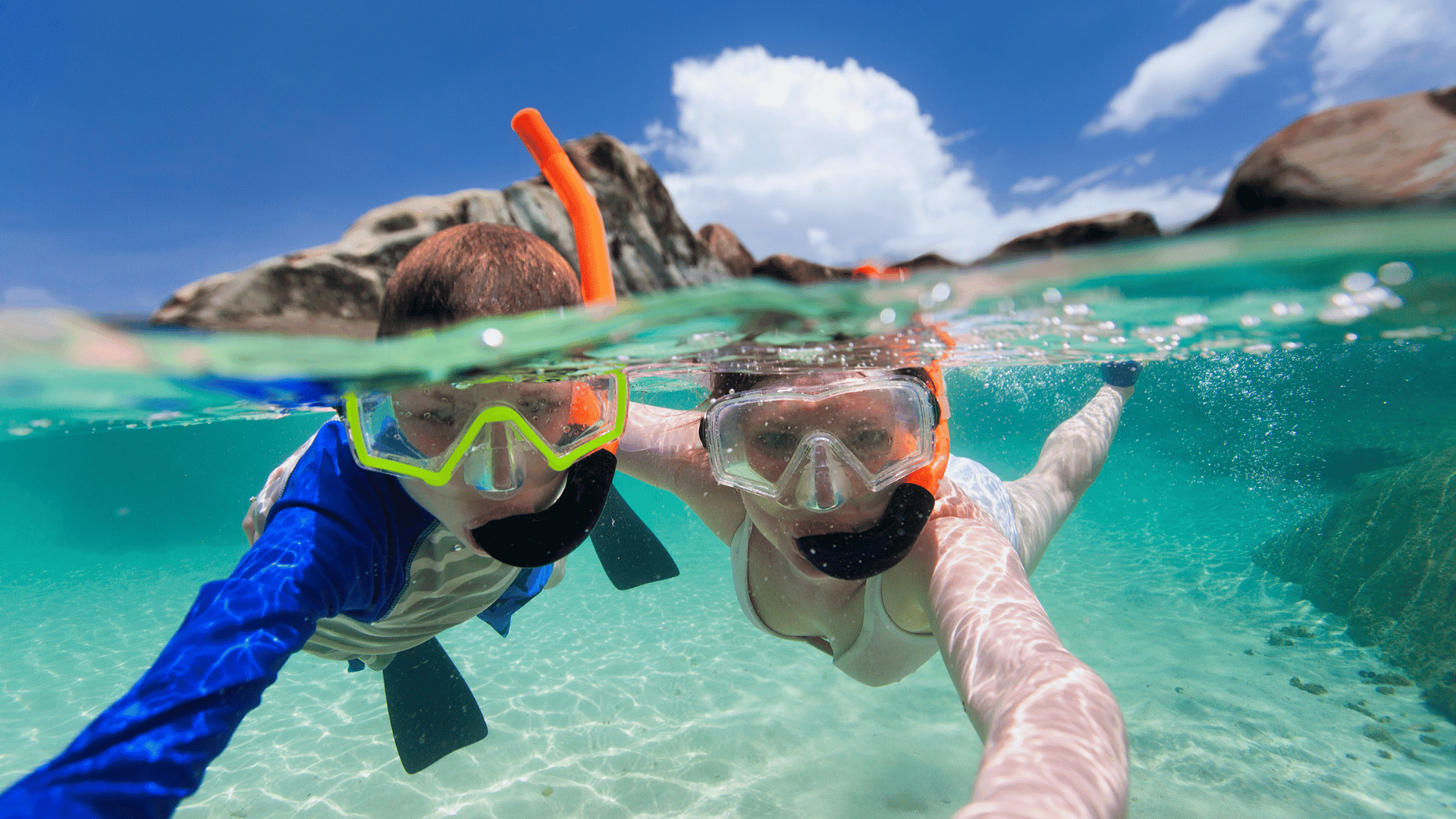
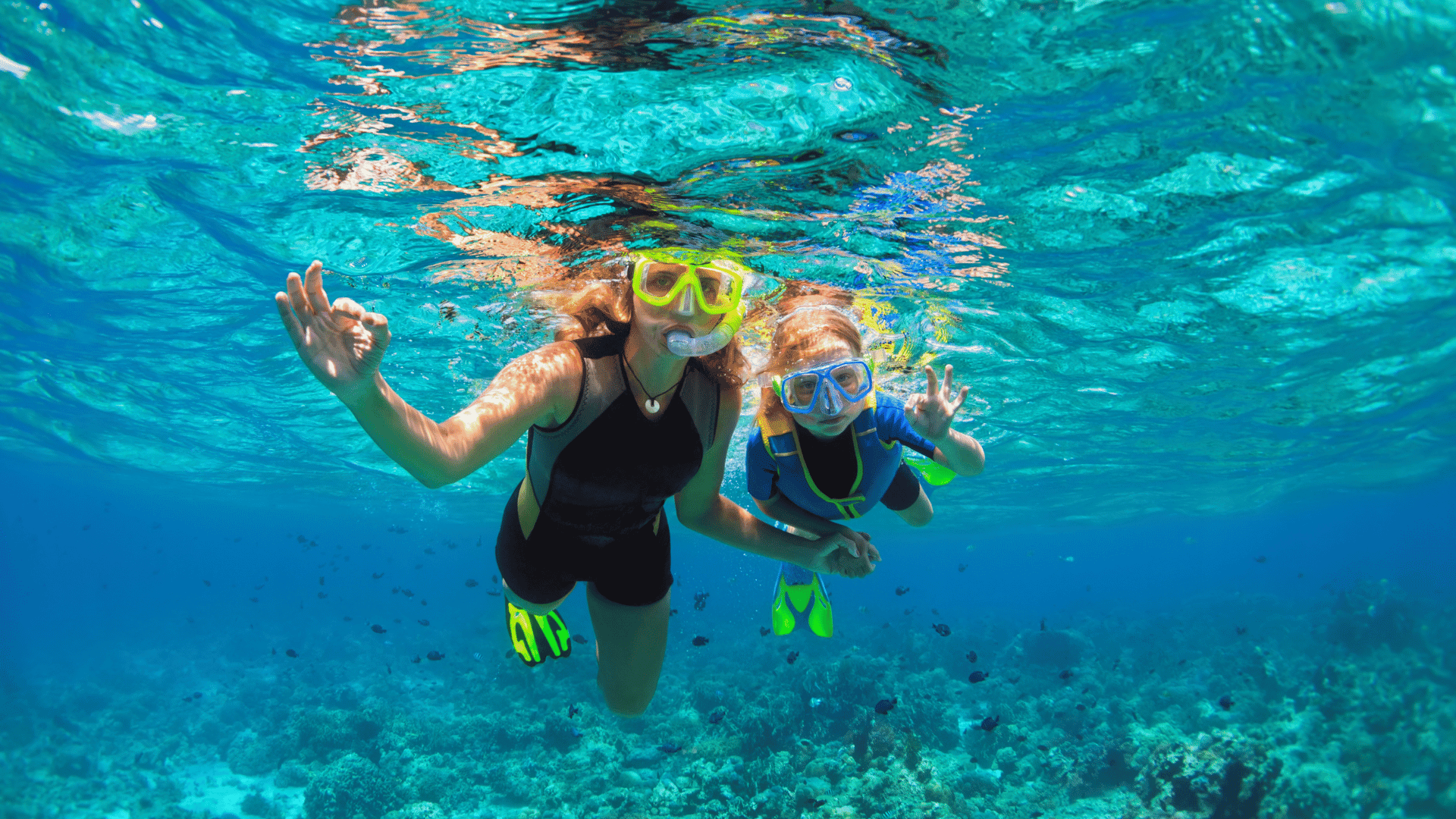
- Guided snorkel transects off Havelock with PADI-affiliated instructors, recording reef species as survey data rather than sightseeing.
- Glass-bottom boats for non-swimmers, working the identical species checklist, so nobody sits the science part out.
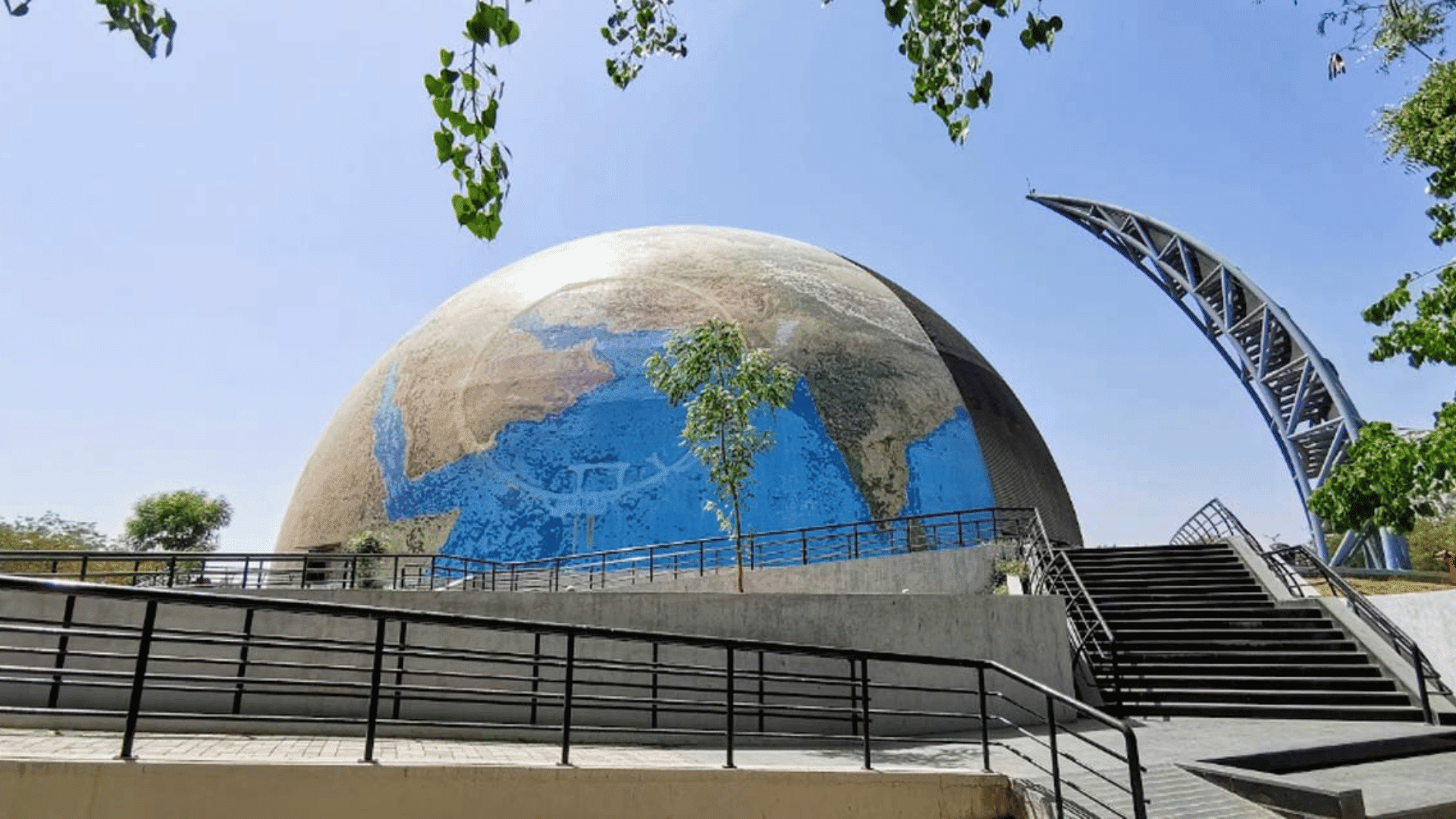
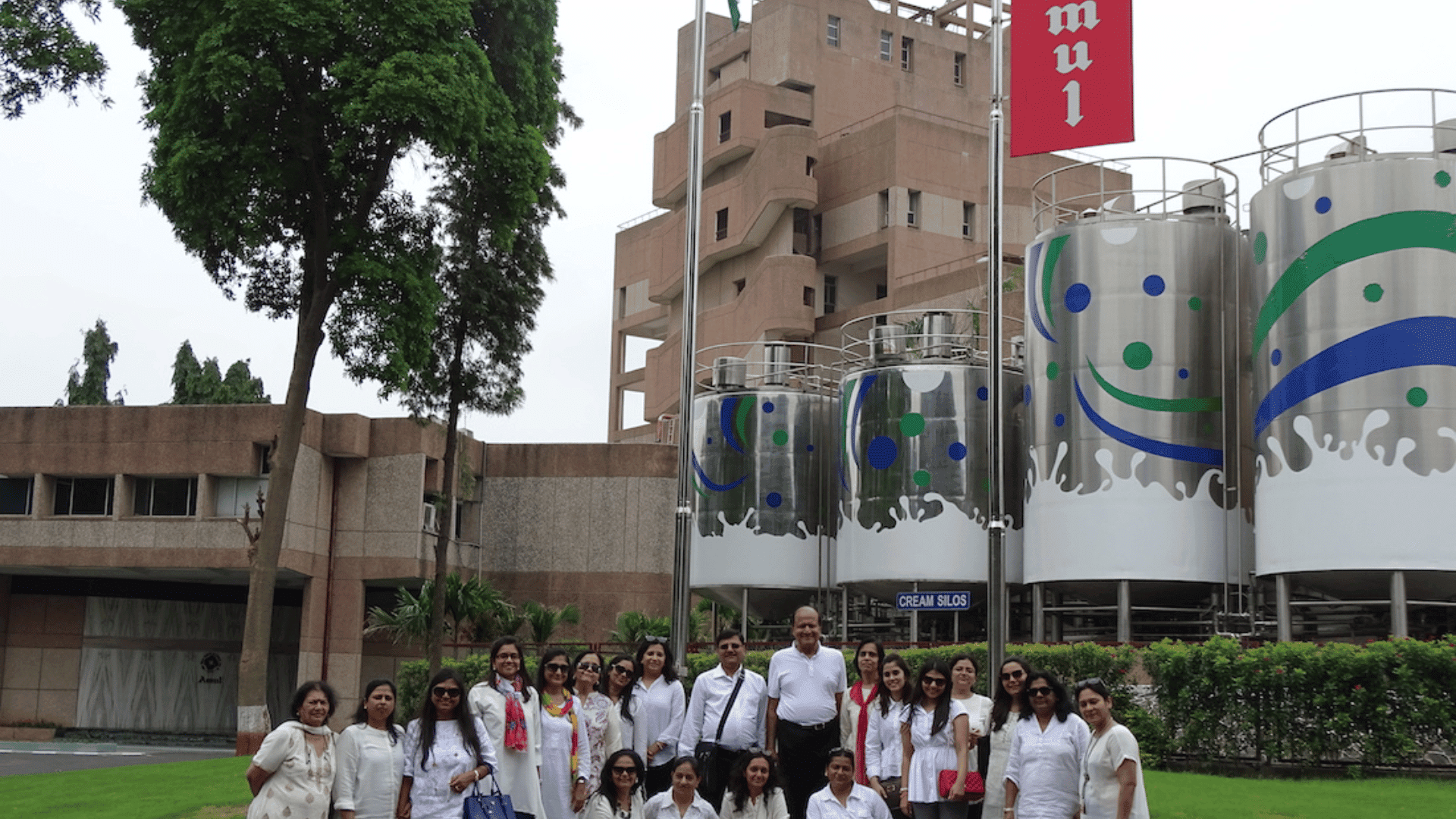
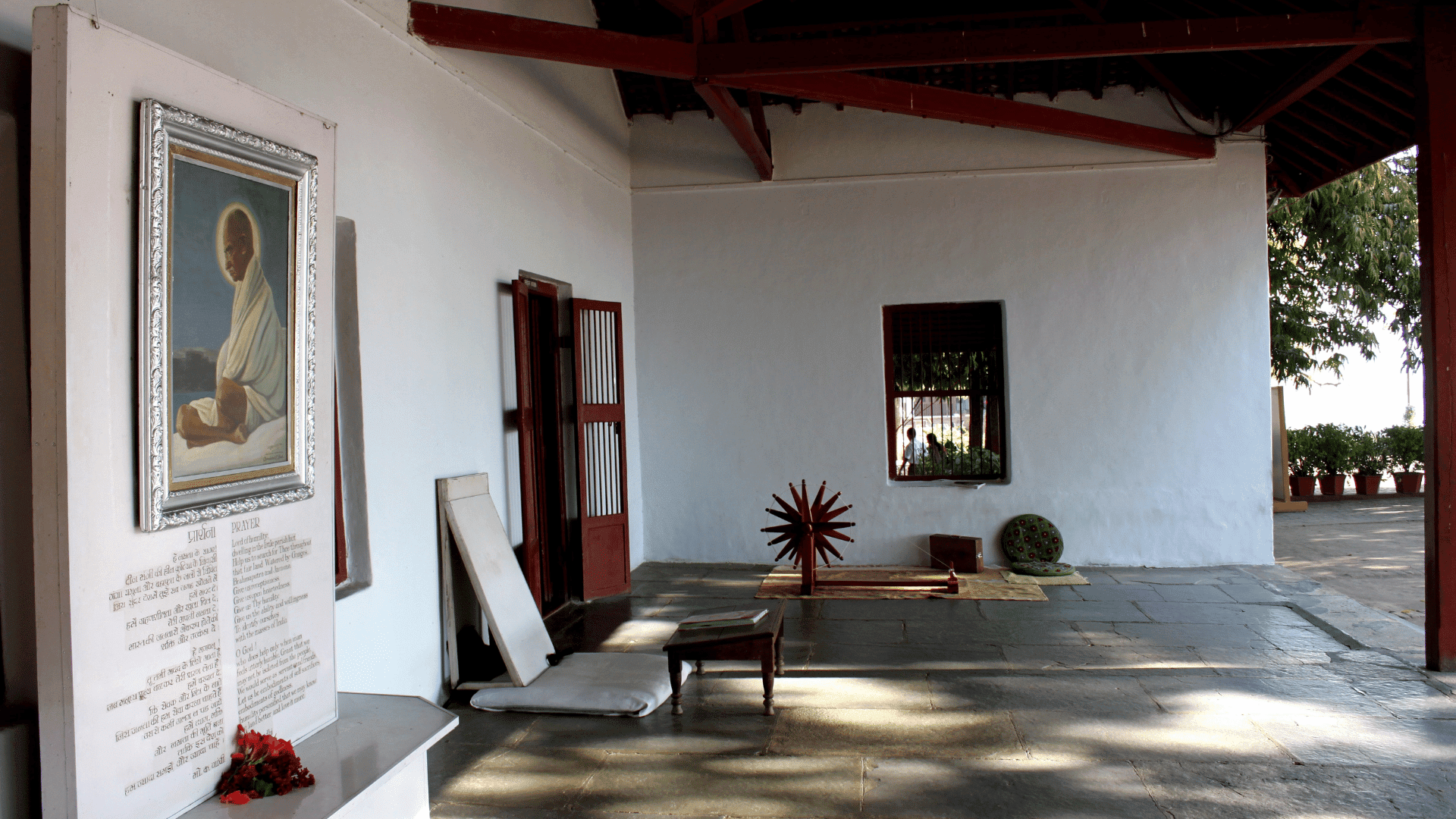
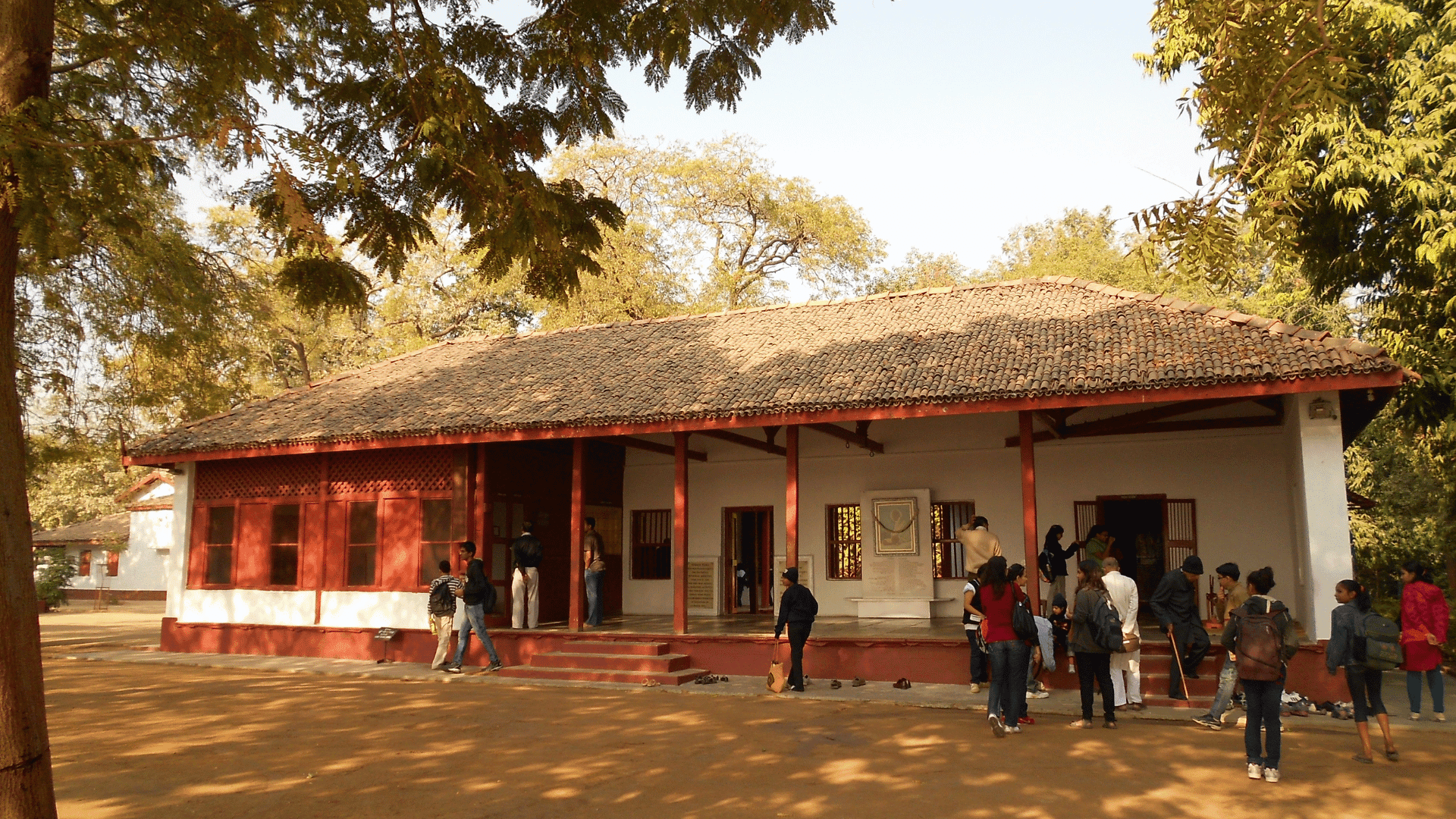
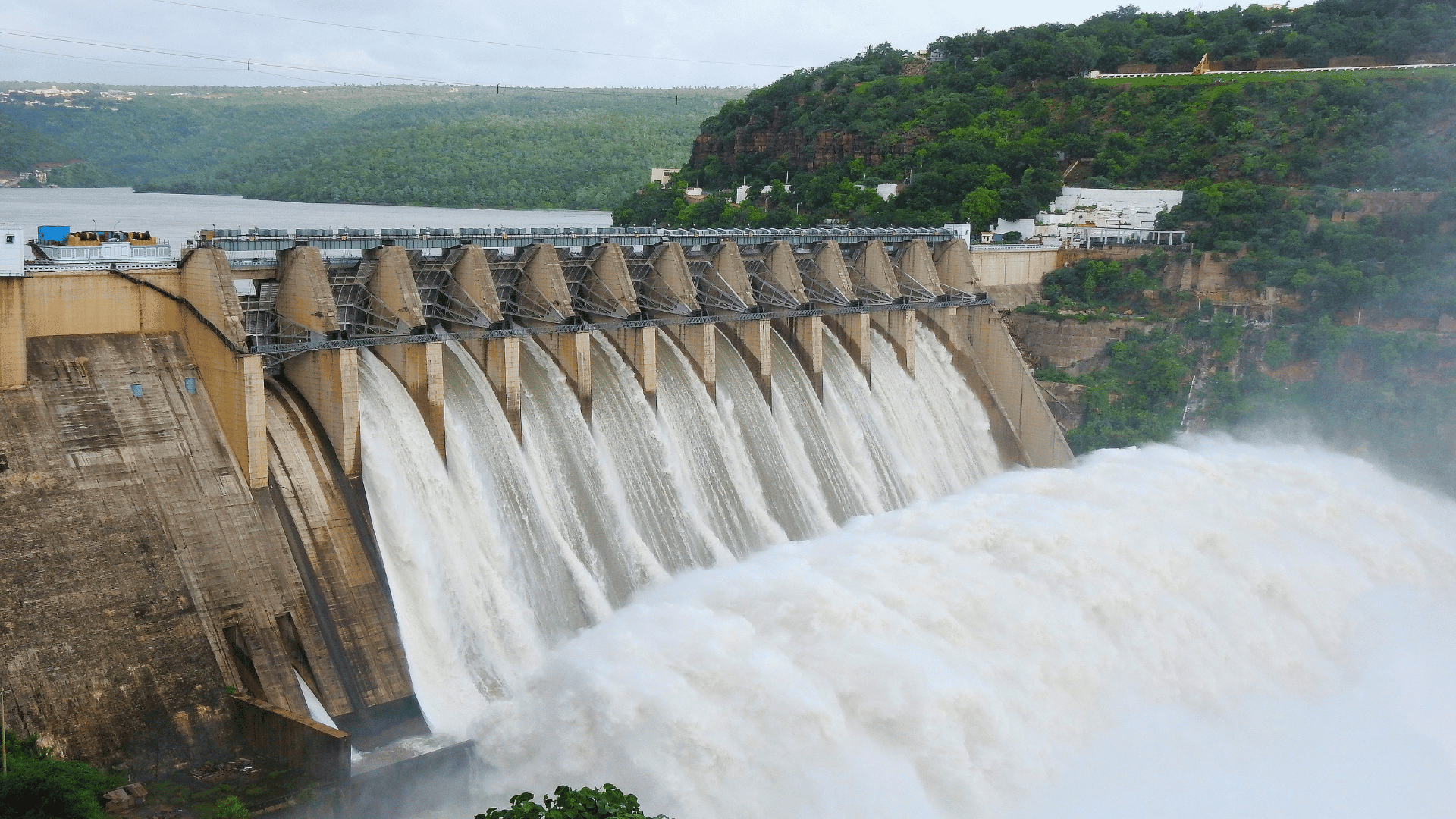
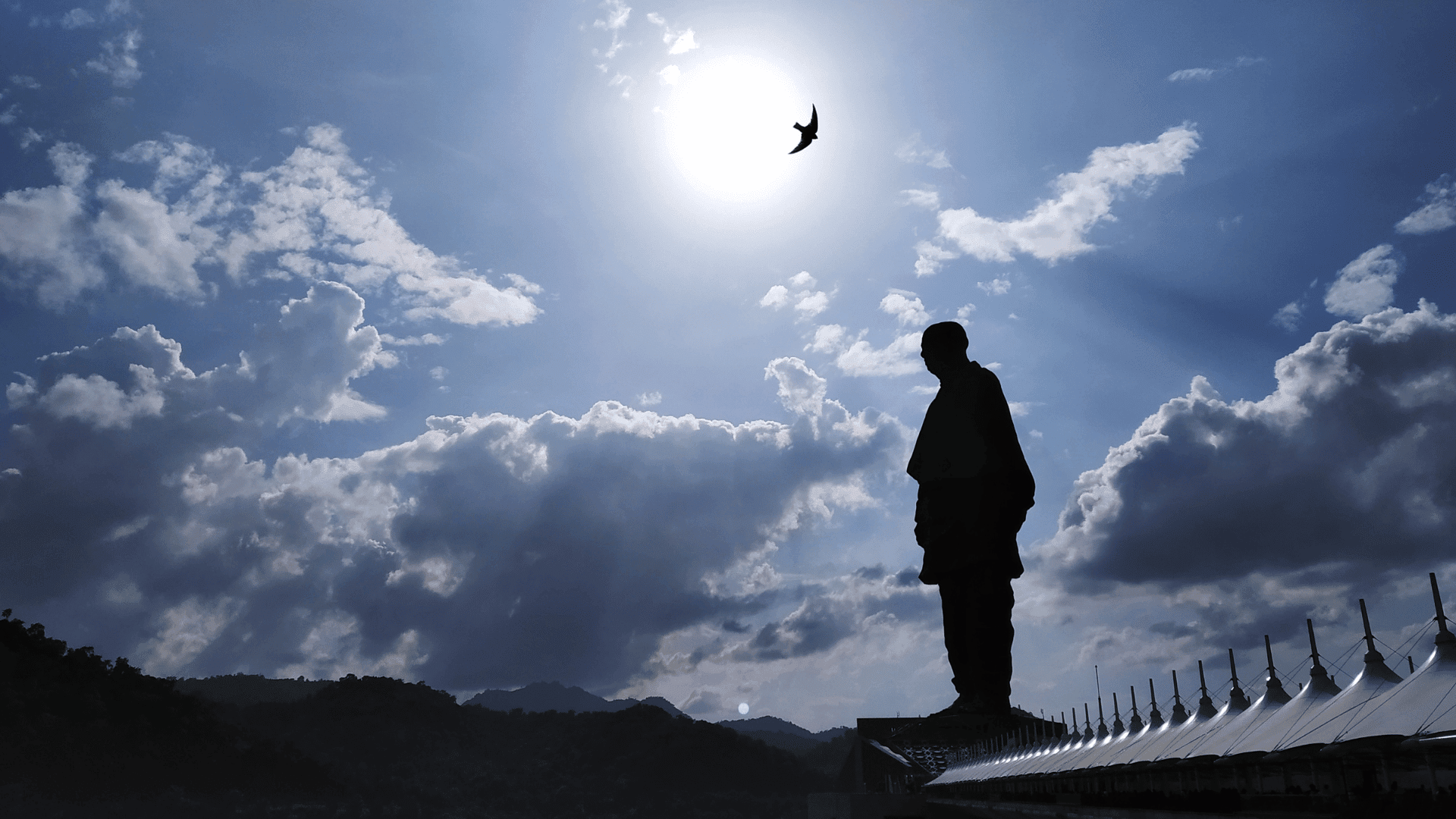
- Gujarat’s four-syllabus winter circuit — Kevadia’s dam, Sabarmati Ashram, the Amul plant at Anand, Ahmedabad Science City.
- A leadership journal marked nightly against a rubric your own faculty writes and signs off before the group departs.
 Switzerland, Ireland & the Andamans
- Classes 7–12
- 7–11 Days
- Custom Group Quote
- Camps & Field Centres
- Teamwork & Outdoor Learning


What students take away
These weeks are engineered to produce a moment with a consequence, followed within hours by a conversation that names what happened. The instructors run the activity; the debrief is where the learning is fixed. Outcomes are written into a rubric before departure so your faculty can mark them, and trustees can see what the trip was for.
- Calibrated risk. On a rope at height, a student learns the difference between a situation that is dangerous and one that only feels dangerous.
- Shared load. A reef survey that one student tries to carry alone comes back with unusable data, which teaches delegation better than any assembly talk.
- Rotated authority. Navigation passes around the group, so quiet students hold the decision at least once and the loudest one has to follow.
- Language for it. The evening debrief gives students the vocabulary to describe what they did, which is what turns an experience into something reusable.
- Syllabus anchoring. The Andaman marine module and the Gujarat circuit both map onto board content, so the week defends itself academically.
How it benefits the student
Classes 7 to 12 all work, though the emphasis shifts. Younger bands get the most out of the Andaman and Gujarat circuits, where the days are shorter and the science is close to the syllabus. Classes 9 to 12 are the right cohort for Switzerland and Ireland, where the leadership content assumes some maturity. Streams matter less than temperament, quieter students often gain the most.
The hard line is the medical declaration. If it flags something, we say no, and we hold that even when the family pushes. Ireland needs its own short-stay visa rather than a Schengen one, which catches schools out. Weather calls stay conservative even when it costs a session, and we do not trade that for a happier itinerary. Groups wanting a purely sightseeing week should look elsewhere.


Everything you
need to know
What are school group learning adventure programmes?

School group learning adventure programmes combine outdoor activities with structured educational experiences. Students learn through teamwork, navigation, leadership, marine activities, ropes courses and guided reflection rather than simply sightseeing.
Which destinations are available for group learning adventures?
What age groups can participate in these adventure programmes?
What do students learn during an adventure learning programme?
Are these group educational tours suitable for schools?
Tell us the class,
we'll build the lab
Tell us the age band, the group size and what your school actually wants out of it — resilience, teamwork, a leadership rubric your faculty can mark. We will propose two or three routes with the honest safety and season picture on each, and work a custom group quote on the call. Trustees get written objectives before anyone commits.