

Journey Highlights
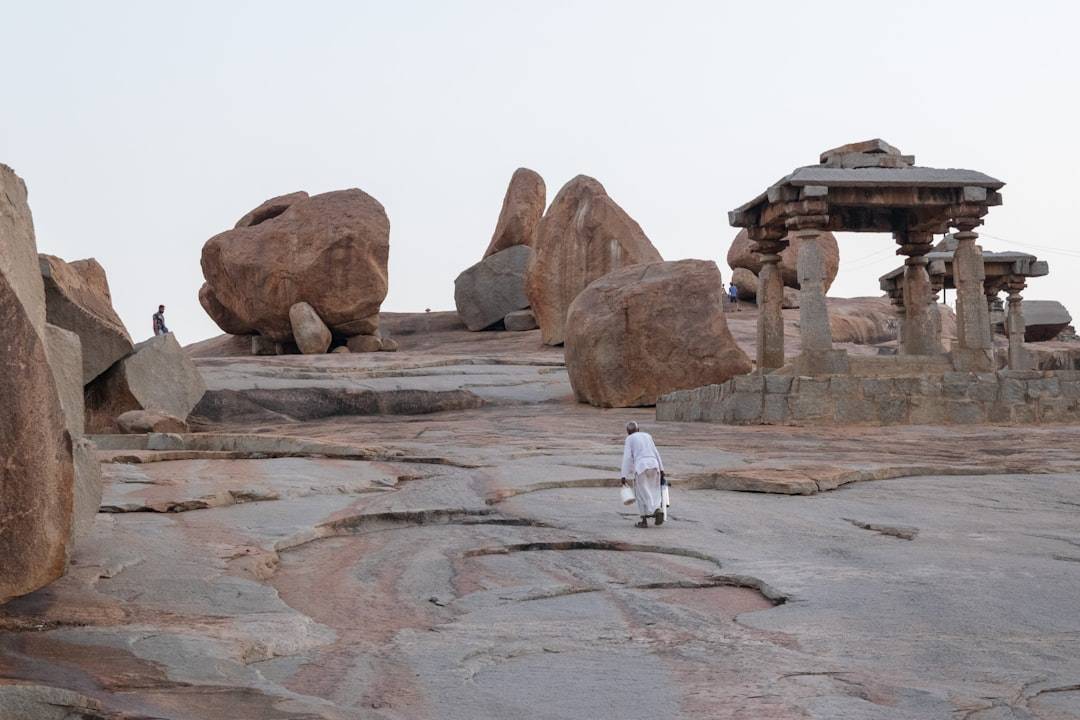
- Climb Matanga Hill before sunrise and watch Hampi’s temples surface from the boulder field below.
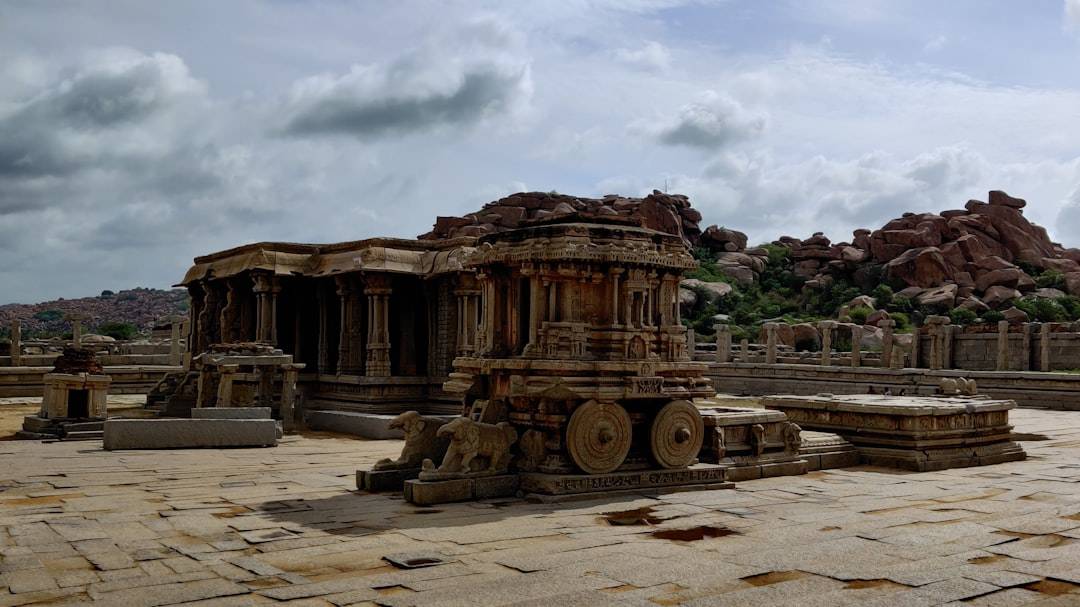
- Stand before the Vittala Temple’s stone chariot and the musical pillars a guide explains but no longer strikes.
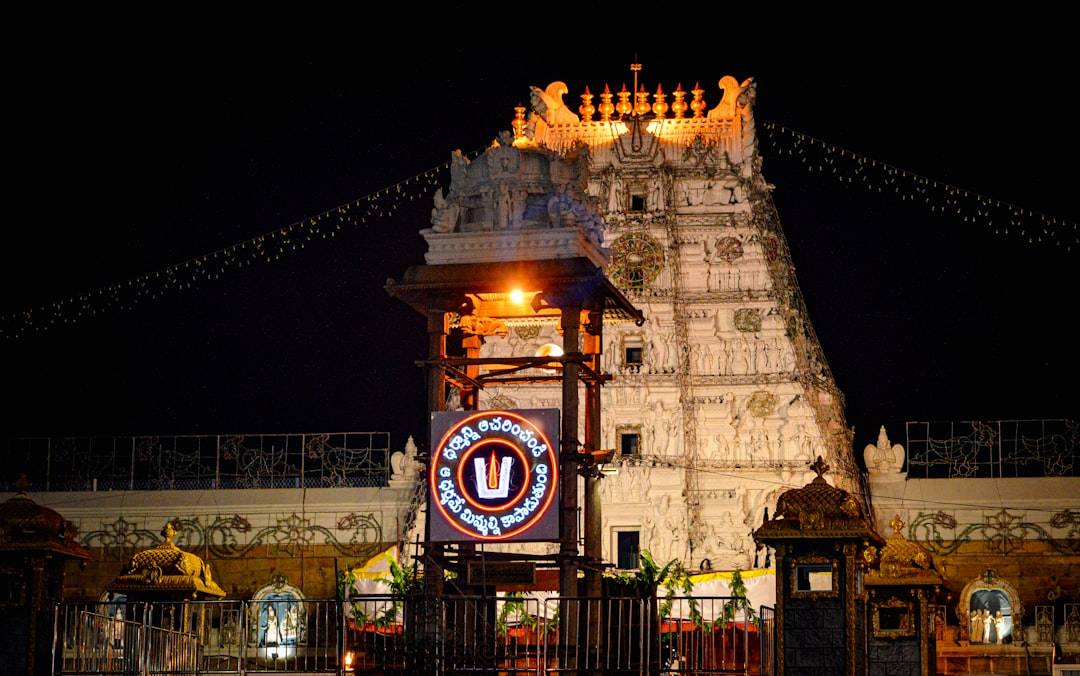
- Morning aarti at Virupaksha, the one temple still living after the city around it fell in 1565.
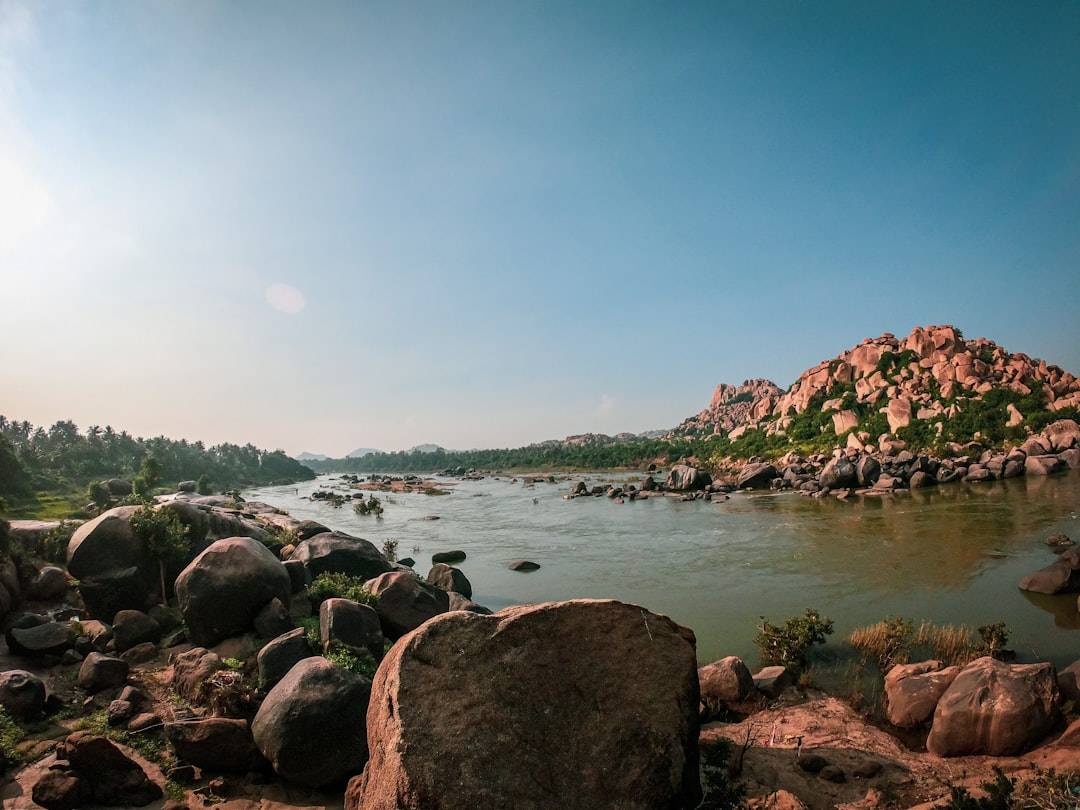
- Cross the Tungabhadra in a spinning coracle, the same craft the empire’s traders used.
- The Royal Enclosure at golden hour — Lotus Mahal, elephant stables, and stepwells cut like origami.
- Drive to Badami and climb into four cave temples carved straight into red sandstone in the 6th century.
- Finish at Pattadakal and Aihole, where you watch Indian temple architecture learn to walk.
 Hampi, Badami, Pattadakal
- 4 Nights / 5 Days


Experience Overview
Four nights among the two great rockscapes of the Deccan. Hampi gets three — the ruins of Vijayanagara, once among the largest cities on earth, deserve more than the day-trip they usually receive. Then a half-day drive west to Badami, where the Chalukyas carved their gods into a sandstone gorge nine centuries earlier.
Hampi days follow the light: Matanga Hill or Hemakuta at sunrise, the Vittala complex and Royal Enclosure with a guide who can rebuild the city in your head, coracle crossings and riverside lazing at noon when the granite bakes. Badami brings the four cave temples, Agastya lake’s ghats, and the UNESCO-listed experiments at Pattadakal and Aihole.
The landscape does half the storytelling — a river running green through billions of honey-coloured boulders, banana plantations filling the gaps between collapsed bazaars. Hampi village is tiny and vehicle-light; evenings mean temple bells and generator hum. Badami is dustier, redder and rawer, a working town beneath its cliff of caves.
Some moments are built for lingering: the 6.15 am moment on Matanga when the Virupaksha gopuram catches first light; Lakshmi the temple elephant taking her morning walk to the river; and cave three at Badami near closing, Vishnu on the serpent lit gold while swifts wheel outside.
Built for history lovers, photographers, and anyone whose idea of a holiday includes scrambling on warm granite. Not for luxury-dependent travellers — Hampi’s best stays are boutique rather than five-star — nor for peak-summer visitors; from March the boulders hold heat like an oven and sightseeing shrinks to mornings.
Everything you
need to know
How many days does Hampi actually need?

Two full days minimum, three to do it justice — the site spreads over 25-odd square kilometres, and the magic is in unhurried corners, not the headline monuments alone. Day-trippers from Goa or Bengaluru see the chariot, tick the box, and miss the sunrise hills entirely.
How do we get there, and are the roads manageable?
What does this journey cost per person?
Ready to Photograph
Hampi & Badami
Picture the stone chariot at Vittala Temple caught in early light with no one around and boulder hills behind, sunrise breaking over Matanga Hill as gopurams and palm groves emerge from blue shadow, a round coracle mid-spin on the green Tungabhadra with boulders doubled in the water, Badami’s cave temples glowing red at dusk above the tank with pillars in silhouette, and a guide’s hand tracing carved musical pillars as shafts of light cut through the colonnade.