

Journey Highlights
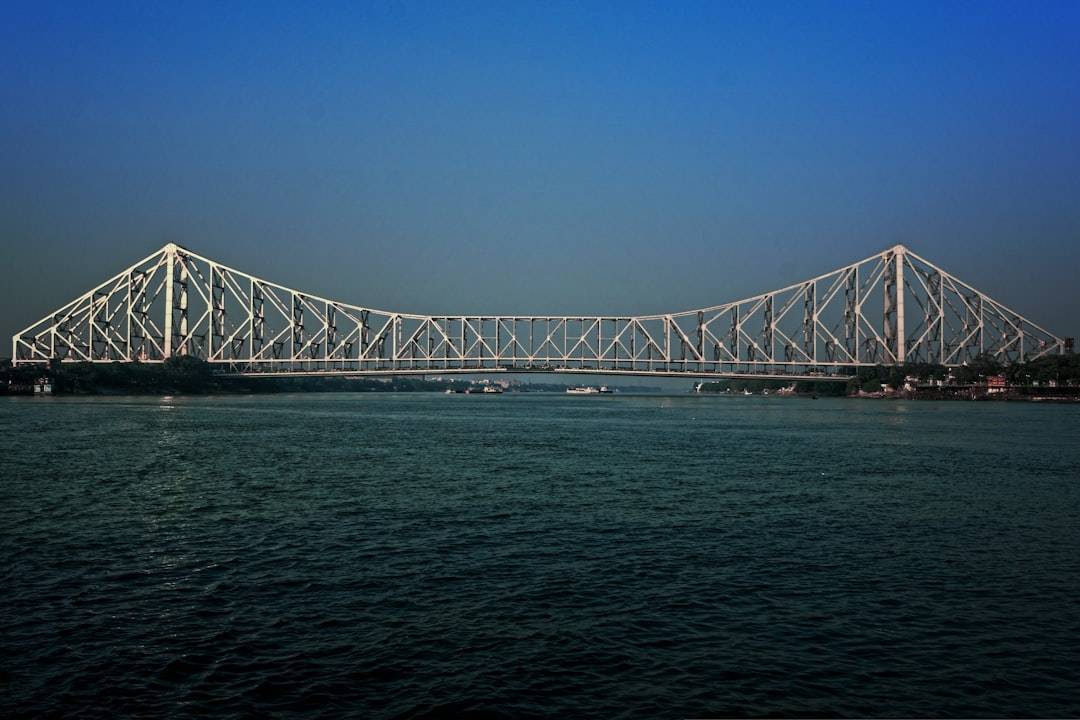
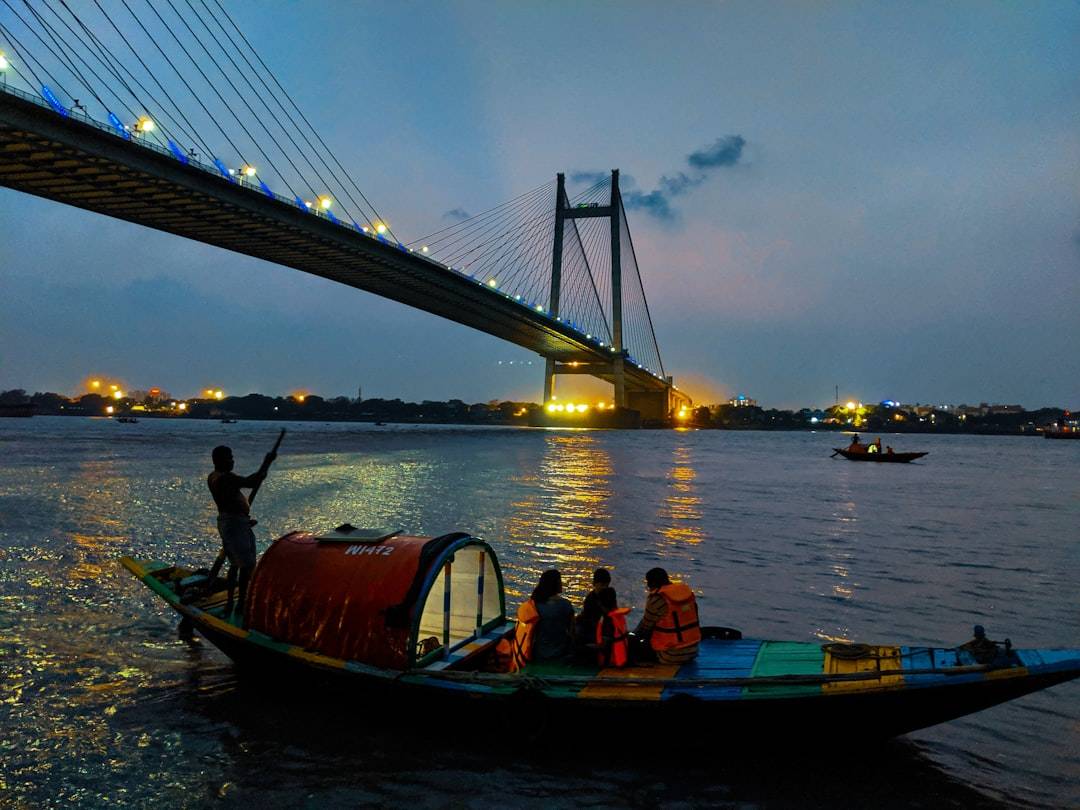
- Reach Mullick Ghat flower market before 7 am, marigold bales moving under Howrah Bridge’s steel.
- Watch Kumartuli’s sculptors build goddesses from Hooghly clay and straw, whatever the season.
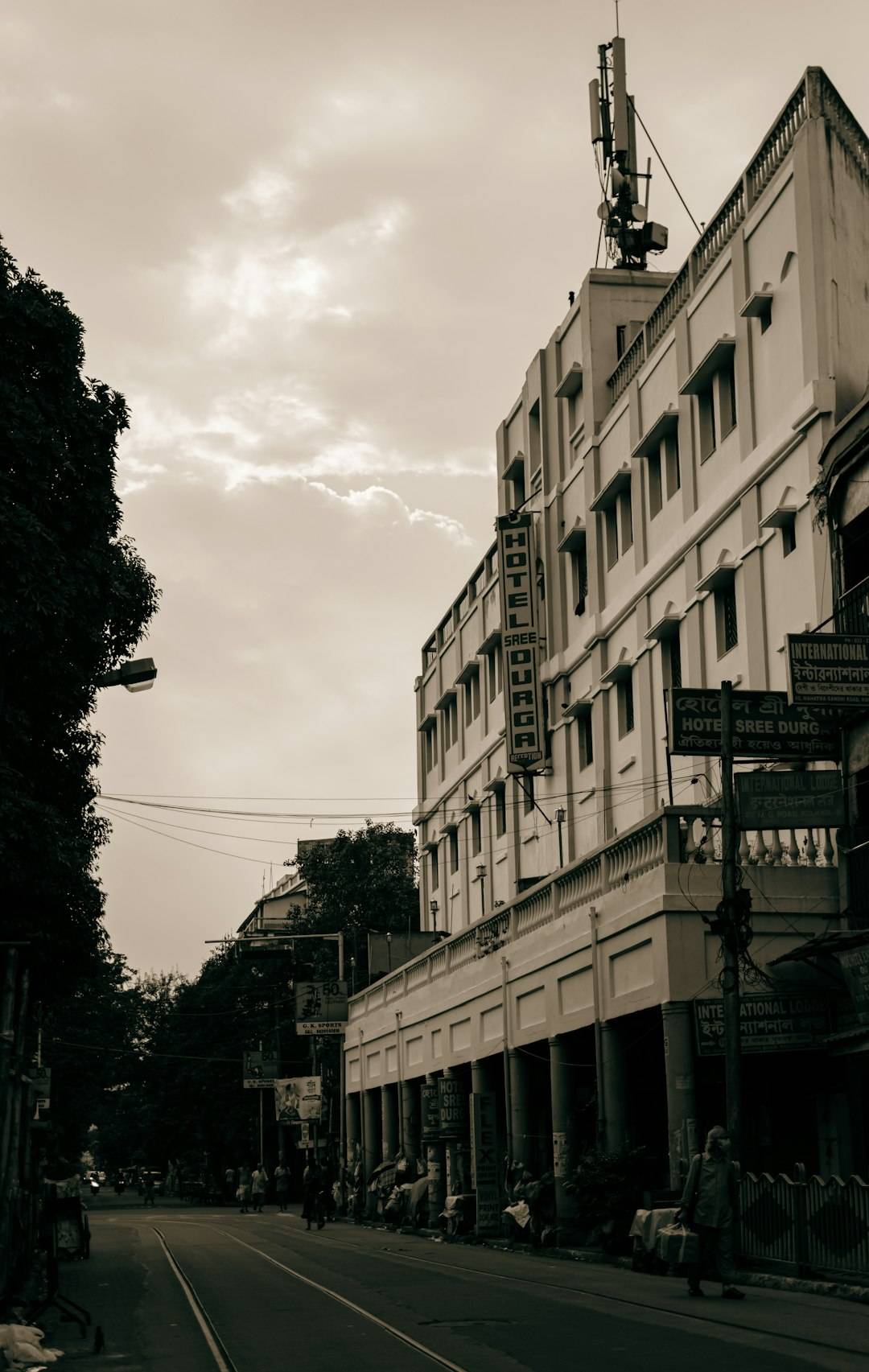
- An adda over coffee at College Street’s Indian Coffee House, then browsing the second-hand book stalls.
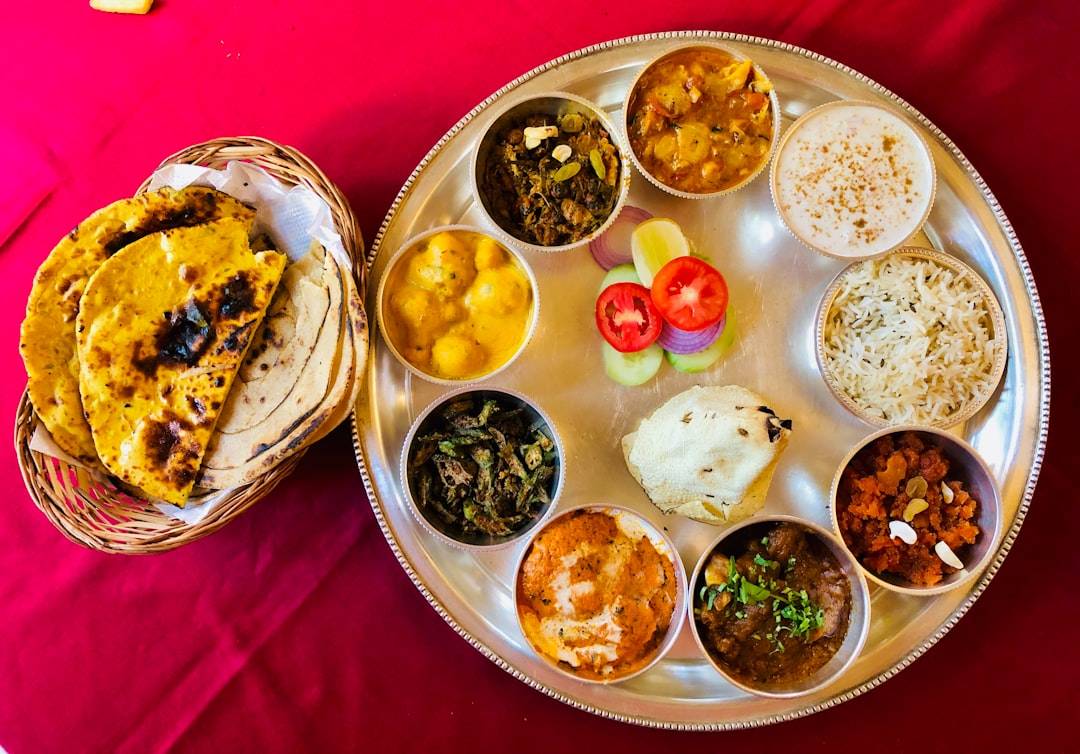
- Dinner the Bengali way — kosha mangsho, luchi, and a mishti doi you’ll argue about later.
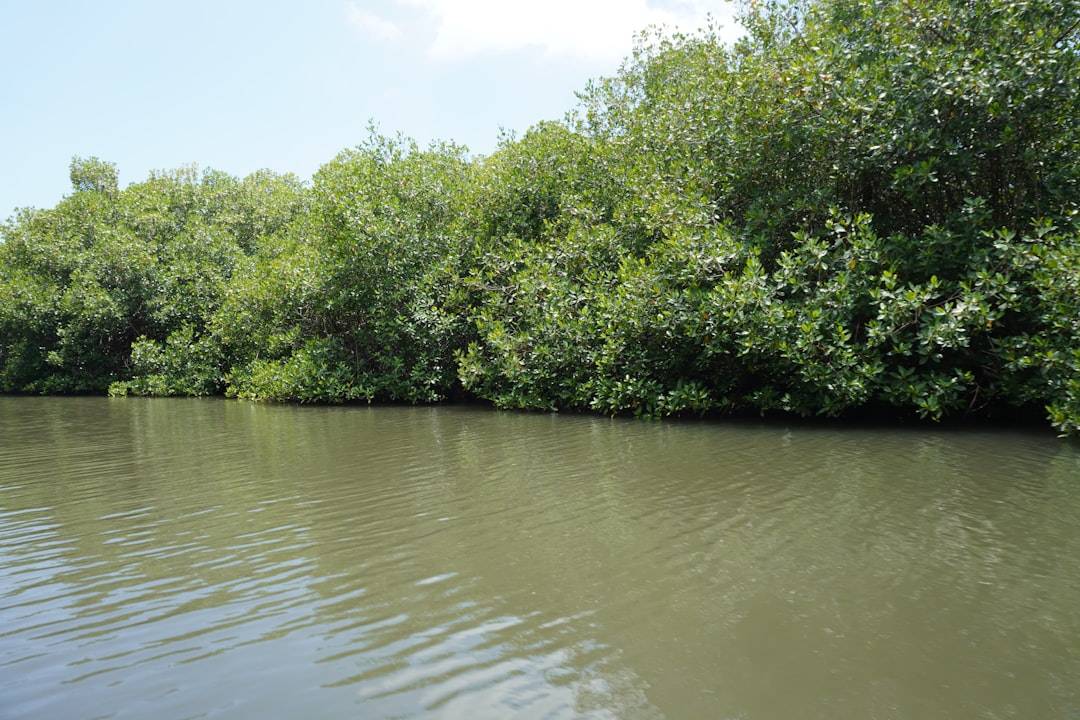
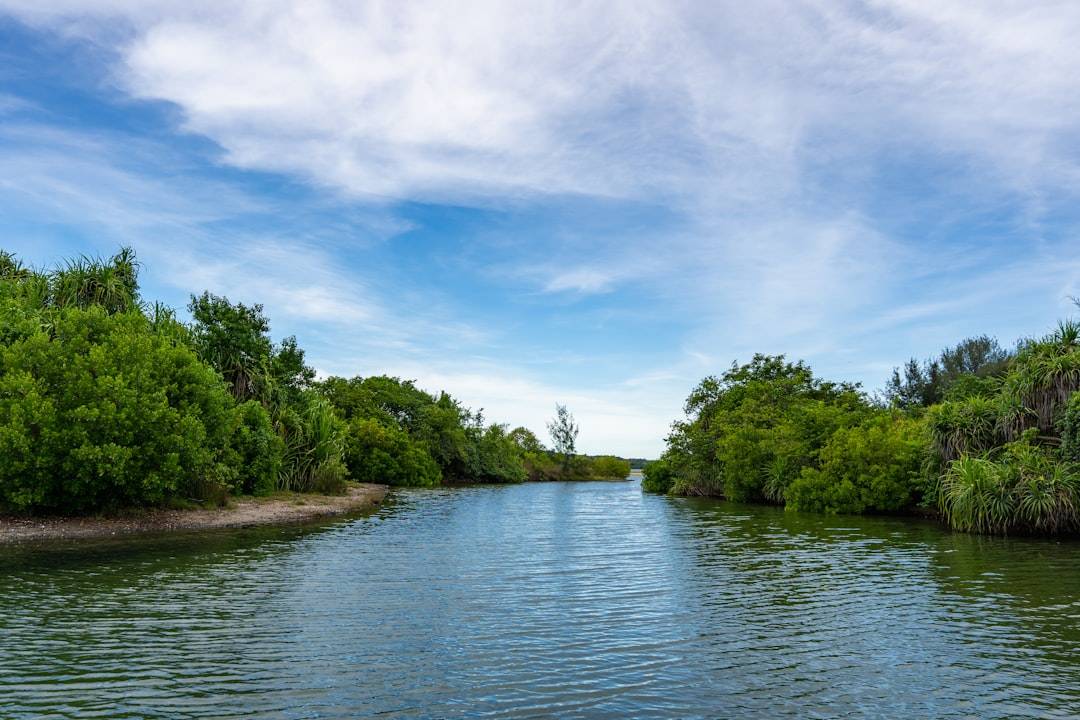
- Cruise the Sundarbans’ channels on a private boat, the world’s largest mangrove closing in on both banks.
- Scan the mudbanks from Sajnekhali and Dobanki’s canopy walk — kingfishers, crocodiles, and if luck runs hot, a tiger.
- Tea on deck at anchor as the tide turns, the forest going loud with birds at dusk.
 Kolkata, Sundarbans
- 5 Nights / 6 Days


Experience Overview
Five nights in two Bengals. First, three in Kolkata — a city that reads more, argues better and eats sweeter than anywhere else in India. Then a three-hour drive south to the jetty, and two nights afloat or lodge-based in the Sundarbans, where the land dissolves into tidal channels and the forest keeps its own rules.
Kolkata days are walked: the flower market at dawn, Kumartuli’s idol workshops, College Street’s books, the Victoria Memorial’s marble, an evening on the last tram route or the Hooghly by boat. Then Godkhali jetty and the delta — slow cruising, watchtower halts at Sajnekhali and Dobanki, village walks where the embankment allows.
The contrast is the design. Kolkata is dense, verbal, nostalgic — yellow taxis, crumbling North Kolkata mansions, sweet shops with marble counters. The Sundarbans is the opposite: horizontal, silent, tide-ruled. Twice a day the water rises metres and redraws the map. Hental palms and sundari trees stand in salt; everything watches everything.
Some moments are built for lingering: the first hilsa, if you come in season, steamed in mustard; a potter’s thumb giving Durga her eyes in Kumartuli; and the moment on deck when the boatman cuts the engine because something moved on the mudbank, and forty seconds pass before anyone breathes.
Built for readers, eaters, birders and travellers who prefer texture to spectacle. Not for those who need a tiger guaranteed — the Sundarbans almost never shows its tigers, and we say so upfront — nor for anyone allergic to humidity, slow boats or a city that is gloriously, unapologetically worn.
Everything you
need to know
Will we see a tiger in the Sundarbans?

Almost certainly not, and we'd rather you know now. Sightings here are rare events even for forest staff — the draw is the ecosystem: crocodiles, otters, eight kinds of kingfisher, and the strange tension of a forest where the tiger sees you. Go to Kanha or Bandhavgarh for stripes.
Boat or lodge in the Sundarbans — which is better?
What does this journey cost per person?
Ready to Photograph
Kolkata & the Sundarbans
Picture marigold bales and wet stone at Mullick Ghat flower market with Howrah Bridge looming above; a half-finished clay Durga in a Kumartuli workshop, straw core showing as light falls through the slats; a small white boat alone in a wide Sundarbans channel, mangrove walls on both banks; a mudskipper-tracked bank at low tide with a watchtower on stilts in the distance; and steam rising from clay cups of chai on the boat’s deck rail at dawn, grey-gold water behind.