

Journey Highlights
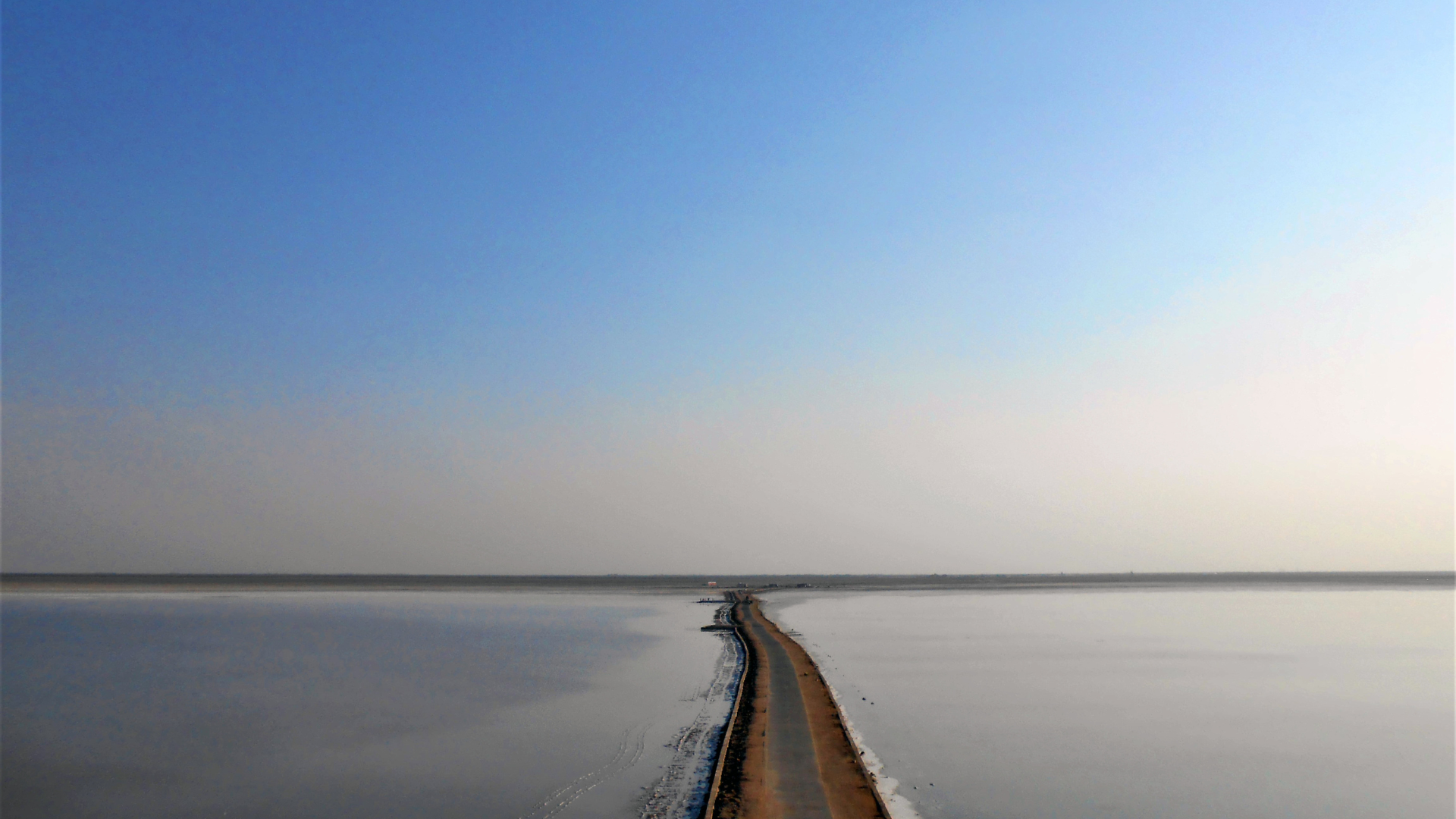
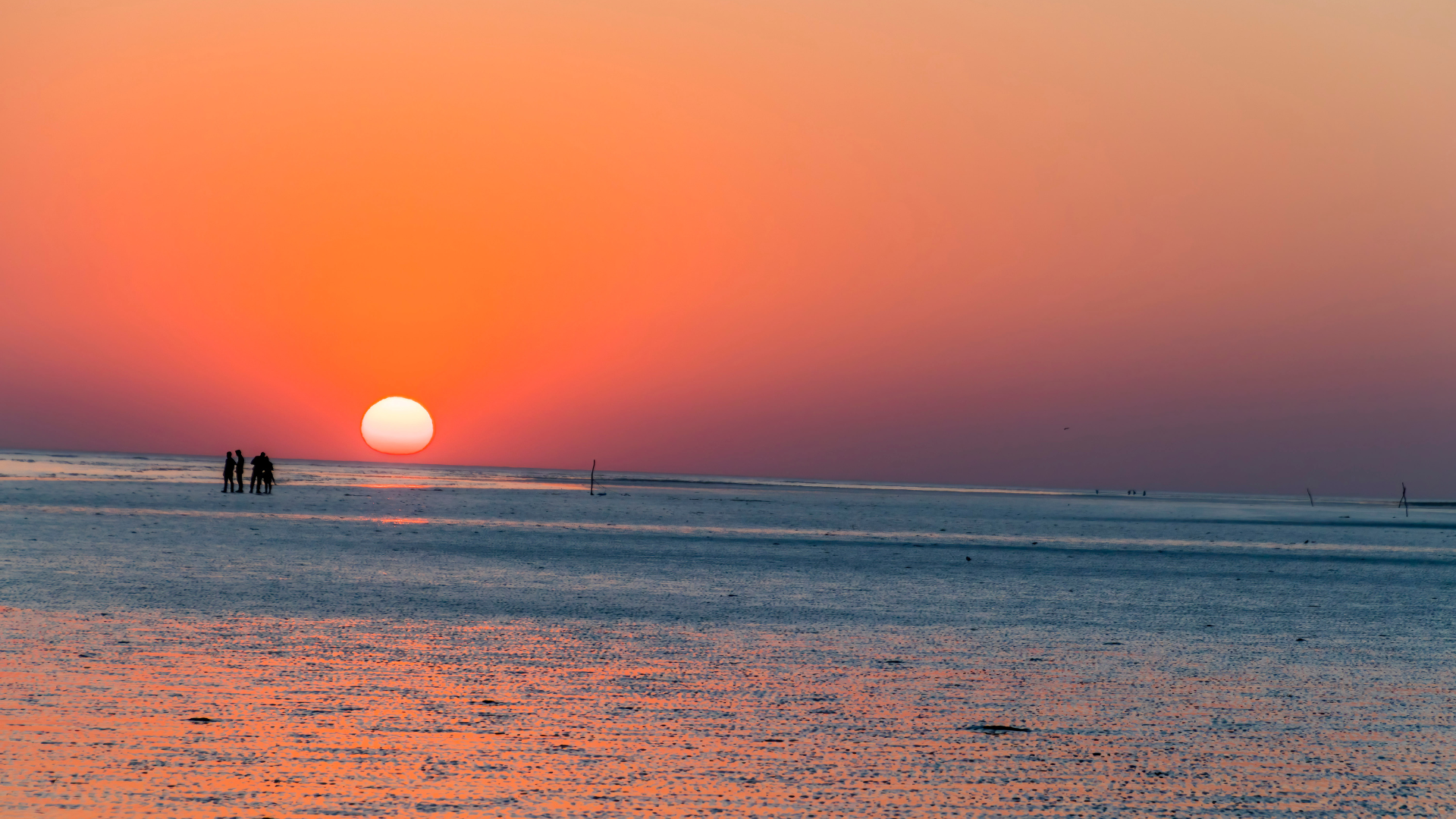
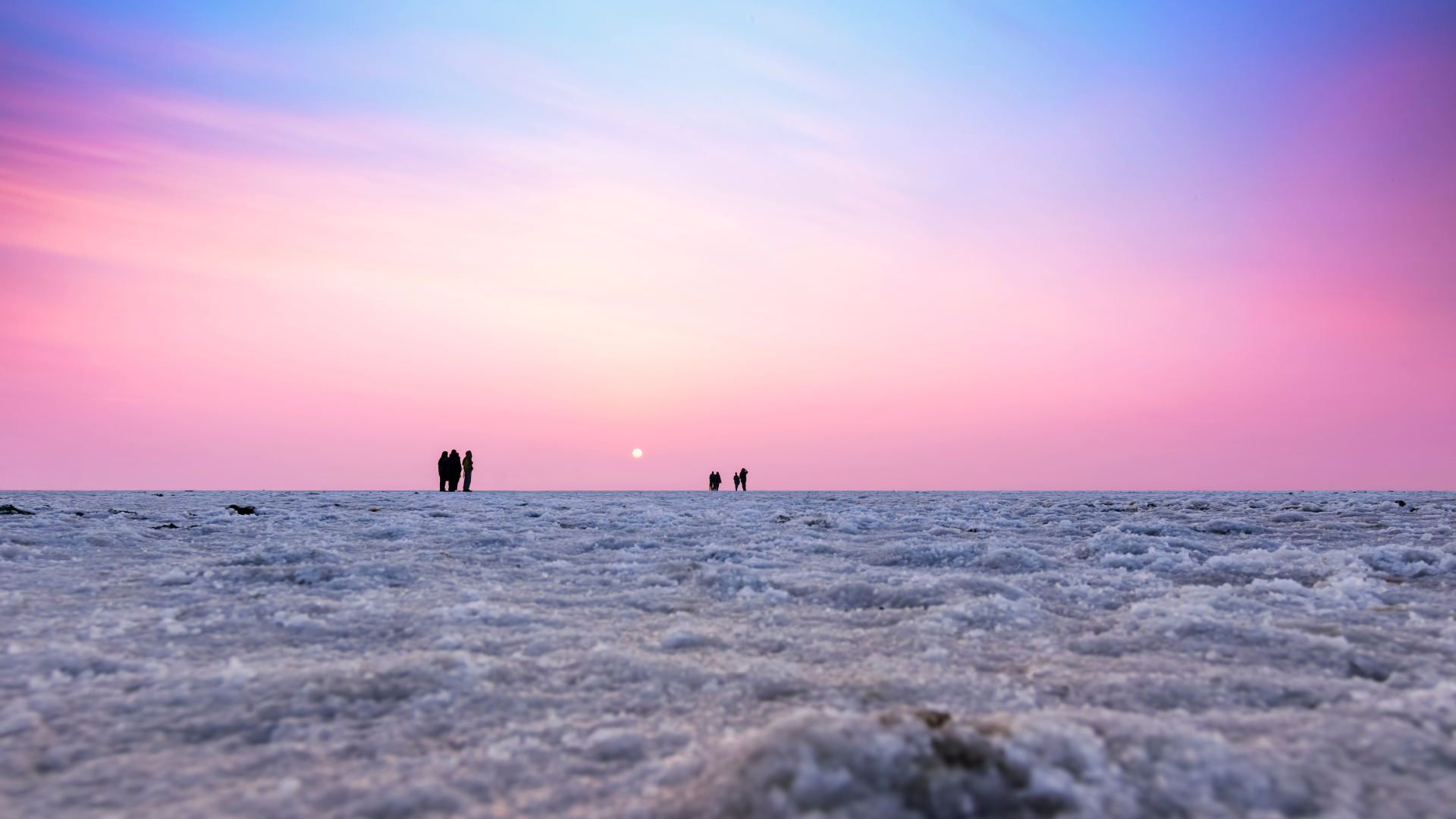
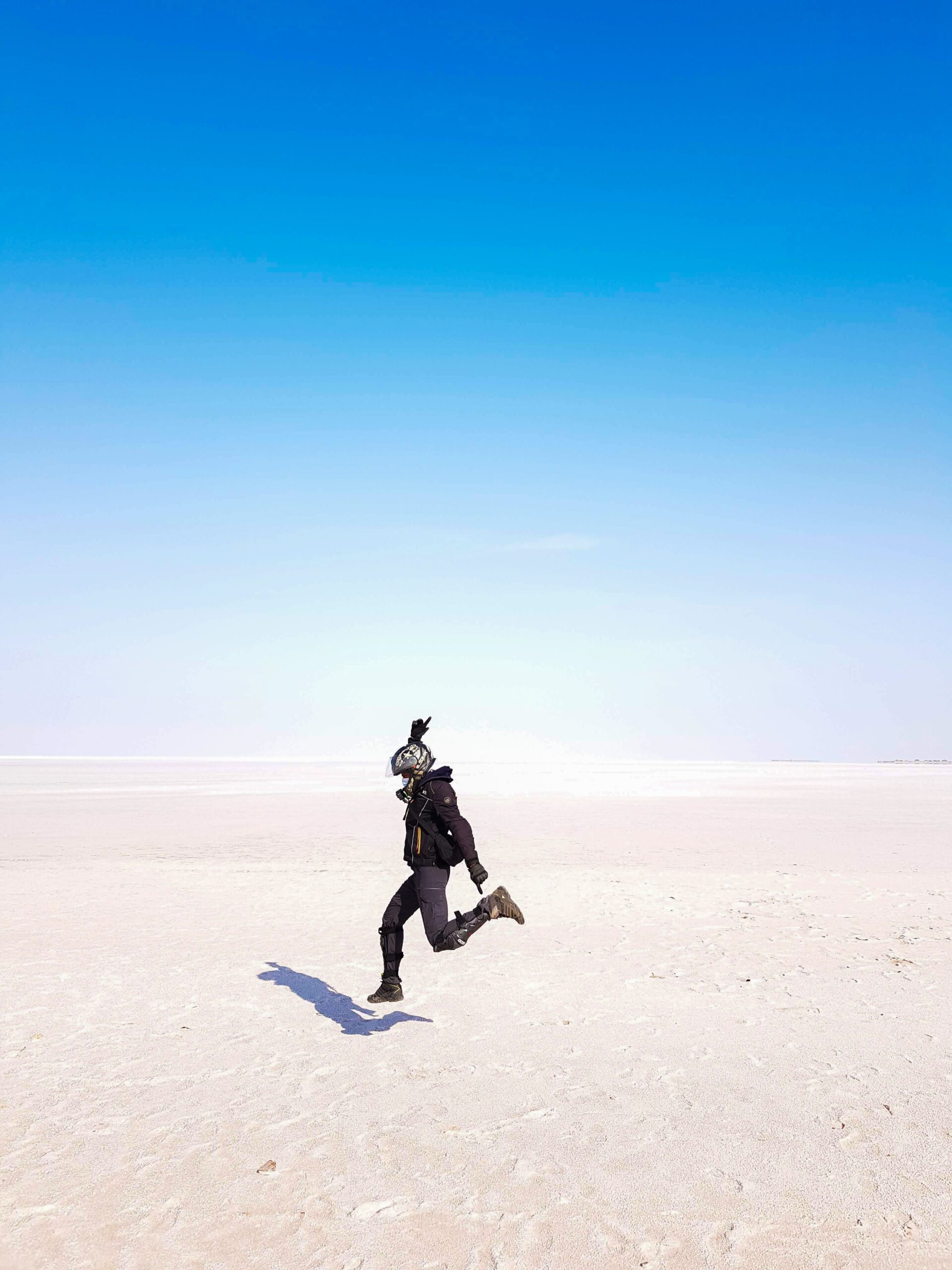
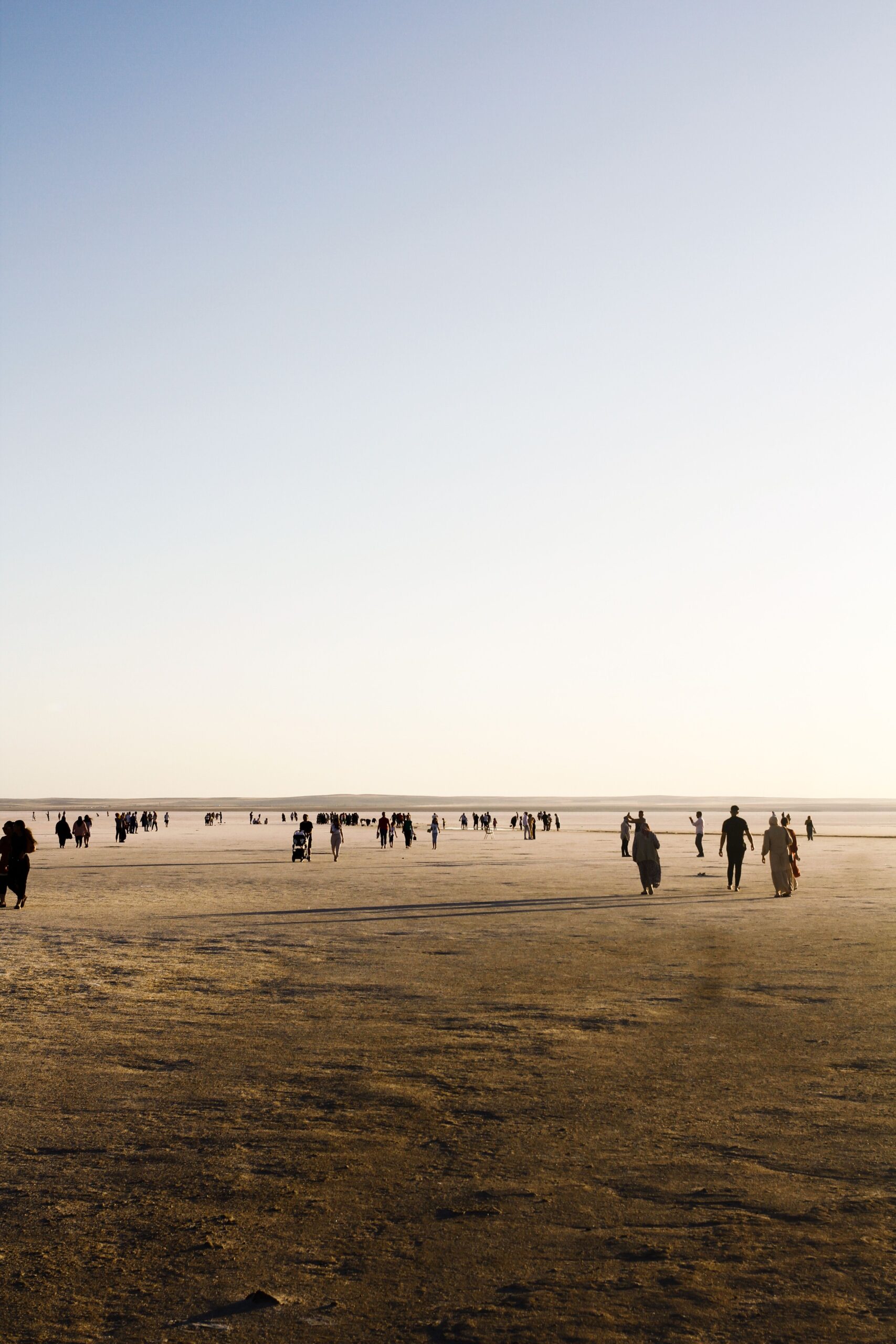
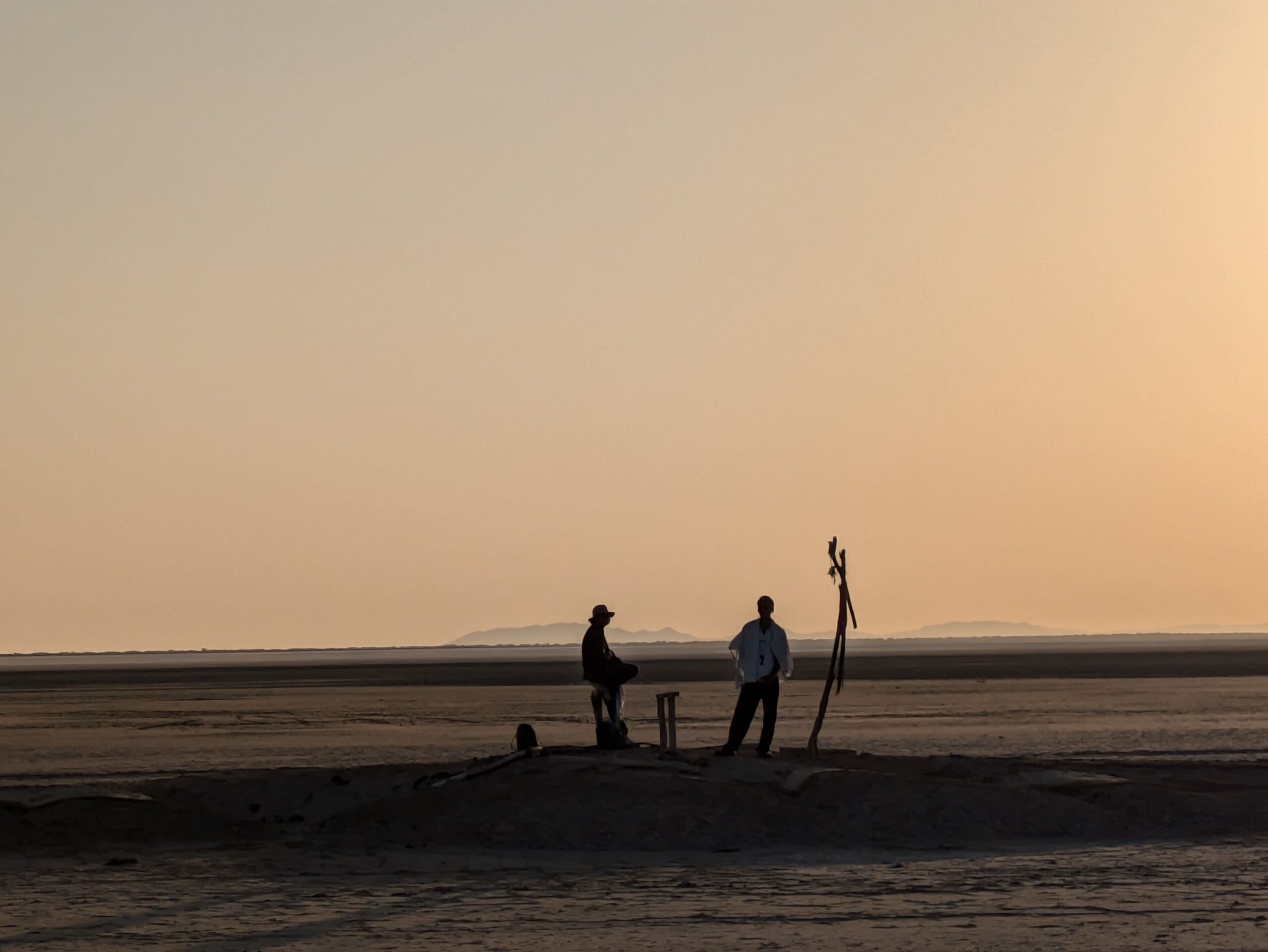
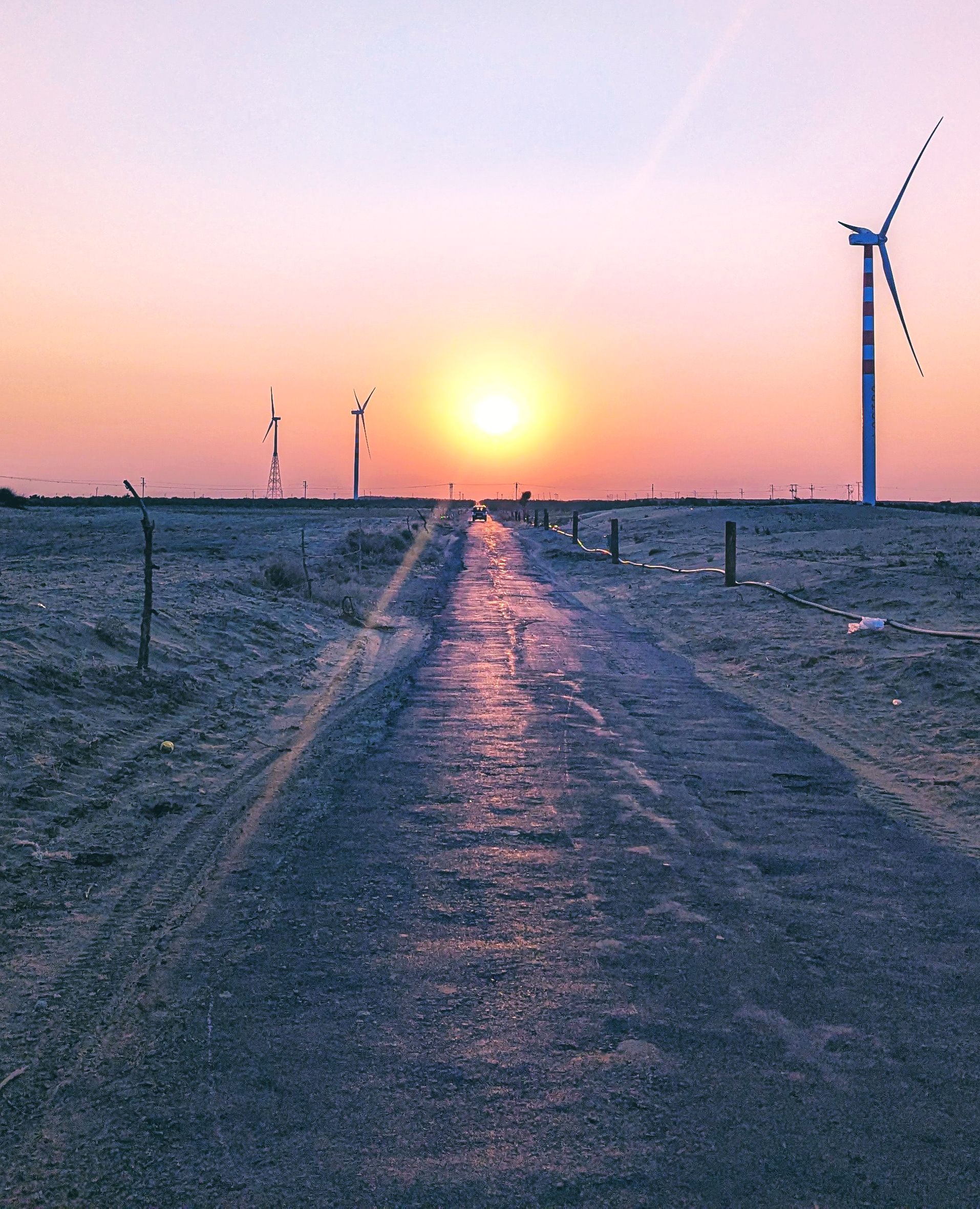
- Walk out onto the Great Rann at dusk, white salt to every horizon, cracking softly underfoot.
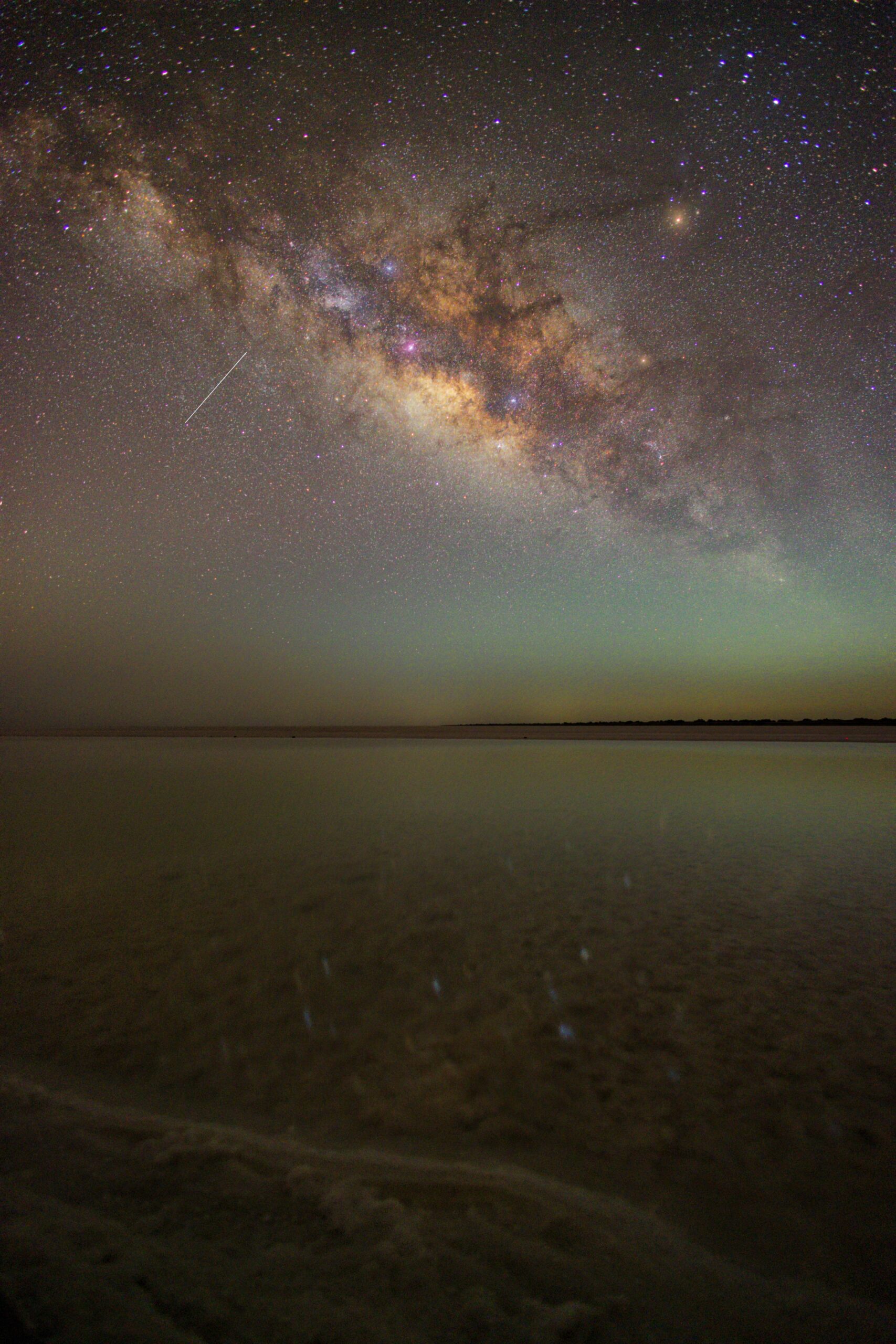
- Time your visit to a full moon, when the salt flats glow and shadows stretch for miles.
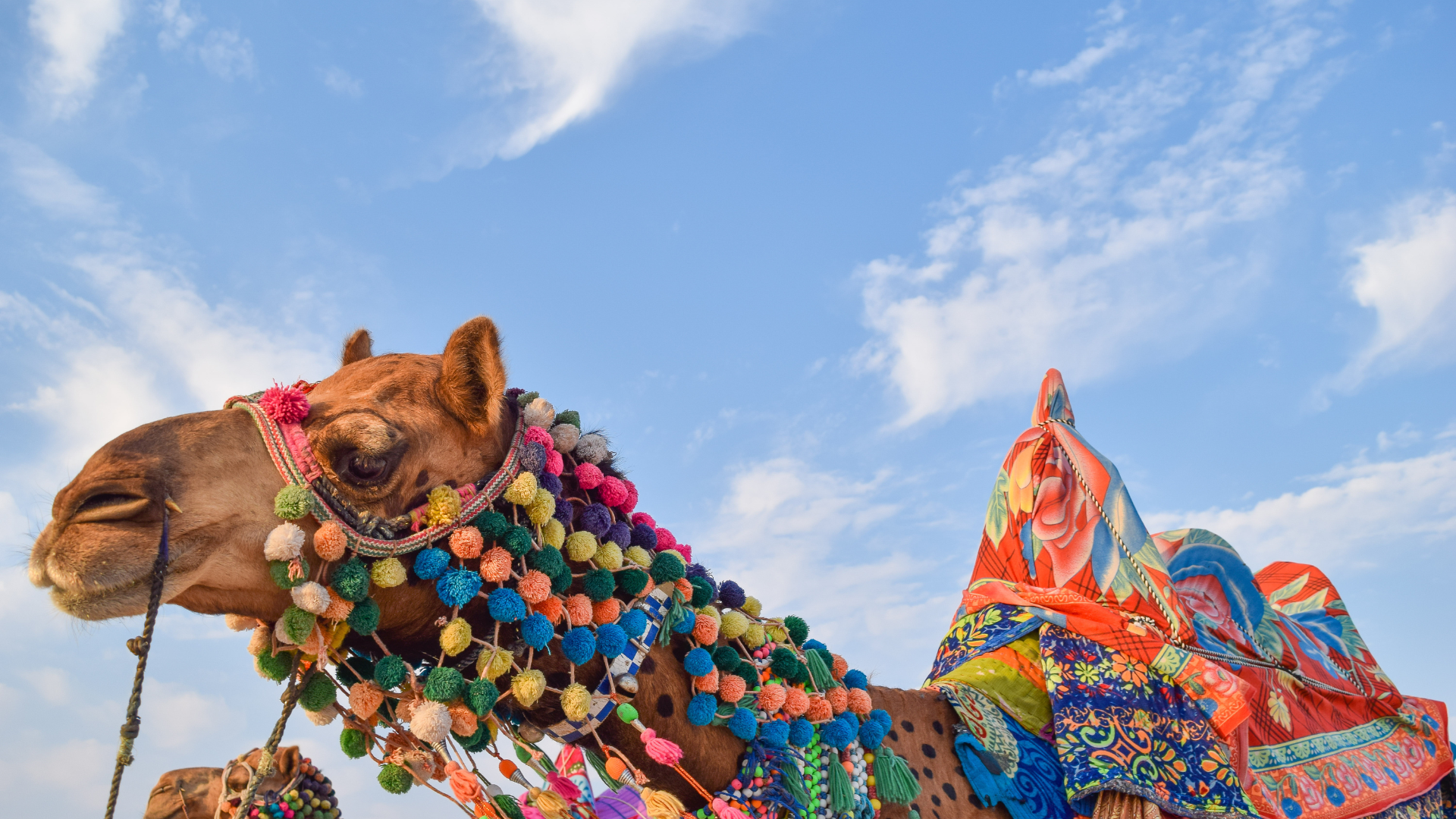
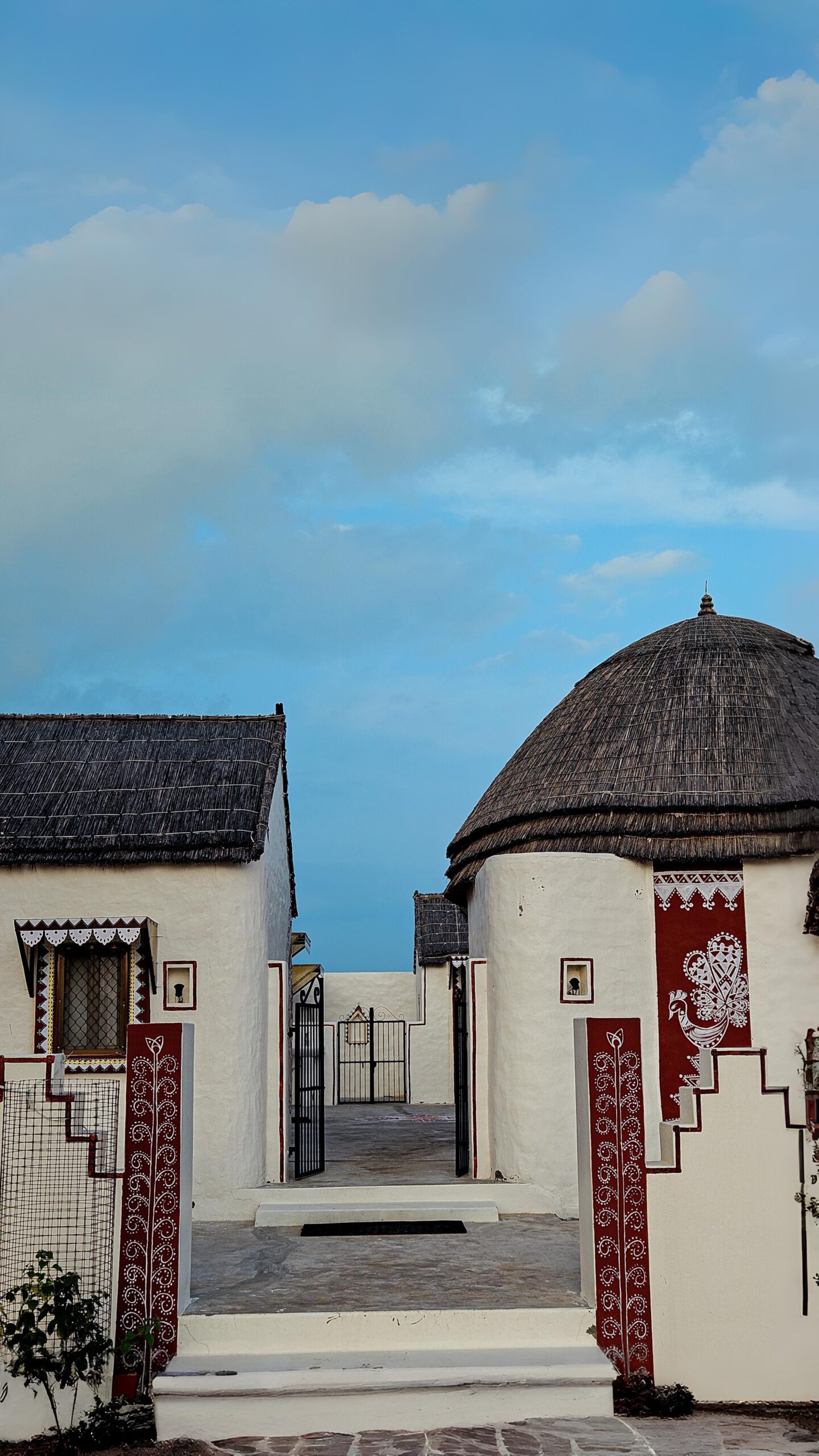
- Sit with Ajrakh block-printers and Rogan artists in villages that have worked these crafts for generations.
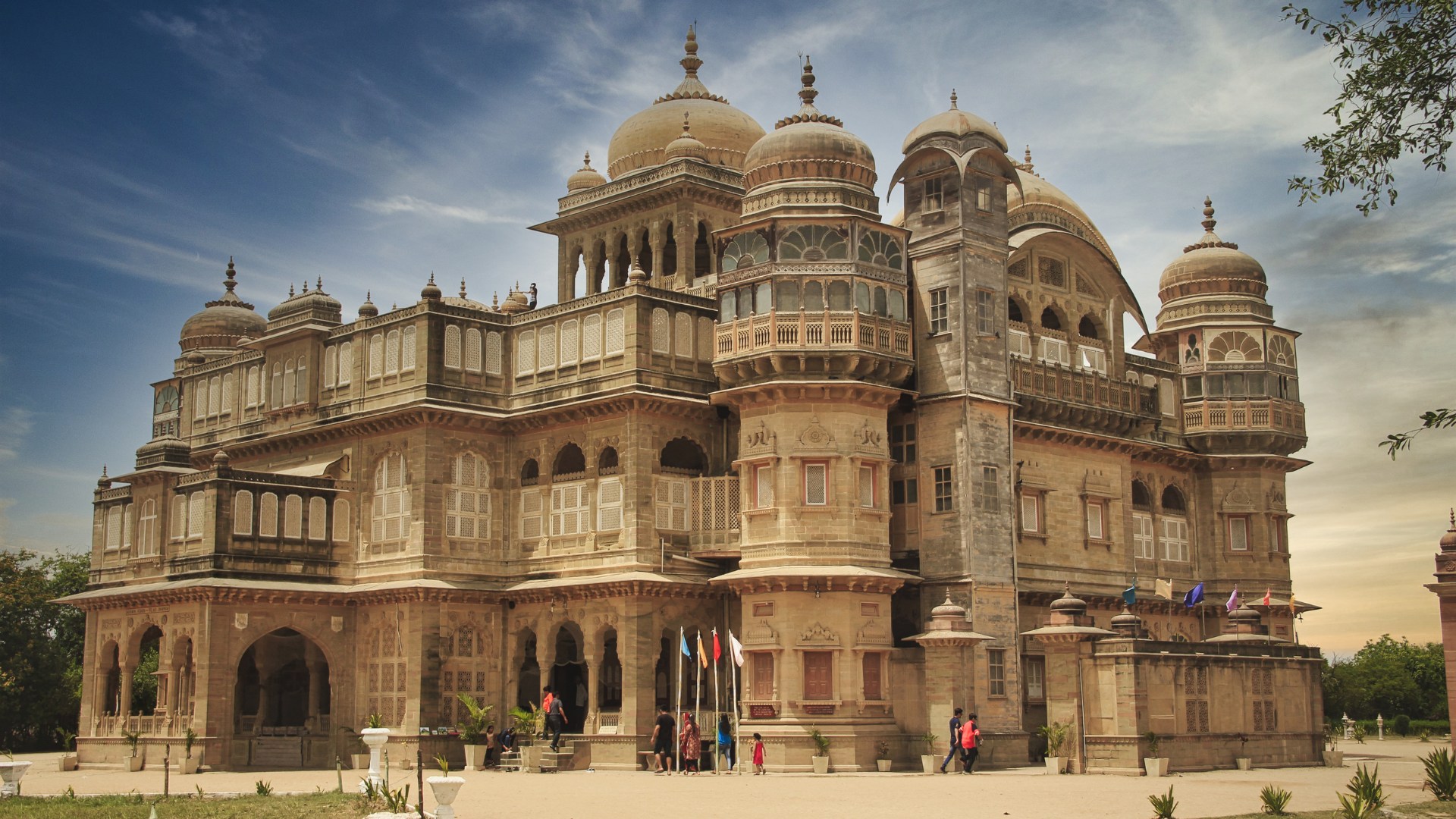
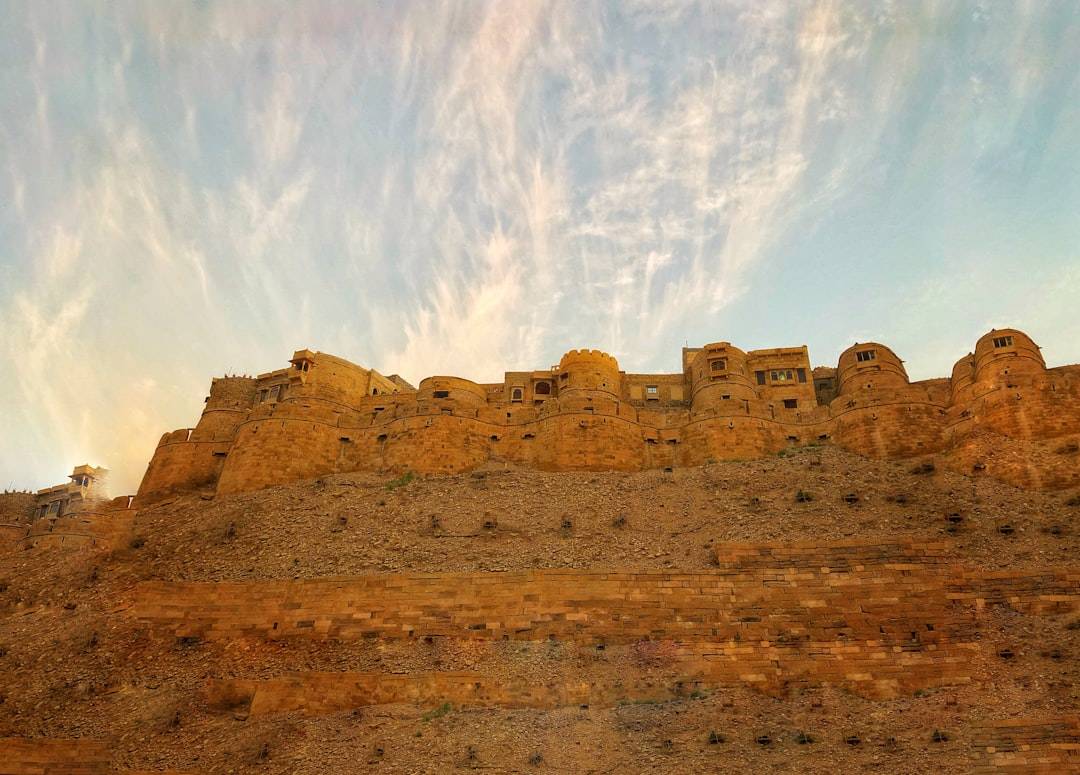
- Explore Bhuj’s Aina Mahal and Prag Mahal, palaces battered by the 2001 quake and slowly restored.
- Watch the sun drop into the Arabian Sea at Mandvi, then tour the wooden shipbuilding yards nearby.
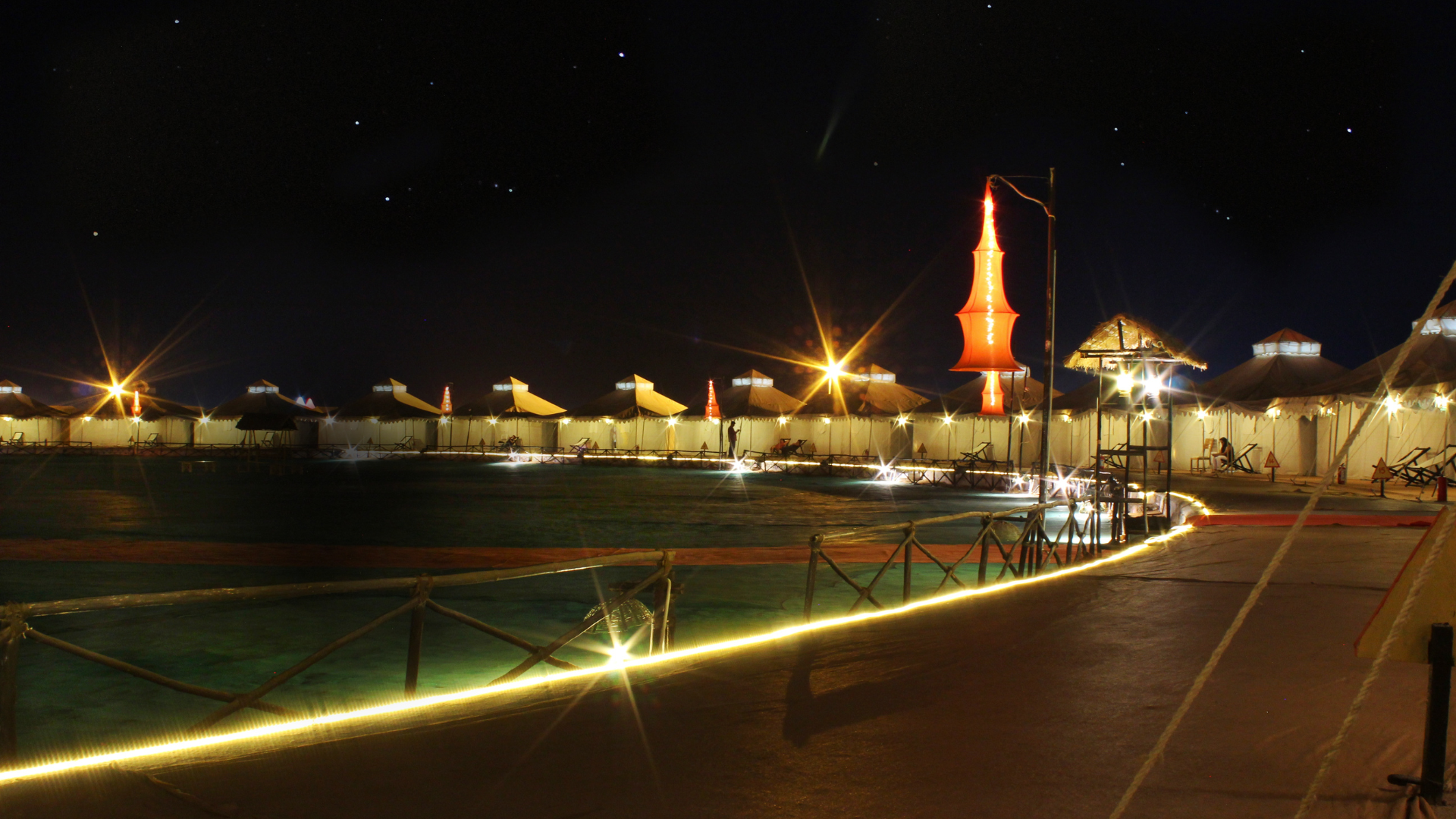
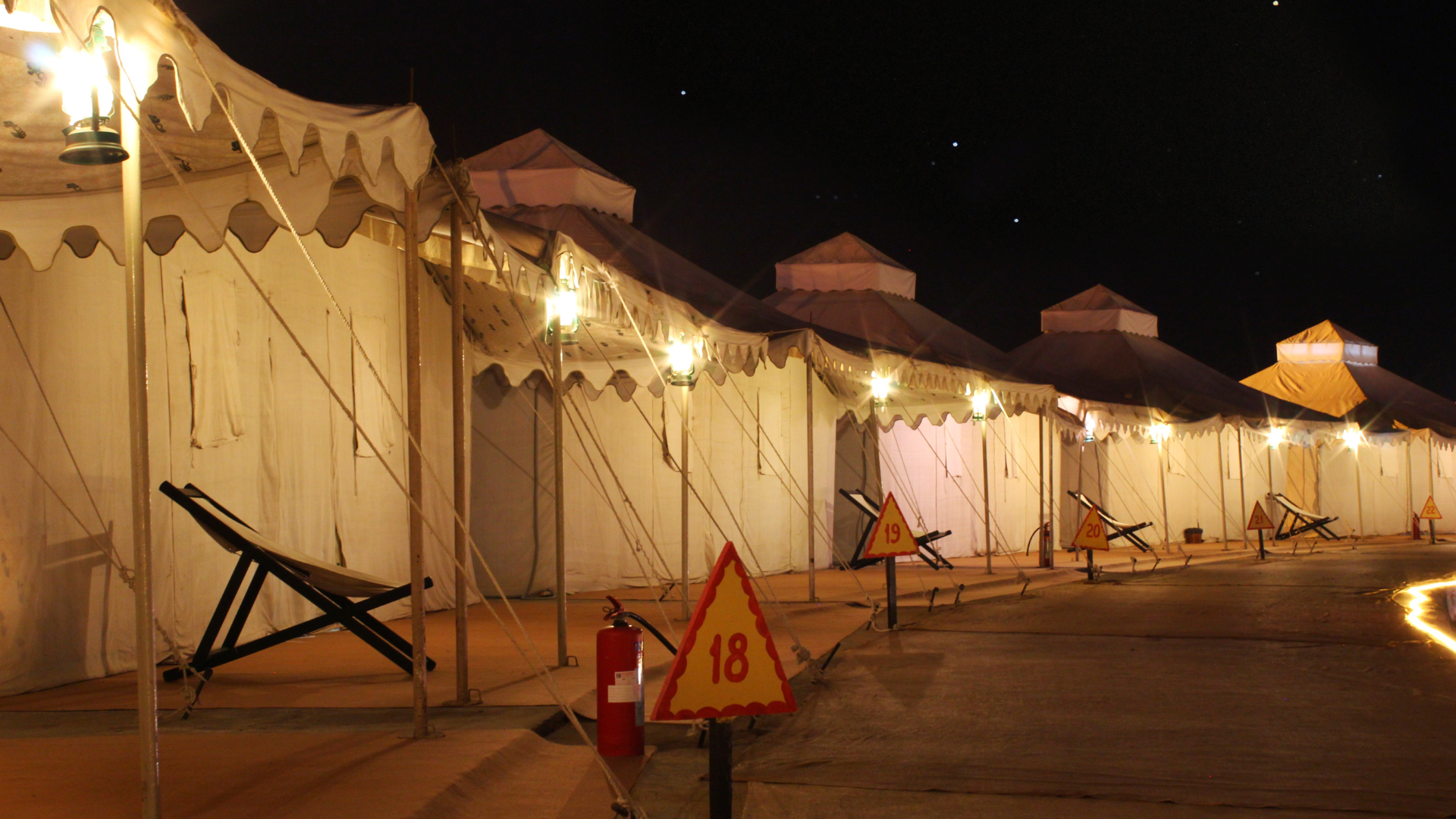
- During Rann Utsav, stay in a tent city on the salt with folk music and Kutchi food.
- Buy directly from weavers and embroiderers — mirror-work, bandhani, mashru — with the maker naming the price.
 Bhuj, White Rann, Mandvi
- Stark, Crafted, Luminous
- 4 Nights / 5 Days
- Priced to Your Brief
- Tent City & Bhuj Stays
- Salt Desert & Crafts


WHITE ON WHITE
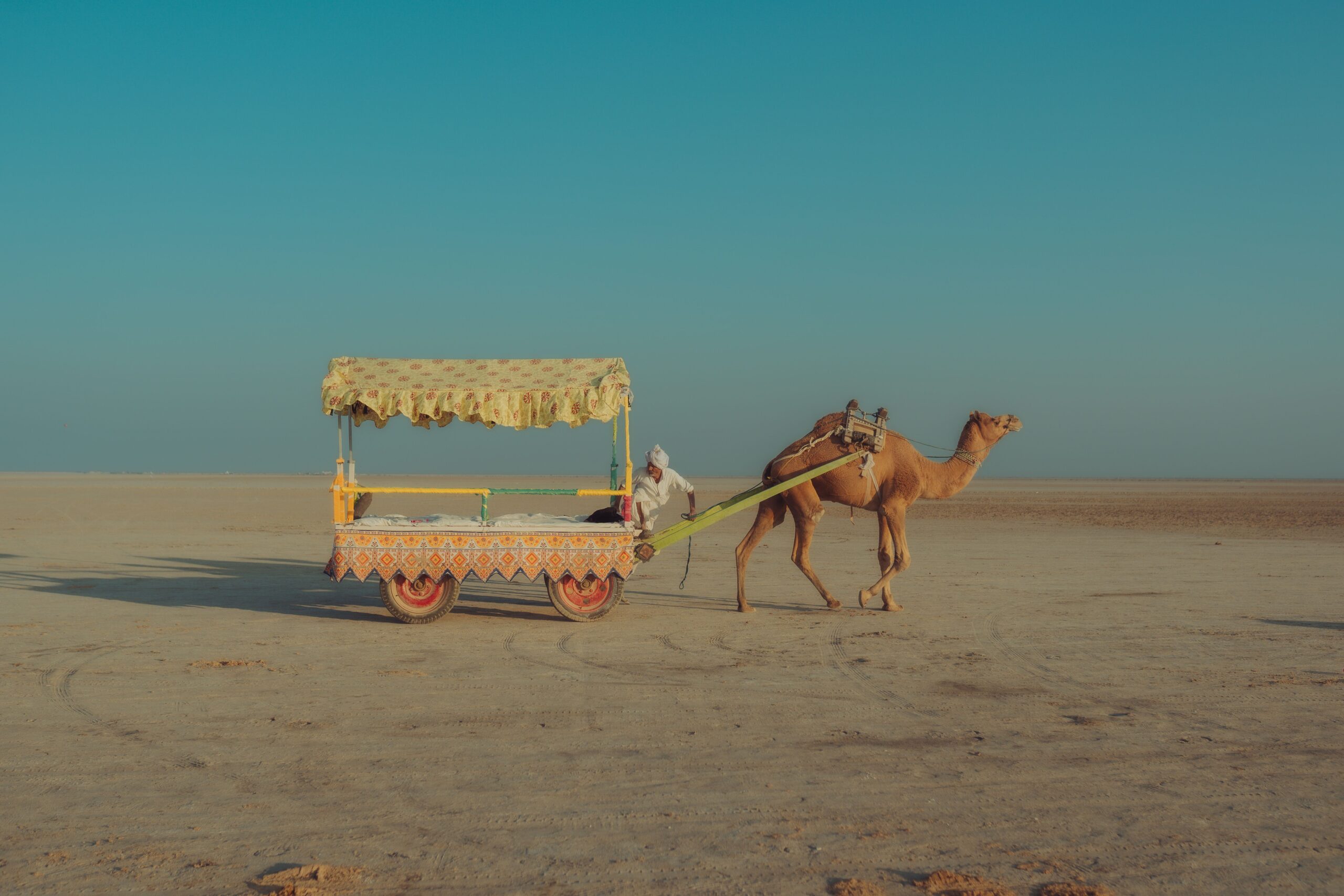
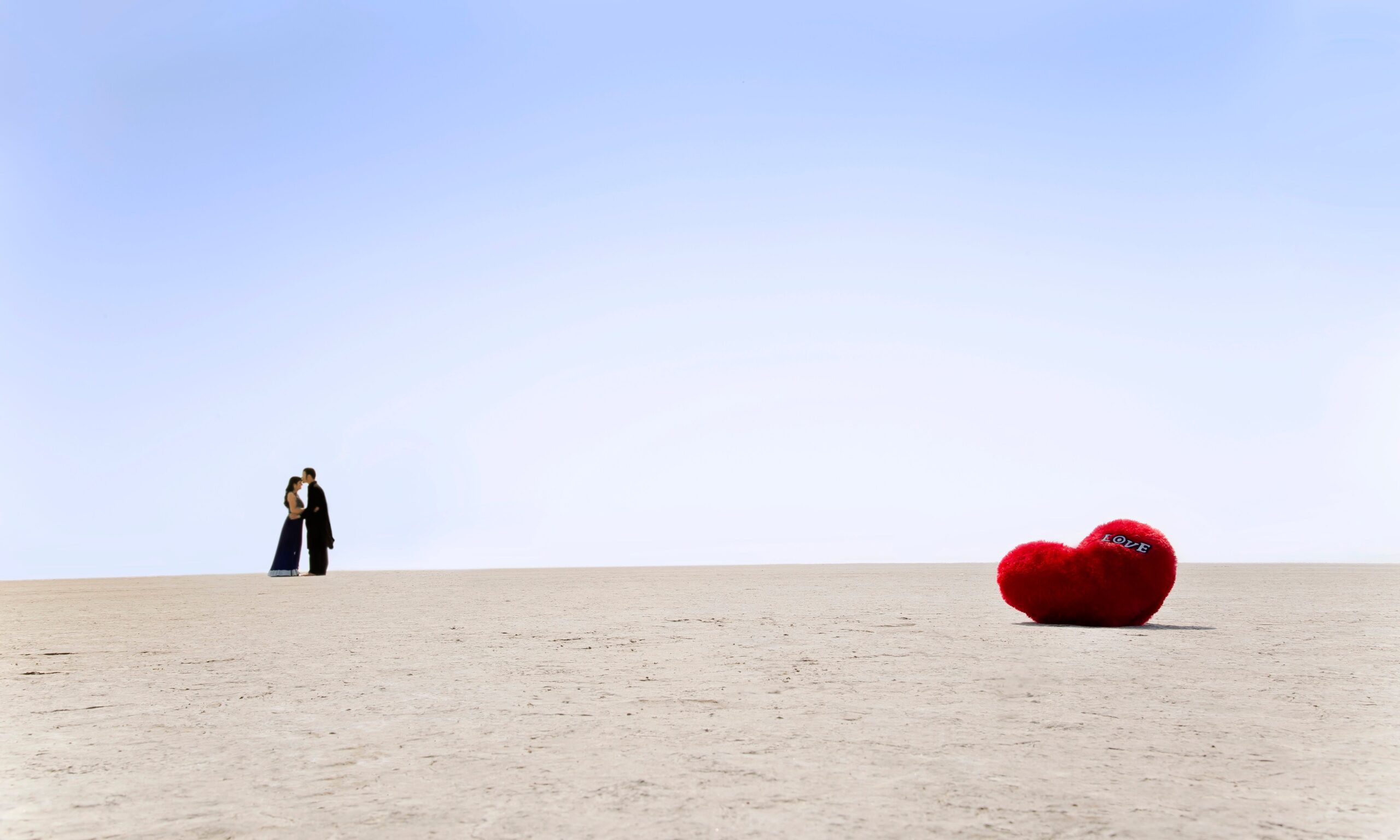
Four nights in India’s strangest landscape — a desert not of sand but of salt, the Great Rann of Kutch, flooded in monsoon and bone-white by winter. The season runs roughly November to February, when the Rann Utsav sets up its tent city. This journey pairs that spectacle with Bhuj’s craft villages and the coast at Mandvi.
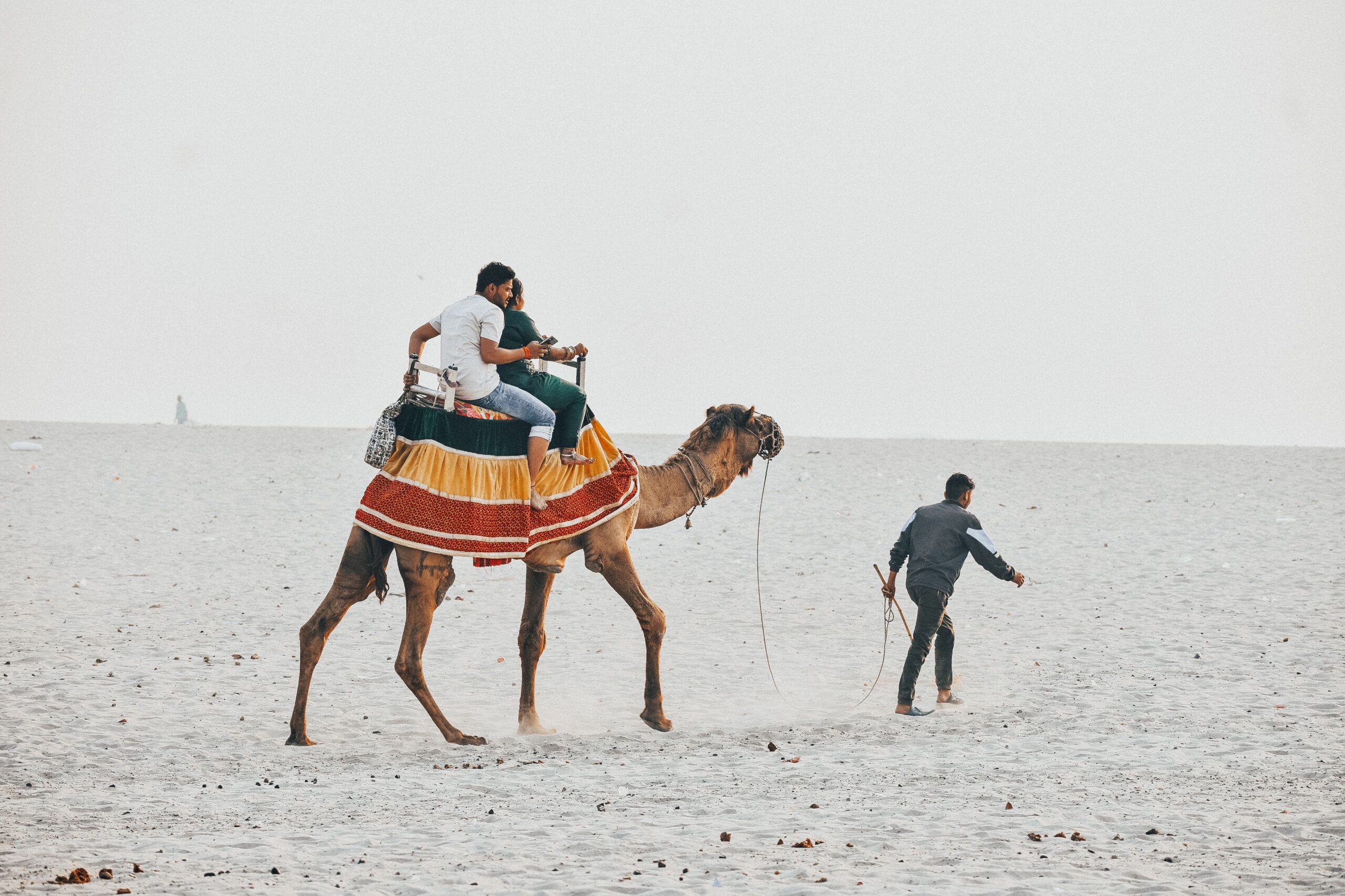
You base near Bhuj and the White Rann, driving out to the salt flats for sunset and, ideally, a full moon. Days go to craft villages — Ajrakhpur for block-printing, Nirona for Rogan art, Hodka for embroidery — plus Bhuj’s earthquake-scarred palaces and museums, and a day at Mandvi’s beach and its centuries-old wooden shipyards.
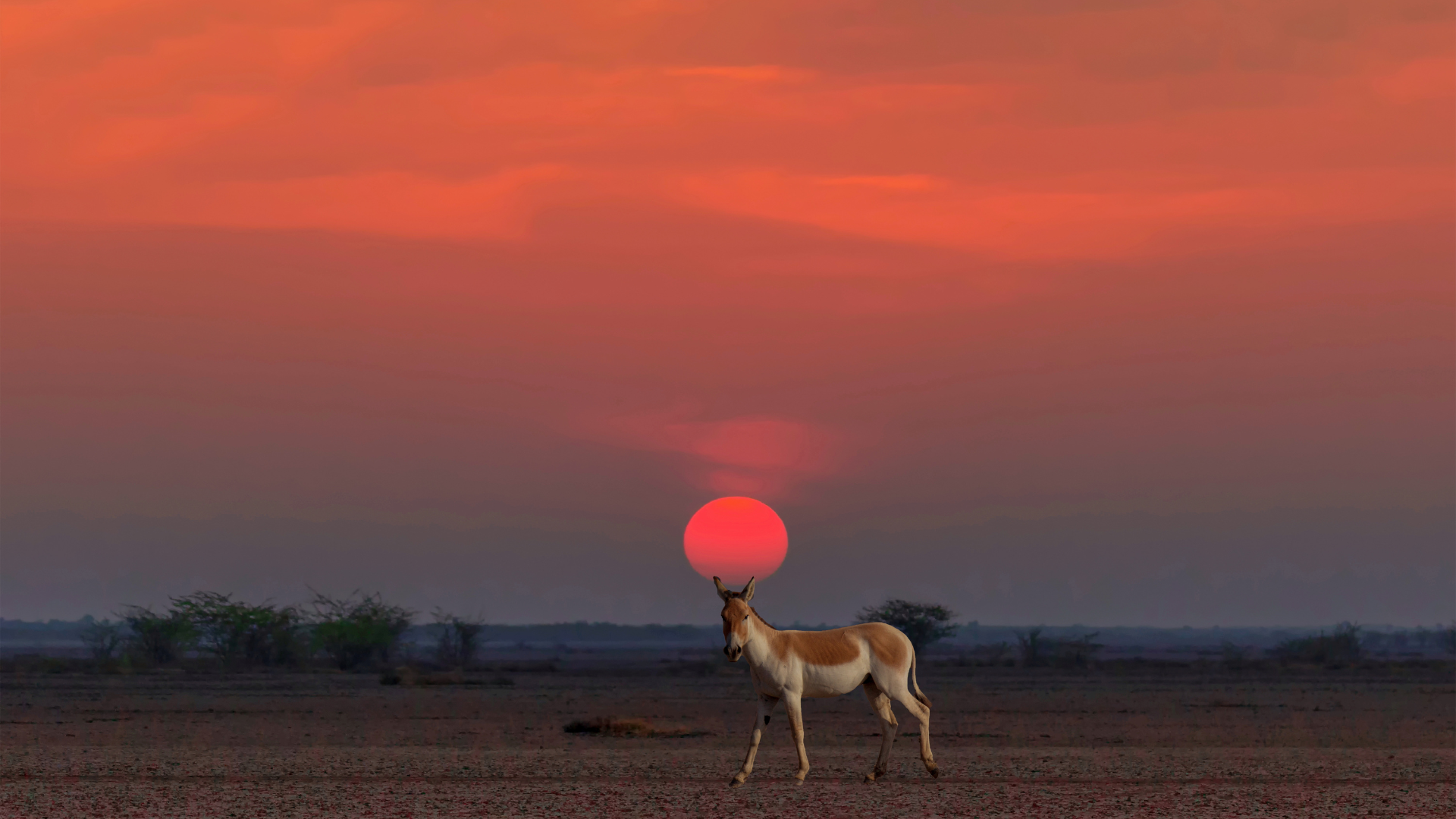
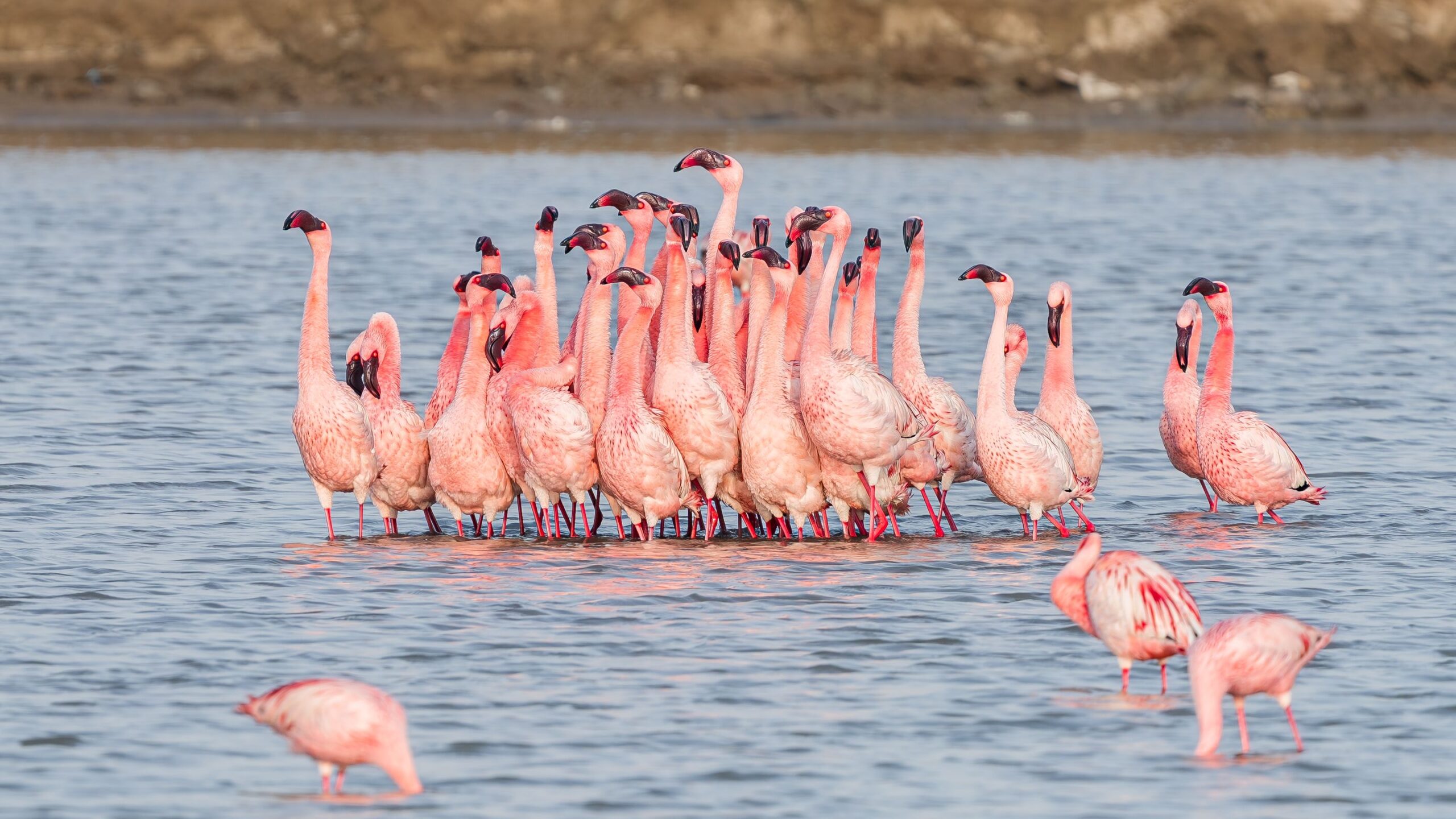
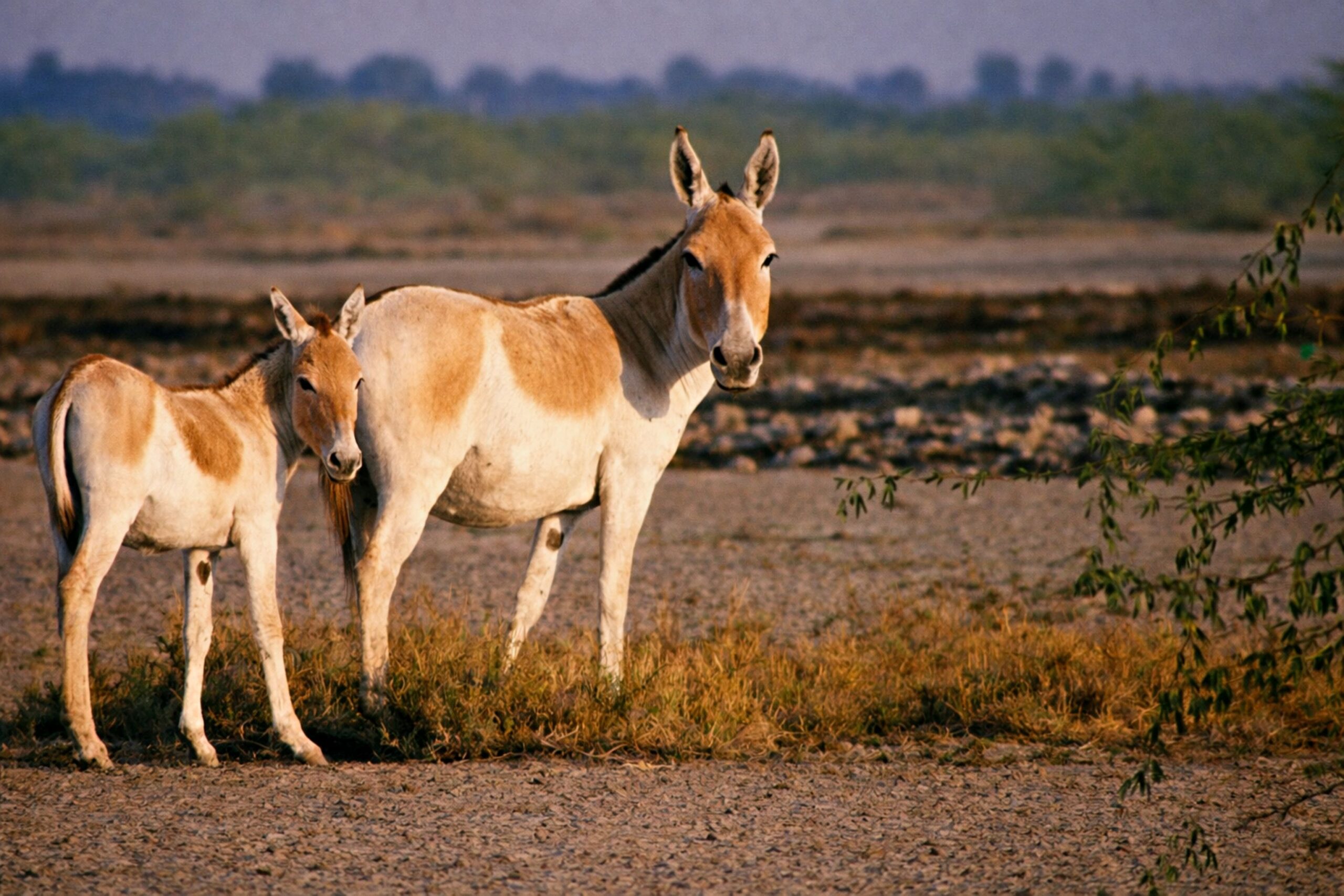
Kutch is flat, spare and enormous, ringed by low hills and edged by mudflats where flamingos gather. Winter days are mild and clear; nights on the salt turn cold. The 2001 earthquake is still visible in Bhuj’s cracked facades and rebuilt lanes. The craft villages are ordinary places doing extraordinary, unbroken work.
Some moments are built for lingering: the salt desert catching the last pink light while the moon rises behind you; the smell of indigo and the slap of wet cloth in an Ajrakh yard; and the moment a Rogan artist pulls a thread of paint into a peacock without once touching the fabric.
Built for craft lovers, photographers, and travellers drawn to stark, quiet landscape. Not for beach-resort holidaymakers or anyone needing nightlife and shopping malls — Kutch is remote and early to bed. And the full white Rann only exists November to February; outside that, it is mud.
Good to
know
When exactly can we see the white salt desert, and do we need Rann Utsav?

The Rann is walkable and white roughly November to February, once the monsoon flood dries — earlier and later it is mud or shallow water. Rann Utsav's tent city runs across those months and makes access easy, but you can also stay in Bhuj hotels and drive out. A permit is required at the Rann entry gate; we arrange it.
Is a full moon really worth planning around?
What does this journey cost per person?
Let's design
your version
Tell us your dates, group and budget and we’ll shape this journey around them. Everything is priced to your brief and planned on a call, never pulled off a shelf.