


A traveller's account of a December Santa trip that went wrong, and the March return to Inari that went right. Polar night, aurora odds and buying Sámi craft honestly.
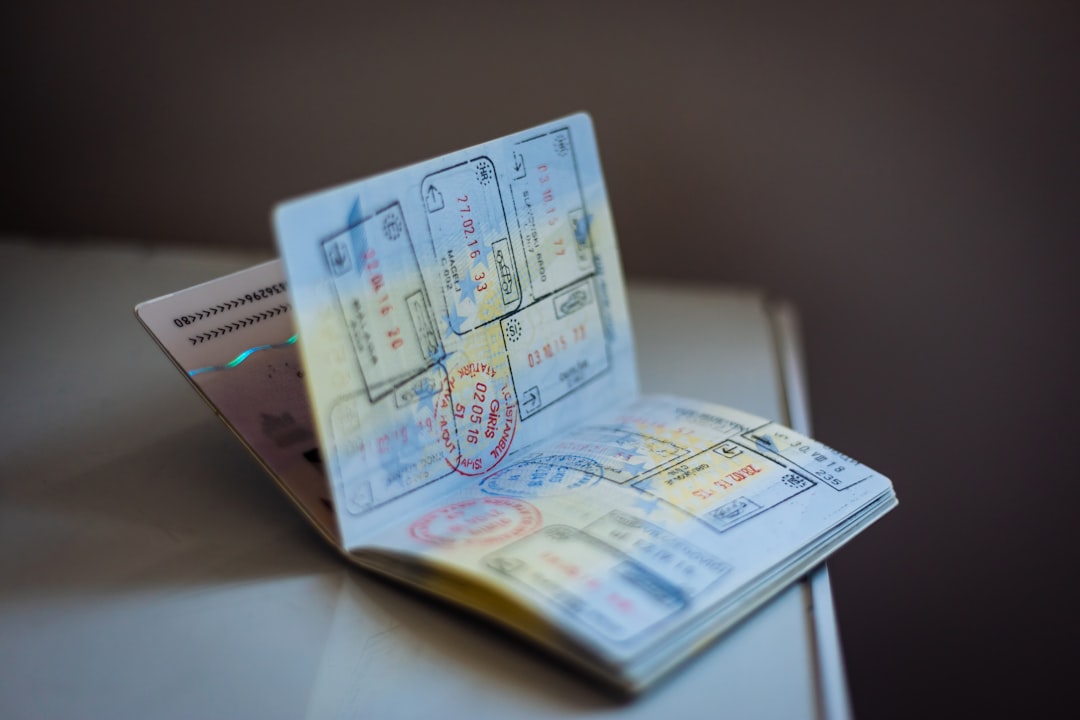
I keep the list in a spreadsheet. It has a column for the country, a column for the year, and — added later, when I began to feel uneasy — a column for how many nights I slept there.
Fifty rows. Six of them say one night. Two of them say zero, because I have counted an airport.
I began this project in my late twenties for the ordinary reason, which is that a number is easier to want than an experience. And I am now at the halfway point of a target I set myself without thinking about it, which is the point at which you either accelerate or ask what you are doing.
Are there really 100 countries to visit — and how many are there in total?
It depends entirely on whose list you use, and the gap between the answers is the whole story. There are 193 UN member states, or 195 if you add the Vatican and Palestine as observers. The Travelers’ Century Club counts 330 “countries and territories” and requires 100 of them for membership — but its own entry bar is that “even the shortest visit would suffice — even if only a port-of-call, or a plane fuel stop, provided that you disembark.” NomadMania cuts the world into 1,381 regions, or 458 purely geometric ten-degree grid squares in a list you cannot game.
So “a hundred countries” means a serious life’s work on one list, and a diligent cruise itinerary on another. I did not know that when I set the target. I suspect most people who set it don’t.
What an Indian passport actually opens
This is the part I wish somebody had put in front of me at twenty-seven, because it would have changed the order I did everything in.
As of July 2026, India ranks 80th on the Henley Passport Index, with 56 destinations available visa-free, on arrival, or by eTA. Attach a month to that number rather than a year — it moved between 80th, 75th and 78th within 2026 alone.
The longer arc is more sobering than the headlines suggest. India was 71st in 2006. It was 88th in 2015 and 90th in 2021, its lowest ever. It is now 80th. Twenty years of economic growth and a vastly larger outbound market, and the passport is ten places worse than it was. The index is relative — other passports improved faster, and the Gulf states in particular did the bilateral work that India didn’t. Singapore is first with 192 destinations. The Maldives is 49th with 93.
And the 56 destinations we do have are overwhelmingly in Asia, Africa, the Caribbean and the Pacific. They do not include the United States, the United Kingdom, any of Schengen, Canada, Australia, New Zealand, Japan or China. The gap between what Indian travel media sells and what our passport opens without paperwork is, I think, the real story of Indian travel, and nobody writes it because it isn’t aspirational.
The two pieces of paper that actually move the number
If you are going to do this, do it in the right order. I did not.
A ten-year US B1/B2 visa is the highest-leverage document an Indian traveller can hold, and not because of the United States. A valid multiple-entry US visa reportedly converts around seventeen destinations to visa-free and eight more to visa-on-arrival — Mexico for 180 days, Peru for 180, Georgia, Serbia, Montenegro, Albania, North Macedonia, Colombia, Chile, Argentina, Panama, Guatemala, the Philippines, Singapore, plus Oman, Bahrain, the UAE, Saudi and Armenia on arrival. One approval turns most of Latin America and the Balkans from a paperwork problem into a plane ticket. (Verify each country individually — these rules change without notice.)
The Schengen cascade is the second one, and it is specific to us. Since April 2024, an Indian applicant who has obtained and lawfully used two Schengen visas within the previous three years becomes eligible for a two-year multi-entry visa, and subsequently a five-year one. During its validity you move through the twenty-nine Schengen states with rights equivalent to a visa-exempt national.
Which means your first two European trips are administrative overhead and your third application is the one that changes your life. Nobody frames it that way. And one detail almost nobody is told: the visa cannot outlast your passport, so renew the passport first, or you will be granted five years and issued eighteen months.
If you want the number to move quickly after that, the honest answer is the Balkans — six countries in ten days is realistic on cheap buses — then the Caucasus, then Southeast Asia, which is the best value of all because it needs no third-country visa at all.

The people who finished, and what they say
I went looking for the travellers who have done all 193, expecting encouragement.
Around 454 people have documented completing every UN member state, with roughly 418 of them living. 2025 was a record year, with 79 completions, nineteen of them women. Rauli Virtanen, a Finnish journalist, was the first verifiable case, finishing in 1988 at forty. Thor Pedersen of Denmark did it without flying, over a decade.
And then I read what they actually say.
Thor Pedersen describes the journey as “self-imposed shackles” — the fun turning into grinding work — and now advises people against pursuing the goal at all. A man who spent ten years on it, telling you not to.
Gunnar Garfors, one of only four people verified to have visited every country twice, is blunt about the integrity problem: quite a few people, he says, are lying or cannot prove they have been where they claim, and he names airport transits and border glimpses as questionable shortcuts. He has since repositioned himself publicly as a sustainable traveller.
Lee Abbamonte points out that the goal forces you to spend money and weeks on places you have no desire to see, purely to tick them.
Jessica Nabongo, widely reported as the first Black woman documented to have visited every country, criticises the copycats who chase the stamp without any real desire to learn about the people.
And there is now enough money in the claim that a travel advocacy group has sued an influencer for falsely claiming a first. That is the clearest possible evidence that the metric has become detached from the thing it was meant to measure.
The problem, stated as simply as I can
Country-counting is not a stupid hobby. It is a structure for curiosity, and the people who do it well are serious travellers.
The problem is that the metric is corruptible in a way the experience is not. A fuel stop counts. A week in Kyoto and a plane change in Doha are both “plus one.” And once the number is the goal, the number is what gets optimised — so you take the cheap flight to the small country, and you go in the wrong season, and you stay one night, and you write a row in a spreadsheet.
My two zero-night rows are not a joke I tell. They are a description of what I did.
What I have decided, at fifty
I am not stopping. I like the structure and I like the excuse and I am not going to pretend to a conversion I have not had.
But I have changed the column I care about. Nights slept is now the one I look at first, because you cannot fake a night. Two of my fifty countries have more than thirty nights in them and those two are the only ones I could tell you anything real about.
I have also stopped optimising for cheap adds. Six Balkan countries in ten days is a genuine possibility and I have decided not to do it, which for me is progress.
And I have started, honestly, to think about the flying. A short-haul flight runs about 154 grams of CO₂ per passenger-kilometre and a domestic one about 246, against 35 for national rail — and the honest thing is not to make up a total for a 193-country project, but to state the per-kilometre numbers and let anyone doing the arithmetic reach their own conclusion. Mine is that the second fifty should contain fewer, longer trips than the first.
The counter-list
If you want a number you cannot game, take NomadMania’s KYE list — 458 ten-degree grid squares of the actual planet. No sovereignty arguments, no dependencies, no territories that are really France. Just the world, cut geometrically. You cannot add a square by landing at its airport for ninety minutes, because a square is not a place with a passport queue.
Or use mine, which is cruder and free: nights slept, languages attempted, and the names of people you still remember.
Fifty done. I do not know how many to go. That is, I think, the first honest sentence in this piece.
Frequently asked questions
How many countries are there in the world?
193 UN member states, or 195 including the Vatican and Palestine as observer states. Beyond that, the counts diverge by design: the Travelers’ Century Club recognises 330 countries and territories, including politically or geographically separated dependencies, and requires 100 for membership. NomadMania’s Regions list divides the world into 1,381 areas, and its KYE list into 458 ten-degree latitude-longitude grid squares. “One hundred countries” therefore means very different things depending on the list — and the TCC’s own rule is that a port call or a fuel stop counts, provided you disembark.
How strong is the Indian passport in 2026?
As of July 2026, India ranked 80th on the Henley Passport Index with 56 destinations available visa-free, on arrival or by eTA. The rank moved between 80th, 75th and 78th within 2026, so quote it with a month rather than a year. For context, India was 71st in 2006, 88th in 2015 and 90th in 2021. Singapore leads with 192 destinations; the Maldives is 49th with 93. The 56 destinations are concentrated in Asia, Africa, the Caribbean and the Pacific, and do not include the US, UK, Schengen, Canada, Australia, New Zealand, Japan or China.
What is the fastest way for an Indian traveller to add countries?
Get the paperwork right before you book anything. A ten-year multiple-entry US B1/B2 visa reportedly unlocks around seventeen destinations visa-free and eight more on arrival — including Mexico, Peru, Georgia, Serbia, Montenegro, Albania, North Macedonia, Colombia, Chile, Argentina, Panama, the Philippines and Singapore. Verify each individually, as these rules change without notice. After that, the Balkans (six countries in ten days is realistic by bus), the Caucasus, and Southeast Asia, which needs no third-country visa at all and has the cheapest flights from India.
What is the Schengen visa cascade for Indians?
A rule adopted in April 2024 specific to Indian nationals. Once you have obtained and lawfully used two Schengen visas within the previous three years, you become eligible for a two-year multi-entry visa, and subsequently a five-year one, during which you travel across the 29 Schengen states with rights equivalent to a visa-exempt national. The practical implication: treat your first two European trips as building a compliant record, because the third application is the valuable one. Critically, the visa cannot outlast your passport — renew the passport before applying, or a five-year grant gets truncated.
Do people really visit every country, and what do they say about it?
Roughly 454 people have documented visiting all 193 UN member states, about 418 of them living, with a record 79 completions in 2025 alone. Rauli Virtanen of Finland was the first verifiable case, in 1988. The notable thing is that several finishers now argue against the goal: Thor Pedersen, who completed it without flying over a decade, describes it as “self-imposed shackles” and advises against pursuing it; Gunnar Garfors, one of four verified to have done it twice, says many claimants cannot prove their travels; Lee Abbamonte notes the goal forces spending on places you don’t want to see.
Is country-counting a bad way to travel?
Not inherently — it is a legitimate structure for curiosity, and its best practitioners are serious travellers. The problem is that the metric is corruptible in a way the experience is not: a fuel stop counts the same as a month, so once the number becomes the goal, the number is what gets optimised. If you want a target, pick one that cannot be gamed — NomadMania’s 458-square KYE grid, or simply nights slept, languages attempted, and people whose names you still remember.
Bring us the number of nights you actually have at the thumbprint, not the number of countries you want. We would rather build one properly than four badly, and we will say so.
Continue Reading


A father's account of taking a sumo-obsessed child to Japan: which seats to buy, the free morning practice window, and the vegetarian problem nobody warns Indian families about.
A returning traveller on the free museums nobody books, the Sunday flower market, the ponds, and why the Indian food a Delhi visitor actually wants is 40 minutes out.