

Journey Highlights
- The Great Rann’s white salt flats at full moon, when the ground glows and the horizon disappears.
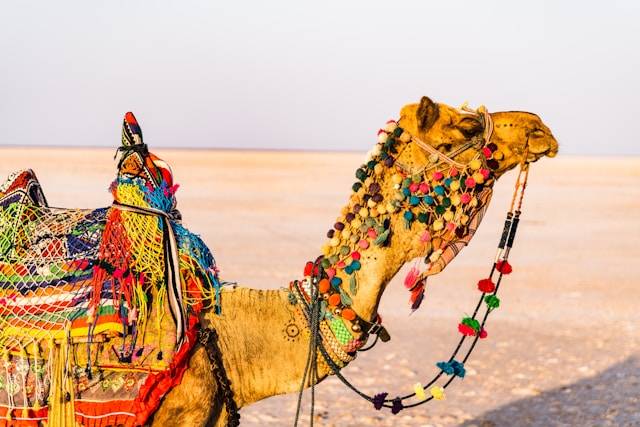
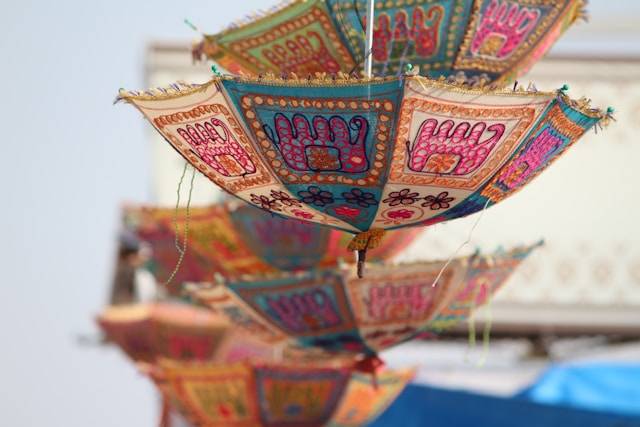
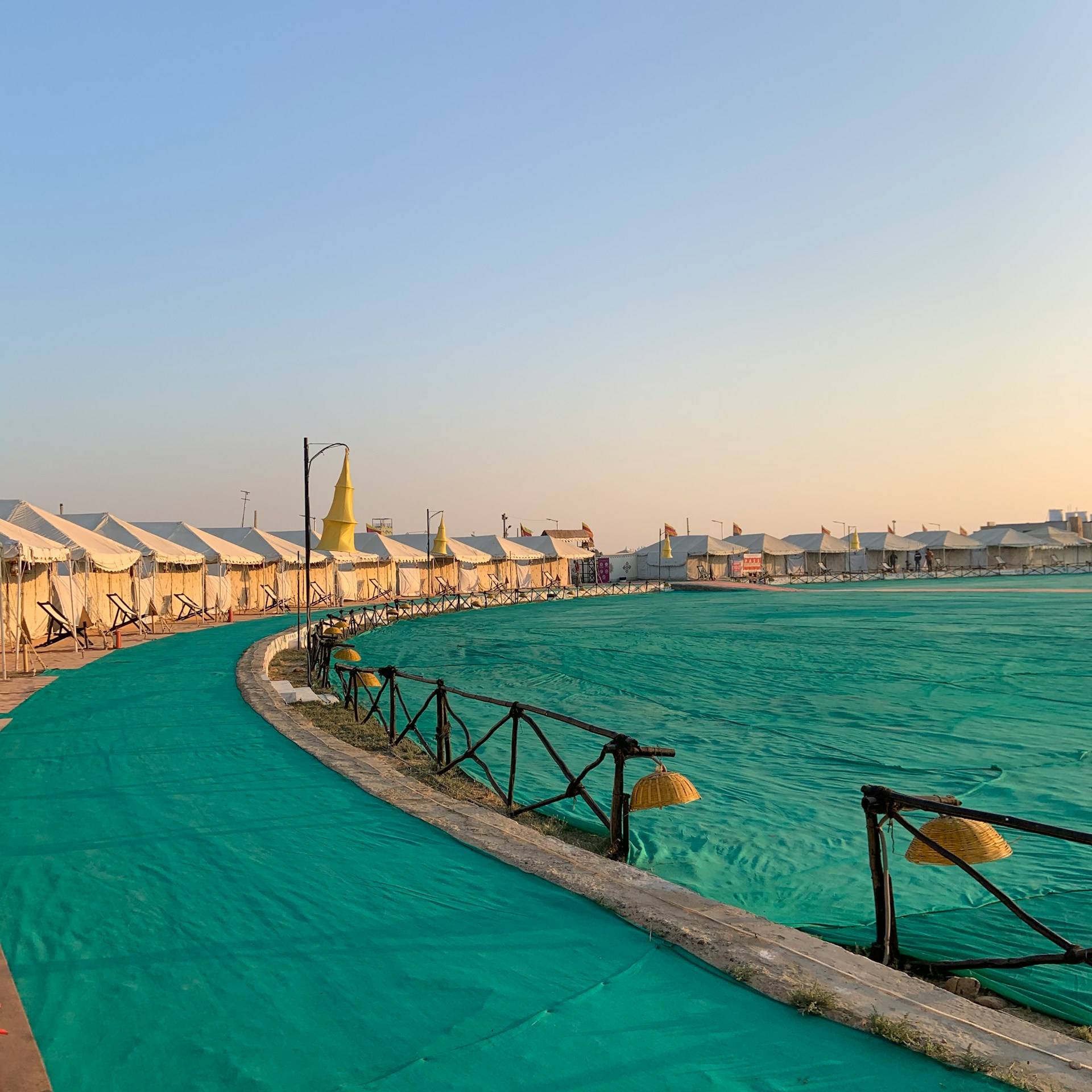
- Rann Utsav’s tented season, folk performers, Kutchi embroidery and the craft villages scattered around Bhuj.
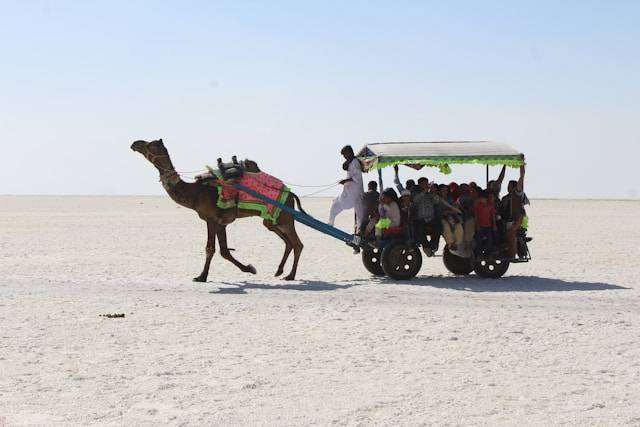
- Jaisalmer’s golden sandstone fort at sunset, then the Sam dunes and a camel line at dusk.
- Jodhpur’s blue-painted old city from Mehrangarh’s ramparts, a tight jumble of indigo rooftops far below.
- An optional Pushkar camel fair swing — thousands of traders, camels and dust-lit desert light at dawn.
- Portraits of herders, dancers and artisans in Kutchi dress, shot with their permission and time.
- No visa for Indian travellers — two states, desert and forts, on one unhurried cool-season loop.
 Kutch & Rajasthan
- White, Gold, Indigo
- 8 Nights / 9 Days
- Priced to Your Brief
- Tented Camps & Havelis
- Culture & Landscape


Experience Overview
Two states, one cool-season loop, and no visa to worry about. This journey pairs the white salt desert of the Great Rann in Gujarat with Rajasthan’s golden and blue cities. Eight nights timed to a full moon, when the Rann turns luminous, a small group of eight to fourteen who care about frames and faces alike.
You start in Kutch, on the white pan of the Great Rann near Dhordo during Rann Utsav, shooting the salt at moonrise, folk dancers and the embroidery villages around Bhuj. Then Rajasthan: Jaisalmer’s sandstone fort and the Sam dunes at dusk, Jodhpur’s indigo old city from Mehrangarh, and an optional swing to the Pushkar camel fair.
The Rann rewards two windows: sunset for warm colour on the salt, then the blue hour and moonrise, when the flats glow silver and shadows stretch for miles. Rajasthan’s forts take gold light best in the last hour before sunset. November to February keeps days mild and nights genuinely cold in the desert — pack layers for dawn shoots.
Some moments are built for lingering: the full moon lifting over the Rann and the whole salt plain turning to soft silver, no edge between ground and sky; the first sun hitting Jaisalmer’s fort until the sandstone reads like honey; a Jodhpur rooftop at dusk, indigo walls all around, someone flying a kite two terraces over.
For photographers drawn to culture as much as landscape — portraits, festivals, forts and the strange white nothing of the Rann. It is not for anyone chasing wildlife or beaches, uneasy asking strangers for a portrait, or unwilling to handle cold desert dawns and long road days between towns.
Everything you
need to know
What gear works here, and is it fine for a beginner?

It's friendly to all levels. A standard zoom around 24–70mm handles forts, streets and portraits; a wide lens opens up the Rann's emptiness; a short telephoto near 85mm flatters faces. Bring a tripod for the moonlit salt and blue-hour work. There are no hides — this is street, festival and landscape shooting, and your guide helps you approach people well.
When's the best time, and why full moon?
What does this cost from India?
Ready to photograph
Rann Of Kutch & Rajasthan
The white salt Rann under a full moon, the flat plain glowing silver, a lone figure tiny on the pan. Jaisalmer’s sandstone fort catching the last gold light, its bastions warm against a deep blue sky. Jodhpur’s old blue city, seen from Mehrangarh, has indigo houses packed tight below the fort walls. A Kutchi dancer in mirrored embroidery against a mud-and-mirror bhunga wall, in warm evening light. A camel train crossing the Sam dunes at dusk, long shadows, and a band of orange low on the horizon.