

What this journey is
Night-sky and space-programme journeys built around three anchors: the Hanle Dark Sky Reserve in Ladakh at roughly 4,500 metres, a registered launch-viewing weekend at Sriharikota four hours north of Chennai, and the American route through Kennedy Space Center and Space Camp Huntsville. Two nights to ten days depending on which you pick. Altitude and launch dates set the rules, not us.
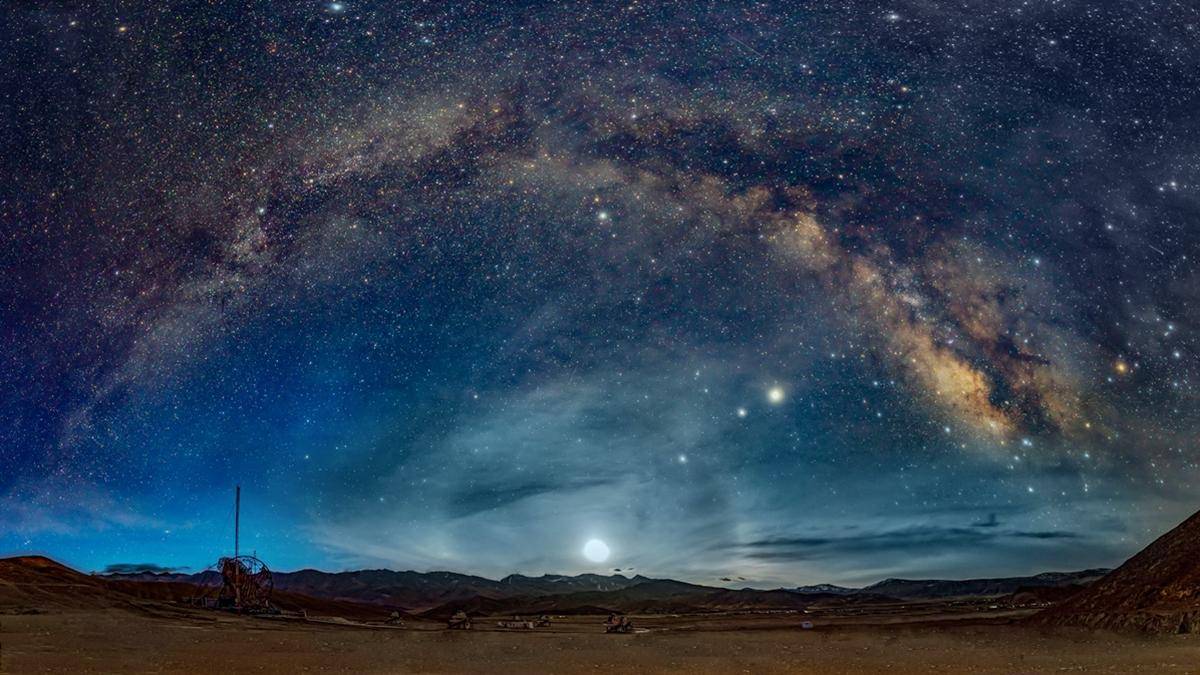
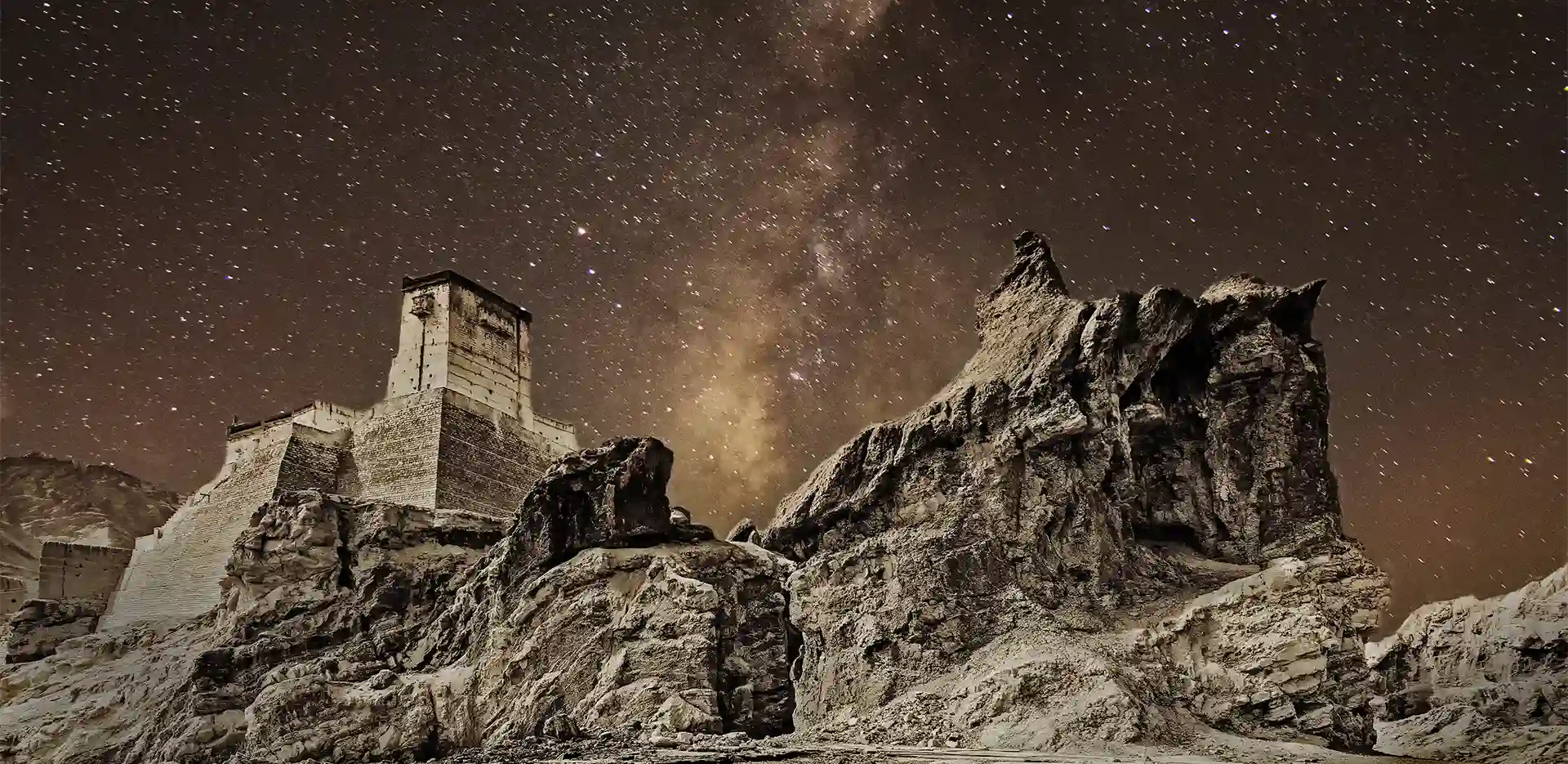
- Observation nights inside the Hanle Dark Sky Reserve at about 4,500 metres, where the Milky Way casts a visible shadow.
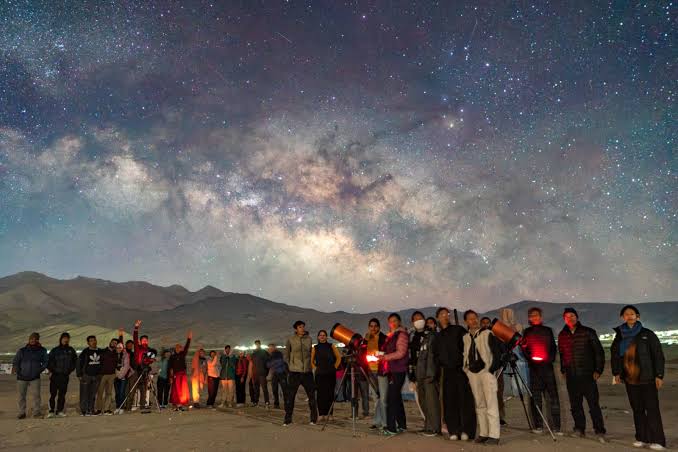
- Telescope sessions run by Hanle’s astronomy ambassadors — village homestay hosts trained to work the eyepieces for student groups.
- Two compulsory acclimatisation days in Leh, with twice-daily pulse-oximeter checks before any vehicle drives higher.
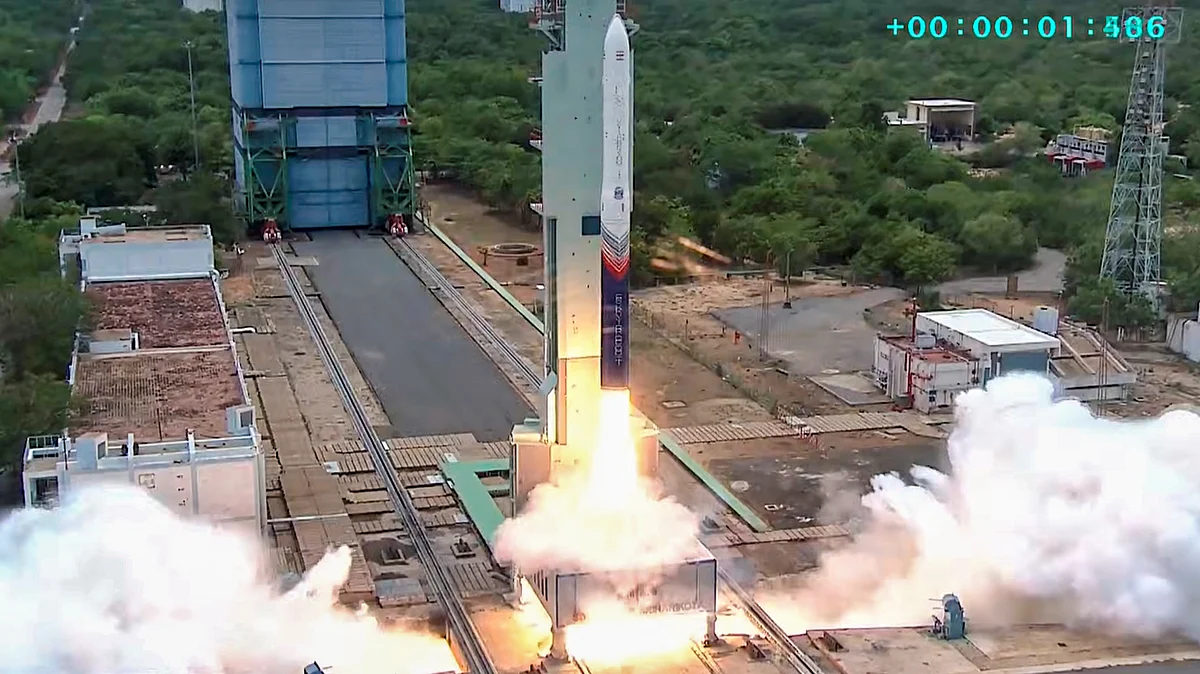
- A live ISRO launch from the free registered Launch View Gallery at SDSC SHAR, Indian nationals only.
- Mission journals logging the countdown — hold points, T-minus calls and exactly what the range commentator said.
- Star-trail photography on group cameras in Ladakh, processed and argued over across breakfast the following morning.
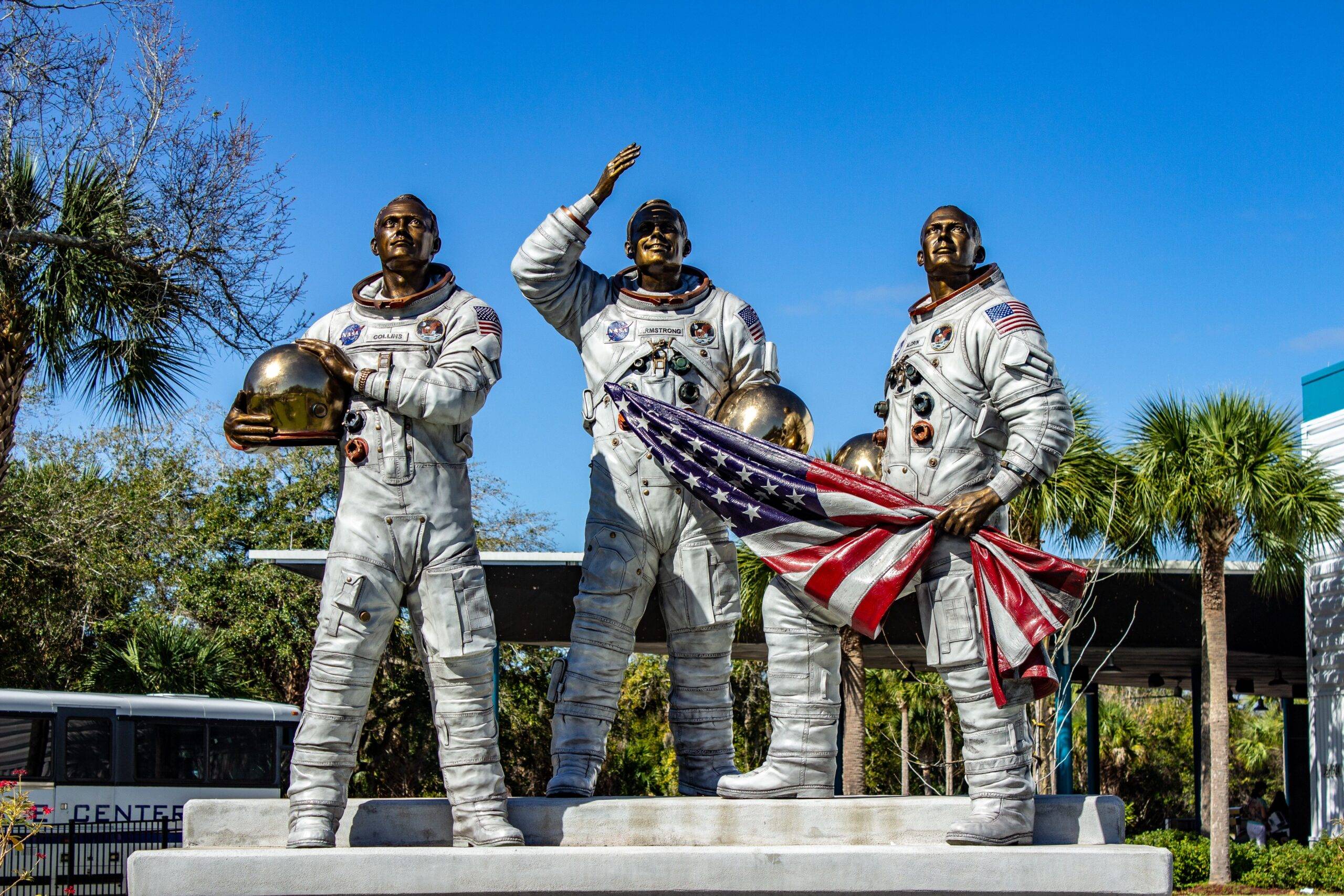
- A simulated Shuttle mission at Space Camp Huntsville, after standing under Kennedy’s 111-metre Saturn V in Florida.
 Ladakh, Sriharikota & the USA
- Classes 8–12
- 6–10 Days
- Custom Group Quote
- Observatory & City Stays
- Dark Skies & Launches


What students take away
A night under a genuinely dark sky does something a planetarium cannot, and a countdown that holds at T-minus four teaches patience no lesson does. The learning is built around recording rather than watching. Students keep observation logs and mission journals, marked against a rubric your faculty agrees before departure, and the sessions are led by people who do this nightly.
- Scale, felt rather than told. Seeing Saturn’s rings resolve in an eyepiece rearranges a sixteen-year-old’s sense of distance in a way no diagram manages.
- Patience with process. A countdown with hold points shows students that real engineering runs on checks and delays, not on dramatic moments.
- Physical geography and altitude. Ladakh teaches acclimatisation, oxygen saturation and thin-air optics as lived facts, which lands harder than the chapter.
- Data discipline. Observation logs have to be legible, timed and honest, which is a habit that transfers straight into practical examinations.
- A concrete career picture. Students meet range staff, ambassadors and educators whose jobs exist, which makes a space-science stream feel reachable rather than cinematic.
How it benefits the student
Sriharikota suits Classes 6 upward and works as a first overnight trip, one night away and four hours from Chennai. Hanle is a senior journey only — Classes 9 to 12, capped at twenty students, and under-14s are excluded outright. The Florida and Huntsville route suits Classes 8 to 12. Physics, geography and computer-science students gain most, though the night sky wins over everyone.
Hanle is not for every school. It sits at roughly 4,500 metres, medical screening happens before booking rather than after, and two Leh acclimatisation days are compulsory even when the calendar is tight. Sriharikota gallery seats are free but registered through the principal, Indian nationals only, and dates firm up about two weeks out with no guarantee the launch flies.


Everything you
need to know
What are astronomy education programs for students?

Astronomy education programmes give students practical opportunities to learn about space, stars and observation beyond the classroom. Depending on the itinerary, students can take part in telescope sessions, dark-sky observations, mission journals, launch experiences and space-focused activities.
What destinations are included in the astronomy and observation journeys?
What age group can participate in these astronomy programmes?
What will students learn during a space observation learning trip?
Are astronomy education programmes suitable for school groups?
Tell us the class,
we'll build the lab
Tell us the year group, the group size and which break you are working with. We will tell you plainly which of these are possible for your cohort — Hanle caps at twenty students and rules out under-14s — and put a custom group quote together on the call. Medical and permit paperwork is ours to handle.