

Trip Highlights
- A private-conservancy camp with off-road and night-drive rights the main reserve doesn’t allow — access, not just a bed.
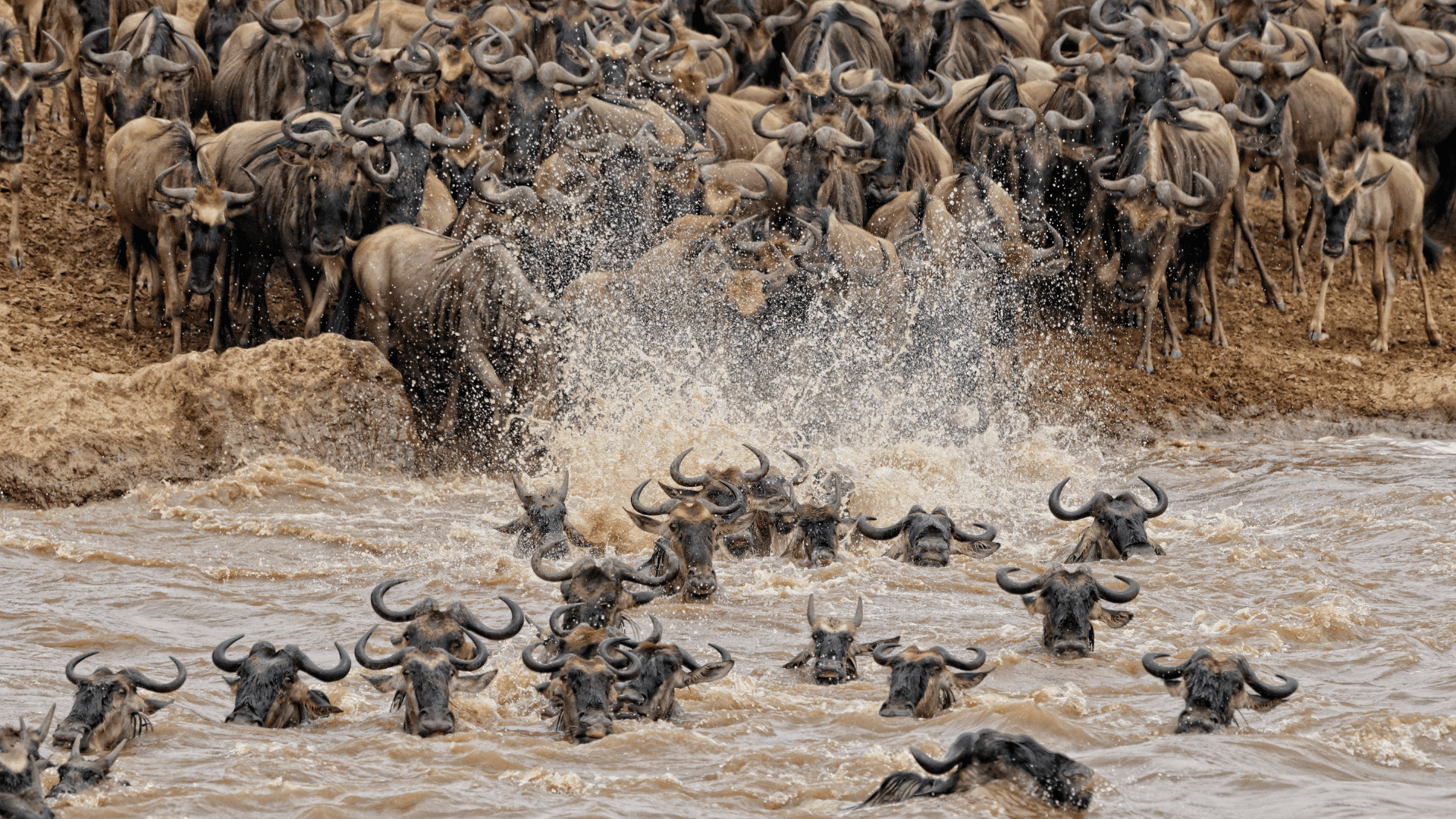
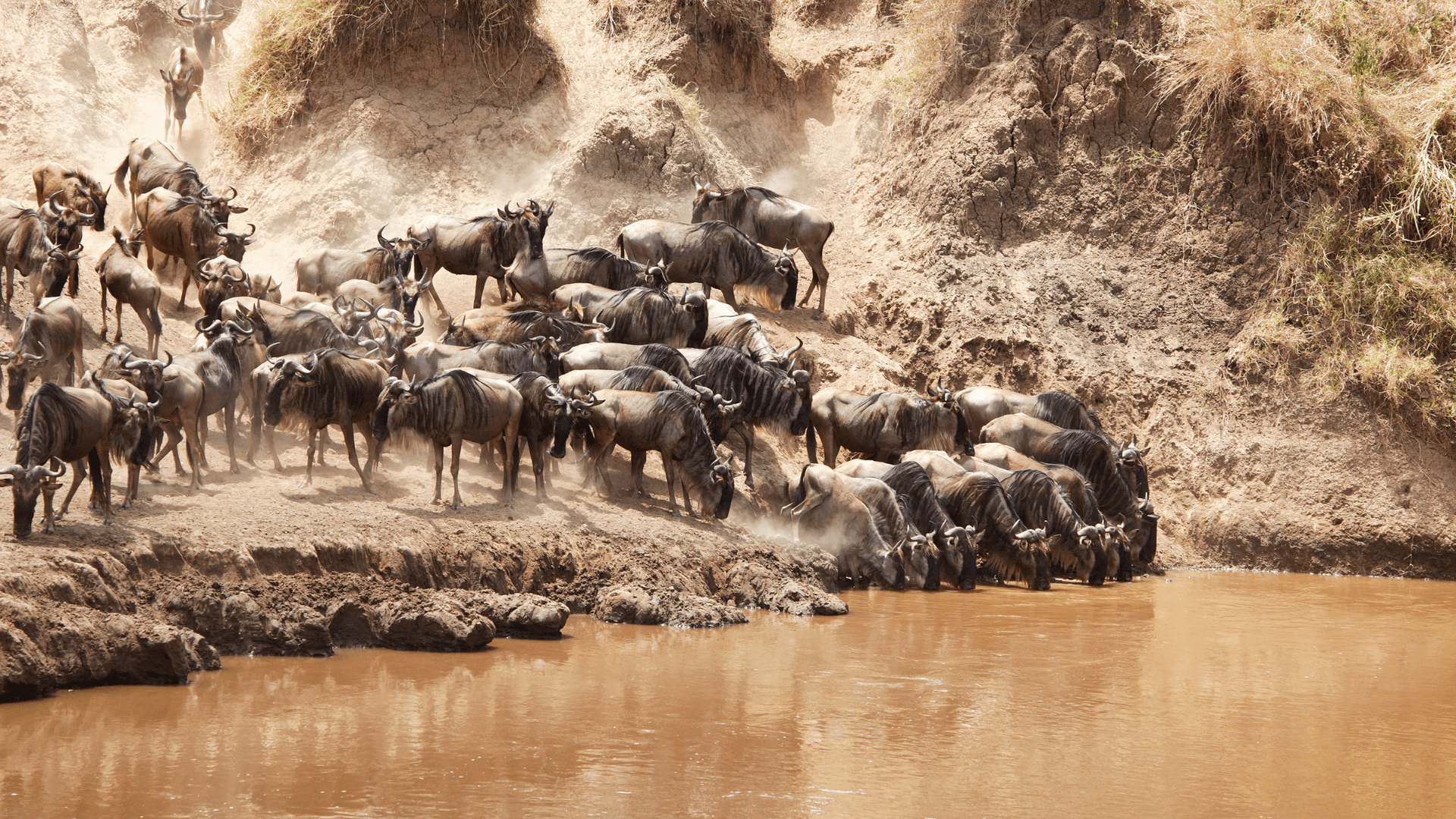
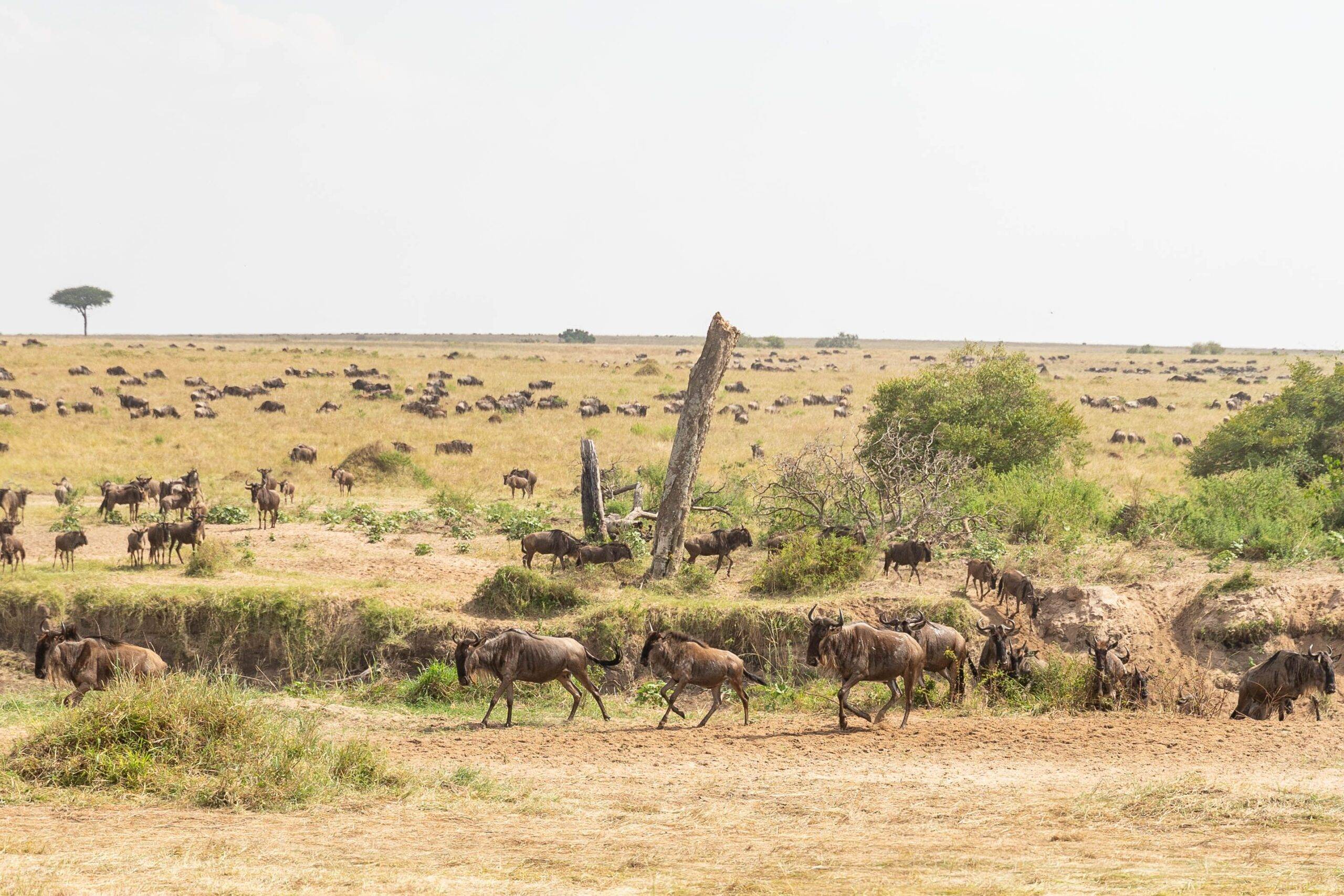
- The Mara River crossing window — herds massing on the bank, then the plunge through crocodile water.
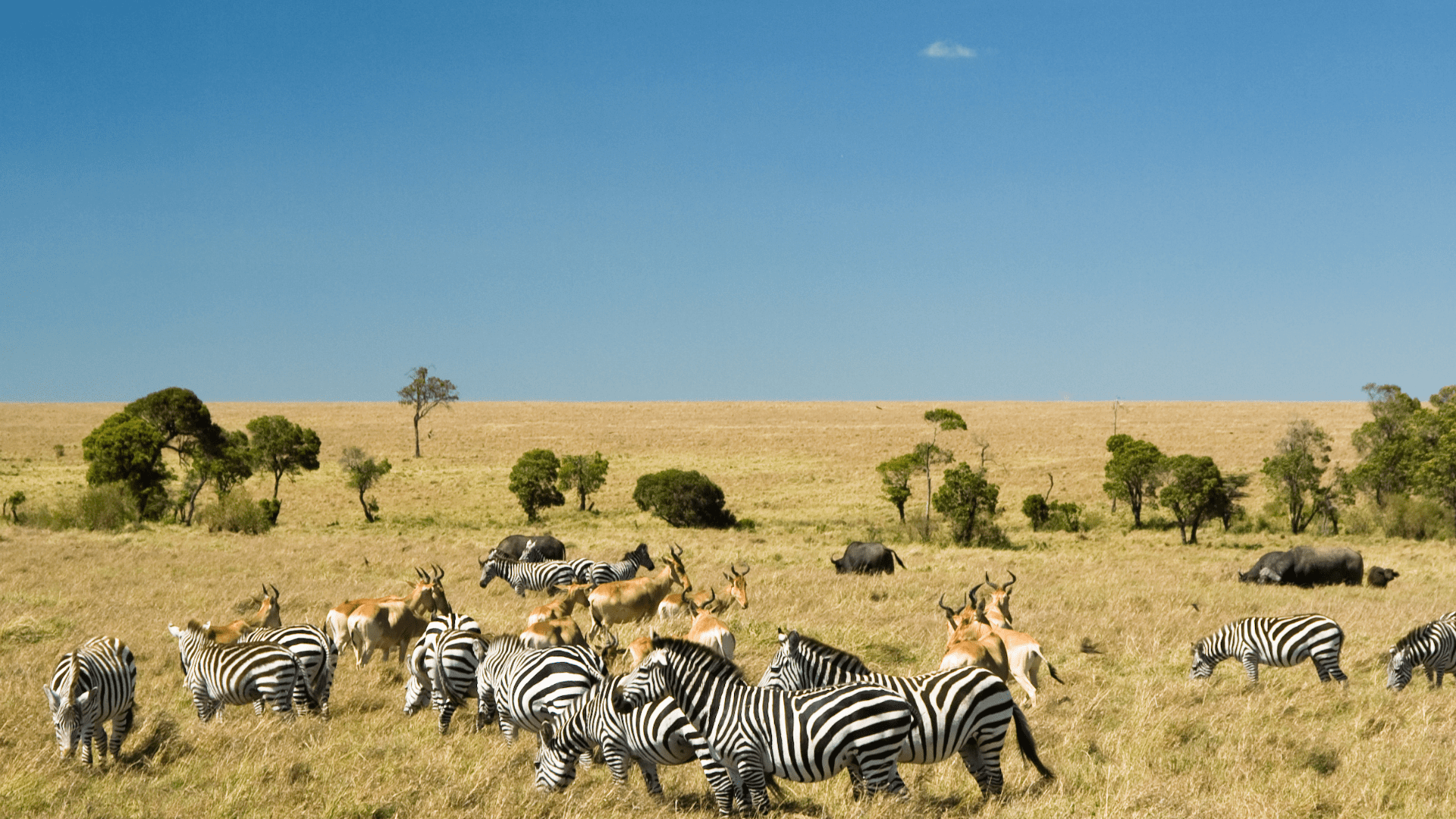
- A hot-air balloon safari at dawn, floating low over the plains as the herds move beneath you.
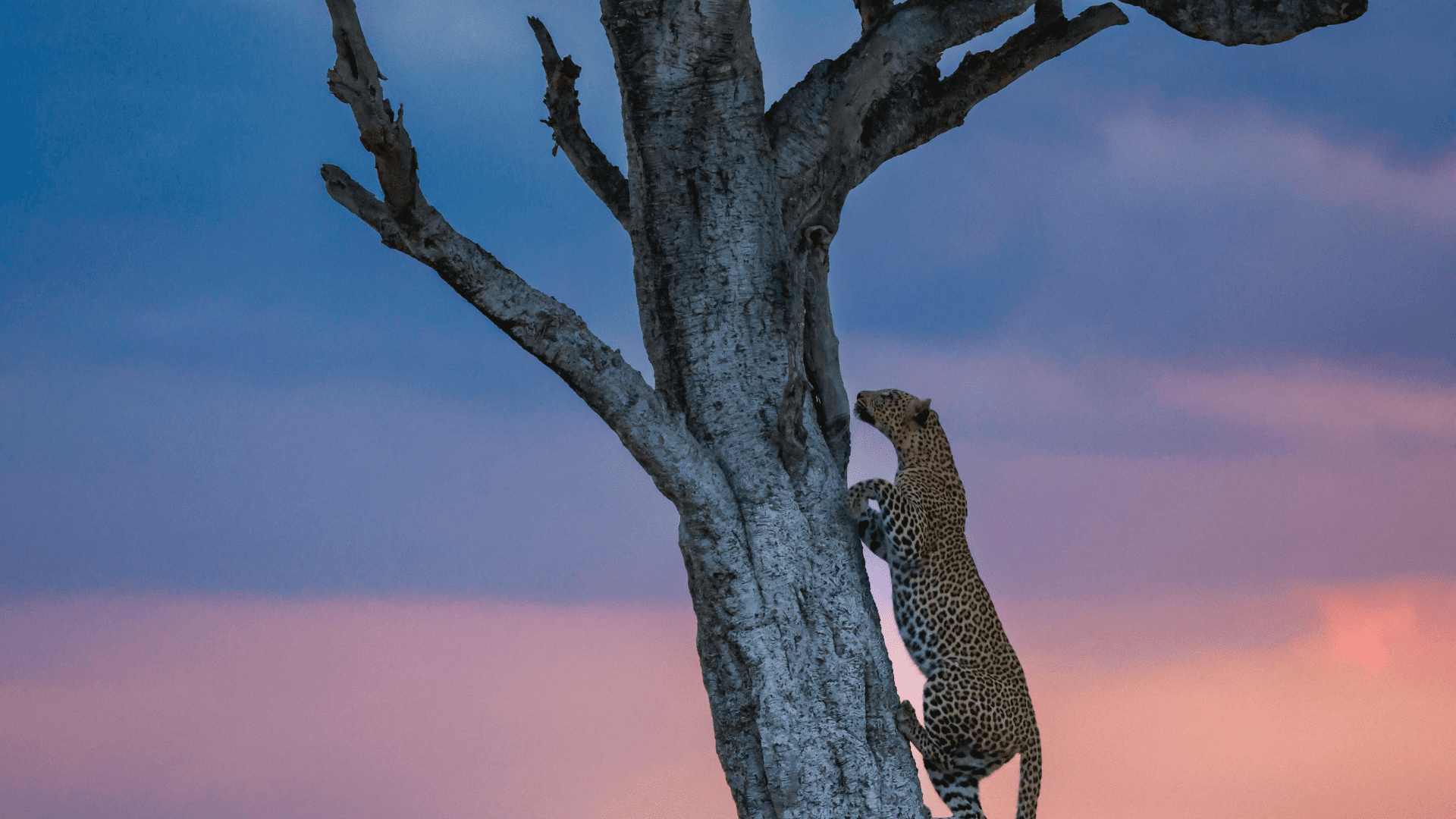
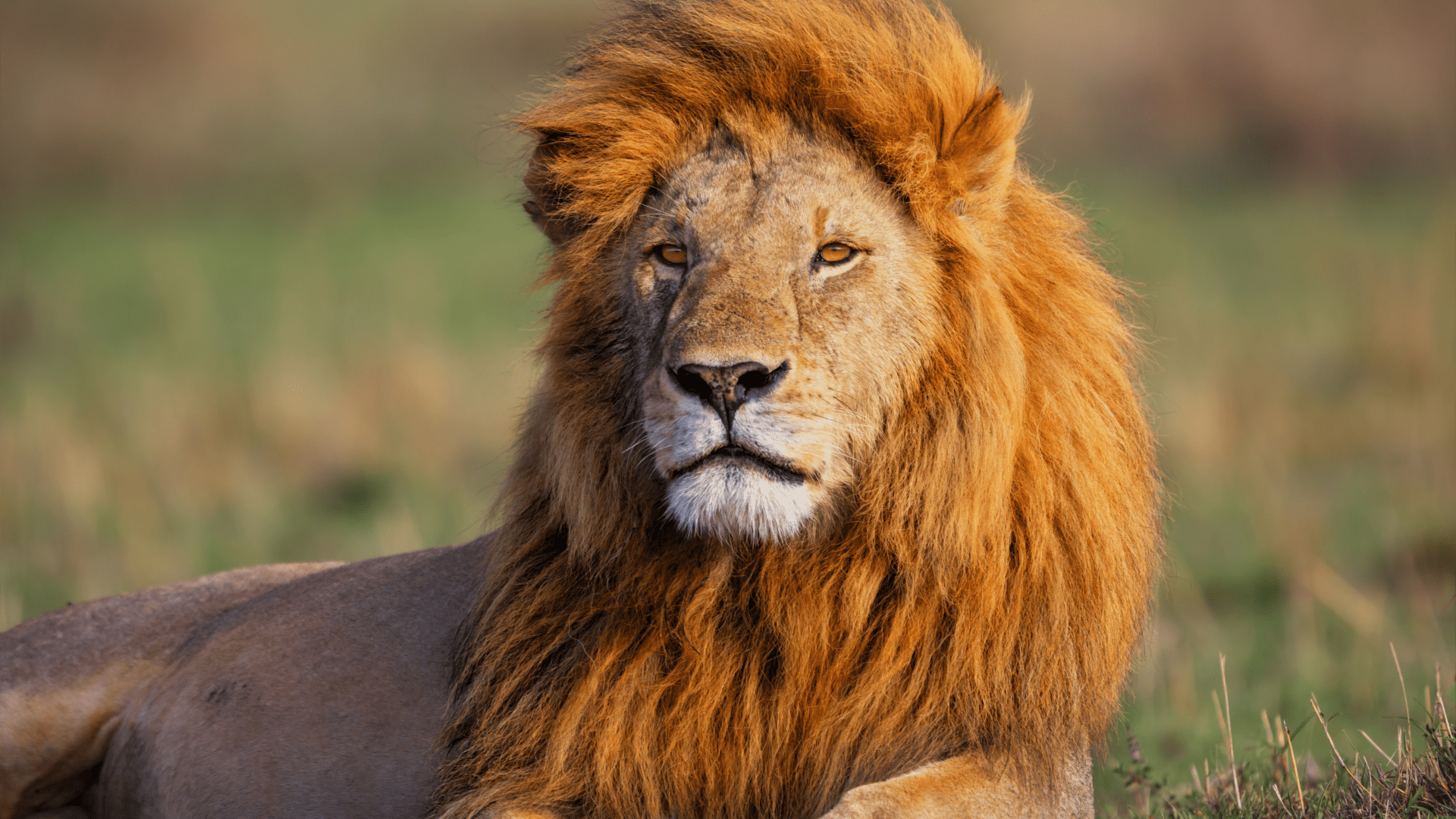
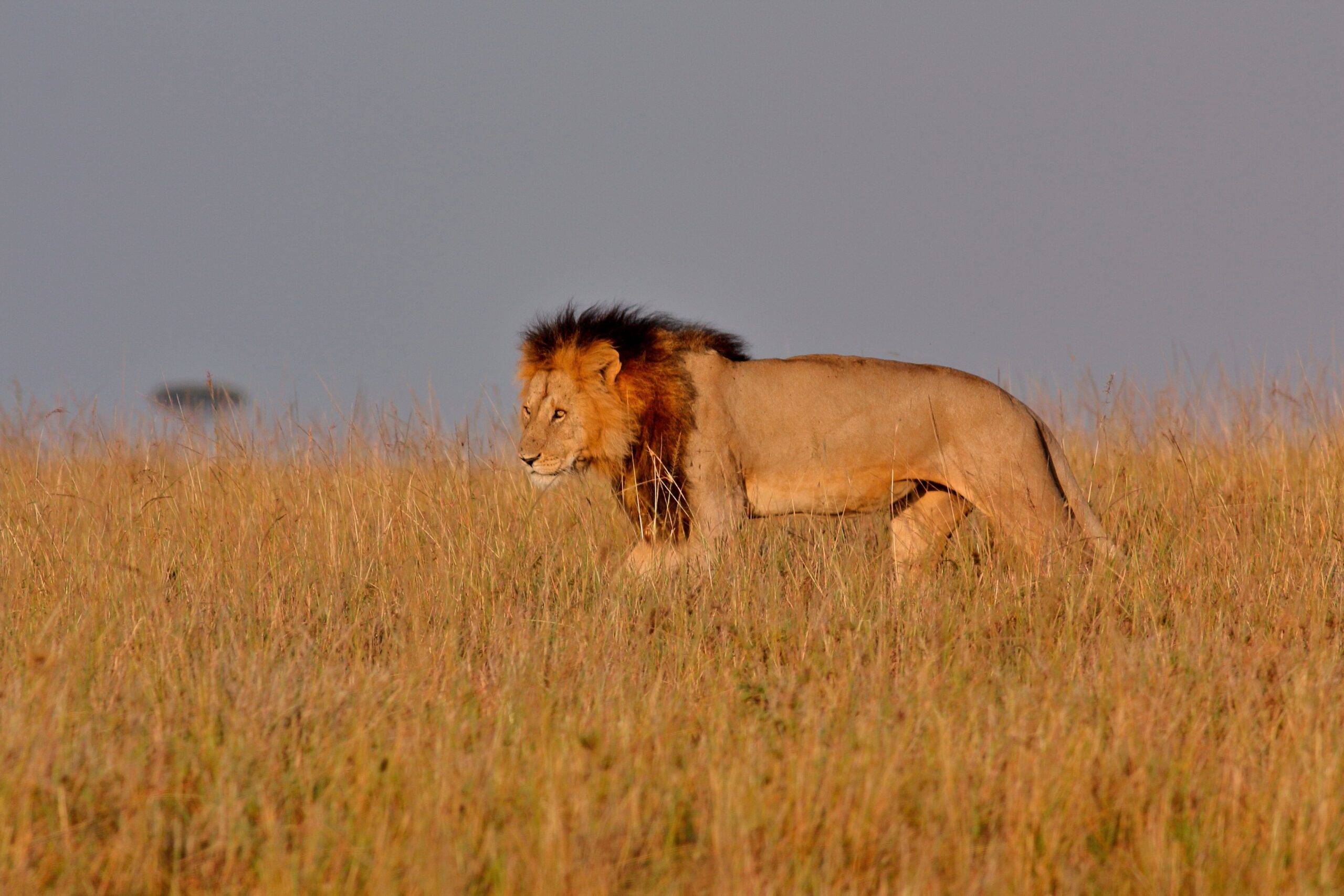
- Big-cat country at its richest — lion prides, cheetah on a mound, a leopard read from the vehicle by your guide.
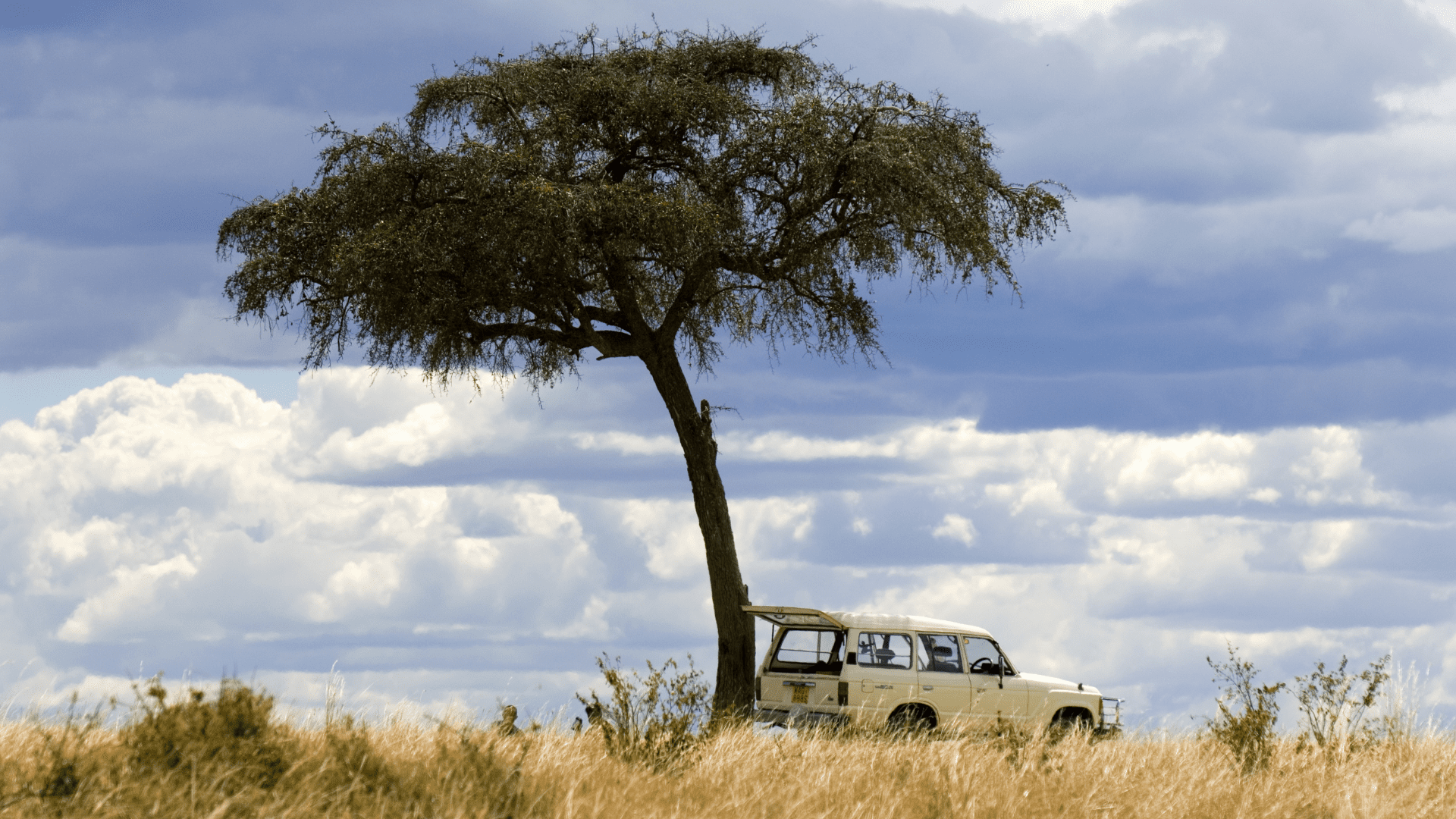
- A dawn-to-dusk photography rhythm with a guide who positions the vehicle for light, not just for the animal.
- A Maasai village visit on the community’s terms, and sundowners on the plain as the sky goes copper.
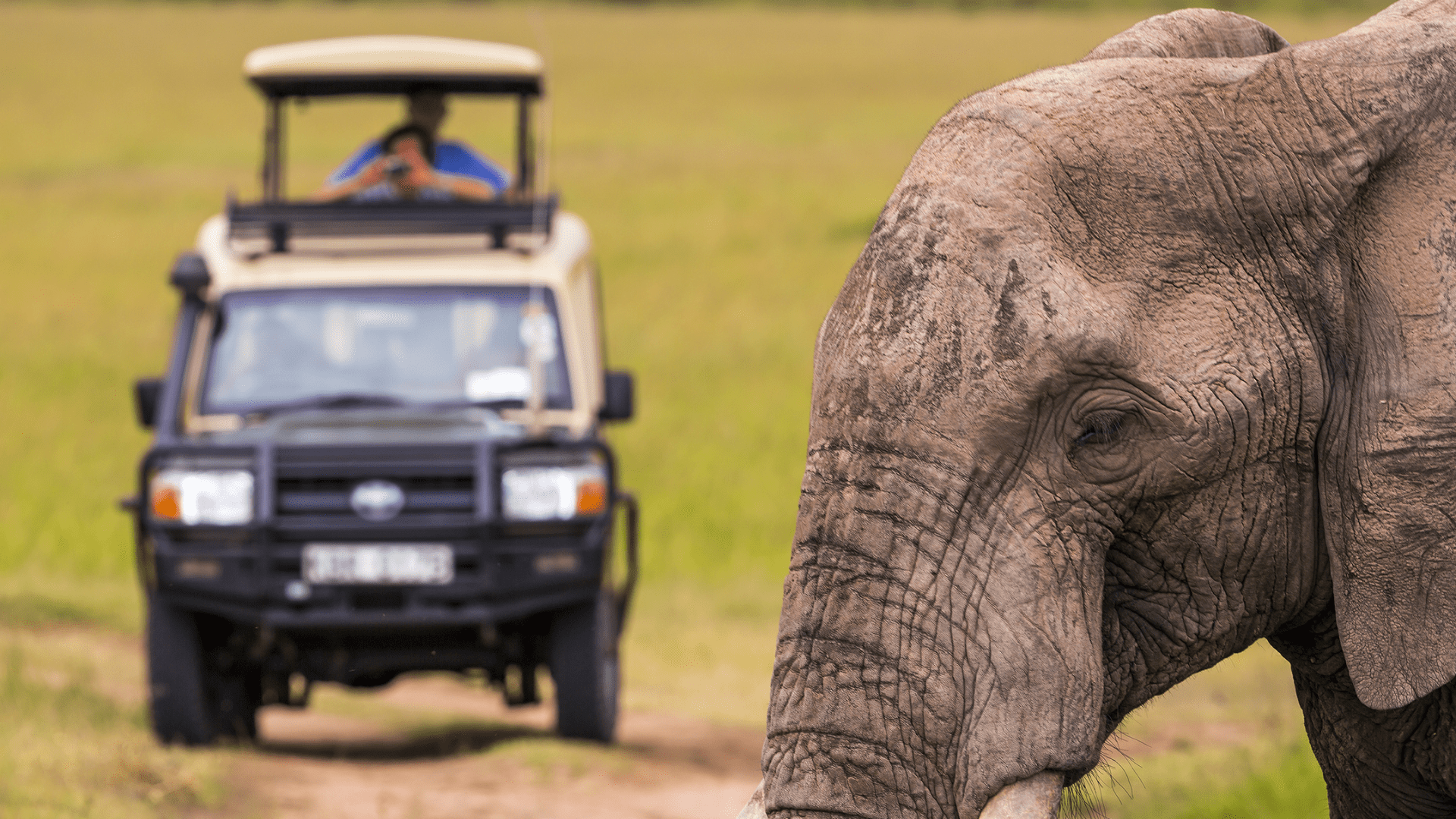
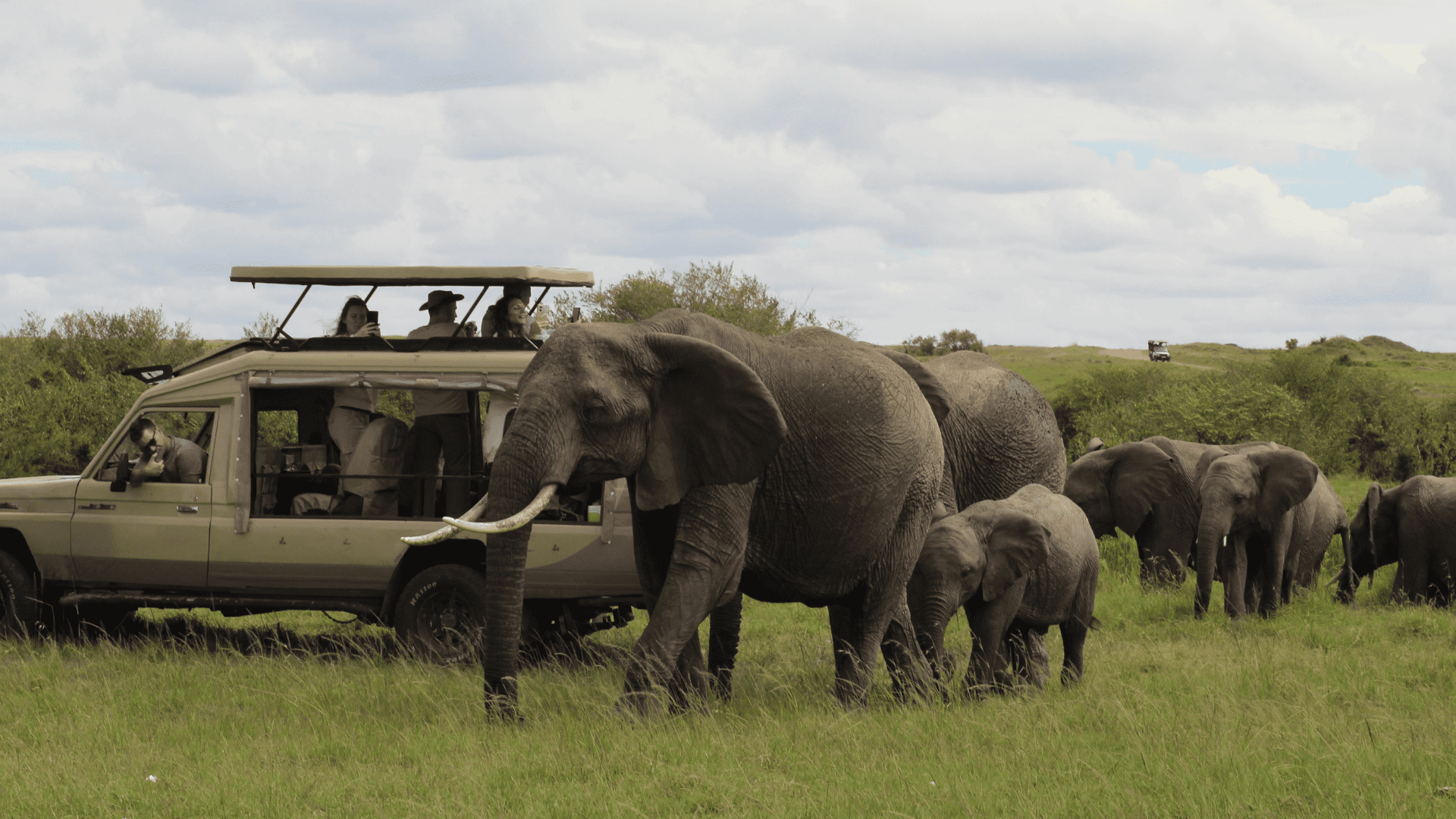
- Small-group game drives — never a convoy of minibuses jostling at the same sighting.
 Masai Mara, Kenya
- Wild, Dusty, Suspenseful
- 6 Nights / 7 Days
- Priced to Your Brief
- Private-Conservancy Camp
- Migration Safari


IT KEEPS ITS OWN CLOCK
Between July and October, more than a million wildebeest push north into the Masai Mara, and at the Mara River they gather, hesitate, and cross through crocodile water. It is the greatest wildlife show on earth and the one nobody can put on a timetable. Six nights, a private-conservancy camp, a group of 8 to 16.
Days run to the light: a dawn drive when the cats are still hunting, a midday break at camp, an afternoon drive to a river bank where herds may or may not commit. A hot-air balloon safari floats you low over the plains at sunrise. Because we base in a private conservancy, we can go off-road and drive at night — access the main reserve forbids.
The honest part is the crossing itself: herds can mass on a bank for hours and turn back, or plunge without warning, and no guide controls which. Patience is the price of the spectacle. July to October is the window, dry and dusty, 12–28°C with cool mornings on an open vehicle. Big cats, though, are near-daily; the Mara holds some of Africa’s densest predator populations.
Some moments are built for lingering: the balloon’s burner going quiet as you drift over a moving herd at first light; a river bank where ten thousand wildebeest decide, all at once, to go; a leopard held in the guide’s spotlight on a night drive, the engine off, nobody in the vehicle willing to be the one who breaks the silence.
For wildlife obsessives and photographers who understand that nature keeps its own schedule — families, couples, first-time and repeat safari-goers. It is not for anyone who needs a guaranteed river crossing to feel the trip delivered, or who wants a fast-paced, city-style holiday; the Mara rewards stillness and long patient hours.
Good to
know
Can you guarantee we'll see a river crossing?

No — and honesty here is the whole point. Herds cross when they choose; they can wait on a bank for hours and turn back, and no operator controls that. What we confirm before you pay is everything that stacks the odds: dates inside the July–October window, a private-conservancy camp with off-road rights, a top guide and daily drives. Big-cat sightings are near-daily; the crossing is the wild card.
What's the best timing, and what are the conditions?
What does a migration safari cost from India?
Let's design
your version
Tell us your dates, group and budget and we’ll shape this journey around them. Everything is priced to your brief and planned on a call, never pulled off a shelf.