


I keep the list in a spreadsheet. It has a column for the country, a column for the year, and — added later, when I began to feel uneasy — a column for how many nights I slept there. Photo by Global Residence Index on Unsplash Fifty rows. Six of them say one night. Two […]
The first three visits were, in retrospect, the same visit. Tower of London, Buckingham Palace, London Eye, Madame Tussauds, a day at Oxford Street, an evening at Brick Lane because somebody said that was where the Indian food was.
I want to be fair to that itinerary. It exists because it works, and if you have four days and have never been, it is not wrong. But on the fourth trip I had eight days and nobody to impress, and I did something different, and I have not been back to the standard version since.
What should I do in London beyond the usual attractions?
Start with the free museums nobody puts on an itinerary — Sir John Soane’s Museum and the Wallace Collection, both free and both extraordinary. Walk somewhere: the Regent’s Canal towpath, the Parkland Walk, Hampstead Heath. Get your view from One New Change’s roof terrace rather than the Shard, for nothing. Go to Columbia Road on a Sunday morning and Maltby Street rather than Borough. And for Indian food, go where Indians live — Southall, Tooting and Wembley — not to Brick Lane.
The house that broke my idea of a museum
Sir John Soane’s Museum, at 13 Lincoln’s Inn Fields, is free, needs no booking, and is the strangest interior in London.
Soane was an architect who filled his own house with antiquities and then arranged the house around them, using mirrors and coloured glass and shafts cut through floors, so that you are never quite sure how large a room is. There is a sarcophagus in the basement. There is a room where the walls open: hinged panels that fold out to reveal more paintings behind the paintings.
The panels open on a schedule, and this is the single most useful piece of information in this article. Hogarth’s A Rake’s Progress on the north wall is shown at 2 p.m.; the south-wall recess opens at 11 a.m., 3 p.m. and 4 p.m. If you turn up at 12.30, you see a wall. I turned up at 12.30 the first time.
It is open Wednesday to Sunday, 10 a.m. to 5 p.m. — closed Monday and Tuesday, which catches people — and there is essentially nowhere to leave a large bag, so travel light.
Two hundred metres away is the Hunterian Museum, also free, reopened in 2023 after a five-year redevelopment: the anatomical collection of a Georgian surgeon. It is not for the squeamish and it is not for young children. Pair them and you have an afternoon that most visitors to London never have.
The Wallace Collection is the other one. Free, a townhouse off Oxford Street, the Laughing Cavalier, Fragonard’s The Swing, one of the world’s great armour collections, and a glass-roofed courtyard to have tea in when your feet stop working.
Walking, which is the actual thing
I did not understand until this trip that London is a walking city that happens to have a very good underground.
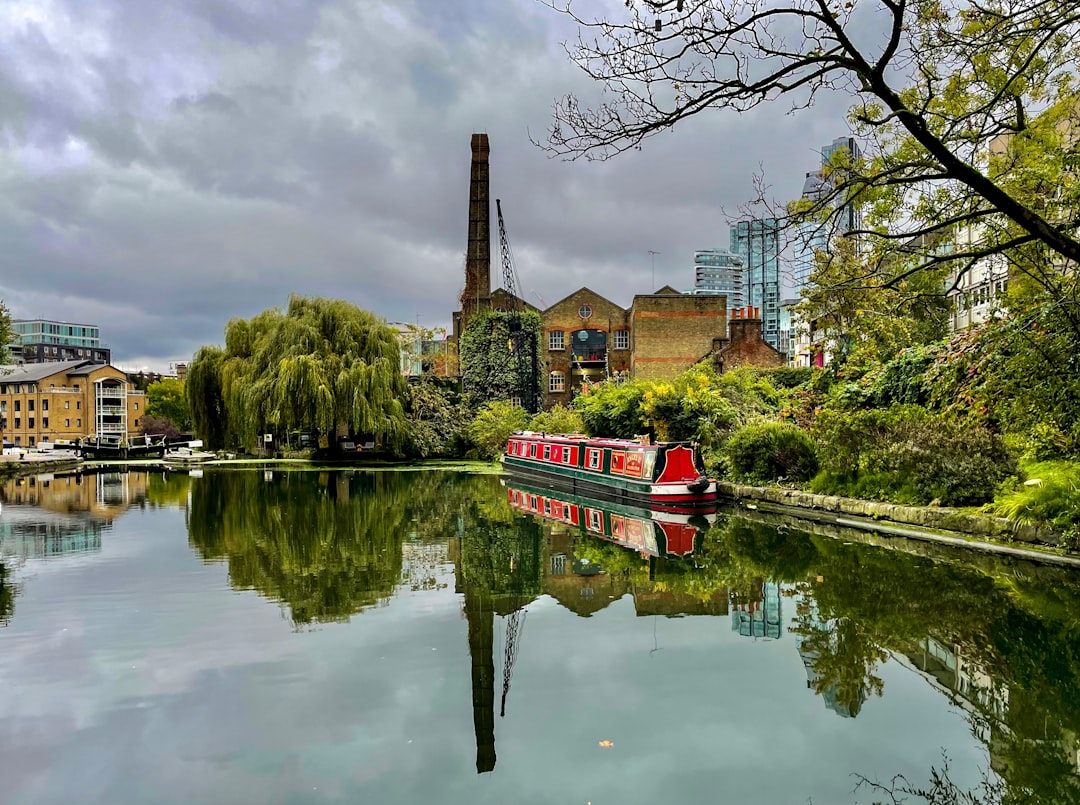
The Regent’s Canal towpath: everyone does Little Venice to Camden in forty-five minutes. Do Camden to Victoria Park to Limehouse instead — longer, emptier, and you pass London Zoo from the outside, where you can see animals through the fence for nothing.
The Parkland Walk: London’s longest local nature reserve, laid along an abandoned railway line from Finsbury Park through Highgate to Alexandra Palace. The old platforms are still there under the brambles. Somewhere in a wall near Crouch End there is a spriggan carved into a bricked-up arch, a green man with an unpleasant face, and finding it is the entire point of the walk.
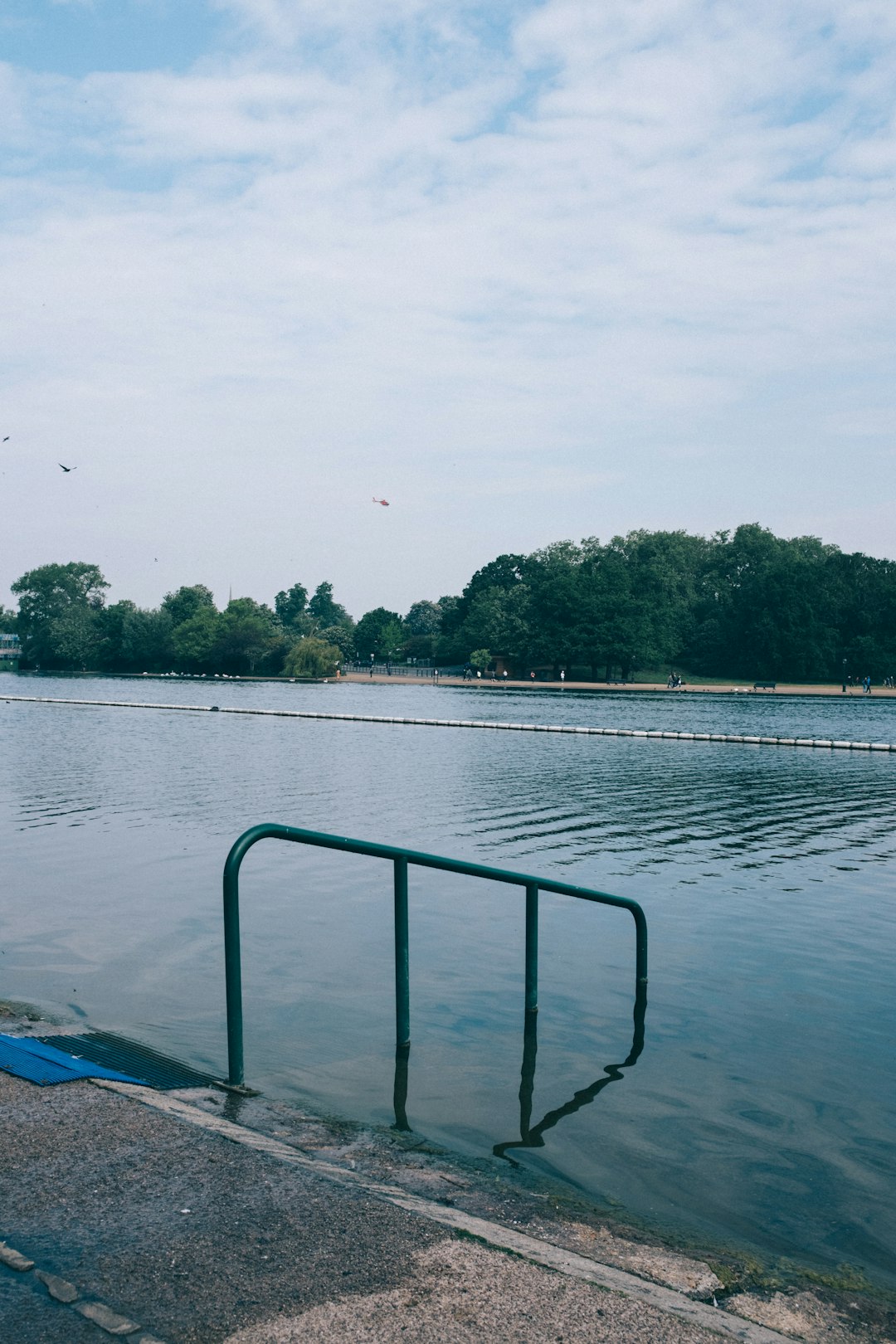
Hampstead Heath and the swimming ponds, which are open year round and cost £5 for an adult, £3 for under-16s and concessions. Three ponds — Men’s, Ladies’ and Mixed. Unheated. In winter the water is around three or four degrees and there is a whole subculture of people who do it anyway. Under-16s and over-60s swim free before 9.30 a.m., and from 1 October 2026 the facilities are cashless.
Highgate Cemetery needs no booking for general admission and the ticket covers both the East and West sides for the whole day. Marx is there, and George Eliot, and Douglas Adams, and the Egyptian Avenue, and it is still an active burial ground, which changes how you walk in it.
Views, and the one that is free
Everyone pays for the Shard. Two better options:
Sky Garden, at the top of the Walkie-Talkie, is free — and this is where people go wrong. Tickets are released weekly, every Monday, up to three weeks ahead, and they go quickly, and each ticket gives you one hour from entry. When the free tickets are gone, booking a table at one of the bars or restaurants is the reliable back door.
One New Change roof terrace is free, needs no booking at all, is open during shopping-centre hours, and gives you St Paul’s dome from directly behind it, filling the sky. I stood up there for half an hour on a Tuesday with four other people.
The Indian food conversation, which I will have honestly
I am from Delhi. On my second trip somebody took me to Brick Lane and I ate a curry that would have embarrassed a railway station.
The food a visitor from Delhi or Mumbai actually wants is thirty to forty-five minutes out of the centre, which is precisely why no tour operator sends you there.
Southall, in Ealing, is Punjabi and it is the real thing — dhabas, sweet shops with jalebi being made in the window, the gurdwara, sari shops, and a high street that reproduces a Punjab high street with a fidelity that is almost disorienting. The Elizabeth line has made it dramatically easier to reach than it used to be.
Tooting is South Indian and Sri Lankan — dosa, idli, hoppers — and is the one the food critics have found.
Wembley, and Ealing Road specifically, is Gujarati, and this is the one nobody writes about and the one that matters most to a certain kind of Indian traveller: it is where a Jain family finds a guaranteed pure-vegetarian, no-onion-no-garlic meal in London. Also the best mithai and farsan I found anywhere in the country.
Markets, briefly
Maltby Street in Bermondsey, Saturdays and Sundays, under railway arches — small, food-led, and roughly what Borough Market was before Borough Market became an attraction. It is a fifteen-minute walk from Borough, which is the joke.
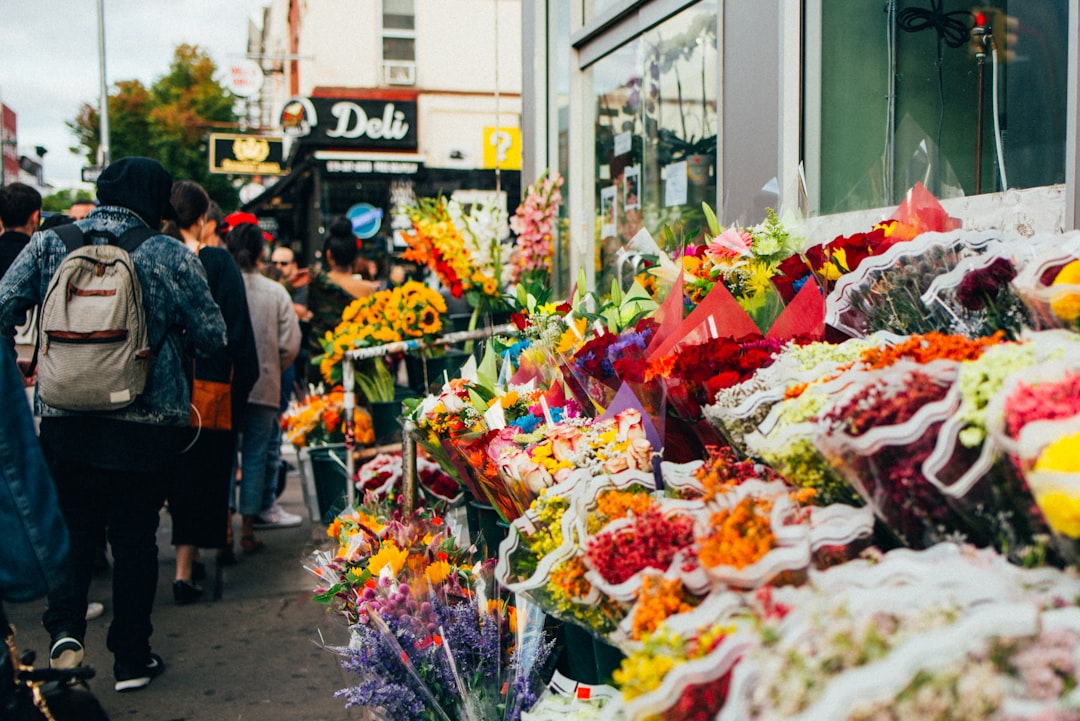
Columbia Road flower market, Sundays only, roughly 8 a.m. to 3 p.m. Go before nine for space, or after two for the shouted end-of-day collapse in prices, when men start bellowing “ten pound the lot” at a crowd of people who did not intend to buy eleven hydrangeas.
Leadenhall Market is beautiful Victorian ironwork and it is dead at weekends. Go on a weekday lunchtime or you are photographing an empty corridor.
Things a guidebook will get wrong right now
London is in an unusually busy period of change and a book printed in 2024 will mislead you.
The Museum of London has left the Barbican. It reopens as the London Museum at Smithfield, in the Victorian meat market, on 28 November 2026. Any guide sending you to the old site is sending you nowhere.
V&A East opened in Stratford in April 2026 — a five-storey museum in the Olympic Park, free, alongside the already-open Storehouse.
And the big one: the Bayeux Tapestry comes to the British Museum from September 2026 to July 2027. The first time it has left France. It will be the ticket of the period and it will distort every museum plan in the city, so book on release or plan around the crowds it pulls.
Two pieces of arithmetic
Contactless has a weekly cap. Not just a daily one. Use the same card or phone for everything and a Monday-to-Sunday week in Zones 1–2 caps at around £33.50 — cheaper than most travelcards. If your trip straddles a Sunday-to-Monday boundary, you lose it. Nobody tells visitors this.
The UK visa. A six-month visitor visa is £135. A five-year visa is £903 — which is £180 a year. If you will visit the UK more than once every four years, the long-term visa is mathematically the correct choice, and almost nobody applies for it. I did not, three times, and then did.
The last thing
The great museums are free. Permanently. The British Museum, the National Gallery, the V&A, the Natural History Museum, Tate Modern, Tate Britain, the National Portrait Gallery.
They charge for the big temporary exhibitions — usually £12 to £25 a head, so £50 to £100 for a family — and the “suggested donation” sign at the entrance is voluntary, which Indian visitors in particular tend to assume it isn’t. Nobody will challenge you.
The Rosetta Stone is free. The Parthenon sculptures are free. The Cast Courts are free. The blockbuster is usually the least essential thing in the building.
Frequently asked questions
Which London museums are free, and what’s the catch?
Permanent collections are free at the British Museum, National Gallery, National Portrait Gallery, Tate Modern, Tate Britain, V&A, Natural History Museum, Science Museum, Imperial War Museum, Wallace Collection, Sir John Soane’s Museum, the Horniman, the Grant Museum and the Hunterian. The catches: major temporary exhibitions charge roughly £12–25 per person; the British Museum requires free timed-entry tickets in peak months; and the “suggested donation” at the door is voluntary, not a charge. The Courtauld Gallery, at around £9, is worth paying for — better Impressionists than most of the National Gallery, in a fraction of the crowd.
When should I visit Sir John Soane’s Museum?
It is free with no booking needed, open Wednesday to Sunday, 10 a.m. to 5 p.m., closed Monday and Tuesday. Time your visit to the Picture Room panel openings: Hogarth’s A Rake’s Progress on the north wall is shown at 2 p.m., and the south-wall recess opens at 11 a.m., 3 p.m. and 4 p.m. Arrive between those and you see closed walls. Large bags, rucksacks and suitcases are not admitted and cloakroom space is very limited.
How do I get into Sky Garden for free?
Free tickets are released weekly, every Monday, for dates up to three weeks ahead, and they go fast. Each ticket allows one hour from entry. Walk-in availability is extremely limited. If the free slots are gone, booking a table at one of the four bars or restaurants is the reliable alternative. Opening hours are weekdays 10 a.m. to 6 p.m. and weekends and bank holidays 11 a.m. to 9 p.m. For a completely unbooked free view, the One New Change roof terrace gives you St Paul’s from behind at no cost.
Where is the best Indian food in London?
Not Brick Lane, which disappoints most visitors from Indian cities. Southall in Ealing for Punjabi — dhabas, sweet shops, the gurdwara, sari shops, and a high street that reads like a Punjab one, now much easier to reach on the Elizabeth line. Tooting for South Indian and Sri Lankan. Wembley, and Ealing Road specifically, for Gujarati — and this is where a Jain family finds a guaranteed pure-vegetarian, no-onion-no-garlic meal. All three are thirty to forty-five minutes from the centre, which is exactly why they are not on itineraries.
What has changed in London that older guidebooks get wrong?
The Museum of London has left the Barbican and reopens as the London Museum at Smithfield on 28 November 2026. V&A East opened in the Olympic Park in April 2026. The Bayeux Tapestry is at the British Museum from September 2026 to July 2027 — the first time it has left France, and the ticket that will distort every museum plan in the city. Simpson’s in the Strand reopened in February 2026, and the Waldorf Astoria at Admiralty Arch opened in spring 2026.
Is the London Pass worth buying?
Rarely. It starts around £99 a day, and break-even is achievable if you are doing several paid attractions in one day — the Tower of London, Westminster Abbey and St Paul’s together are about £93. But London’s greatest museums are free anyway, so for a culture-led trip the pass adds nothing. It suits a compressed one-to-two-day visit hitting three or more paid attractions, and nothing longer. A far better piece of arithmetic: use one contactless card or phone for all travel and let the Monday-to-Sunday weekly cap of around £33.50 for Zones 1–2 do the work.
Our United Kingdom journey is built to get you out of Zone 1 on at least two days, which is where most of this lives. Travellers wanting the islands rather than the capital usually add Scotland or Ireland.
One question at the thumbprint decides this trip: how many times have you been to London before? If the answer is more than once, we will plan you a completely different city.
Continue Reading


A traveller's account of a December Santa trip that went wrong, and the March return to Inari that went right. Polar night, aurora odds and buying Sámi craft honestly.
A father's account of taking a sumo-obsessed child to Japan: which seats to buy, the free morning practice window, and the vegetarian problem nobody warns Indian families about.