


I keep the list in a spreadsheet. It has a column for the country, a column for the year, and — added later, when I began to feel uneasy — a column for how many nights I slept there. Photo by Global Residence Index on Unsplash Fifty rows. Six of them say one night. Two […]
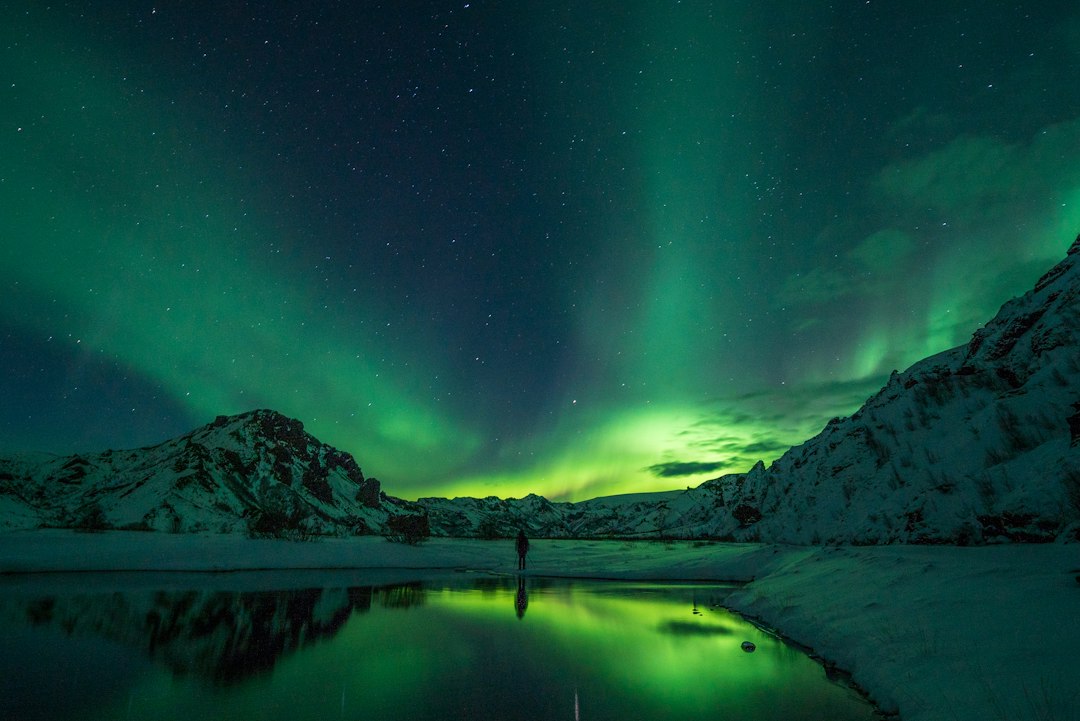
We went in December because that is when you go, obviously. Santa, reindeer, snow, the long blue dark. My daughter was nine and had been drawing the northern lights on the back of her school notebooks since September.
On our second morning I stood outside the hotel in Rovaniemi at eleven o’clock waiting for the famous polar darkness, and the sun came up.
Not far. It scraped along above the treeline like something reluctant, gave us a couple of hours of low gold light, and went down again. It was beautiful. It was also not what I had booked, and I spent about a day quietly annoyed before I looked it up and discovered the thing nobody had told me: Rovaniemi sits at 66.50°N, which is marginally south of the Arctic Circle, and it has no true polar night at all. On 21 December the sun is above the horizon there for over two hours.
I had flown my family to the Arctic and booked the one town in it where the sun still rises.
Is Rovaniemi worth visiting for Lapland?
For a first trip with young children, yes — but understand what it is. Santa Claus Village is free to enter, open every day of the year, and receives more than 600,000 visitors annually, to the point where locals have begun campaigning about the pressure on housing and infrastructure. It is a well-run, extremely commercial Christmas attraction, not Arctic wilderness. It has no polar night, and the painted Arctic Circle line is about 1.2 km south of the real one. If what you want is silence, dark skies and Sámi culture, you need to go further north — Inari, Saariselkä, Ylläs — or come in March instead of December.
The line that isn’t the line
This is my favourite thing I learned, and it cost nothing.
The Arctic Circle marker painted across the ground at Santa Claus Village, the one everybody photographs themselves straddling, was fixed in the 1950s. The actual Arctic Circle is not a fixed thing. It migrates roughly fifteen metres north every year, on a wobble in the Earth’s axial tilt that runs over about 41,000 years. So the real line has walked away from the painted one and is now something like a kilometre and a bit further north, quietly, in the forest, unmarked.
I told my daughter this while we were queueing for a photograph. She thought about it for a while and then said she’d rather go and stand on the real one. We couldn’t, because it’s in the trees and there’s nothing there. But she talked about it for the rest of the trip, which is more than she did about the certificate.
I have come to think that is the whole lesson of Lapland. The good thing is usually a short distance past the thing you were sold.
What I’d do instead, and did
We went back. Different month, different plan, and I want to be honest that the second trip was better in almost every way and cost less.
We went in March. On 21 March, Rovaniemi gets around twelve and a half hours of daylight against just over two on 21 December. More than five times as much. The snow is at its deepest in March, the aurora is still strong — the equinox weeks are one of the two best windows of the whole season — and the queues and the prices had both collapsed. The only thing you lose is Christmas, and if your children are past the Santa age, you lose nothing at all.
We stayed in Inari. This is the part I would say to anyone. Inari is the Sámi cultural centre of Finland — it has the Sámi Parliament and it has Siida, the Sámi Museum and Nature Centre, which is €18 for an adult and is the only place on a standard Lapland itinerary where you will actually learn something. There is a museum, an open-air museum, and a view of Lake Inari that does not have a snowmobile on it.
Nobody had offered me Inari. Every package I was shown was Rovaniemi, three nights, husky, reindeer, Santa, aurora hunt, home.
The thing I got wrong, and I’d like to say it plainly
On the first trip I bought a souvenir drum. Small, painted, hanging in a gift shop among the fridge magnets, and I bought it for the same reason anyone buys anything in an airport-adjacent gift shop.
The Sámi drum is a sacred object. Historically, drums were confiscated and burned. Buying a decorative one is roughly what it would feel like to me to see temple murtis sold as keyrings, and I did not think about it for a second at the time.
There is guidance on this and it is not hard to find. The Sámi Parliament of Finland adopted Ethical Guidelines for Sámi Tourism in 2018, and they name the problems directly: inauthentic representation, “borrowed traditions” — practices from other cultures sold as Sámi — and the habit of describing a lived cultural landscape as “wilderness.” There is also a straightforward test for what you buy: the Sámi Duodji mark certifies genuine Sámi handicraft, and Sámi Made covers products by Sámi people and Sámi-owned companies. Both marks belong to the Sámi and are administered by the Saami Council.
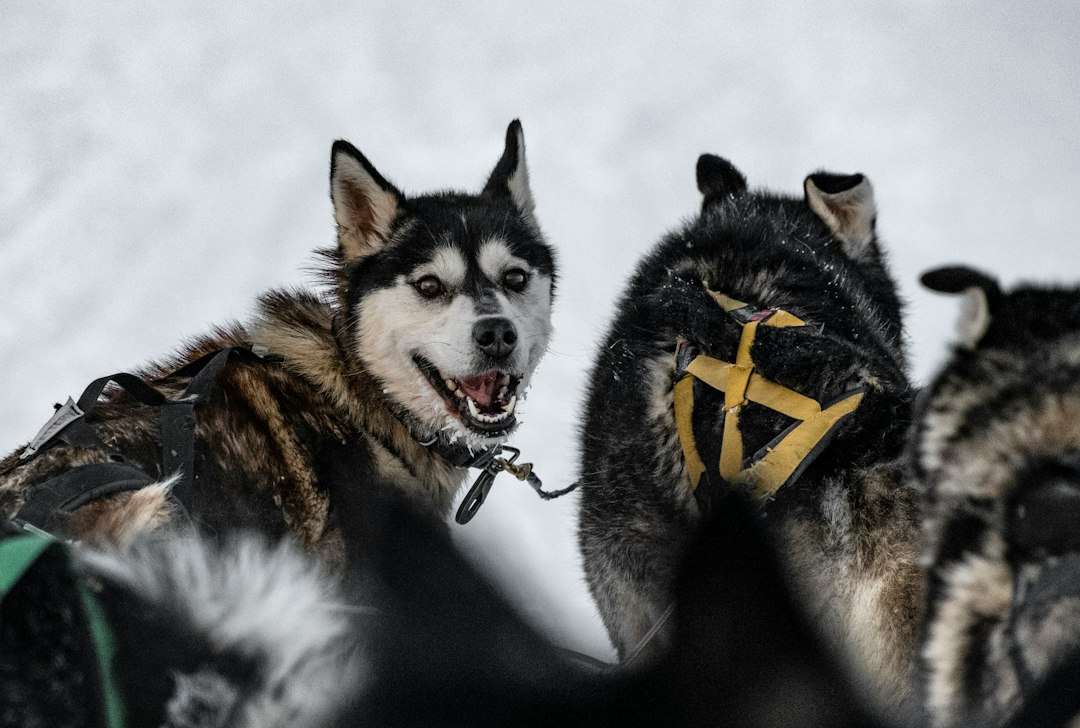
Two other things I did not know. “Lapp” is considered pejorative — the people are Sámi and the homeland is Sápmi. And husky sledding is not a Sámi or a traditional Finnish practice at all. Sledge dogs are a tourism import, they do not mix with reindeer, and kennels sited on herding land are a live grievance rather than a theoretical one. That does not mean don’t go. It means know what you are buying, and ask the kennel whether it holds Green Activities certification — there is a real animal-welfare standard for sled-dog kennels in Finnish tourism, developed at the University of Lapland and launched in 2021, covering summer exercise, retirement provision and breeding control.
I asked our second operator what happens to their dogs when they stop running. He answered immediately and at length, and showed me. That is the question.
About the lights
I want to be careful here because this is what people fly for.
Visit Finland, the national tourist board, publishes the honest number: in Lapland, auroras appear on roughly every other clear night between August and April. Read that twice. Clear is doing all the work. The most common reason people miss the lights is not weak solar activity — it is cloud.
Which means the arithmetic of an aurora trip is simply the number of nights you buy. On our first trip we had two nights and saw nothing. On the second we had six and saw them three times, once so brightly that a Finnish woman standing near us said it was the best display she’d seen that winter, and I have never been so glad to have overbooked anything.
My honest advice, and it is an estimate rather than a statistic: four nights minimum, five to seven if you can. Anyone selling a two-night aurora trip is selling a lottery ticket with a photograph on the front.
One more piece of context for anyone booking now. Solar Cycle 25 most likely peaked in October 2024, so 2026–27 sits in the declining phase. Still a good season. No longer the exceptional one that filled everyone’s social media two years ago. That is worth knowing before you spend on it.
What I would tell myself, two years ago
Go in March. Stay further north than the airport. Give the aurora five nights, not two. Pay the €18 at Siida before you pay €40 for a photograph with Santa. Ask the husky kennel about retirement. Buy the thing with the Sámi Duodji mark on it, and leave the drum on the shelf.
And when you stand on the painted line, know it’s the wrong line, and enjoy it anyway. My daughter still has the certificate. She also still tells people the circle moves.
Frequently asked questions
Does Rovaniemi have polar night?
No true polar night. Rovaniemi sits at 66.50°N, marginally south of the Arctic Circle, and the sun is still above the horizon for over two hours on 21 December. What it has is a long blue twilight — locally called kaamos — which is beautiful but is not 24-hour darkness. For a real polar night you need to go substantially further north: Kiruna and Levi get roughly three weeks, Abisko and Saariselkä around a month, and Inari about forty days.
When is the best month to visit Lapland?
March, for most travellers. Rovaniemi gets around twelve and a half hours of daylight on 21 March versus just over two on 21 December, the snow is at its deepest, aurora activity is strong around the equinox, and prices and queues both drop sharply. December has Christmas and little else in its favour — 20 December to 2 January is the most expensive, most crowded, darkest window of the year. Late January is the underrated cheap option, and late August to October is a genuine aurora season with autumn colour and no snow.
How many nights do I need to see the northern lights?
Visit Finland states that in Lapland auroras appear on roughly every other clear night between August and April — with cloud, not solar activity, being the usual reason people miss them. Working from that, four nights should be treated as a minimum and five to seven is comfortable. A two-night aurora trip is a gamble rather than a plan. The best hours on any night are roughly 21:00 to 02:00.
Is Santa Claus Village free?
Yes. Entry to Santa Claus Village is free and it is open every day of the year, and meeting Santa at the Santa Claus Office is also free. What costs money is the photograph with him, the Arctic Circle certificate, and the activities — reindeer and husky experiences, snowmobile safaris, and the separate SantaPark attraction nearby. The Village receives over 600,000 visitors a year; go before 10 a.m. or after 3 p.m. to avoid the coach groups.
How do I visit Lapland respectfully as regards Sámi culture?
Use the word Sámi, not “Lapp”, and Sápmi for the homeland. Buy craft carrying the Sámi Duodji mark (genuine traditional Sámi handicraft) or Sámi Made (products by Sámi people and Sámi-owned businesses) — both are administered by the Saami Council. Don’t buy souvenir shaman drums, don’t buy or wear a costume gákti, and don’t photograph people in traditional dress or working reindeer herders without asking. The Sámi Parliament of Finland’s 2018 Ethical Guidelines for Sámi Tourism set this out directly, including their objection to Sápmi being described as “wilderness” rather than a living cultural landscape.
What should I ask a husky or reindeer operator?
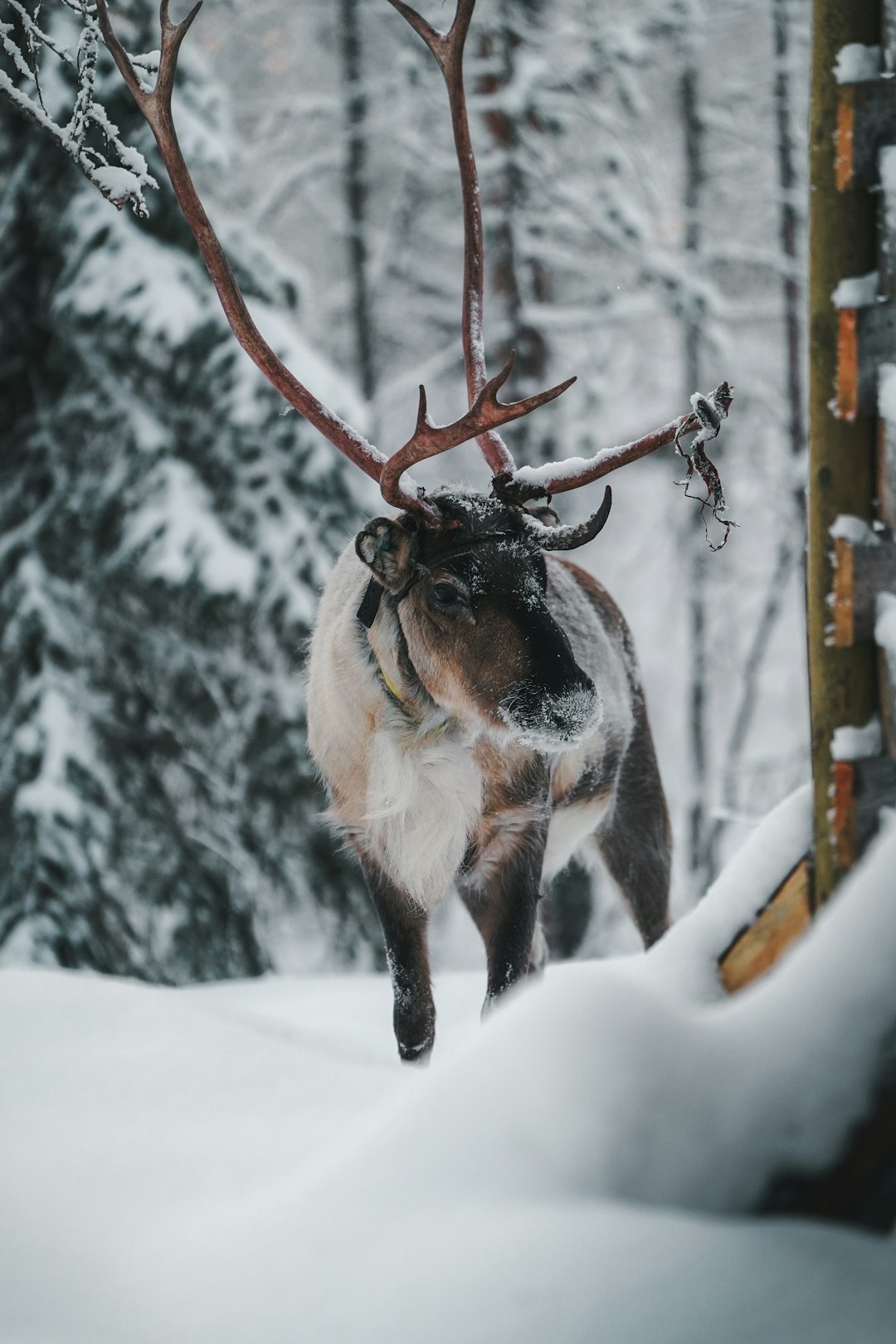
For huskies: whether they hold Green Activities certification, and what happens to the dogs when they retire. Finland has a genuine animal-welfare standard for sled-dog kennels in tourism, developed at the University of Lapland and launched in 2021, covering year-round exercise, retirement provision, breeding control and staff wellbeing — it exceeds the legal minimum. For reindeer, the distinction is different: reindeer are semi-domesticated livestock inside a regulated Sámi herding economy, so a sleigh ride booked with a working herding family is a different transaction from a purpose-built tourist kennel.
Our Scandinavia and Lapland journey is built around the further-north stops rather than the airport town, and travellers chasing the lights specifically usually look at the aurora chase across Lapland and Iceland.
If you are thinking about December, tell us at the thumbprint — and let us make the case for March first.
Continue Reading
A father's account of taking a sumo-obsessed child to Japan: which seats to buy, the free morning practice window, and the vegetarian problem nobody warns Indian families about.
A returning traveller on the free museums nobody books, the Sunday flower market, the ponds, and why the Indian food a Delhi visitor actually wants is 40 minutes out.