


Watching Formula 1 on television gives you the race. Attending a Grand Prix gives you the entire event around it. For a first-time F1 race experience, expect long days, substantial walking, loud cars, changing session schedules, crowded transport and much more happening around the circuit than the race itself. The best way to prepare is […]
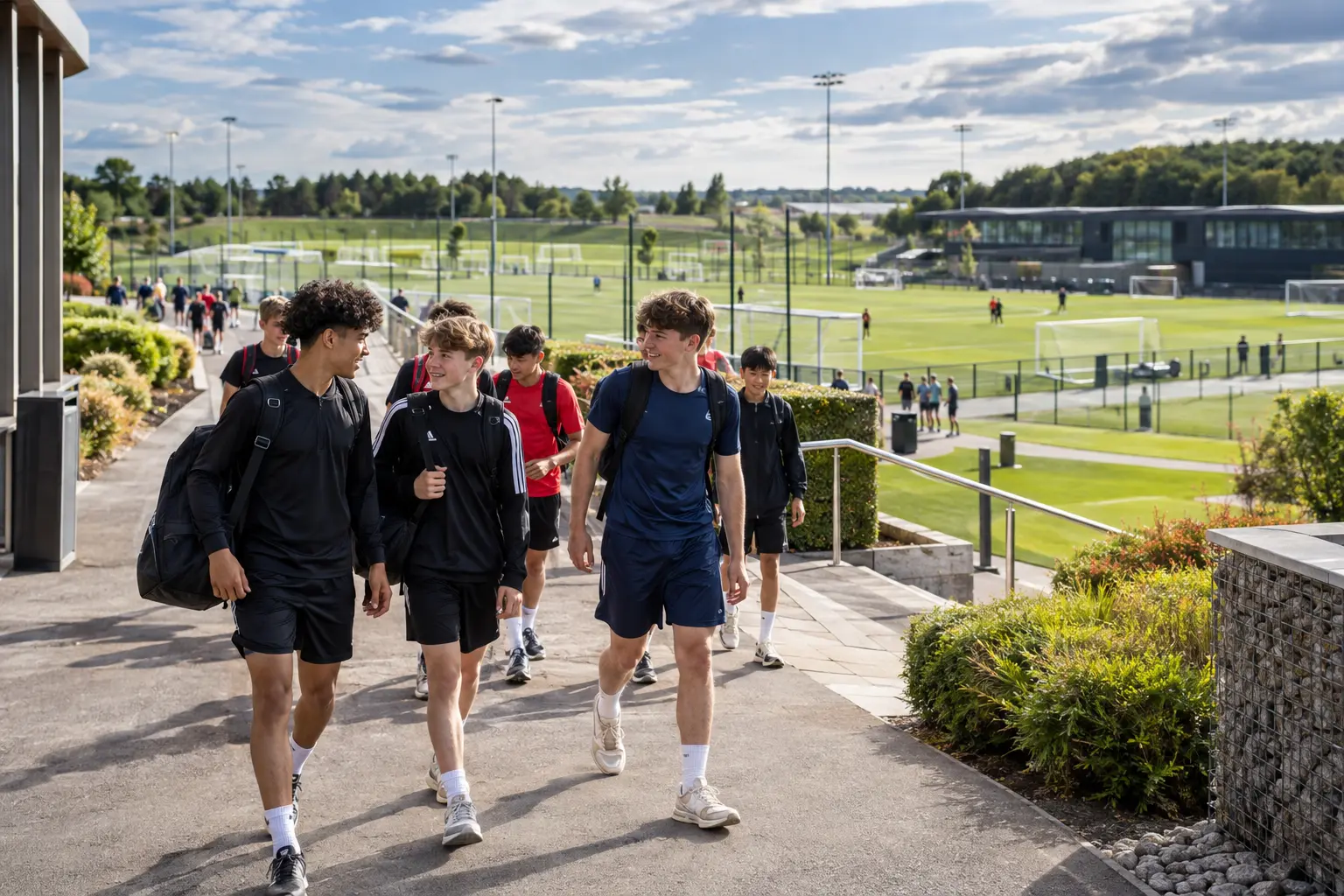
A sports training camp abroad can give young athletes more than time on the pitch, court or track. It can introduce them to different coaching methods, unfamiliar sporting environments, new teammates and cultures, and help them practise independence away from home. The benefits of sports training camps abroad depend on the quality of the programme: the coaching, structure, supervision and opportunities to learn matter just as much as the destination.
For students, schools and families, the value lies in combining purposeful training with experiences that broaden how a young person sees sport—and themselves.
What makes a sports training camp abroad different?
A regular training session usually takes place within a familiar routine: the same facilities, teammates, coaches and competition structure. An international camp can change that environment.
Depending on the programme, athletes may train at specialist facilities, work with coaches who use different methods, play against unfamiliar opponents or experience how another country approaches their sport. The trip can also include cultural activities, stadium visits, language learning or structured group experiences.
This combination is often described as sports immersion learning: using sport as the starting point for learning that extends beyond technical performance.
However, travelling overseas does not automatically make a camp valuable. A well-designed domestic programme may offer more suitable coaching than an overseas camp with limited training time. The key is to assess what the athlete will actually do, learn and experience.
1. Experience different coaching methods and sporting environments
One of the most direct benefits of an international camp is exposure to a new training environment.
Coaches may emphasise different technical details, tactical decisions, movement patterns or approaches to preparation. Even when the fundamentals remain the same, hearing them explained differently can help an athlete reconsider familiar habits.
Training alongside players from other backgrounds can also reveal different approaches to the same sport. For example, a footballer may notice variations in passing tempo or off-the-ball movement; a cricketer may encounter different approaches to footwork, bowling or match preparation.
The value is not that one country’s method is automatically superior. It is that athletes can compare approaches, ask questions and identify ideas that suit their own development.
What to look for: A programme should explain who delivers the coaching, what the sessions cover, how much practical training is scheduled and whether the activities are appropriate for the participants’ age and experience.
2. Build technical skills through focused practice
Camps can create dedicated time for athletes to work on specific aspects of their sport without the usual demands of a school or club schedule.
Depending on the discipline, sessions might focus on technique, decision-making, fitness, tactical awareness, match play or reviewing performance. A structured programme can help participants concentrate on areas that receive less attention during routine team practice.
This is where athletic development travel becomes more than a trip with sport added to the itinerary. The training should have a clear purpose and give participants opportunities to practise, receive feedback and reflect.
Progress, of course, is individual. A short camp cannot guarantee selection, a scholarship, a professional contract or a particular performance improvement. Its contribution is better understood as one experience within a longer development journey.
3. Strengthen confidence, independence and adaptability
Being in a new country asks young people to navigate unfamiliar routines, communicate with new people and adjust to different expectations.
For a student travelling without their usual family or school environment, everyday tasks like following a schedule, managing belongings, arriving prepared and asking for help when needed, can become opportunities to practise responsibility.
Sport adds another dimension. Athletes may need to respond to unfamiliar drills, accept feedback from a new coach or adapt to teammates with different playing styles. These situations can encourage flexibility and self-awareness.
Confidence should not be treated as an automatic outcome of travel. Some students may initially feel unsettled, particularly if it is their first residential experience. Supportive supervision, clear communication and an age-appropriate programme help make the challenge manageable.
4. Learn teamwork beyond the scoreboard
Training abroad can bring athletes into closer contact with teammates because they share more than a practice session. They may travel together, eat together, follow a group schedule and take part in activities outside sport.
That shared experience can create opportunities to practise communication, cooperation and consideration for others. Players may learn how to support a teammate who is struggling, resolve a disagreement or contribute when they are not the strongest performer in the group.
For school teams, these experiences can also give coaches a different setting in which to observe group dynamics. A trip should not be presented as a guaranteed team-building solution, but carefully planned shared activities can create useful opportunities for reflection and connection.
5. Develop cultural awareness through participation
An international camp places sport within a wider cultural setting. Athletes may encounter different customs, food, languages, public spaces and ways of organising daily life.
These experiences can make cultural learning tangible. Instead of only reading about another country, students have to listen, observe, ask questions and interact respectfully with people whose routines may differ from their own.
This is an important part of sports immersion learning: the sporting experience becomes a bridge to understanding the place in which it happens.
The most meaningful programmes leave room for this learning rather than packing every day with activities. A cultural visit or conversation is more useful when participants have time to engage with it and reflect on what they noticed.
6. Connect sport with leadership and personal development
A well-rounded sports programme can help participants think about the habits that support their involvement in sport: preparation, discipline, goal-setting, communication and responding to setbacks.
Some camps include workshops or guided discussions alongside training. Picknic’s education approach, for example, describes journeys built around structured exposure and learning outcomes, with pre-trip preparation, on-site activities and post-trip debriefing.
For athletes, a useful reflection might be as simple as identifying one technical point to practise, one contribution they made to their team and one situation they handled differently than they would have before the trip.
These are not substitutes for coaching or formal development plans. They can, however, help young people connect what happened during the camp to what they do when they return home.
7. See sport in a broader context
Sport is not only about training and competition. It is also connected to venues, communities, history and the people who make the sporting world function.
Depending on the destination and itinerary, participants may visit stadiums, museums, academies or other sporting institutions. These experiences can help young athletes understand the culture surrounding their sport and see how it fits into a wider community.
For instance, Picknic lists international sports experiences that include football camps in Manchester and Barcelona, as well as cricket camps in Melbourne and London. The details differ by programme, so families should check the specific itinerary rather than assume every camp includes the same activities.
How can parents and schools assess whether a camp is worthwhile?
The right programme depends on the athlete’s age, interests, experience and goals. Before committing, ask:
| What to check | Questions to ask |
| Coaching | Who leads the sessions, and what qualifications or experience do they have? |
| Training structure | How much time is devoted to practical training, and what skills or outcomes are covered? |
| Suitability | Is the programme designed for the participant’s age and level, or does it require a particular standard? |
| Supervision | Who is responsible for participants outside training, including overnight? |
| Safety and welfare | What medical arrangements, insurance, emergency procedures and parent communication are provided? |
| Balance | Is there enough time for rest, meals and cultural activities, rather than an overcrowded schedule? |
| Cost and inclusions | What is included in the quote, and what expenses or requirements sit outside it? |
| Expectations | Is the camp for development and experience, or does it offer a separately documented assessment or selection process? |
Schools and parent committees should also request a written itinerary, the supervision arrangements and a clear explanation of the programme’s learning objectives. Picknic says its education journeys can include vetted stays and transport, defined supervision ratios, trained tour managers, medical protocols, insurance and regular parent updates; families should confirm the arrangements that apply to their chosen trip.
When is an overseas sports camp the right choice?
An international camp may be worth exploring when a young athlete is curious about experiencing a different sporting environment, ready to participate in a structured group programme and interested in learning beyond regular training.
It may be less suitable if the main expectation is guaranteed selection, a professional opportunity or rapid improvement within a short period. Those outcomes should never be assumed simply because a camp takes place overseas.
The decision should come back to the participant: their goals, readiness, interests and the specific programme on offer.
Explore sports training experiences with Picknic
Picknic designs educational journeys for schools and institutions, including sports academy experiences across different disciplines. Its listed programmes include football camps in Manchester and Barcelona, alongside cricket experiences in Melbourne and London. Each has its own schedule and format, so the next step is to review the details against the athlete’s age, goals and travel requirements.
Planning a sports training experience abroad? Tell Picknic about the participant’s age group, sport, interests and preferred travel period to explore a programme that fits. For school groups, share the cohort size and intended term so the itinerary and costs can be developed around the group’s requirements.
The lasting value of a sports camp is not measured only by the games played or drills completed. It is also found in what athletes notice, how they respond to new challenges and what they bring back into their sport and everyday lives.
Continue Reading


For young footballers who want to experience elite football in the UK, the Manchester United Soccer Schools (MUSS) programme offers more than a football camp. Picknic’s Manchester programme is a 10-day residential football development experience for ages 10–16, combining technical and tactical coaching, match play, personal-development sessions, an Old Trafford stadium experience and a weekend […]

Wimbledon needs ten months. El Clásico tickets don't exist until two weeks out. A curator's guide to the ballots, memberships and 30x markups between an Indian fan and a seat.