
We Make You Travel
South India covers the five southern states and the country you cross to reach them, from Karnataka’s western hills down to the tip of the mainland at Kanyakumari. Our collection concentrates on Karnataka, Tamil Nadu, Puducherry and Kerala, the arc where coffee estates, granite temple complexes, colonial quarters and lagoon-fed backwaters sit within reach of one another.
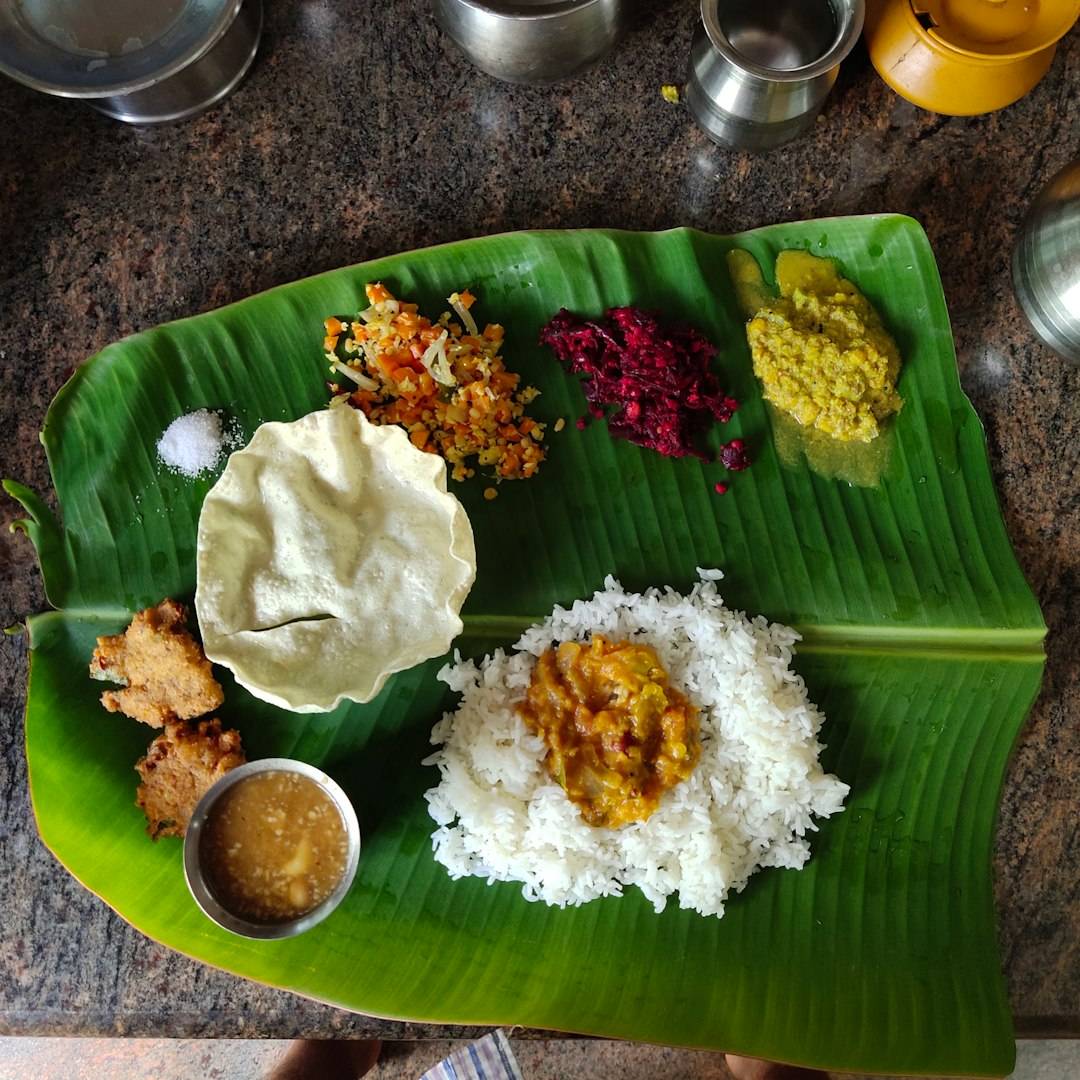
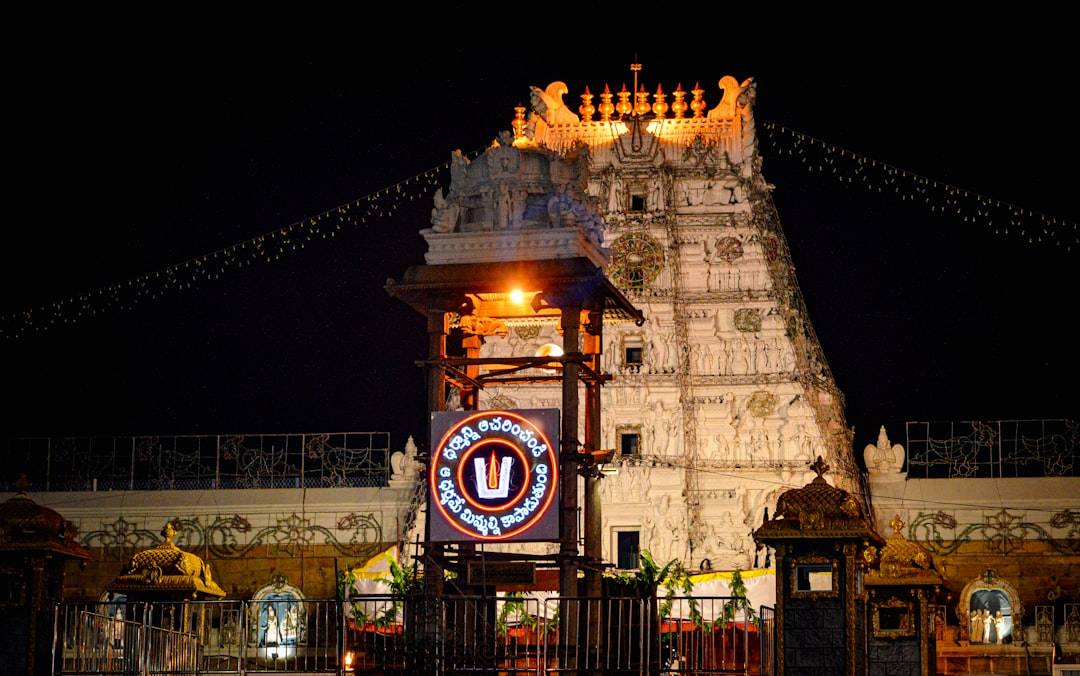
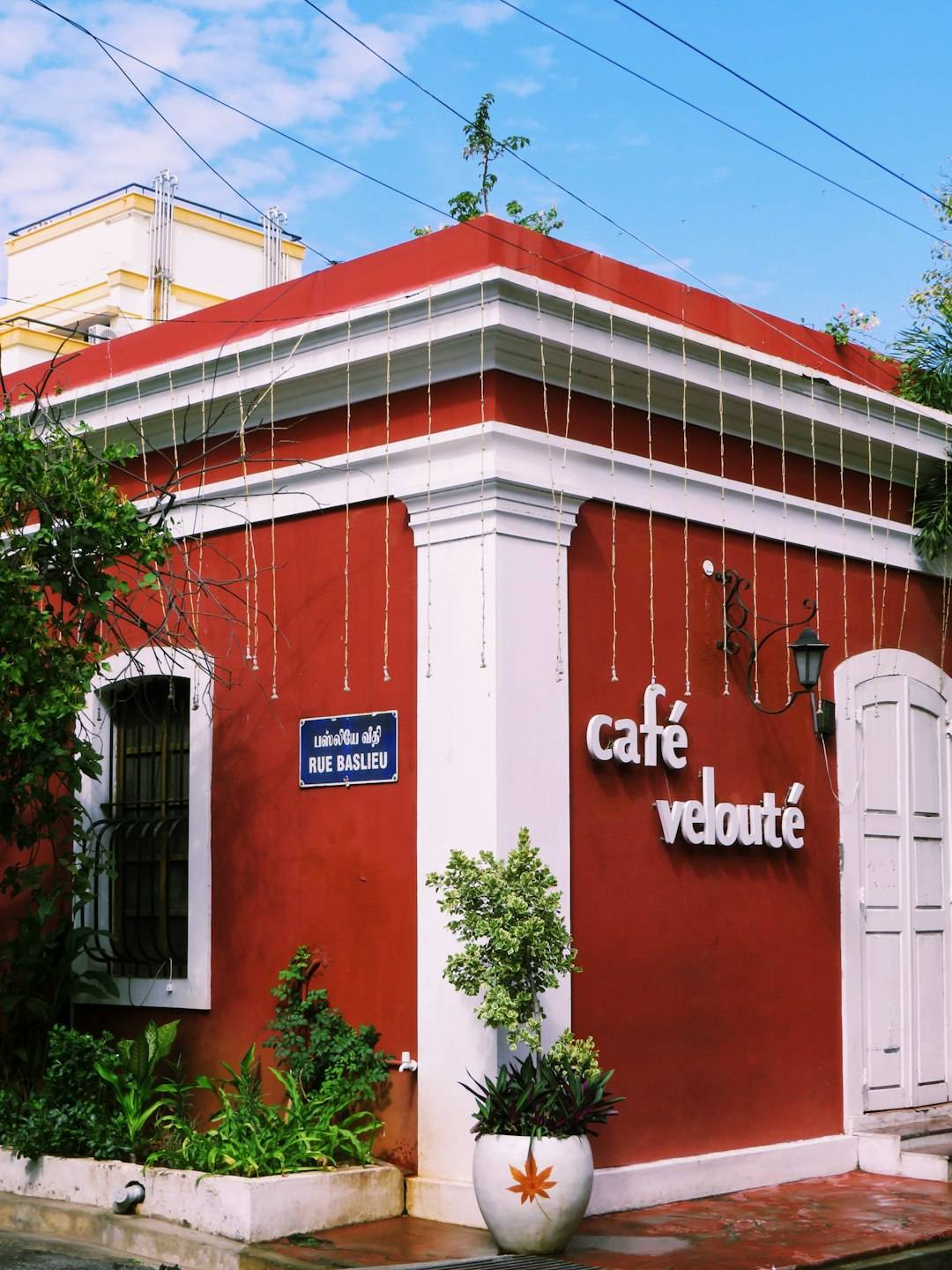
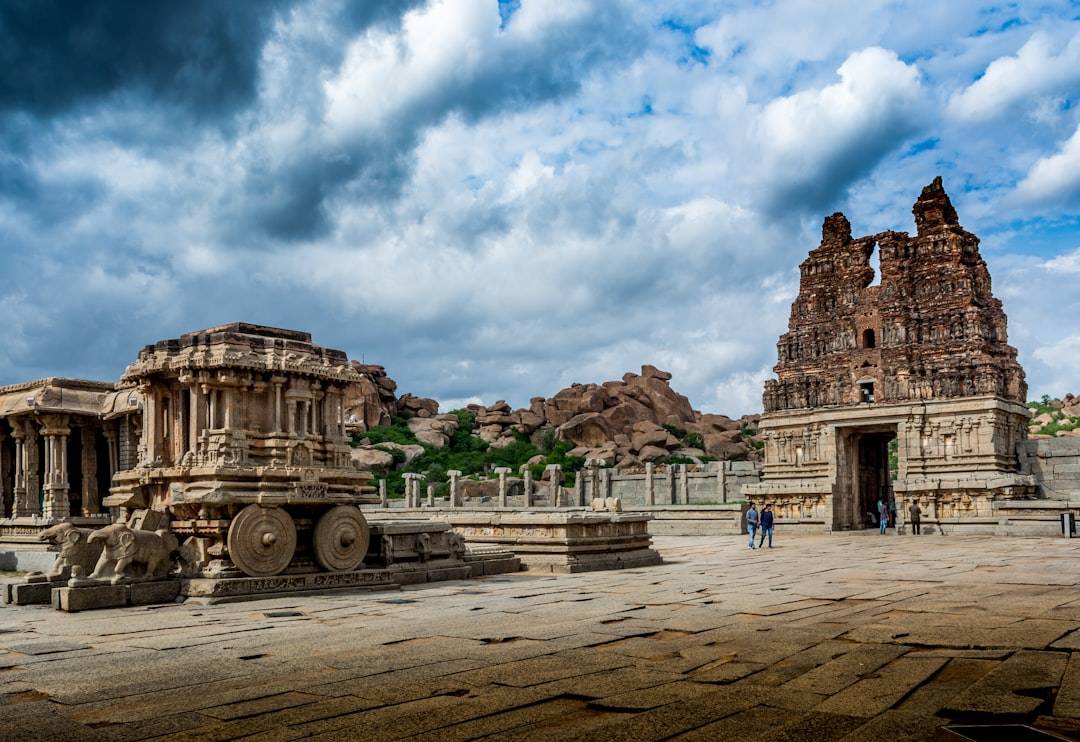
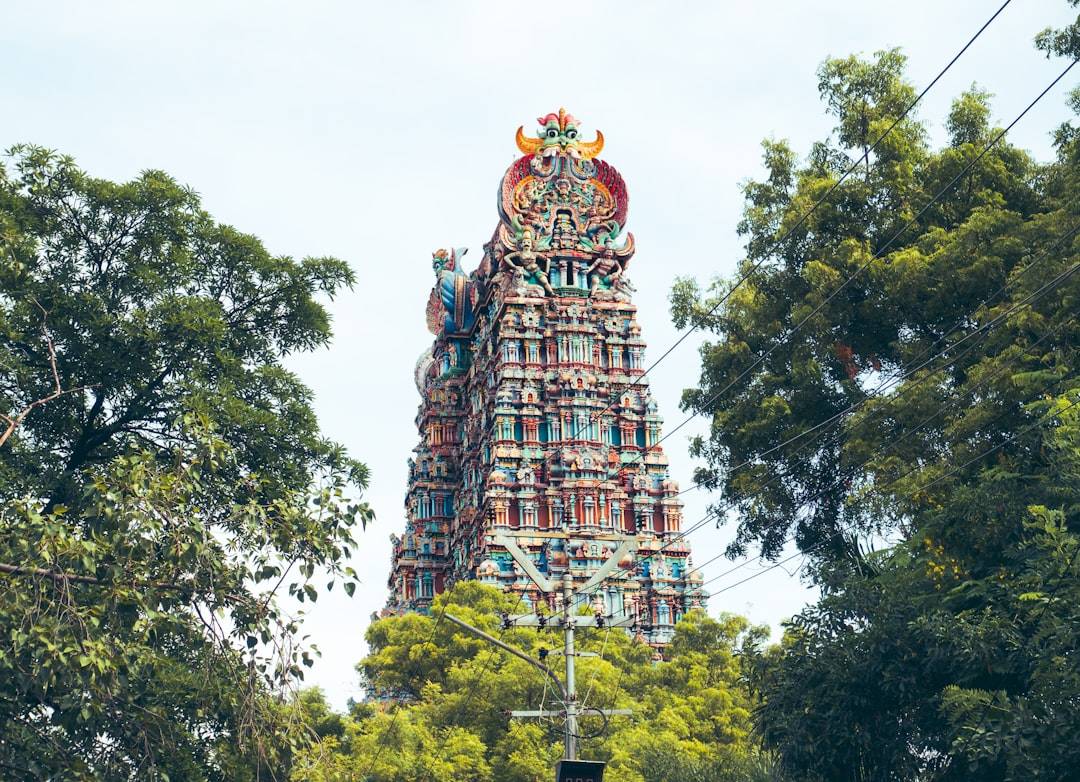
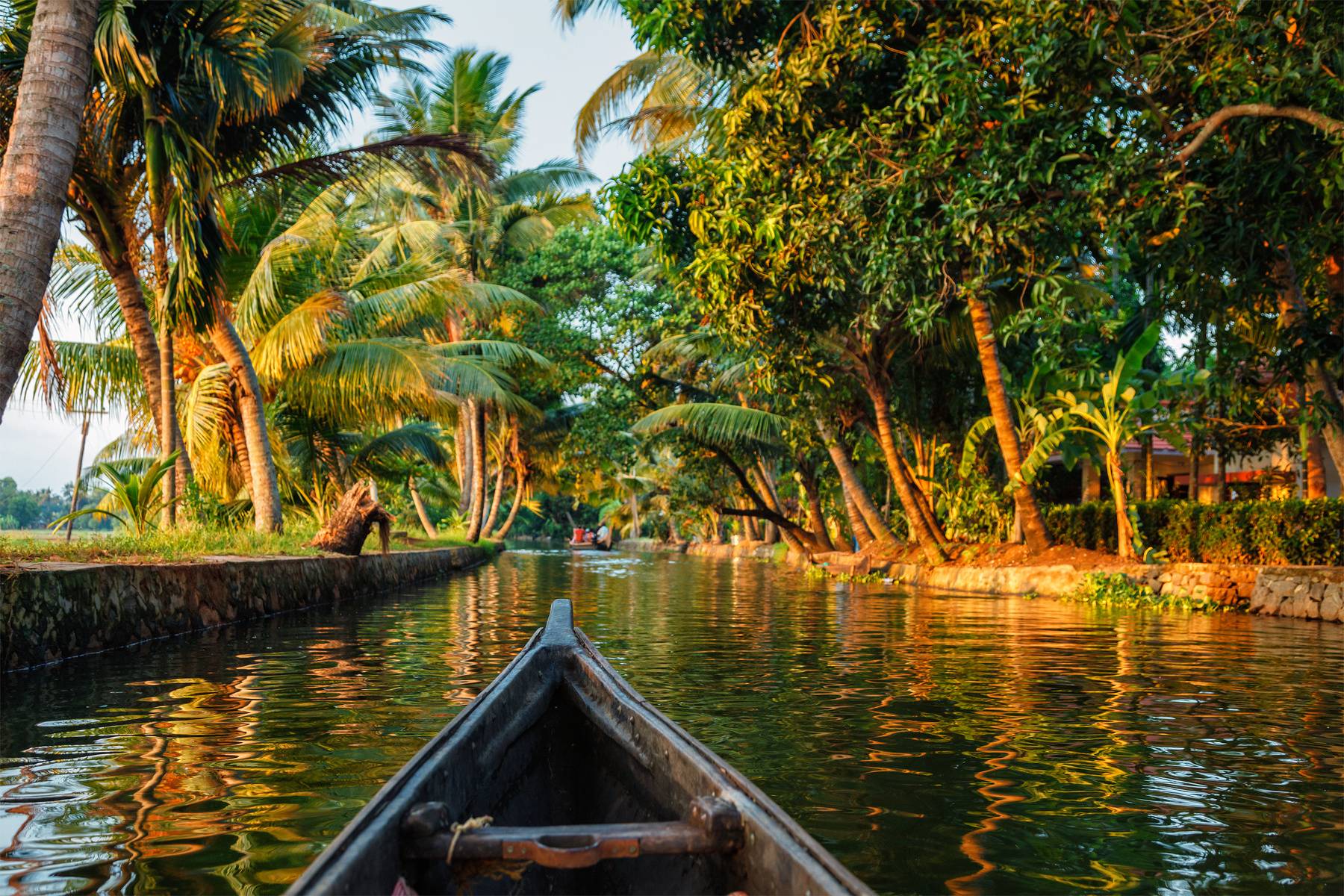
What sets the south apart is layering. Vijayanagara left a ruined capital at Hampi. The Cholas, Pandyas and their successors built the towering gopurams that still order daily worship at Madurai and Rameswaram. The British and the French left coffee plantations, hill-station railways and a seafront town of mustard walls. Kerala added its own grammar of water, spice gardens and tea. Food shifts with each of these, from Coorg pandi curry to Chettinad kitchens to a Malayali fish meal on a banana leaf.
The range runs from active temple pilgrimage to quiet estate mornings and long, unhurried days on a boat. It suits travellers who want depth over box-ticking, who don’t mind a few hours in the car between regions, and who are happy to observe the etiquette that living temples ask of visitors.
What you’ll find
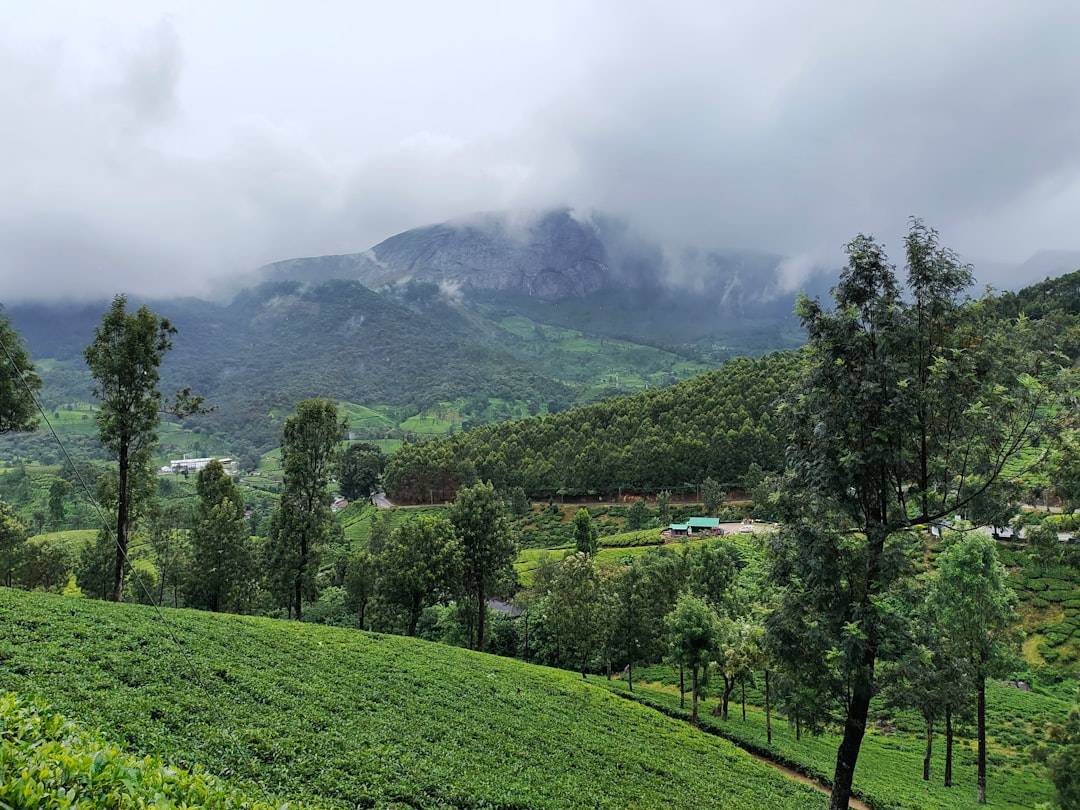
When to go. The reliable window is October to March, when days are warm rather than hot and the air is clearest across most of the south. The peninsula has two monsoons: the south-west from roughly June to September, and the north-east from October to December, which brings rain to Tamil Nadu and the Coromandel coast just as the rest of the country dries out. The hill stations of Coorg, Chikmagalur and the Nilgiris stay cool year-round and are pleasant even in the hot months before the rains. April and May are hot on the plains and better spent in the hills.
Every route here is planned on a call, then priced to your dates, your pace and how much ground you want to cover. Tell us which regions pull at you and how long you have, and we’ll shape an itinerary that respects the distances and the seasons rather than fighting them. No fixed packages, just a conversation and a plan built around you.
© 2026 PicknicGo. All rights reserved.