

Journey Highlights
- The Har Ki Pauri Ganga aarti at Brahmakund in Haridwar, floating lamps and hymns as the current pulls swiftly past.
- The holy dip at Brahmakund, where the Ganga leaves the mountains and pilgrims bathe holding the chains against the flow.
- Chandi Devi and Mansa Devi temples on the hills above Haridwar, each reached by a short ropeway ride.
- Rishikesh’s Triveni Ghat aarti at dusk, quieter than Haridwar’s, lamps set adrift on the darkening river.
- Parmarth Niketan’s riverside Ganga aarti, children of the ashram singing on the steps as the sun drops behind the hills.
- The Beatles Ashram at Chaurasi Kutia, graffiti-covered meditation domes standing empty in the forest above the river.
- Rishikesh as a gateway to the Char Dham, where the road to Kedarnath and Badrinath begins.
 Uttarakhand, the Ganga
- Three to Five Days


Experience Overview
Haridwar and Rishikesh sit where the Ganga finishes its mountain descent and spreads into the plains. Haridwar is one of the seven holiest Hindu cities and a Kumbh Mela site; Rishikesh, an hour upstream, is quieter, greener, and long known as a place of ashrams and yoga. Together they make the classic upper-Ganga pilgrimage.
Most days begin in Haridwar — a dawn dip at Brahmakund, the ropeways up to Mansa Devi and Chandi Devi, and the evening aarti at Har Ki Pauri. Then upstream to Rishikesh for Triveni Ghat, Parmarth Niketan’s riverside aarti, the Beatles Ashram, and a morning of yoga or a walk across the Ram Jhula bridge.
The two towns feel different. Haridwar is loud and devotional — bells, loudspeaker hymns, marigolds on the water, the river running fast and cold from the hills. Rishikesh trades some of that for pine air, rafting boats and meditation. The Beatles came to Rishikesh in 1968; the ashram they used now stands in ruins, walls painted over.
Some moments are built for lingering: the Har Ki Pauri aarti at full dark, a thousand lamps carried on the current; the cold shock of the Brahmakund dip, chain in hand against the pull; the ropeway swinging up to Mansa Devi; and Parmarth Niketan at dusk, the ashram children’s voices carrying over the moving water.
For pilgrims and yoga travellers who want the Ganga at its source-side best, devotion in Haridwar and calm in Rishikesh. It is not for anyone expecting solitude at the ghats, comfortable in fast cold water, or hoping to avoid crowds — during Kumbh and Ardh Kumbh years, Haridwar fills beyond measure.
Everything you
need to know
How does the aarti at Har Ki Pauri work, and can we join?

The Ganga aarti at Brahmakund happens every evening around sunset, run by the local priests. It is free and open to all — you simply arrive early, find a spot on the steps, and stay for the lamps and hymns. We time your evening for it and arrange a seated place away from the crush.
What about the holy dip and the crowds?
What shapes the cost?
Ready to Photograph
Haridwar & Rishikesh
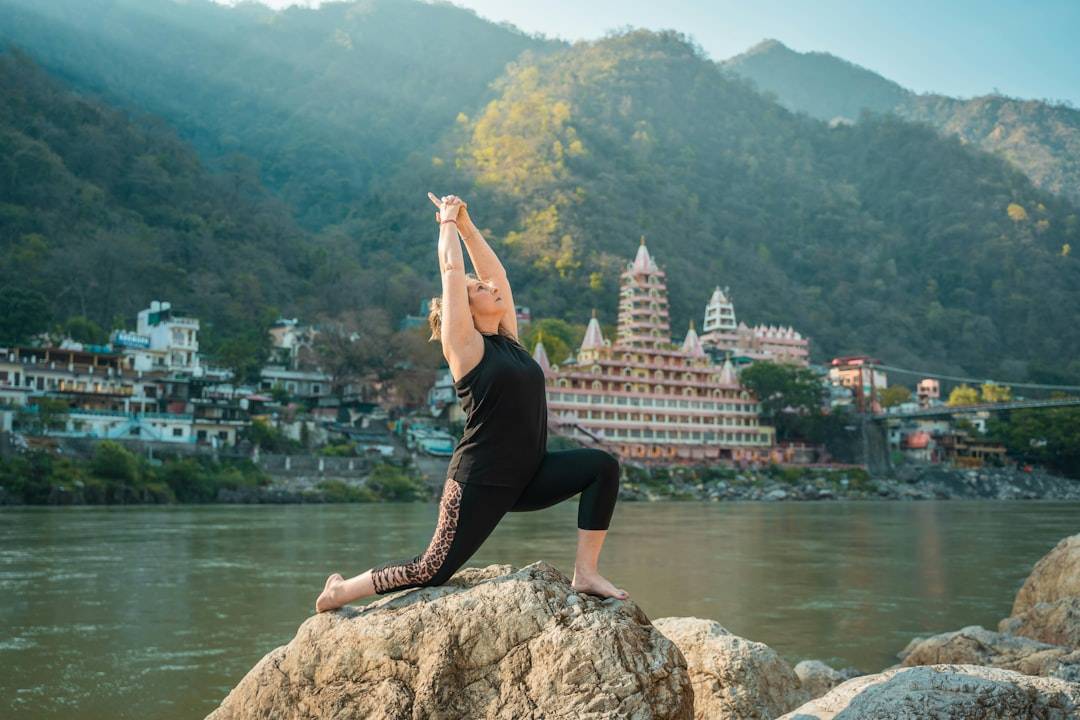
The Har Ki Pauri aarti at dusk gathers priests holding flaming lamps as crowds pack the ghat and lamps drift on the water, while pilgrims bathe at Brahmakund gripping fixed chains as the fast green Ganga pushes past the steps. Above Haridwar, the Mansa Devi ropeway cabins climb the forested hillside toward the hilltop temple, and further upstream the Beatles Ashram at Rishikesh holds a domed meditation cell covered in faded murals, forest light falling through the doorway. At Parmarth Niketan’s riverside steps, a large Shiva statue stands in the Ganga as evening lamps are lit and children sing.