

Journey Highlights
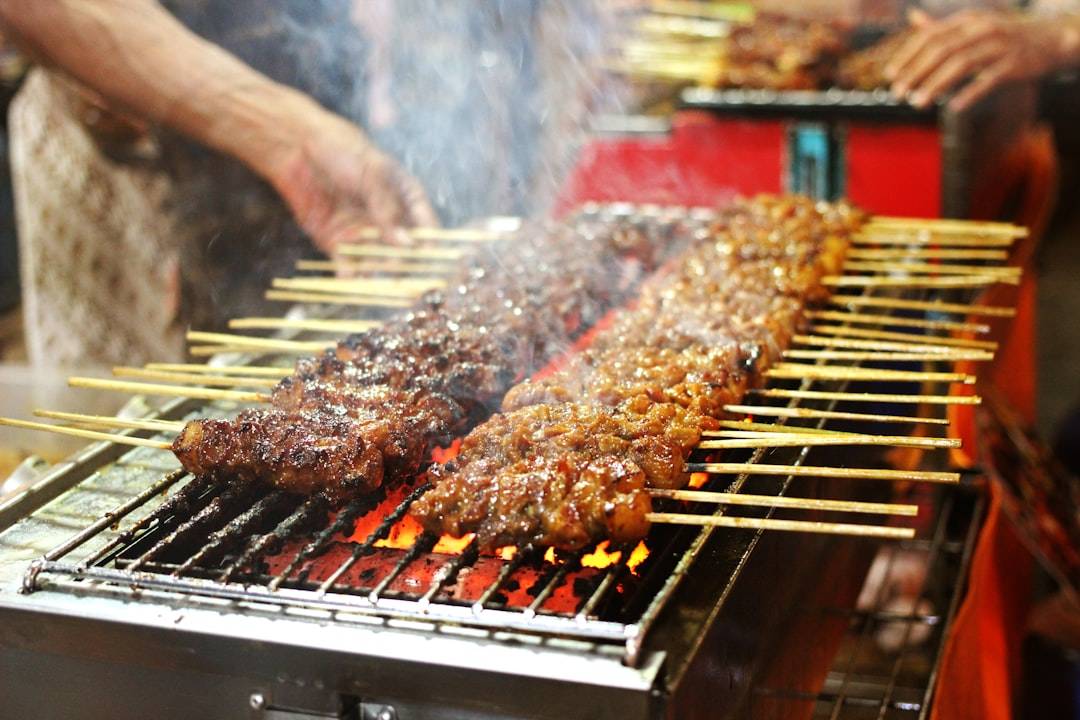
- Eat galouti at Tunday Kababi in Chowk, the mince so fine it was made for a toothless nawab.
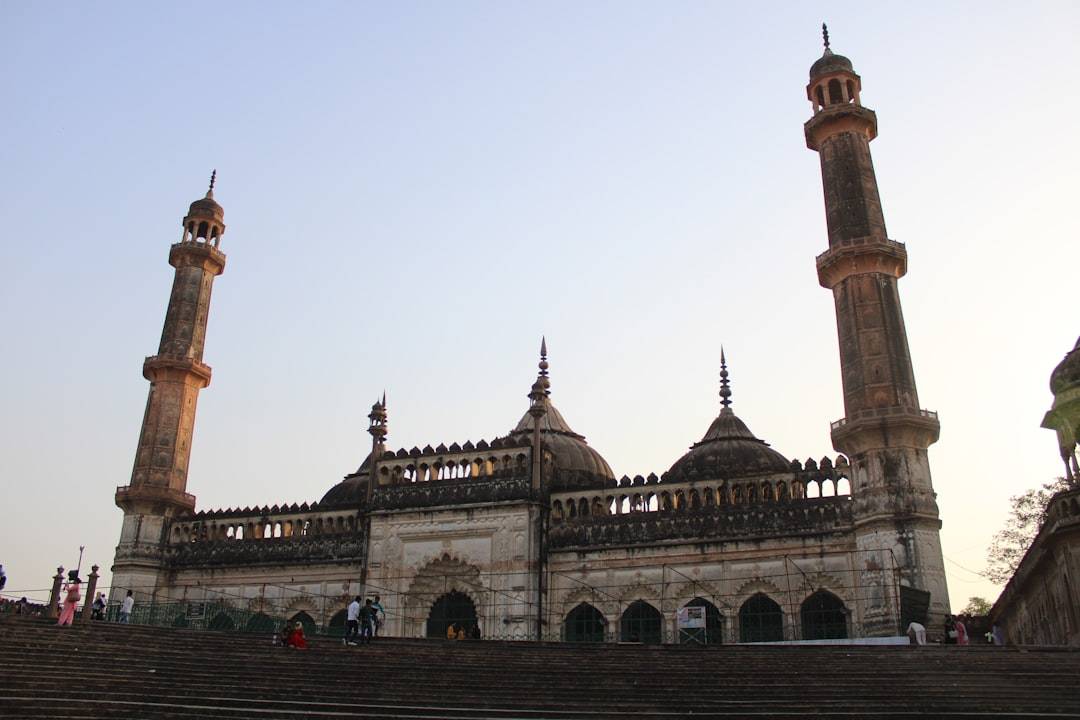
- Get deliberately lost in the Bara Imambara’s Bhool Bhulaiya — 1784, built as famine relief, still confounding.
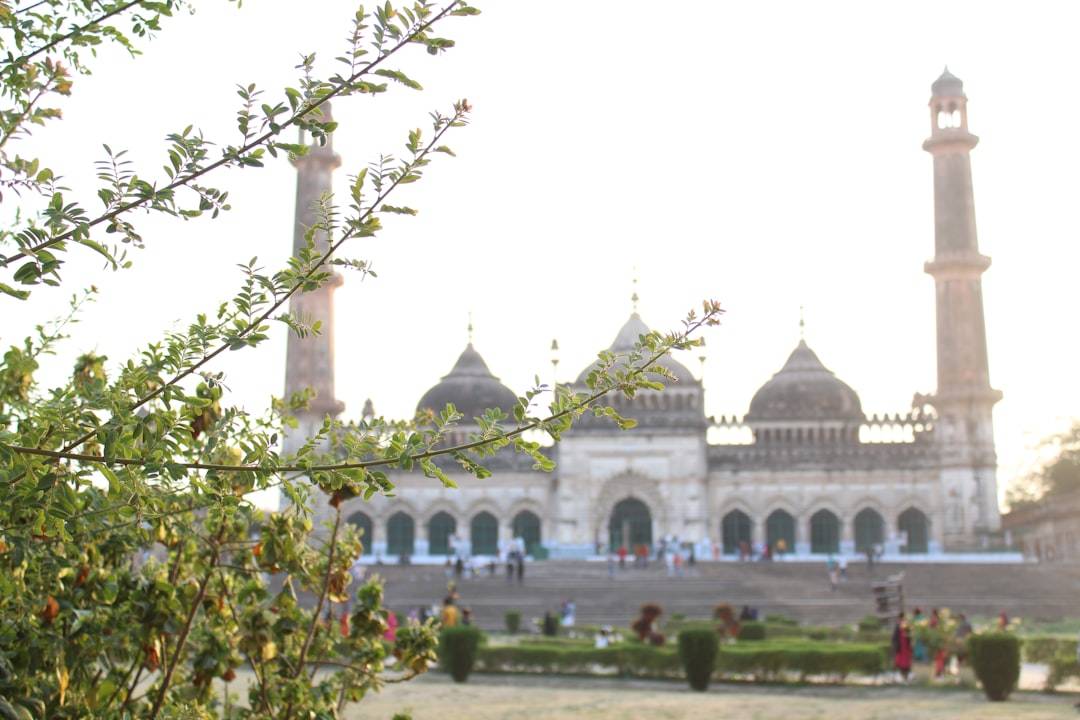
- Walk through Rumi Darwaza at dusk, when the traffic thins and the arch turns gold.
- Watch chikankari needles at work in a Chowk workshop before you buy a single kurta.
- Stand in the shot-scarred Residency, where the 1857 siege held for five months.
- A guided old-city food crawl — nihari-kulcha at dawn, basket chaat, and makkhan malai in winter.
- Learn dum pukht from a home cook whose biryani recipe has never been written down.
 Lucknow, Awadh
- 3 Nights / 4 Days


Experience Overview
Three nights in a city that treats courtesy and cooking as the same discipline. Lucknow is not a sights checklist; it is a table with monuments attached. This journey is built around what and where you eat — kebabs, biryani, breakfast nihari — with the nawabi architecture and the 1857 story threaded between meals.
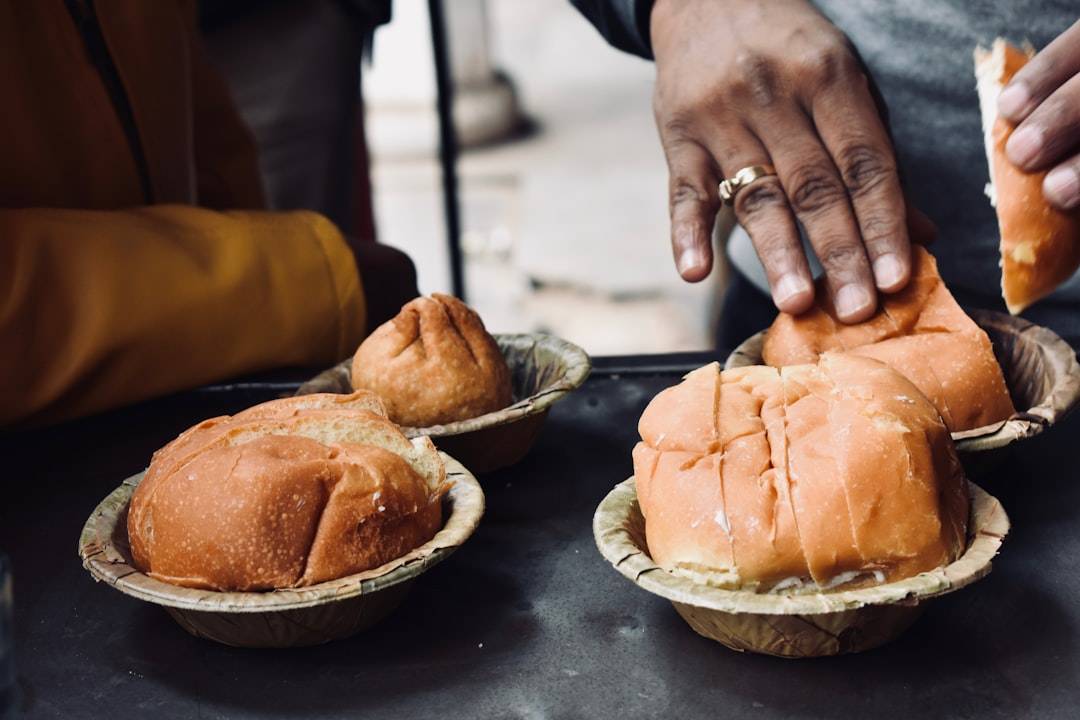
Mornings take the monuments before the heat: the Bara Imambara and its rooftop labyrinth, the Rumi Darwaza, the quiet, ruined Residency. Afternoons go to Chowk’s chikankari workshops and attar shops. Evenings are the point — a curated crawl through Tunday’s galouti, Idris’s biryani, and basket chaat eaten standing up, as intended.
The old city is dense, fragrant and courteous in a way that surprises first-timers — shopkeepers still deploy the formal “pehle aap”. Hazratganj gives you the colonial-era boulevard version; Chowk gives you the lanes. This is a city of manners layered over a history of siege, annexation and stubborn survival.
Some moments are built for lingering: the first galouti dissolving before you’ve properly bitten it; the view from the Bhool Bhulaiya roof once you’ve found your way up; and, if you come in winter, makkhan malai at 8 am — saffron froth that exists only until the sun warms up.
Built for eaters, textile lovers, and history readers who want 1857 told standing where it happened. Vegetarians can eat very well here, but should know the headline dishes are meat. Not for calorie counters or anyone who needs their food hygiene certificate laminated — the best of Lucknow is street-side.
Everything you
need to know
Is the street food safe to eat?

With a guide who knows the vendors, yes — we route you to high-turnover institutions where nothing sits around. Follow the usual rules: hot food, busy stalls, bottled water. Sensitive stomachs can shift the same dishes into old-family restaurants and hotel kitchens with only modest loss of romance.
Is there enough here for vegetarians?
What does this journey cost per person?
Ready to Photograph
Lucknow & Awadh
Picture galouti kebabs on a tawa in Chowk, the cook’s hand mid-flip lit by a single bulb; the Rumi Darwaza at dusk, gold light through the arch as cycle rickshaws pass beneath; a chikankari artisan’s hands mid-stitch, white thread on white muslin with the hoop in her lap; the Residency’s shot-scarred brick ruins in soft morning light with the lawns empty; and basket chaat in a fried potato nest, yoghurt and chutneys glistening, shot from above.