


Diwali falls on Sunday 8 November 2026. A curator on the full five-day calendar, why fares dip before the festival and spike after, and the ten-week booking window that closes now.
The first time a friend from Delhi visited us for Diwali, she arrived on the afternoon of Chhoti Diwali with a box of kaju katli and an expectation of lamps.
At about nine that night I took her to a lane off the main road in Panaji, where eleven young men were arguing about a shoulder joint. Above them, propped against a scaffold of bamboo, was a demon roughly thirty feet tall with a papier-mâché face, an unsettling grin, and one arm that would not stay up.
She looked at it for a while and said, with real feeling, “This is not what Diwali looks like.”
It is here.
What is Narkasur, and when does it happen in 2026?
Narkasur is the demon killed by Krishna, and Goa marks that killing on the night before Diwali — Naraka Chaturdashi, which for 2026 falls on Saturday 7 November. Neighbourhood groups spend weeks building effigies over twenty feet tall from bamboo, hay, paper and cloth, parade them through the streets with music through the night, and burn them at or around dawn. Organised competitions with cash prizes run in Panaji, Margao, Vasco da Gama, Mapusa and Calangute, judged on artistry, message and increasingly on how eco-friendly the build is.
So Diwali in Goa is not principally a festival of lamps. It is a festival of demolition, and the lamps arrive the next morning, once the ashes are cold.
What actually happens, hour by hour
I have never managed to explain this to anyone from outside Goa without them assuming I am exaggerating, so here is the sequence.
Through October, in garages, empty plots and the covered bits of housing societies, the mandals build. This is not a professional operation; it is a neighbourhood one, done after work, funded by collections, and taken with the deep seriousness that only amateur competition produces. The frames go up in bamboo. The bodies get stuffed with hay. The faces are the artistry, and the artistry is very good — I have seen Narkasurs with expressions of such specific malevolence that children have refused to walk past them.
The messages are the part outsiders miss. Every year a number of the effigies are political, or satirical, or about something the ward is angry about. A Narkasur can be a demon and a comment at the same time. Reading a row of them is the closest thing Goa has to a newspaper editorial page rendered in hay.
On the night of the 7th, they come out. Lorries, tractors, sheer manpower. Music that is not remotely devotional. Judges circulating. Crowds of people who have all known each other for thirty years, and a small number of visibly baffled tourists.
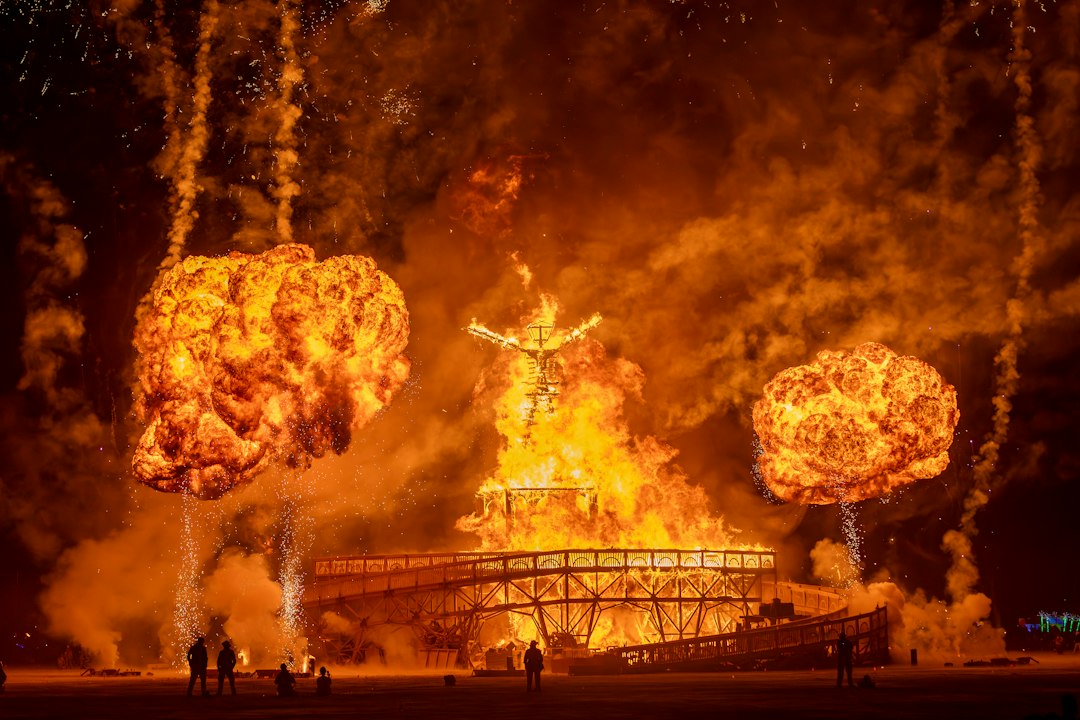
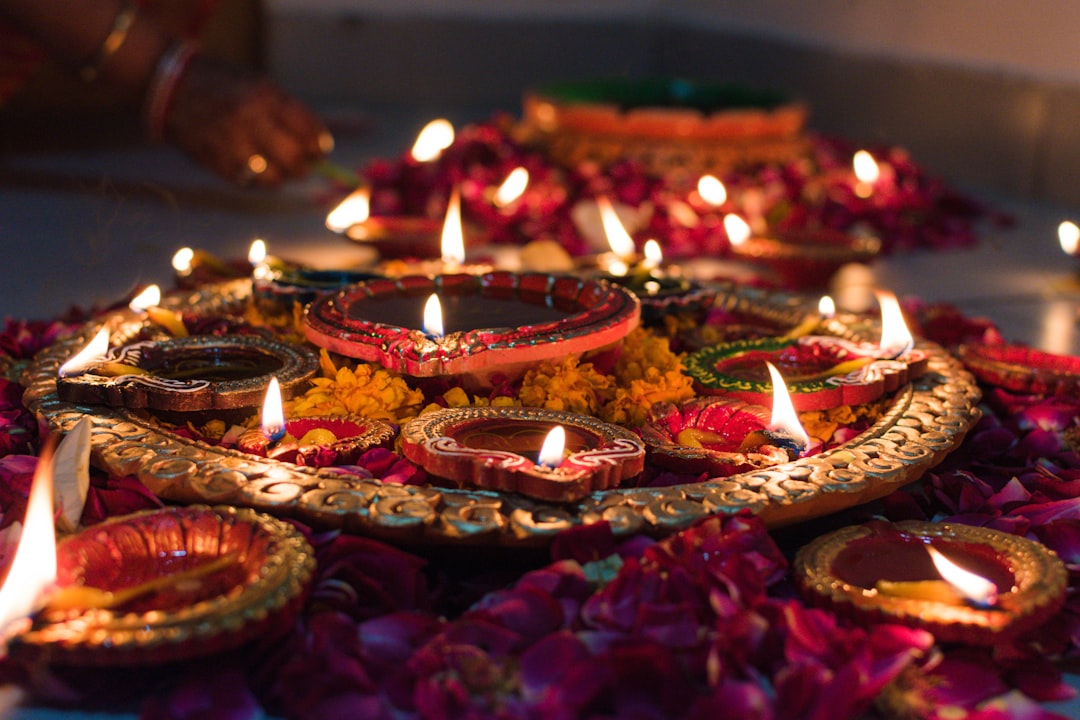
And then, around dawn, they burn. Whole streets go to watch a thirty-foot figure that took six weeks to make take about four minutes to become a column of flame and smoke. Then everyone goes home, sleeps for a couple of hours, gets up, has the oil bath, and Diwali begins properly — quiet, domestic, lamps on the threshold, the mercifully understated version.
That contrast is the whole thing. Goa’s Diwali is a night of noise followed by a morning of calm, and the noise is the part that means something.
How to be there without being a nuisance
I am going to be direct, because this is a local festival that has not been packaged, and its charm is precisely that it has not been packaged.
This is a neighbourhood event, not a show put on for you. The people building the effigy live on that street. Ask before you photograph a mandal’s work up close, and ask the people who built it, not the crowd. They will almost always say yes and then explain the whole thing to you at length, which is the best possible outcome.
Do not treat the burning as a fireworks display. Stand where the ward stands. Keep out of the working space around the effigy in the last half hour, when it is being positioned and there are ropes and people under it.
The competitions are worth following. Panaji and Margao draw the largest and most elaborate builds. Vasco, Mapusa and Calangute each have their own scene and their own regulars. If you want to see several, plan a route with someone local, because the timings are informal and the traffic on that night is its own event.
And do not, as a friend of mine once did, ask whether they will sell you the effigy. They will not. It is going to burn. That is the point.
The practical case for early November in Goa
Beyond the demon, there is a real argument for Goa this particular week, and it is a pricing one.
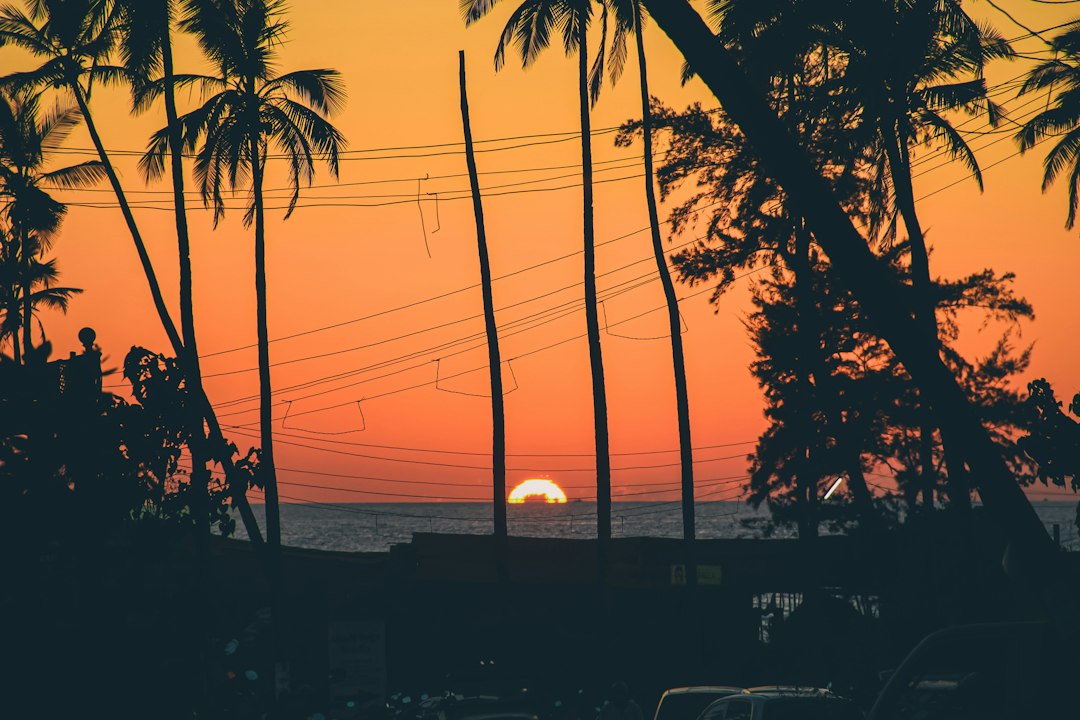
Early November is shoulder season. The monsoon has gone, the greenery is still absurd, the sea has settled, and the Christmas-to-New-Year madness — when tariffs roughly triple and Calangute to Baga becomes a single-lane car park from seven in the evening until four in the morning — is seven weeks away. You get Goa at its most beautiful for a fraction of what the same room costs on 31 December.
The honest caveats. The nights are loud, properly loud, and if you are travelling with a light sleeper or a nervous dog, the night before Diwali in a residential ward is not restful. The burning produces a great deal of smoke, and while it is nothing like a North Indian city’s Diwali aftermath, it is not nothing either. And Goa’s Diwali morning is quiet — many places are shut, families are at home, and a visitor expecting a festival atmosphere in the daytime will find a state having a nap.
Which, once you understand the previous twelve hours, is exactly right.
Frequently asked questions
When is Narkasur burned in Goa in 2026?
On the night of Naraka Chaturdashi, the day before Diwali — which for 2026 points to Saturday 7 November, with the effigies burned at or around dawn on Sunday 8 November. Because the festival follows the lunar calendar, confirm locally closer to the date.
What is the Narkasur competition?
Neighbourhood groups build enormous effigies of the demon Narkasur — often over twenty feet — from bamboo, hay, paper and cloth over several weeks, then parade them through the night before burning them at dawn. Organised contests with cash prizes run in Panaji, Margao, Vasco da Gama, Mapusa and Calangute, judged on artistry, the message the effigy carries and how eco-friendly the construction is. Prize amounts are not publicly standardised.
Where is the best place to watch?
Panaji and Margao host the largest and most elaborate builds and are the easiest to reach. Vasco da Gama, Mapusa and Calangute each have their own established scenes. Timings are informal and traffic on the night is heavy, so if you want to see several wards, plan the route with someone local rather than working from a map.
Is it appropriate for visitors to attend and photograph?
Yes, and Goans are generally welcoming about it — but this is a neighbourhood festival rather than a staged event. Ask the mandal that built the effigy before photographing their work closely; they will usually say yes and then explain it at length. Stay clear of the working area in the final half hour before the burning, when the effigy is being positioned. Watch from where the local crowd watches.
Is early November a good time to visit Goa generally?
It is one of the best-value weeks of the year. The monsoon has ended, the state is still green, the sea has settled, and it is well before the Christmas and New Year peak when tariffs roughly triple and the northern beach belt gridlocks. You get Goa at its most beautiful without the December pricing.
What is Diwali morning actually like in Goa?
Quiet. After a night of processions and a dawn burning, families take the ritual oil bath and the festival turns domestic — lamps at the threshold, sweets, home. Many businesses are closed and the state is largely asleep for much of the day. Visitors expecting daytime festivity will find the opposite, which makes sense once you have seen what happened the night before.
Our Goa journey can be shaped around the Narkasur night for travellers who want the state’s own festival rather than the imported one, and the same shoulder-season week works well alongside our Konkan coast journey.
Tell us at the thumbprint whether you want to be in the ward or at a safe distance from it. Both are legitimate. They are not the same holiday.
Continue Reading
Fifteen days after Diwali, Varanasi lights every ghat for the gods. A festivals curator on the 24 November date, honest boat pricing, and the one place you must not raise a camera.
Ram Ki Paidi fills by half past four and the roads seal from mid-morning. A festivals curator on how the Deepotsav crowd actually works, and the dates nobody has confirmed yet.