

Journey Highlights
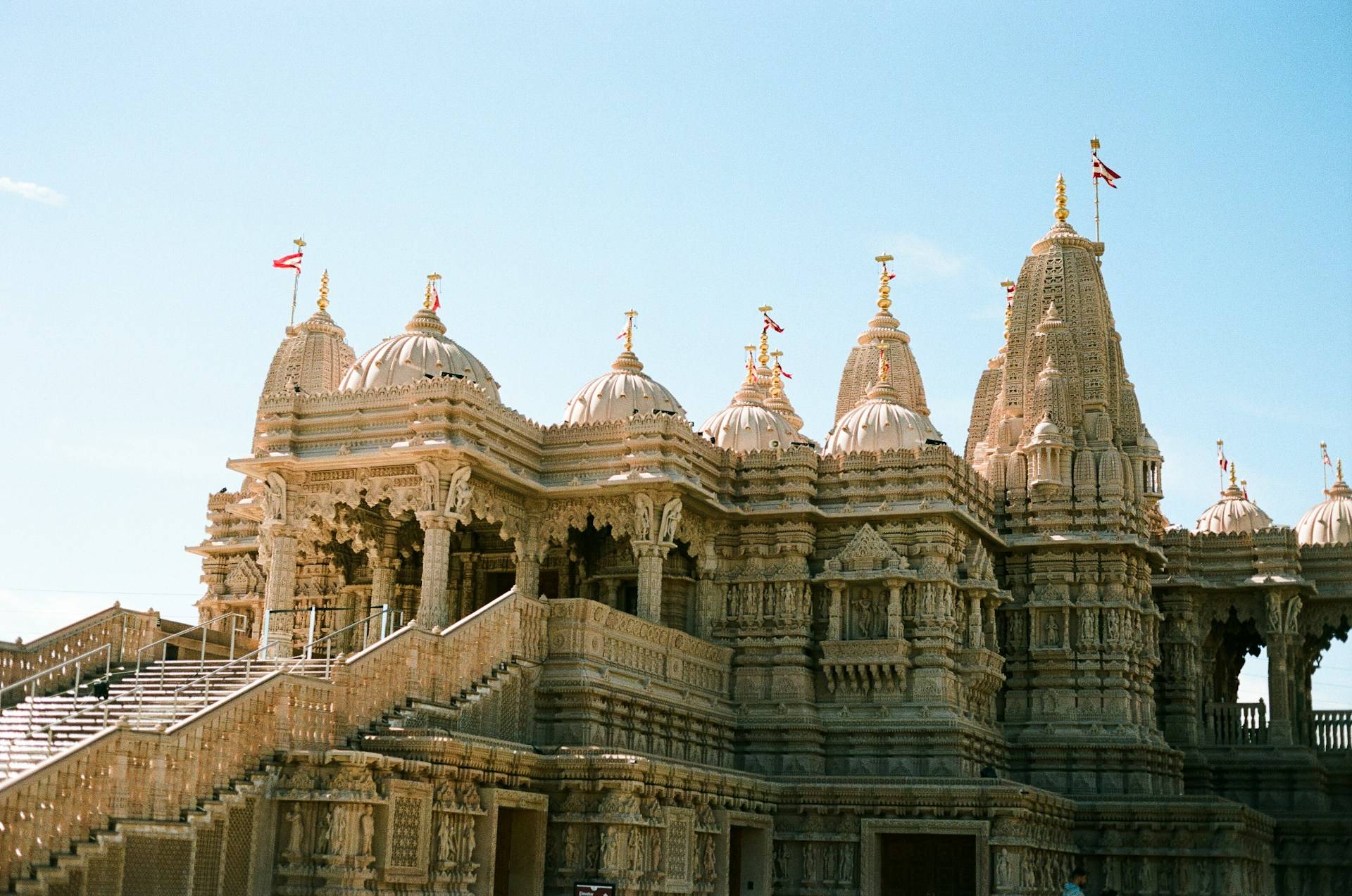
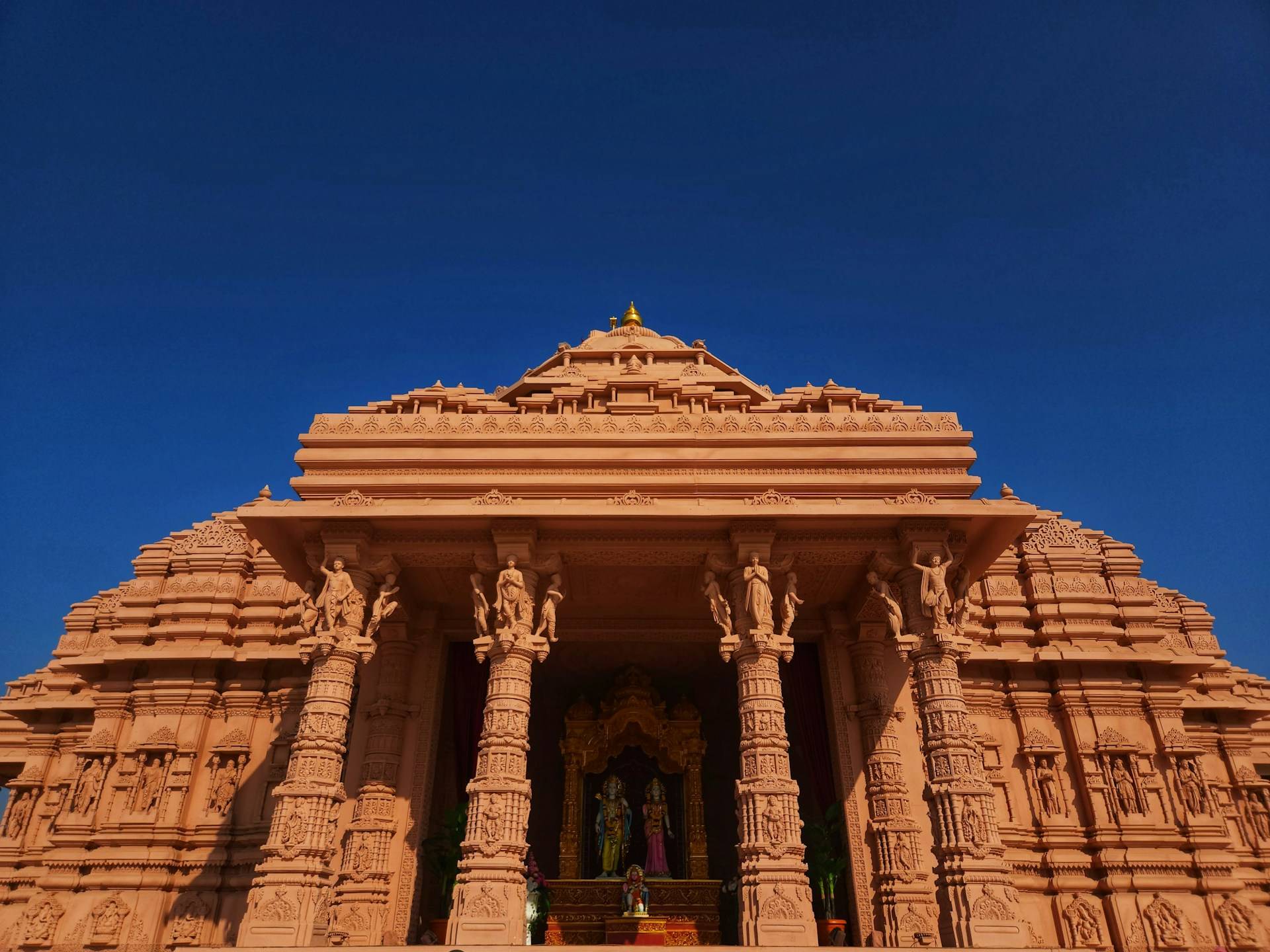
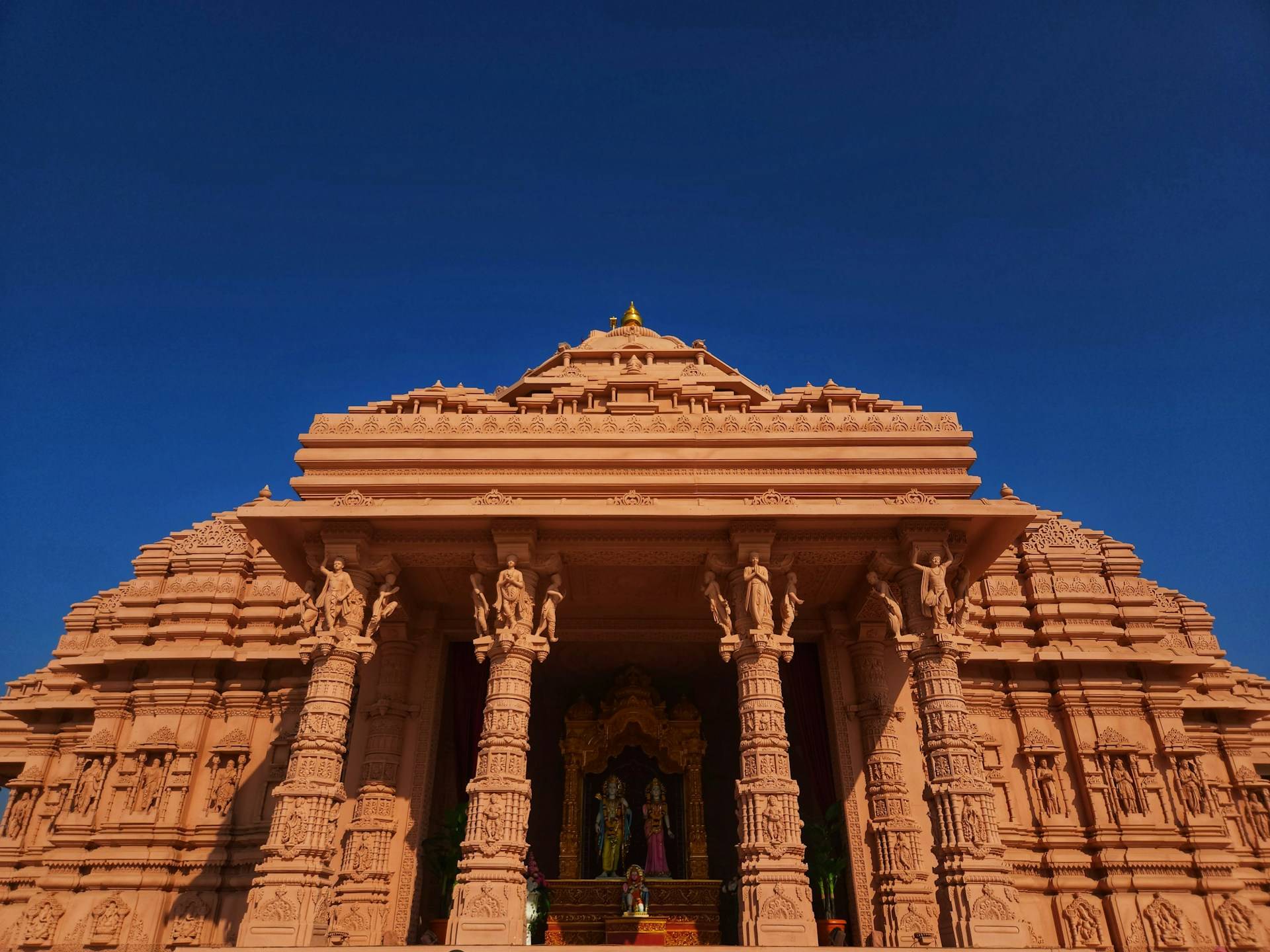
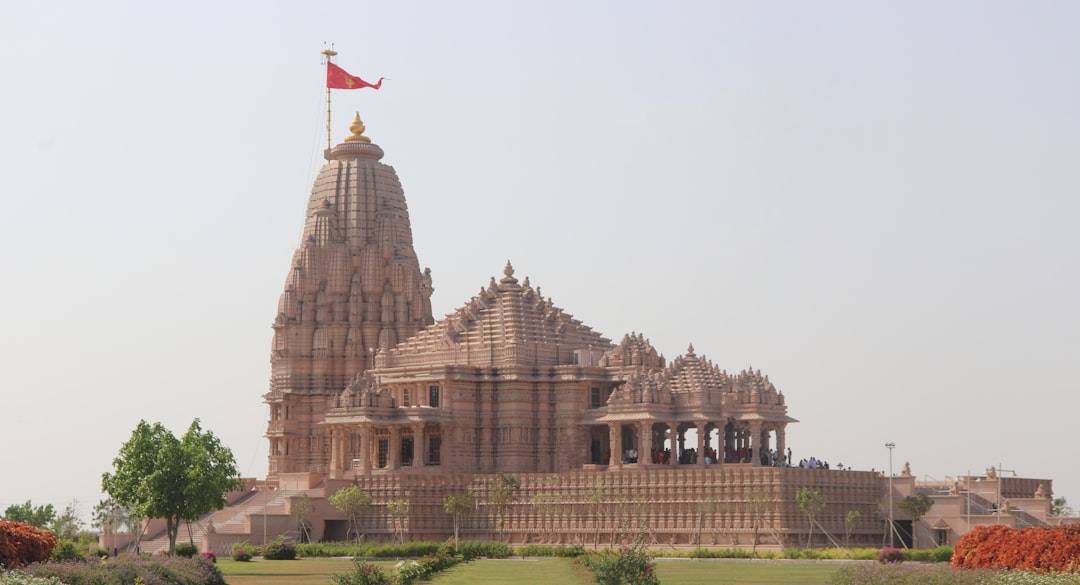
- The new Ram Janmabhoomi Mandir at Ayodhya was visited with darshan timing planned around the heaviest pilgrim surges.
- Hanuman Garhi’s hilltop shrine, climbed by seventy-six steps, where Hanuman is said to guard the city of Ram.
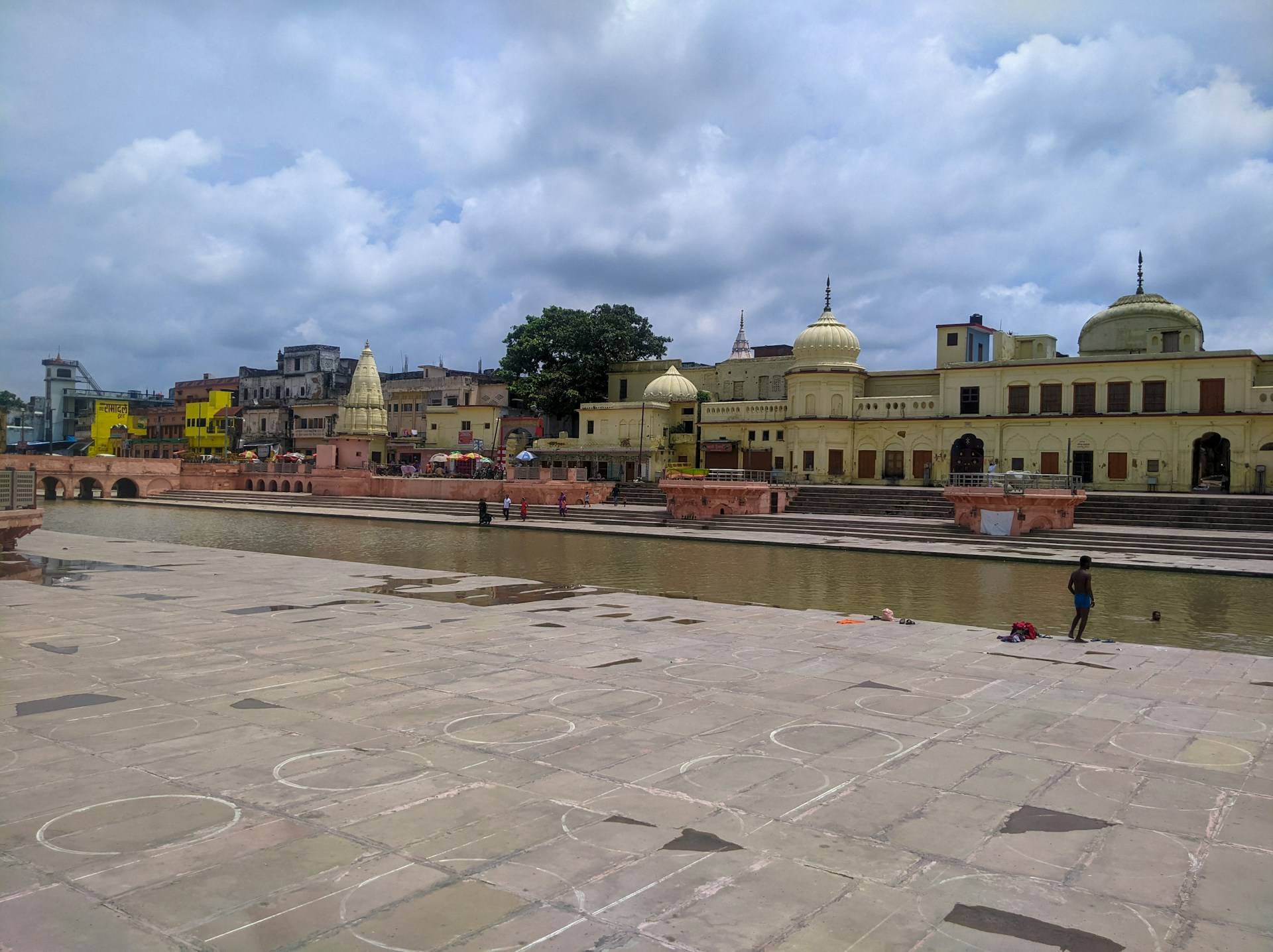
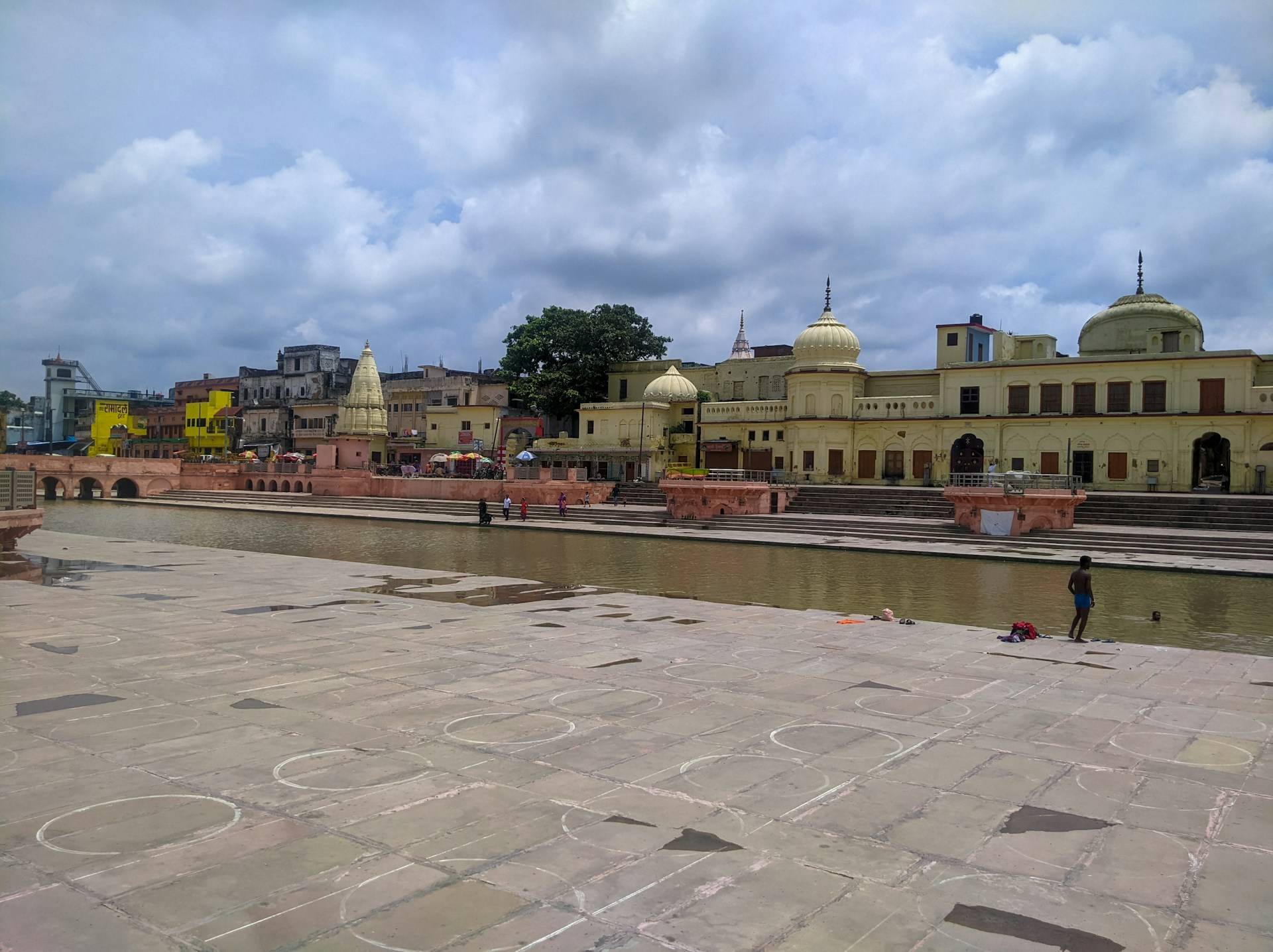
- The Saryu evening aarti at Ram ki Paidi: rows of lamps are lowered to the river as bells build.
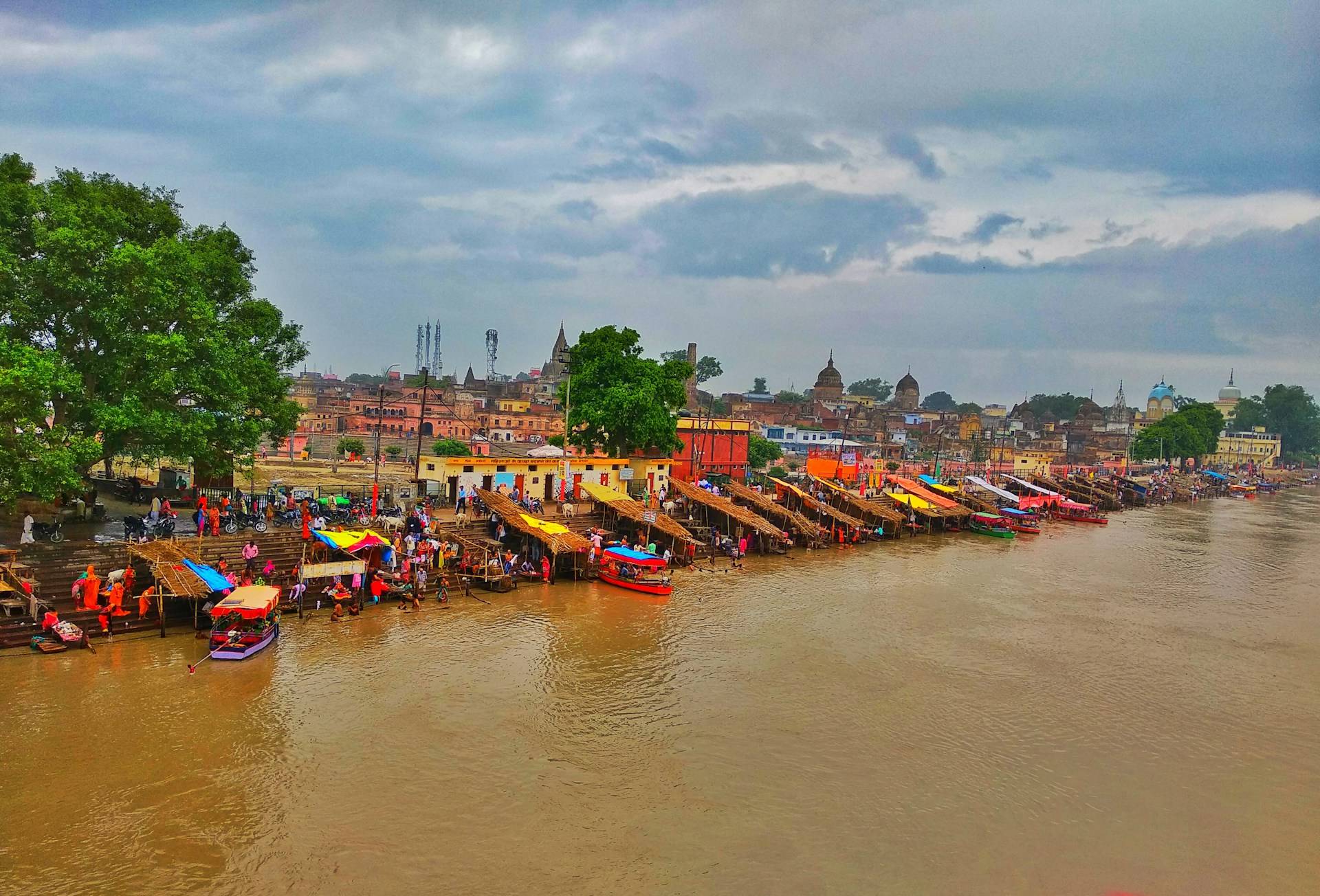
- Chitrakoot, where Ram spent years of exile, with its Kamadgiri parikrama and the ghats along the Mandakini.
- Prayagraj’s Triveni Sangam, the meeting of Ganga, Yamuna and the mythical Saraswati, taken by boat at the confluence.
- Nandigram, where Bharat ruled with Ram’s sandals on the throne, a quieter stop most pilgrims skip.
- The whole route is sequenced as a Ramayan narrative, birth to exile to return, not a random temple list.
 Ayodhya & Uttar Pradesh
- Devotional, Epic, Crowded
- Six to Eight Days
- Priced to Your Brief
- Heritage & Riverside Hotels
- Ramayan Pilgrimage Trail


Experience Overview
Ayodhya is held as the birthplace of Ram, and since the new Ram Janmabhoomi Mandir opened, the city draws pilgrims in their millions. This journey centres on Ayodhya — the mandir, Hanuman Garhi, and the Saryu aarti — then follows the Ramayan itself across the north, tracing the epic through the places Ram is said to have lived it.
The core days are Ayodhya: darshan at the mandir, the climb to Hanuman Garhi, and sunset aarti at Ram ki Paidi on the Saryu. Then the trail opens out – Chitrakoot for the exile years and the Kamadgiri parikrama; Prayagraj for the Sangam by boat; Nandigram for Bharat’s vigil – sequenced as the story runs.
Ayodhya today is loud with construction and devotion at once — new stone, temporary barricades, chants over loudspeakers, queues that stretch for hours. Down at the Saryu it softens: lamps on the water, priests circling the flame, the crowd suddenly hushed. Chitrakoot and Nandigram are gentler, slower, greener, and give the trip its breathing room
Some moments are built for lingering: the first darshan at the mandir after the long queue, the sanctum finally in front of you; the Saryu aarti as the last light goes and the lamps take over; a slow boat drifting across the Sangam at Prayagraj; and the quiet of Nandigram, where the story pauses to grieve.
For devotees of Ram and travellers who want the Ramayan as a living route, not a single stop. It is not for anyone hoping for a calm, uncrowded temple visit — Ayodhya is intense and heavily thronged — nor for those unwilling to queue patiently for darshan.


Everything you
need to know
How do we manage darshan at the Ram Mandir?

The mandir runs timed darshan slots and heavy security, with queues that swell on weekends and festivals. We plan your visit for quieter windows where possible, arrange the entry process in advance, and brief you on what you can and cannot carry inside — phones and bags are restricted at the sanctum.
Just how crowded is Ayodhya now?
What shapes the cost of this trail?
Ready to photograph
Ayodhya
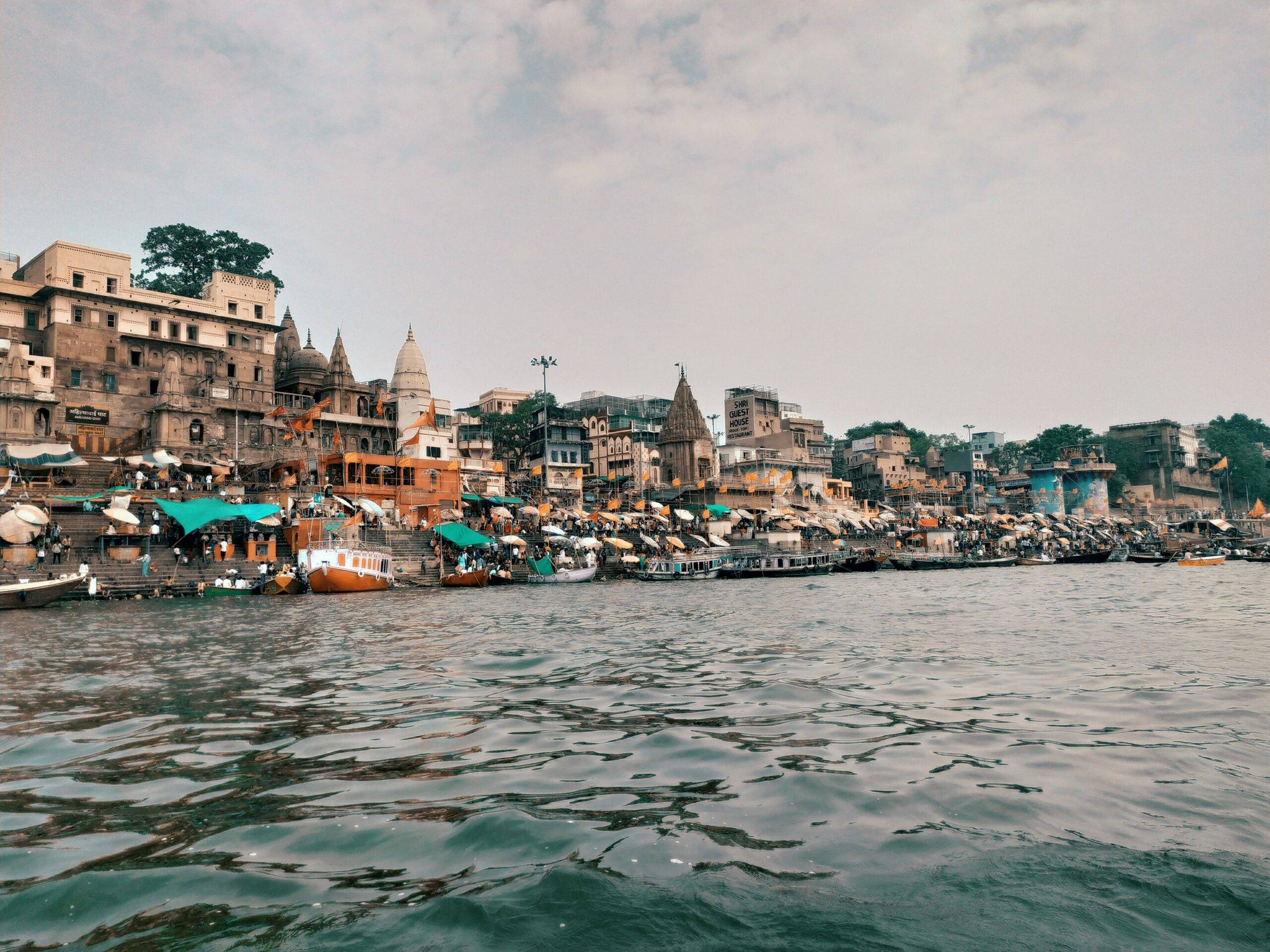
The Ram Janmabhoomi Mandir’s carved sandstone facade at Ayodhya, pilgrims massed on the approach under a clear sky. The Saryu evening aarti at Ram ki Paidi: priests swinging tiered lamps, reflections rippling on dark water. Hanuman Garhi’s whitewashed hilltop temple is reached by a steep flight of steps crowded with devotees. A wooden boat on the Triveni Sangam at Prayagraj, brown and green waters meeting, and gulls overhead. Chitrakoot’s Mandakini ghats at dawn, mist on the river, sadhus and pilgrims bathing at the steps.