

What Is Included
Trip Highlights
- The flight into Lukla, banking between ridgelines onto a short uphill runway that ranks among aviation’s most demanding landings.
- Two nights in Namche Bazaar, the Sherpa trading town at 3,440 metres, to let your body adjust.
- Tengboche monastery at 3,867 metres, where monks chant beneath Ama Dablam and the trail turns properly high.
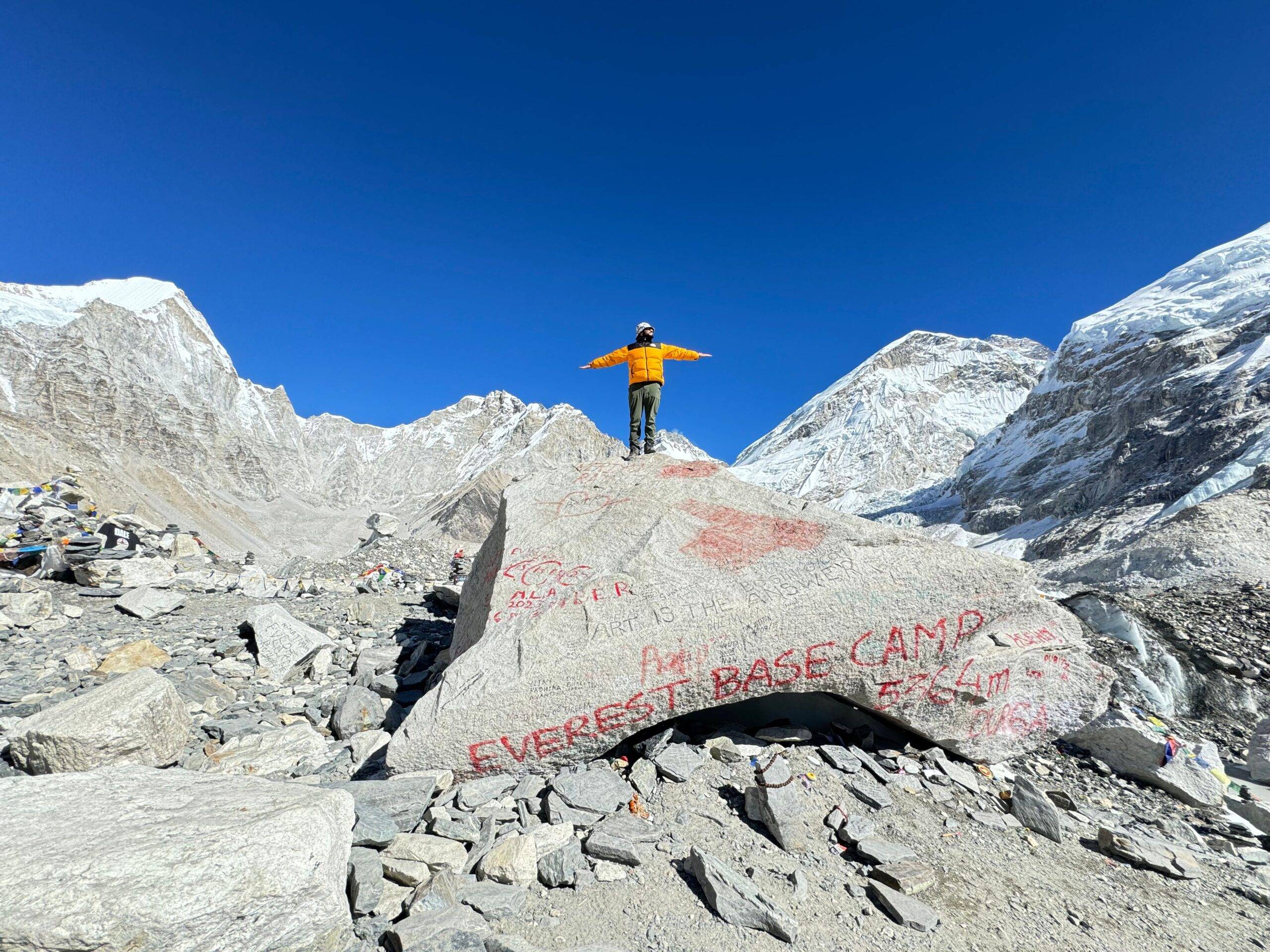
- The final walk onto Everest Base Camp at 5,364 metres, prayer flags and the Khumbu Icefall ahead.
- The pre-dawn climb up Kala Patthar to 5,545 metres for the trek’s clearest, closest view of Everest.
- Teahouse nights with dal bhat, card games and other trekkers, the Khumbu’s own slow social rhythm.
- A guide and porter team who read the altitude, set the pace and know when to turn back.
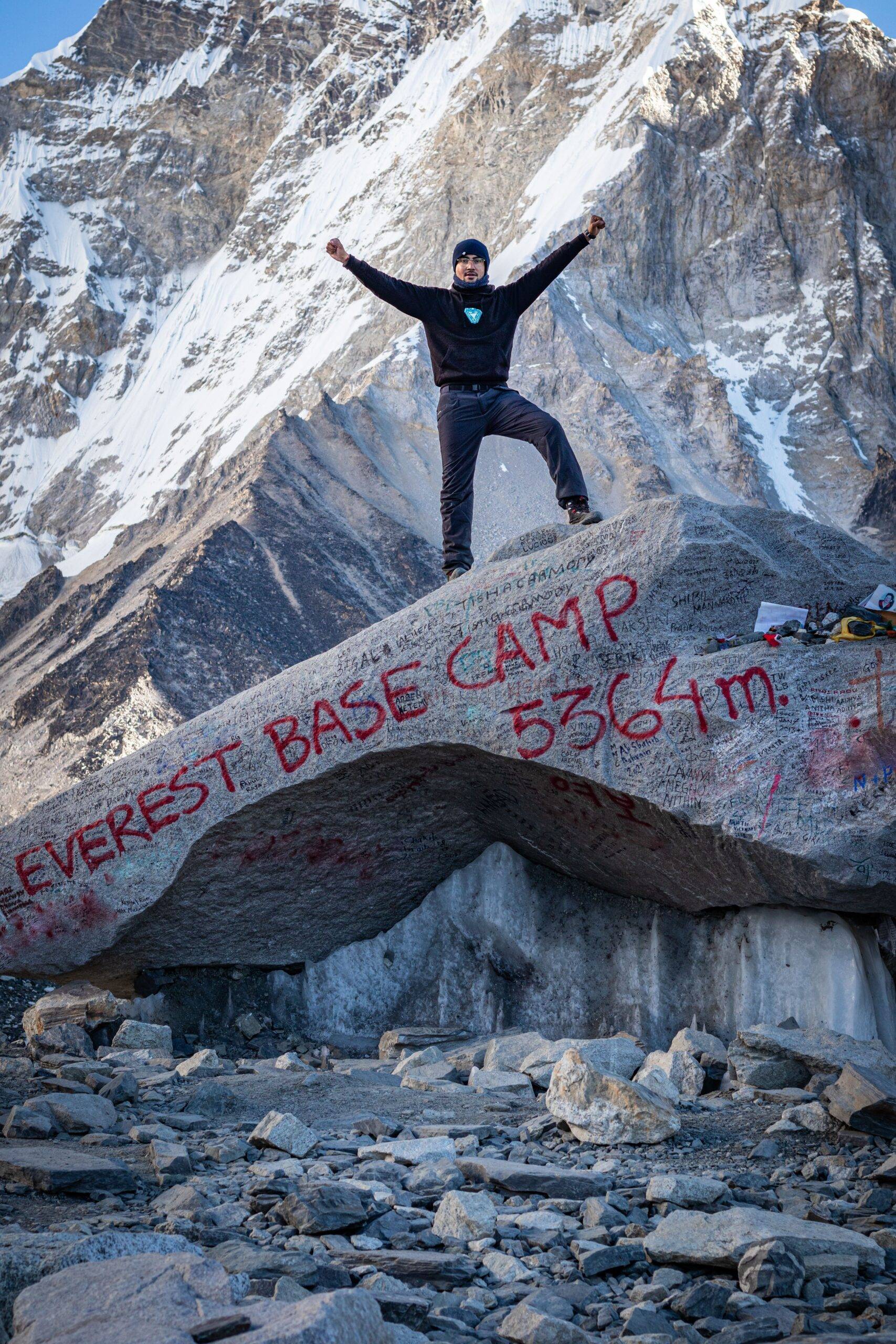
 Khumbu, Nepal
- High, Cold, Earned
- 13 Nights / 14 Days
- Priced to Your Brief
- Sherpa Teahouses
- High-Altitude Trek


FROM THE FIELD
03
A WALK TO THIN AIR
- The trek to Everest Base Camp is a walk to 5,364 metres in the shadow of the highest mountain on earth. Twelve to fourteen days on foot through Sherpa country, sleeping in teahouses, gaining height slowly so your body can keep pace with the altitude. Not a climb — a long, thin-air pilgrimage on your own two feet.
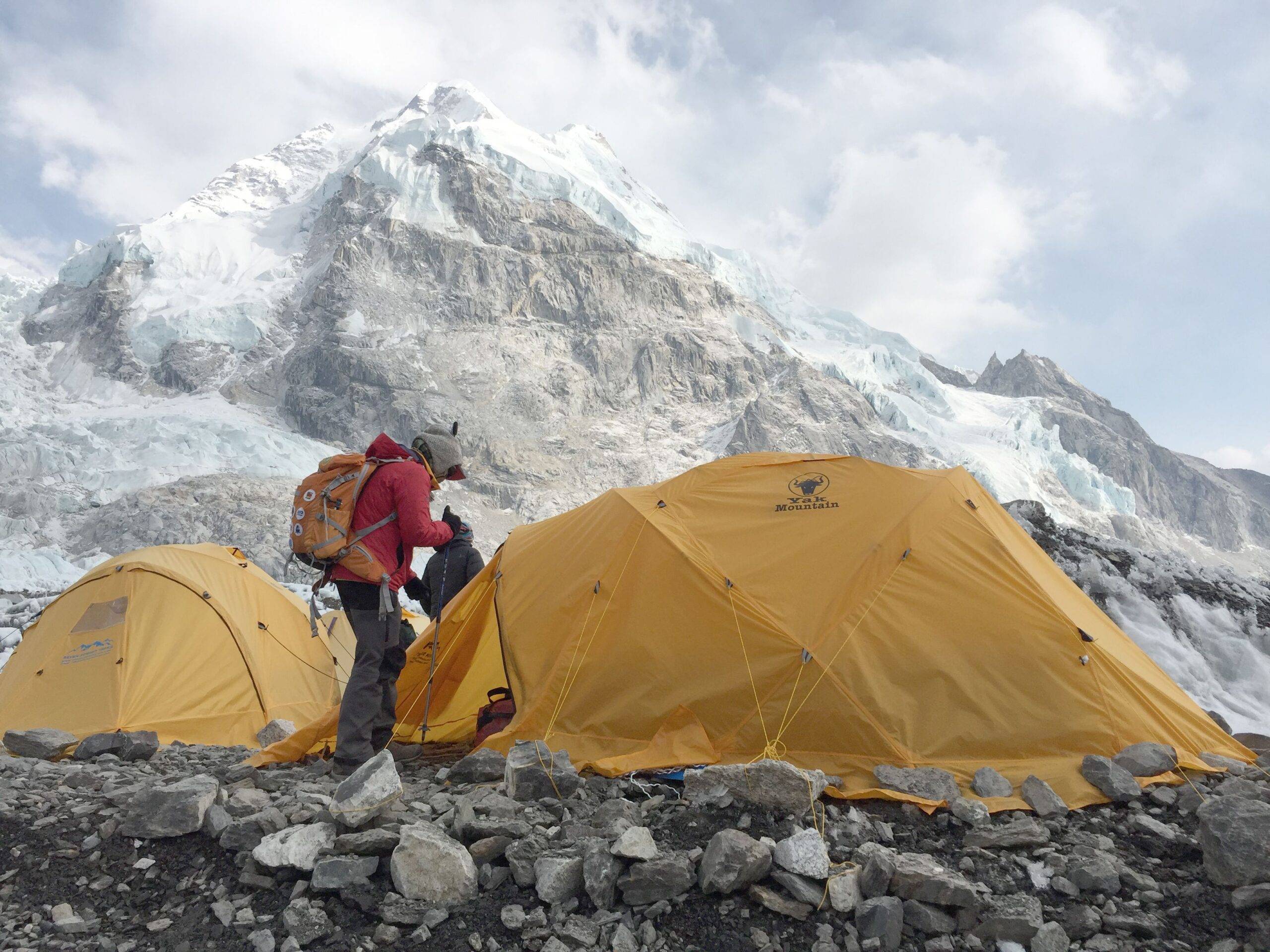
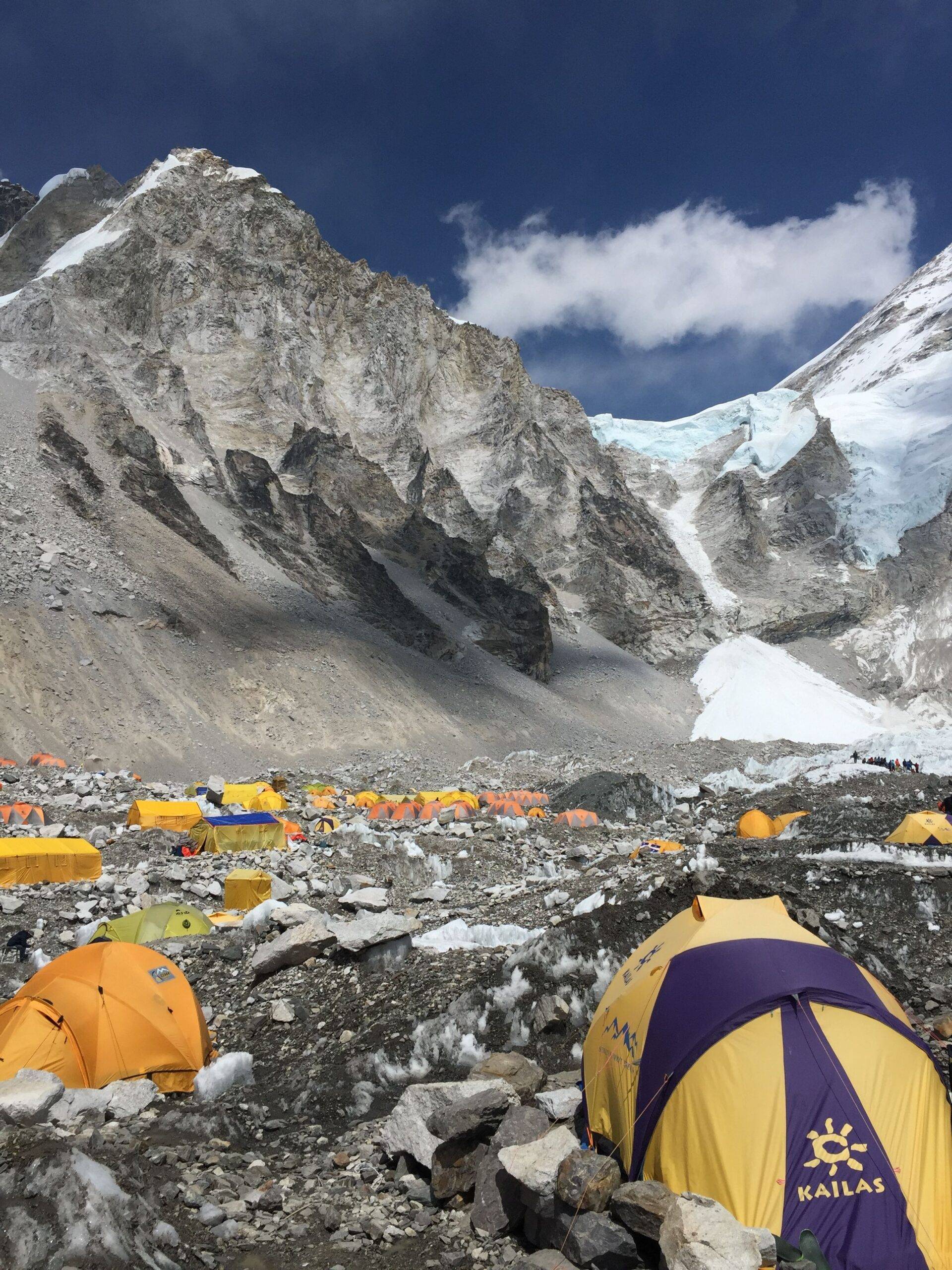
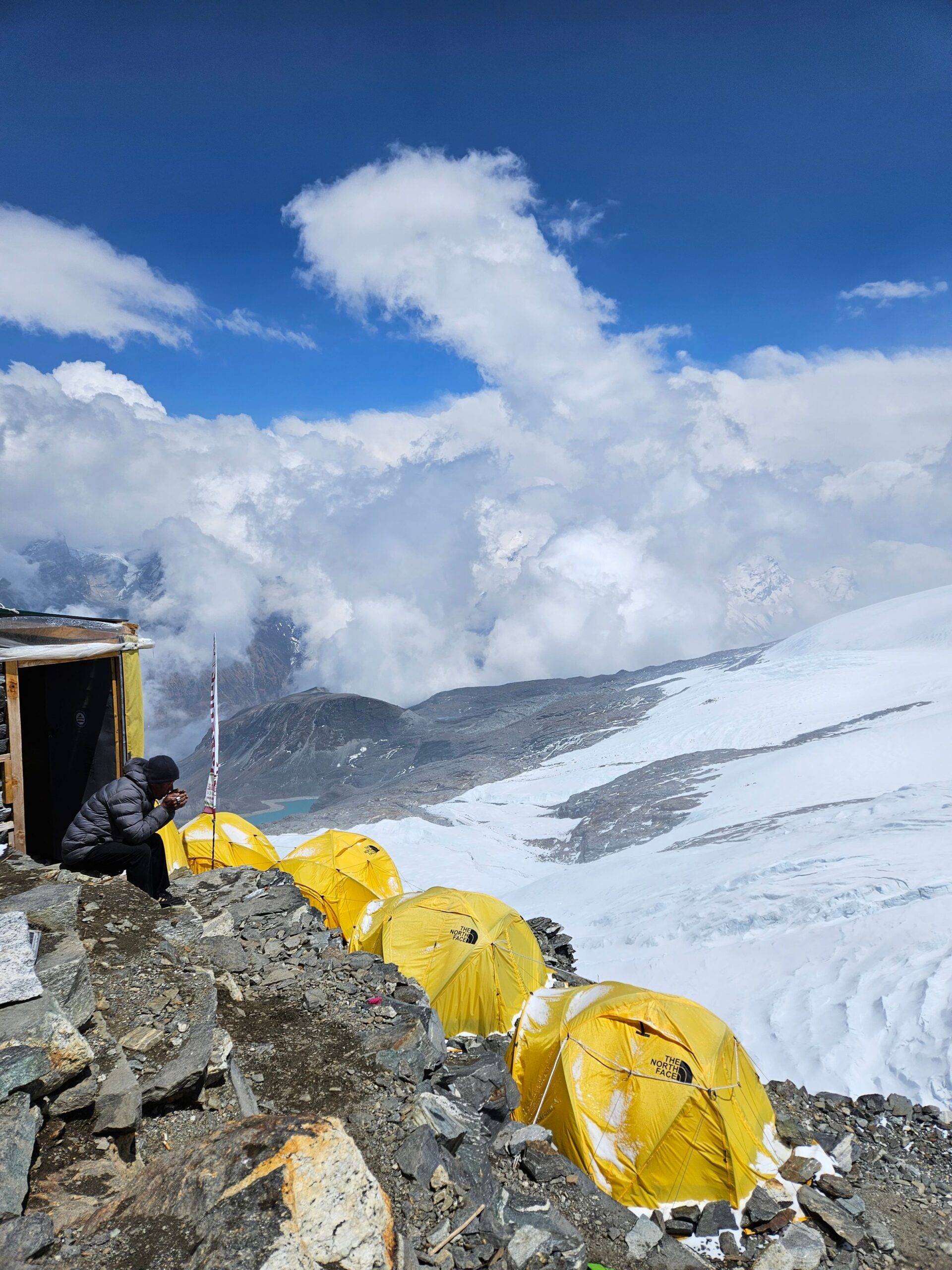
- It begins with the flight into Lukla, one of the world’s trickiest airstrips. You walk on to Namche Bazaar and stop two nights to acclimatise, then climb past Tengboche monastery, Dingboche and Lobuche to Gorak Shep. Base Camp on one day, Kala Patthar at 5,545 metres the next, for the view of the summit.
- Above Namche the air thins fast; by Gorak Shep there is roughly half the oxygen of sea level. Days are long, five to eight hours walking on rocky trails and moraine, cold once the sun drops behind the ridgeline. March to May and October to November are the clear windows. Altitude sickness is the real risk, not the distance.
- Some moments are built for lingering: the first sight of Everest’s black pyramid from the trail above Namche; the butter lamps and low horns at Tengboche as cloud swallows Ama Dablam; the pre-dawn scramble up Kala Patthar, headtorches strung up the slope, and the summit going gold while you stand there gasping and grinning.
- For fit, patient walkers who want the mountains earned rather than flown over, and who can spend two weeks off the grid. Not for anyone with heart or serious lung conditions, no time to acclimatise, or a fixed return flight the Lukla weather can wreck.
Continue the Journey
FAQ
Good to
know
Q: How fit do I need to be for Everest Base Camp?

Fit enough to walk five to eight hours a day, uphill, for two weeks, carrying a light daypack. Train with long hill walks and stairs for months beforehand. You don't need climbing skills or ropes — but sea-level cardio and strong legs matter, and so does a calm head for slow, patient progress at altitude.
Q: What about altitude sickness and the Lukla flight?
Q: What does the trek cost from India?
Begin Your Conversation
Let's design
your version
Tell us your dates, group and budget and we’ll shape this journey around them. Everything is priced to your brief and planned on a call, never pulled off a shelf.