

Trip Highlights
- The summit push to Uhuru Peak at 5,895 metres, the highest point on the African continent.
- Five climate zones in a week, from steamy rainforest through moorland and alpine desert to summit glaciers.
- The Machame or Lemosho route, chosen for a slower ascent profile that helps you acclimatise properly.
- Summit night, climbing from around midnight by headtorch across scree to reach the crater rim at sunrise.
- A guide and porter team who set the pace, monitor your oxygen and carry the heavy loads.
- Camping under the Southern Cross on the mountain, the plains of Tanzania glowing far below.
- The shrinking glaciers and ice cliffs of the summit plateau, a view that may not last a generation.
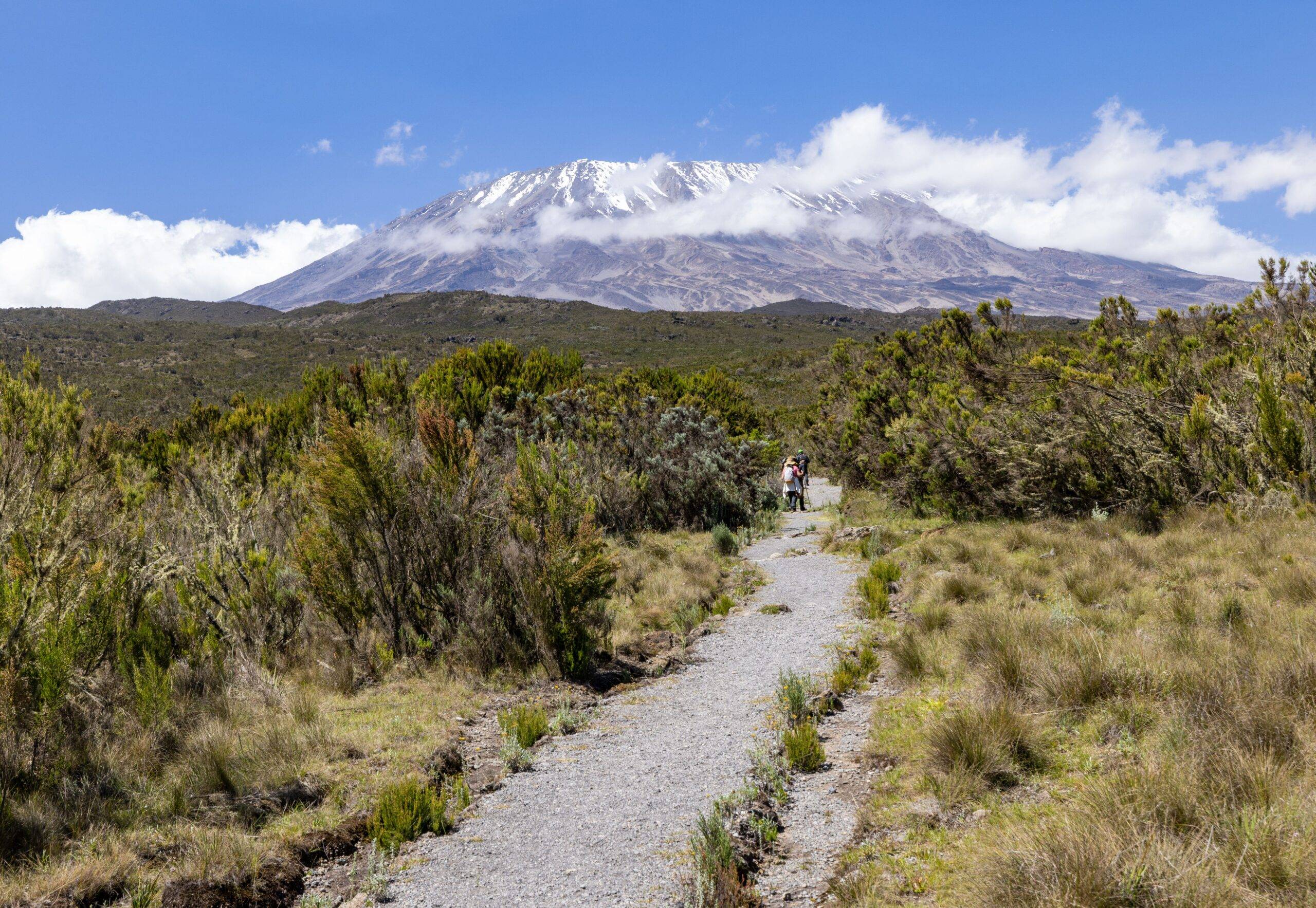
 Kilimanjaro, Tanzania
- High, Relentless, Rewarding
- 7 Nights / 8 Days
- Priced to Your Brief
- Mountain Tented Camps
- Summit Trek


FIVE WORLDS TO THE ROOF
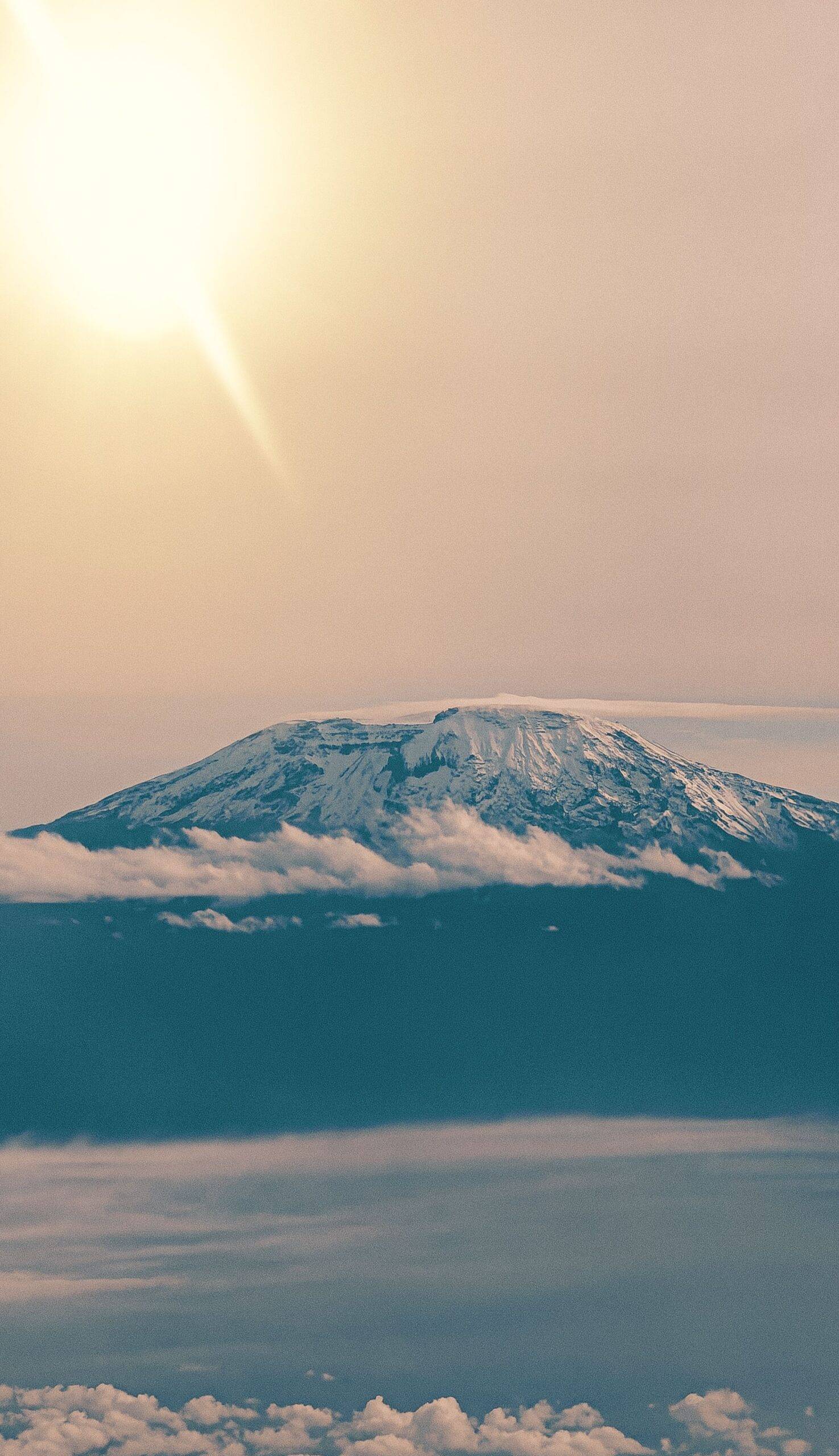
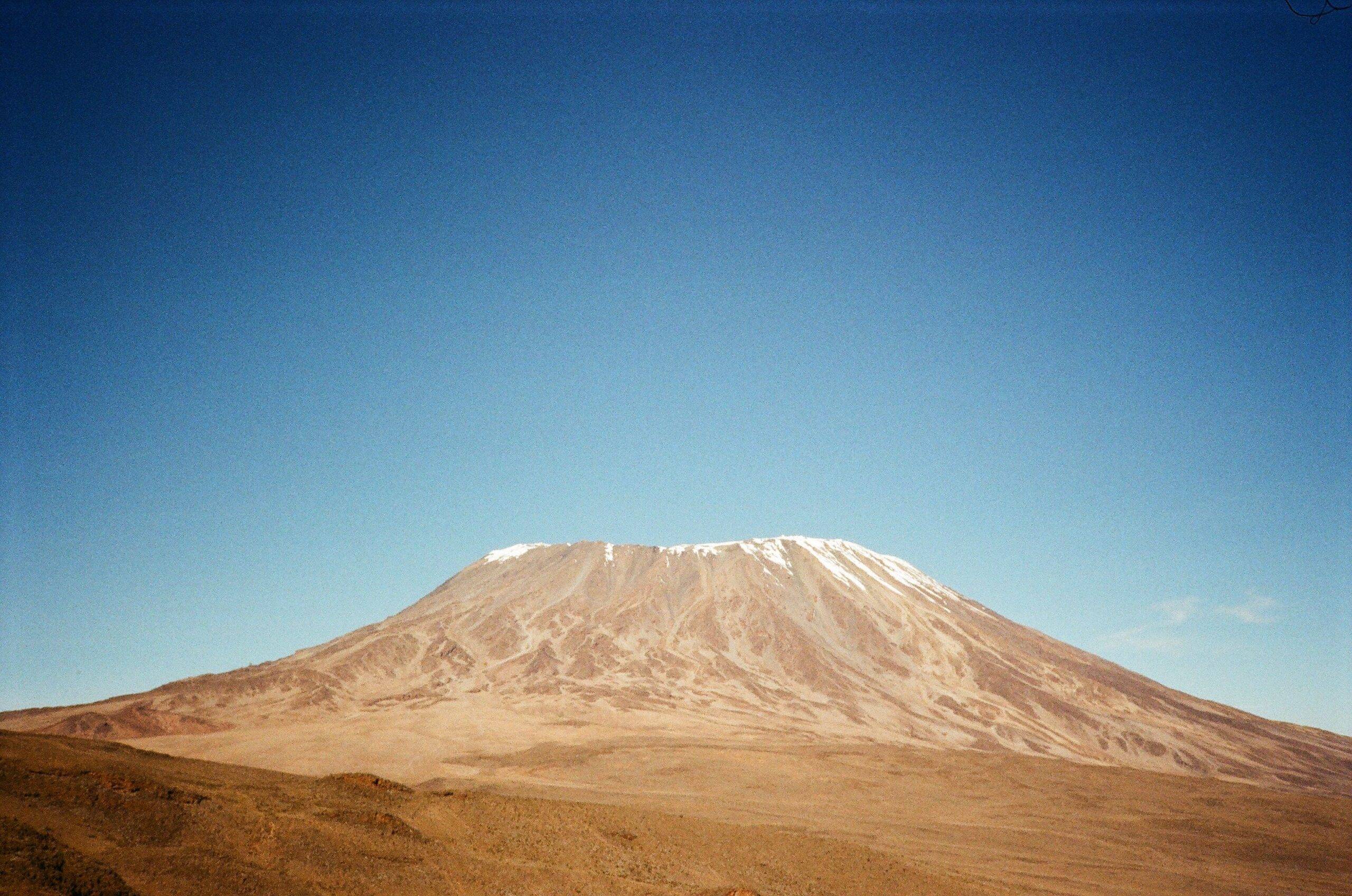
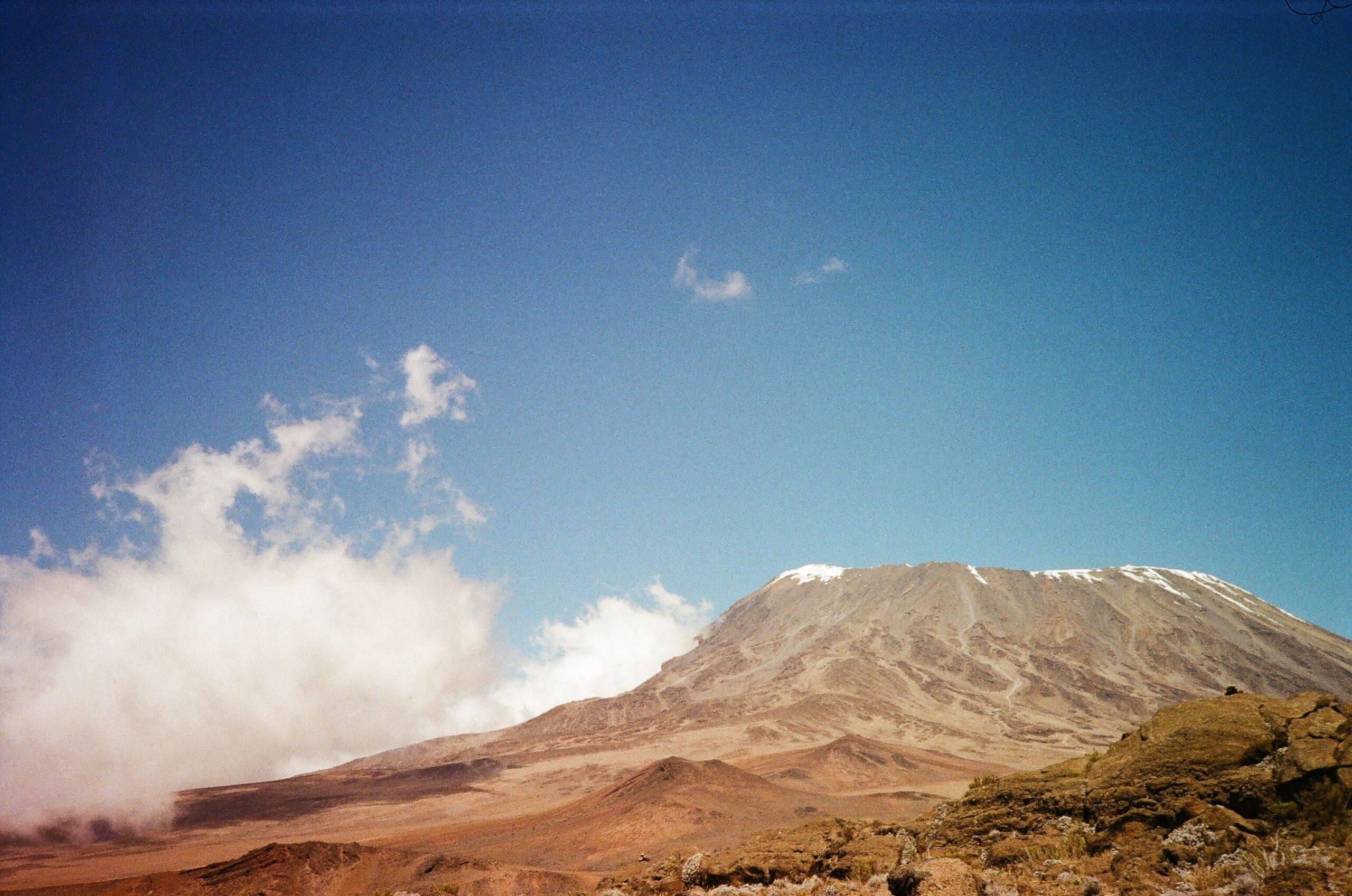
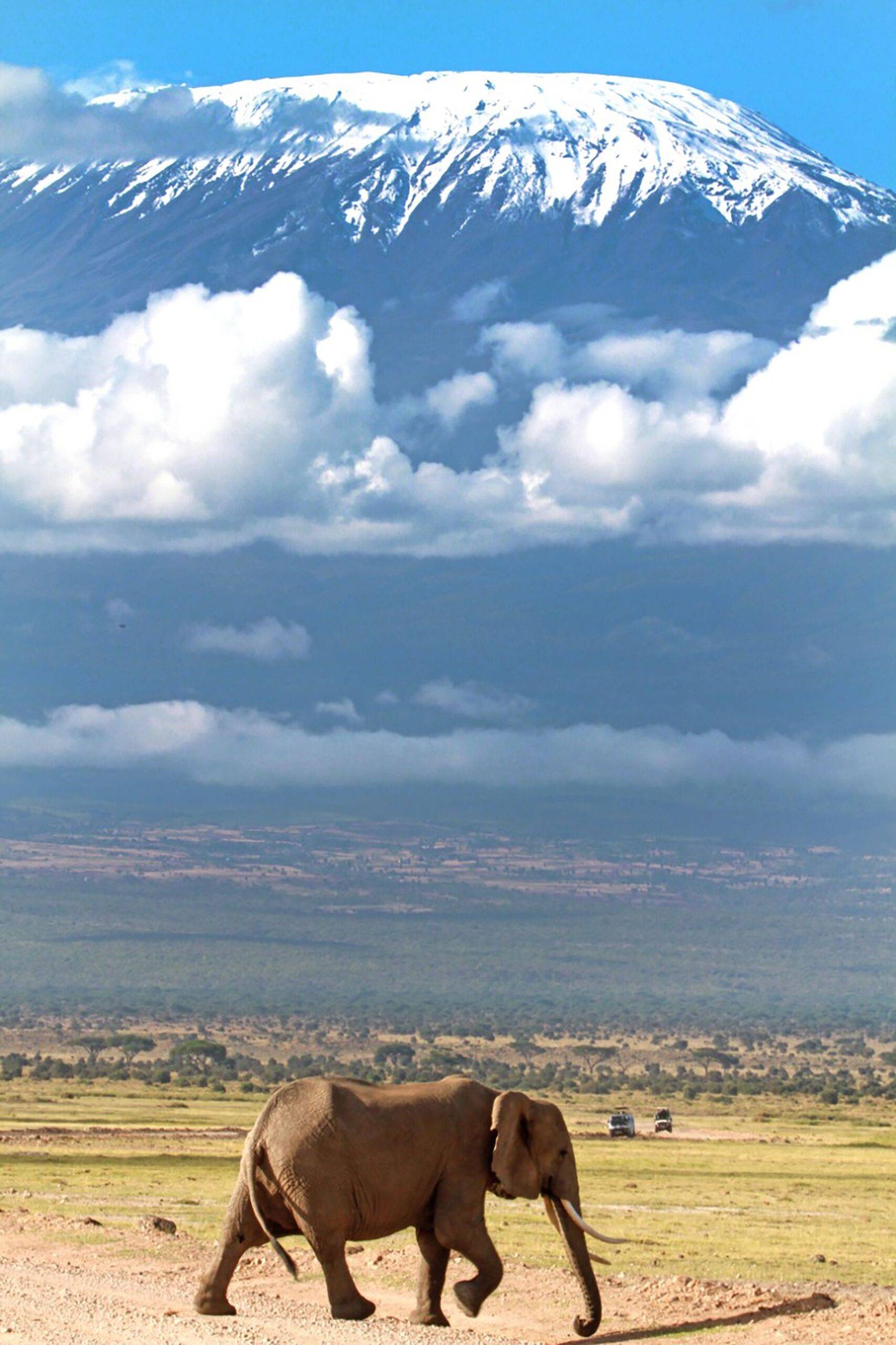
Kilimanjaro is a walk, not a technical climb, and that is exactly why so many underestimate it. Over seven or eight days you go from equatorial rainforest to a glaciered summit at 5,895 metres, the highest point in Africa. No ropes, no ice axes — just your legs, your lungs and a great deal of altitude.
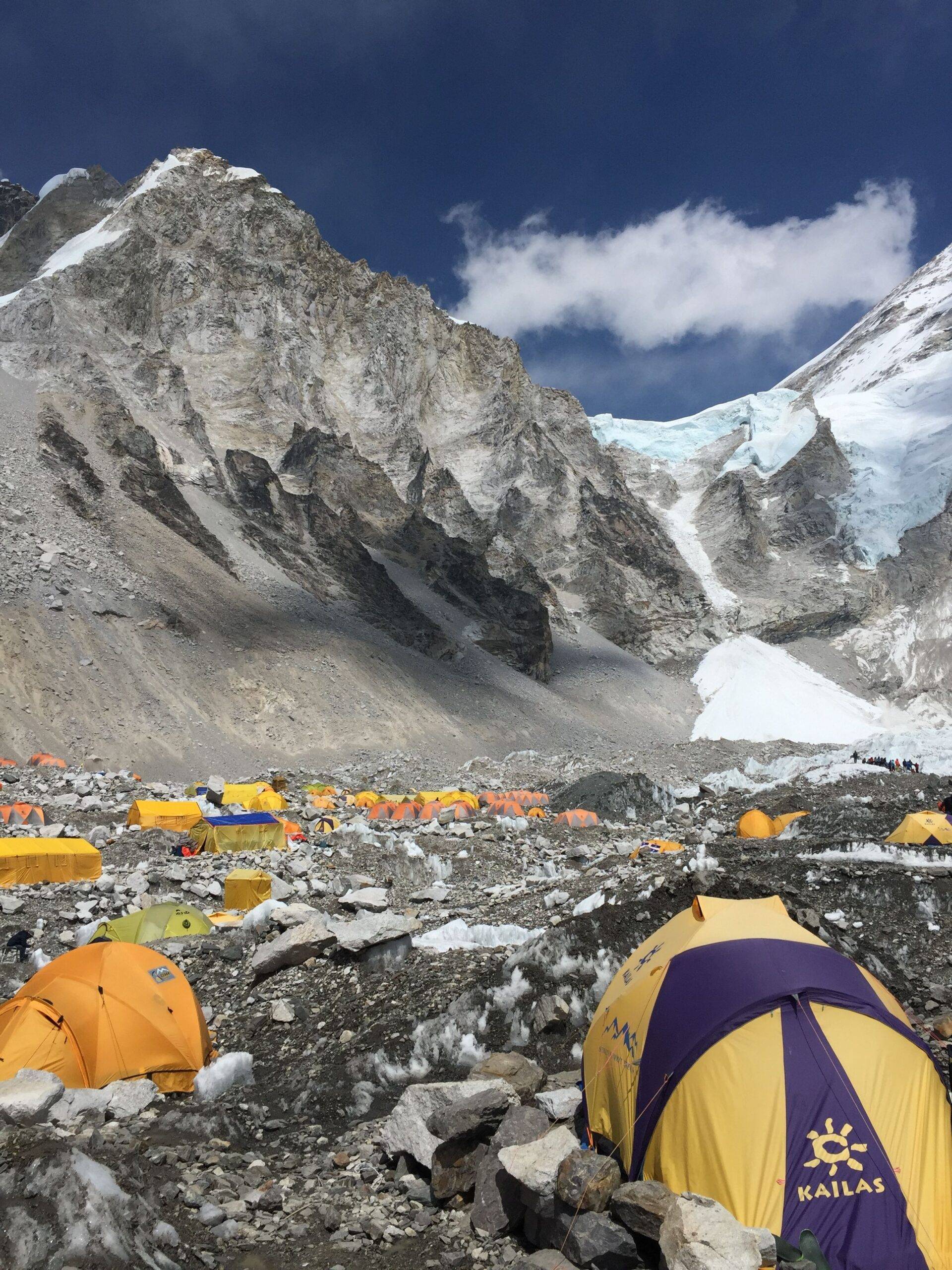
We favour the Machame or Lemosho route for their gentler ascent profile and the acclimatisation it buys. You climb through rainforest to Shira, traverse the Barranco Wall, and camp progressively higher at Karanga and Barafu. Summit night starts near midnight; you reach Uhuru at dawn, then descend fast to thicker air and a final camp.
The trail is mostly walkable path and scree, no climbing skill needed, but the altitude is the whole challenge. Above 4,000 metres headaches and nausea are common, and summit night is bitterly cold, dark and slow. January to March and June to October are the drier windows. Even fit trekkers turn back; roughly a third don’t summit.
Some moments are built for lingering: stepping out of the forest into open moorland with the snow-capped cone finally in full view; the Barranco Wall scramble with the whole camp strung out below; and the crater rim at sunrise, Uhuru’s wooden sign ahead, glaciers pink in the first light, your legs finished and your chest heaving in the cold.
For determined trekkers who train, walk slowly and accept that summiting is never guaranteed. Not for anyone chasing a quick tick, unwilling to spend the days acclimatising, or with heart and lung conditions — and not for those who cannot handle a hard, cold, sleepless summit night at altitude.
Good to
know
How fit do I need to be to climb Kilimanjaro?

You need solid aerobic fitness and the stamina to walk five to seven hours a day for a week, plus one very long summit day. Train with hill walks, stairs and long hikes for a few months. No technical skills are required, but walking slowly and steadily — pole pole, as the guides say — matters more than raw speed.
How hard is the altitude and summit night, really?
What does climbing Kilimanjaro cost from India?
Let's design
your version
Tell us your dates, group and budget and we’ll shape this journey around them. Everything is priced to your brief and planned on a call, never pulled off a shelf.