

Trip Highlights
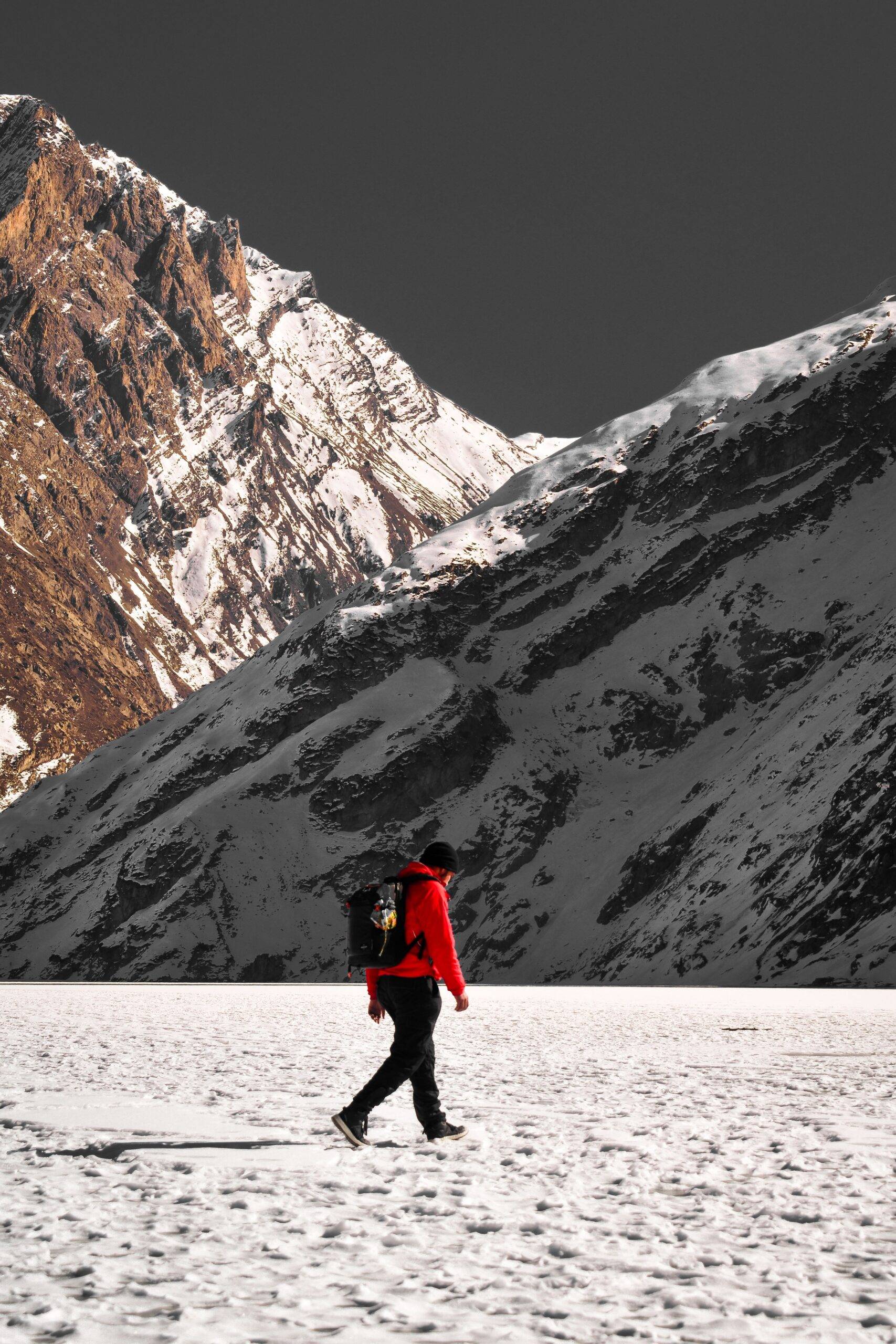
- Walking on the frozen surface of the Zanskar river, the ice sheet that Zanskaris call the chadar.
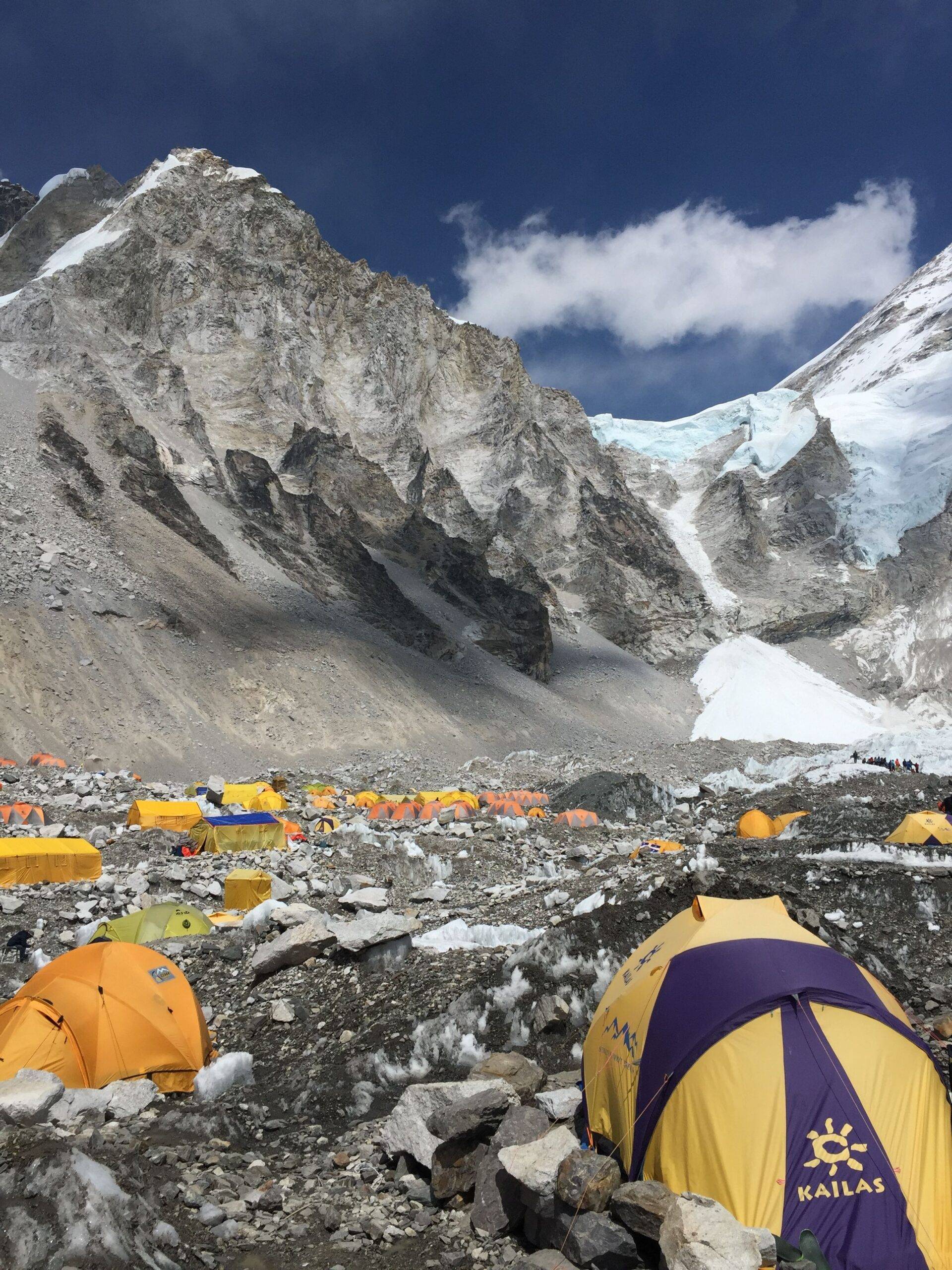
- Nights in riverside caves and tents on the ice, sharing fires with Zanskari porters who know the route.
- Frozen waterfalls hanging blue off canyon walls, and ice that groans and shifts underfoot as you cross.
- Acclimatisation days in Leh at 3,500 metres before the trek, non-negotiable for your safety on the ice.
- The gorge itself, sheer rock walls closing overhead while the river runs black beneath your boots.
- Temperatures that fall to −25°C at night, a cold that reshapes how you eat, sleep and move.
- A route the Zanskaris have walked for generations as their only winter link to the outside world.
 Zanskar, Ladakh
- Frozen, Remote, Extreme
- 9 Nights / 10 Days
- Priced to Your Brief
- Ice Camps & Caves
- Winter Ice Trek


THE RIVER IS THE ROAD
For a few weeks in January and February, the Zanskar river freezes hard enough to walk on, and a trail opens across the ice that exists at no other time of year. This is the Chadar — a deep-winter trek through a Himalayan gorge, on a road made of frozen water that shifts under your feet.
It starts with two or three days in Leh at 3,500 metres to acclimatise — skipping this is dangerous. You drive to the roadhead near Chilling, then walk the frozen river in short daily stages, camping in caves and tents on the bank. Turnaround comes at Nerak and its frozen waterfall before you retrace the ice.
The ice is never uniform. Some stretches are glassy and firm, others slushy or broken, so you shuffle, test and sometimes wade in gumboots along the edge. Days are short and the sun rarely reaches the gorge floor. Nights drop to −25°C. January and February are the only viable window, and even then the ice decides.
Some moments are built for lingering: the first careful step onto ice that holds a whole river beneath it; a Zanskari porter reading the surface and choosing a line only he can see; a cave night with a driftwood fire, tea in cold hands, and a silence so complete you hear the river moving under the floor.
For experienced cold-weather trekkers who genuinely want extreme, and who will respect the acclimatisation days. Not for altitude-sensitive travellers, anyone with heart or circulation trouble, first-time trekkers, or those who dislike being cold, unwashed and far from any hospital for the better part of a week.
Good to
know
How fit and prepared do I need to be?

Very. You should already have multi-day Himalayan trekking behind you and be comfortable in serious cold. Build cardio and leg strength for months, and rehearse walking in heavy insulated boots. Just as important is the mental side — the ice is unstable, days are austere, and you must be willing to turn back if conditions close in.
Is it safe, and what about the cold and altitude?
What does the Chadar Trek cost from India?
Let's design
your version
Tell us your dates, group and budget and we’ll shape this journey around them. Everything is priced to your brief and planned on a call, never pulled off a shelf.