


Choosing an educational tour operator should not start with the cheapest quotation or the most attractive itinerary. A good provider should be able to explain what students will learn, how the trip will be managed, how students will be kept safe and what the school receives before, during and after the journey. This matters because […]
The most difficult conversation I have with schools does not involve money. It involves a calendar.
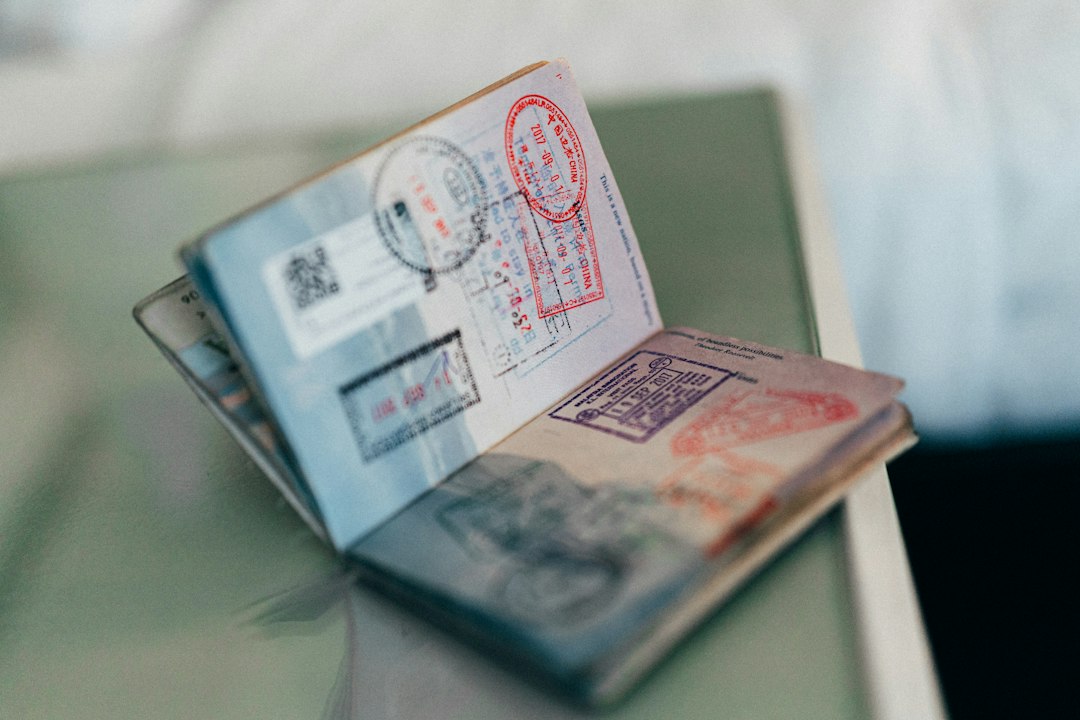
A principal calls in November wanting to take Grade 9 to Kennedy Space Center in the April break. She has the board’s approval, a parent committee that has already met twice, and a WhatsApp group of eighty excited fourteen-year-olds. She has done everything right except one thing, and there is no polite way to say it: the appointments do not exist. Not the flights, not the hotel, not the programme — the visa appointments. On today’s queues, a school in Mumbai starting in November is planning a trip for the summer of 2028.
I have learned to open with this rather than close with it.
How far in advance should an Indian school book a US educational trip?
Plan 15 to 18 months ahead, and treat the visa appointment — not the flight or the programme — as the fixed point everything else moves around. As of the US State Department’s August 2026 figures, average B1/B2 interview waits were roughly 14 months in Mumbai, 9.5 in Hyderabad, 7.5 in New Delhi, 7 in Chennai and 4 in Kolkata. Those are averages for the queue, not guarantees of an appointment.
That single paragraph is the most useful thing in this article, and everything below is the working-out.
The rule change that broke the old workaround
Until late 2025, most Indian operators handled school groups the same way: adults did the interview, and children under fourteen went through the interview-waiver route — dropbox, in the trade. It was fast, it was predictable, and it meant a group of thirty students effectively needed only its teachers to sit in front of a consular officer.
That route closed. Since 1 October 2025, the interview waiver no longer covers applicants under 14 or over 79. Every student now needs an in-person interview, which means every student needs an appointment, which means a group of thirty is competing for thirty slots in a queue measured in months. The waiver survives in narrow cases — a B1/B2 renewal within twelve months of expiry, where the applicant was over 18 when the previous visa was issued — and consular officers keep the discretion to call anyone in anyway.
There is a second, quieter arithmetic problem hiding in this. Students who already hold a valid US visa from a family holiday are suddenly the most valuable people in the group, because they do not need anything. I have watched a school reshape a trip around the eleven children who already had visas, and I would rather tell you that upfront than have you discover it in February.
The one asymmetry worth knowing: student visas — F, M and J — are moving in one and a half to two and a half months at the same posts. But a school trip is not a study programme. It is a visitor visa, and it sits in the long queue. Parents ask me about this every single time, so I say it plainly: no, your daughter’s F-1 friend’s two-month wait does not apply to you.
What this does to the shape of the trip
Once you accept that the consulate sets the date, the planning inverts in useful ways.
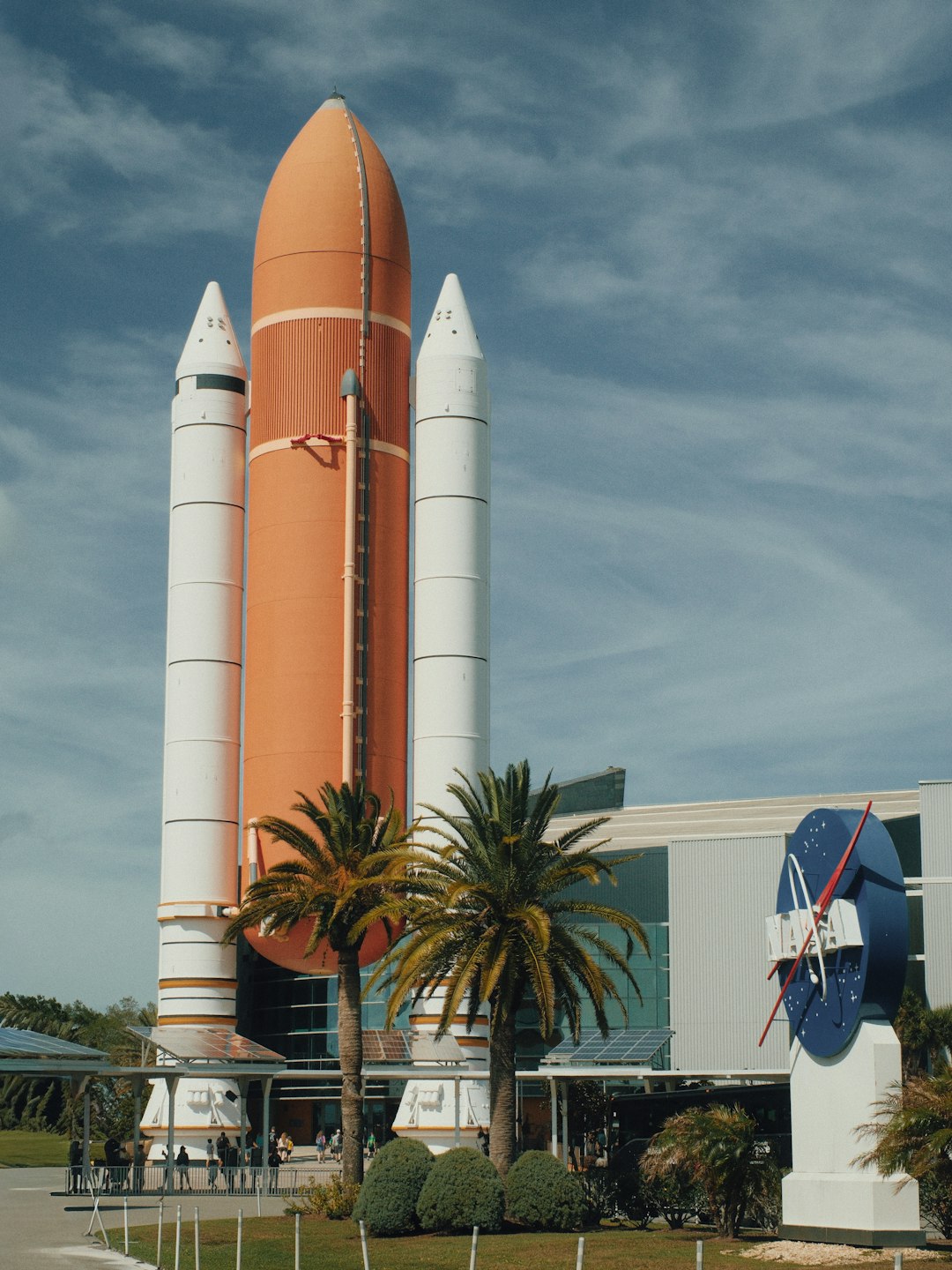
You book the programme late and the appointment early. Kennedy Space Center’s education team runs a Camp Kennedy Space Center International format — three-day and five-day, built specifically for overseas groups — alongside Mars Base 1 and the Astronaut Training Experience. Space Center Houston runs Space Center U and its grade-banded Stars & STEM strand. Neither publishes prices online, both quote by group, and neither is the constraint. They can usually accommodate you eight weeks out. The consulate cannot.
You choose the consulate deliberately. A school in Pune has a genuine decision to make between Mumbai’s queue and travelling students to a shorter one, and the maths sometimes works even after you cost the coach and the overnight. This is an unglamorous conversation and it belongs in the first meeting, not the fifth.
You build the group list a year before you need it. Passports expiring inside the travel window, students without passports at all, the child whose surname on the birth certificate does not match the school record — these take weeks to fix and they only surface when you actually collect documents. Collect them in month one.
You budget for the paperwork properly. The MRV fee is the visible cost. Beyond it, the US has legislated a $250 “visa integrity fee”, indexed annually — but as of August 2026 I could not confirm from a State Department source exactly how and when it is being collected, so I tell schools to carry it as a provision rather than a line item and to check at the point of application. Add the unglamorous rest: biometrics, couriers, and for many schools an out-of-city trip to a consulate for thirty children and their chaperones, which is a logistics exercise in itself.
What the trip is worth, honestly
I have written elsewhere about what happens to a student under the Saturn V, and I stand by every word of it. But this article is the other half of that one, and it would be dishonest to sell you the rocket without the queue.
A seven-to-ten day US programme for an Indian school group — flights, land, most meals, entries, structured programming, twin or triple share, in a group of 25 to 35 with two or three free teacher places — sits in a band of roughly ₹3,00,000 to ₹5,00,000 per student, before visa costs and personal spending. That is an indicative range for 2026–27, not a quote; airfare season and group size move it more than anything else, and per-student cost drops noticeably between a group of 20 and a group of 35 as coach hire and teacher places amortise.
If that number makes a parent committee flinch, there are honest alternatives that are not consolation prizes. Japan is exceptional and the science is nearly free — JAXA’s Tsukuba tours cost nothing, Miraikan charges ¥160 per student — with an agency-mediated e-visa that Indian operators already handle routinely. Singapore is fast, close and predictable, though every child needs an individually issued passport because Singapore does not accept collective travel documents. The UK publishes a three-week visa service standard, which after the US queue reads like a fantasy.
And the honest caveat about the US trip itself: a fifteen-year-old’s first long-haul flight ends in a day that is a write-off, and a good itinerary treats day one as recovery rather than pretending otherwise. Jet lag is not a moral failing, and neither is a group that sleeps until ten on its first morning.
The one date to write down
If you want a US trip in the summer break of 2028 and you are working out of Mumbai, the appointment hunt starts now, in the second half of 2026. If you want April 2028, start yesterday. If someone tells you they can compress this, ask them precisely which appointments they hold, at which post, for how many applicants — and watch what happens to the conversation.
I would rather lose a booking than take a school’s deposit against a queue I cannot beat.
Frequently asked questions
How long does a US visa take for an Indian school group in 2026?
The wait is for the interview slot, not the decision. State Department figures published in August 2026 showed average B1/B2 waits of roughly 14 months in Mumbai, 9.5 in Hyderabad, 7.5 in New Delhi, 7 in Chennai and 4 in Kolkata. Those averages move, and the department itself cautions that an average wait does not guarantee an available appointment. Check travel.state.gov for the current figure before you commit to a date.
Can students under 14 still skip the interview?
No. The interview-waiver route was narrowed on 1 October 2025 and no longer covers applicants under 14 or over 79. Every student in the group now needs an in-person appointment. This is the single change that has most altered US school-trip planning from India.
Is a US school trip a student visa or a tourist visa?
A tourist visa — B1/B2. This matters because F, M and J student visas are moving far faster at the same consulates, and families reasonably assume the shorter wait applies. It does not. A school trip is a visit, not a course of study.
What does a US school trip cost per student from India?
As an indicative band for 2026–27: roughly ₹3,00,000 to ₹5,00,000 per student for seven to ten days, covering flights, land arrangements, most meals, entries and structured programming, on twin or triple share in a group of 25 to 35. Visa fees, documentation costs and personal spending sit outside that. It is a range, not a quote — airfare season and group size are the biggest variables, and cost per student falls as the group grows.
Which alternatives give a similar experience without the US visa queue?
Japan pairs JAXA’s free Tsukuba Space Center tours with Miraikan at ¥160 per student and an agency-mediated e-visa Indian operators use routinely. Singapore is the fastest and cheapest to reach, with the caveat that collective travel documents are not accepted and every child needs their own passport and visa. The UK publishes a three-week visa service standard. None of these replaces standing under a Saturn V, but all three can be delivered inside one academic year.
What is the best month for an Indian school to travel internationally?
The summer break, mid-May to early July, is the only Indian school window long enough for a ten-day long-haul trip — and it is peak airfare. The winter break, late December to mid-January, runs ten to fifteen days and suits Singapore, Japan and Australia. The October Dussehra break of four to six days is too short for long-haul and is the most expensive week of the year domestically. Whichever you choose, the visa clock, not the holiday calendar, sets the booking date.
If your school is thinking about the United States, our NASA space school journey and USA Ivy League tour are both built around consular timelines rather than brochure ones. For schools that need to travel inside this academic year, Japan robotics and JAXA is where I usually start.
Principals and parent committees: bring us your group size, your consulate and your honest budget at the thumbprint. We will tell you which year is realistic before you tell the children.
Continue Reading


A history teacher's account of taking thirty Indian students to Rome: the 30-day ticket alarm, why under-18s go free, and the day at Ostia that beat the Colosseum.

Which Oxford summer programmes are run by the University and which are private companies using the city's name. Fees, 2027 dates, and what that letter of recommendation is actually worth.