


I keep the list in a spreadsheet. It has a column for the country, a column for the year, and — added later, when I began to feel uneasy — a column for how many nights I slept there. Photo by Global Residence Index on Unsplash Fifty rows. Six of them say one night. Two […]
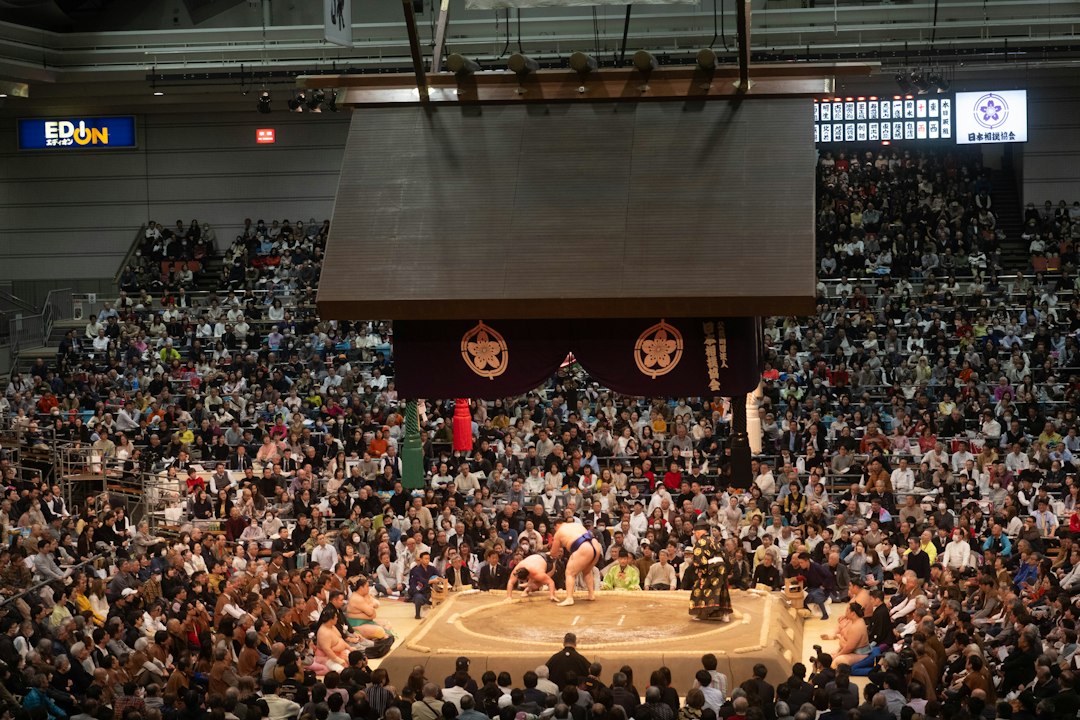
Some months before we travelled, my eight-year-old discovered sumo on the internet and decided, with the total commitment available only to eight-year-olds, that his purpose in Japan was to see a real wrestler outside a stadium. Not on television. Not in the ring. Walking down a street, being enormous, in a yukata.
I did not take this seriously as a travel objective. I have since learned that a child’s ridiculous quest is the single best organising principle for a family trip, because it makes them look at everything.
Is sumo worth taking a child to?
Better than almost any other sport, and for a structural reason: individual bouts last between two and ten seconds. There is no long passage of play to sit through. Salt is thrown, feet are stamped, two men stare at each other, something violent and decisive happens, it is over. It is designed, accidentally, for a short attention span. Buy arena chair seats rather than the traditional masu-seki boxes — a box is four people cross-legged on a cushion on a hard floor for three hours — and arrive at one or two in the afternoon rather than when the doors open at eight.
The tournament calendar, and the thing every guidebook has wrong
There are six honbasho a year, each fifteen days, Sunday to Sunday. In 2027 they run 10–24 January (Tokyo), 14–28 March (Osaka), 9–23 May (Tokyo), 11–25 July (Nagoya), 12–26 September (Tokyo) and 14–28 November (Fukuoka). Tickets go on sale roughly five to eight weeks before each one.
The detail that tripped me up: the July tournament in Nagoya has moved to the new IG Arena. Every older guide I read still said Dolphins Arena. If you are searching for the venue by name, you will search for the wrong building.
We went to the September basho in Tokyo, at the Ryōgoku Kokugikan — about eleven thousand seats, right by the station, with a sumo museum inside it. Buy from the Japan Sumo Association’s own English ticket site. The resellers that come up first on a search charge two to three times face value, and January in Tokyo can go in hours.
The day, done properly
I had originally intended to arrive at eight in the morning because that is when it starts and I am the sort of person who arrives when things start. A colleague talked me out of it, and he was right.
Arrive at one or two in the afternoon. Here is what you get:
Around quarter past two, the jūryō dohyō-iri — the second division’s ring-entering ceremony, in silk aprons. The first real spectacle. Then their bouts, which are fast and often better than the top division’s because the wrestlers are hungrier.
Around quarter to four, the makuuchi dohyō-iri — the top division, in the embroidered kesho-mawashi aprons, which are the most absurd and magnificent garments I have seen on a human being — followed immediately by the yokozuna’s solo ceremony with the rope belt and his two attendants. My son did not blink through the whole thing.
Then the top bouts, climbing in rank until about six, and at quarter past six the yumitori-shiki, the bow-twirling ceremony, and then you leave.
Four and a half hours, all of it good. Arriving at eight in the morning would have given us five extra hours of teenagers wrestling in an empty hall — interesting for twenty minutes because you can sit anywhere and get close, and unendurable for five hours.
Children up to three sit on a lap. From four they need a ticket.
Where the quest actually succeeded
Not at the Kokugikan.
Arashio-beya, a sumo stable in Tokyo, lets you watch morning practice from the street, through a ground-floor window, for free, with no booking. You stand on the pavement. You look in. Inside, very large men are throwing each other into a clay ring at seven in the morning while an older man watches without expression.
We stood there for forty minutes. Nobody asked us for anything. When they finished, wrestlers came out of the door in yukata and sandals and walked past us down the street to get breakfast, and my son said nothing at all for about a minute and then said, quietly, “they’re real.”
Two things to know. Morning practice only happens outside tournament periods — so not in January, May or September in Tokyo, and not in March, July or November when the Tokyo stables travel. February, April, June, August, October and December are your months. And the paid stable visits, which run ¥7,000–15,000 through the tour platforms, come with absolute rules: complete silence, sit on the floor, never point your feet at the ring, no eating or drinking, silent camera mode or no camera at all. If you cannot guarantee your child will be silent for an hour, the street window is the honest option, and it costs nothing.
The part where I have to be useful about food
We are vegetarian. My mother, who came with us, is stricter than that.
I had assumed Japan would be easy because I had seen a lot of photographs of vegetables. I want to save someone else that assumption.
Dashi is the base stock of Japanese cooking, and while it starts with kombu — kelp, fine — it is standardly finished with katsuobushi, dried bonito, or dried sardine. Which means a dish can look perfectly vegetarian and be full of fish. Miso soup, which arrives free with almost every set meal. The dipping sauce for soba and udon. Tempura sauce. Most ramen broth, including the “vegetable” one. Okonomiyaki batter. Agedashi tofu’s sauce. Takoyaki batter.
And the phrase everyone reaches for does not work. Asking for “niku-nashi” — no meat — will reliably get you a fish-stock dish, because in Japanese culinary usage fish is not “meat.”
The phrase that works is:
「魚のだしは入っていますか?」 — Sakana no dashi wa haitte imasu ka? — “Does this contain fish stock?”
I wrote it on a card. I showed the card perhaps two hundred times over eleven days. It never once caused offence and it repeatedly changed what arrived.
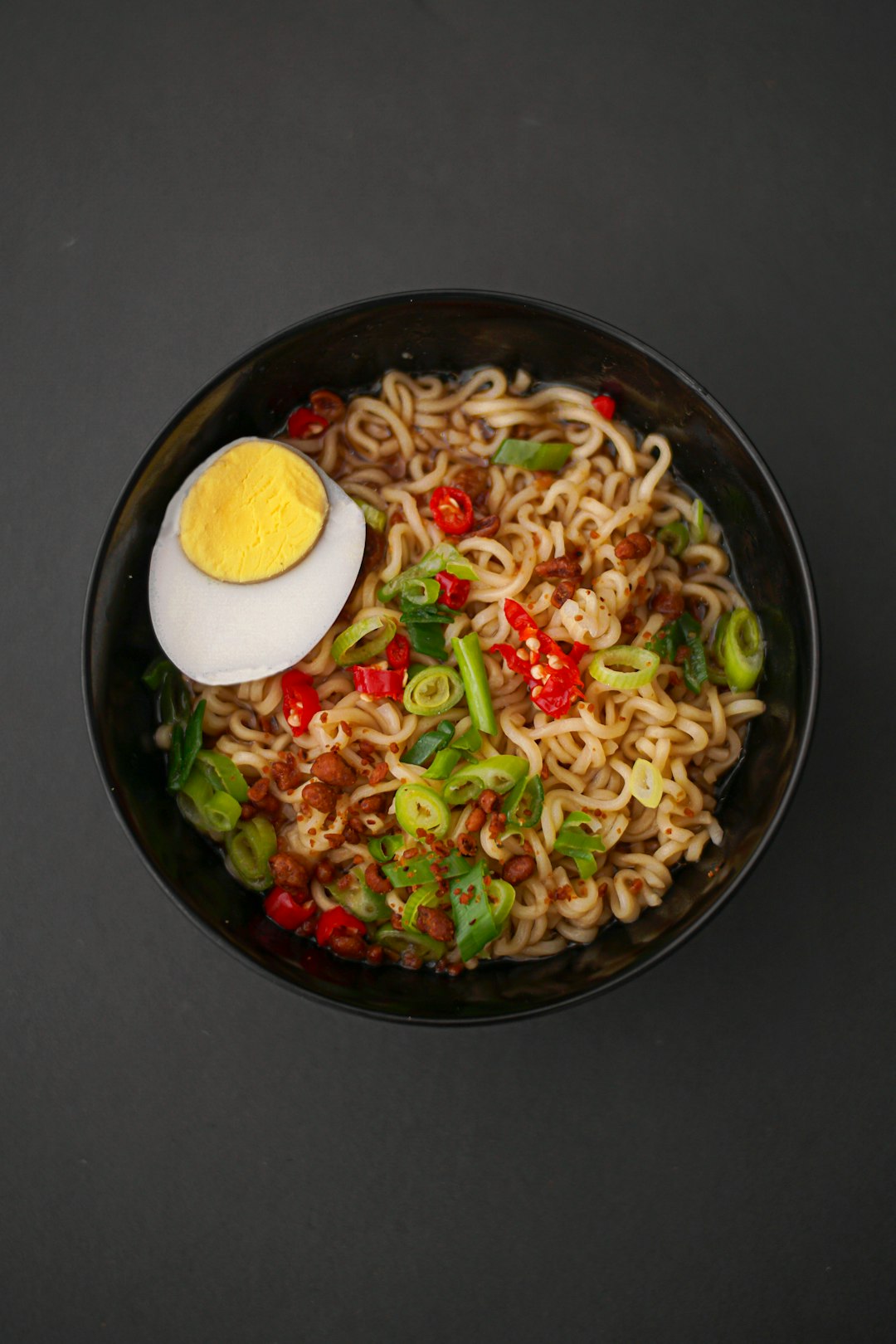
What saved us: T’s TanTan, a fully vegan ramen shop inside Tokyo Station, which my son now rates above every meal of his life. Shōjin ryōri, Buddhist temple cuisine, which uses only kombu or shiitake dashi and by tradition also avoids onion and garlic — making it the one Japanese cuisine close to workable for my mother, best in Kyoto and at the temple lodgings on Koyasan. Konbini — 7-Eleven, Lawson, FamilyMart — for plain onigiri, fruit, eggs and yoghurt at any hour. Depachika, the basement food halls of the department stores, which solved a fussy child in a single visit. And Indian restaurants, which exist in every Japanese city and are not a failure of the trip, whatever you tell yourself.
Chanko-nabe, the wrestlers’ stew served in the Kokugikan basement, is chicken-based and made with dashi. We took our own food in and ate it in our seats, which is permitted and normal.
Three practical things worth more than any attraction
Luggage forwarding. Yamato Transport — the black cat vans — will take your suitcases from one hotel to the next for roughly ¥2,000–2,500 a bag, delivered the following afternoon. You travel between cities with a day pack. For a family with a child, this converts the worst part of the trip into a non-event, and it sidesteps the Shinkansen’s oversized-baggage reservation rule entirely. It is the single best thing I did.
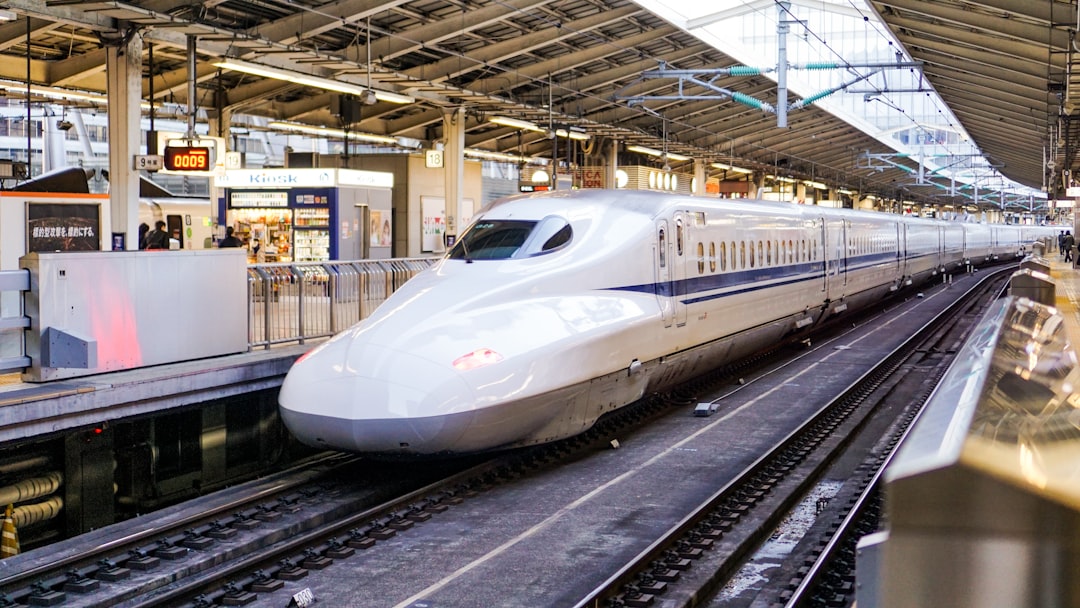
Do the JR Pass maths before you buy it. From 1 October 2026 the seven-day ordinary pass is ¥53,000. A Tokyo–Kyoto return in individual tickets is roughly ¥28,000. The classic Tokyo–Kyoto–Osaka route does not justify the pass, and almost everybody buys it anyway. It wins if you add Hiroshima or Kanazawa or Hokkaido. Otherwise look at the regional passes.
Mobile Suica in Apple Wallet works on a foreign iPhone and removes the whole physical-card question. Physical tourist cards are available again after the shortage, but they expire after 28 days and you don’t get the balance back.
When to go
Late October to early December is the best family window — autumn colour, twelve to twenty degrees, low rain, no typhoons, no cherry-blossom pricing. Avoid June to mid-July (rainy season), August (35°C and humid, and unpleasant with a child), and September for typhoons — though we went in September for the sumo and took the risk knowingly.
Avoid regardless of season: Golden Week (29 April to 5 May), Obon in mid-August, and New Year (29 December to 3 January), when the country closes and prices spike.
For Indians, an e-visa has been available since 2024 for short-stay tourism, single entry, with everything else still going through VFS on paper. Apply no earlier than three months out and allow weeks rather than days. One trap worth knowing: if you are approved by e-visa, the issuance notice has to be shown on a phone or tablet at check-in — a printout is not accepted.
What he actually remembers
Not the ceremony. Not the yokozuna. He remembers standing on a pavement in Tokyo at seven in the morning in the cold, and a man the size of a doorway walking past him to get his breakfast.
Plan the trip around whatever the ridiculous thing is. It will not be what you would have chosen. That is rather the point.
Frequently asked questions
When are the 2027 sumo tournaments and how do I get tickets?
Six tournaments, each fifteen days: 10–24 January (Tokyo, Ryōgoku Kokugikan), 14–28 March (Osaka, EDION Arena), 9–23 May (Tokyo), 11–25 July (Nagoya, IG Arena — note this venue changed, older guides say Dolphins Arena), 12–26 September (Tokyo) and 14–28 November (Fukuoka). Tickets go on sale roughly five to eight weeks ahead through the Japan Sumo Association’s own English ticket site. Resellers charge two to three times face value. Weekends and the final days sell first; mid-tournament weekdays in Osaka, Nagoya or Fukuoka are the realistic option for a late booking.
Which sumo seats are best for a family with children?
Arena chair seats, not the traditional masu-seki boxes. A masu box is sold as a set of four and means sitting cross-legged on a cushion on a hard floor for three hours, which an eight-year-old will not manage. Chair seats have backs and let you leave and re-enter. Arrive at one or two in the afternoon rather than at the eight o’clock opening — that catches the second-division ring ceremony, both dohyō-iri, all the top bouts and the closing bow ceremony in about four and a half hours. Children up to three sit on a lap; from four they need a ticket.
Can tourists watch sumo morning practice?
Yes, with limits. Most Tokyo stables no longer accept casual visitors, but Arashio-beya lets you watch from the street through a ground-floor window, free, with no booking — ideal with a child, because you can leave whenever. Paid stable visits run roughly ¥7,000–15,000 through tour platforms, with strict etiquette: complete silence, sitting on the floor, never pointing your feet at the ring, no eating or drinking, and silent or no photography. Morning practice happens only outside tournament periods, so February, April, June, August, October and December.
How hard is vegetarian travel in Japan?
Manageable with planning; Jain is genuinely difficult. The core problem is dashi — the base stock, which starts with kombu but is standardly finished with dried bonito or sardine — so miso soup, noodle dipping sauces, tempura sauce, most ramen broth and okonomiyaki batter are not vegetarian despite appearances. Crucially, asking for “niku-nashi” (no meat) does not work, because fish is not counted as meat. Use 「魚のだしは入っていますか?」 — Sakana no dashi wa haitte imasu ka? Reliable options: T’s TanTan vegan ramen inside Tokyo Station, shōjin ryōri temple cuisine (kombu or shiitake dashi only, and traditionally no onion or garlic), konbini staples, depachika food halls, and Indian restaurants in every city.
Is the JR Pass still worth buying?
Often not. From 1 October 2026 the seven-day ordinary pass costs ¥53,000, while a Tokyo–Kyoto return in individual tickets is roughly ¥28,000 — so the classic Tokyo–Kyoto–Osaka route does not justify it. The pass wins when you add long distances such as Hiroshima, Kanazawa or Hokkaido. For most families the regional passes are better value. Note the pass collapsed in value in October 2023, when the seven-day price rose from ¥29,650 to ¥50,000; the 2026 rise is small by comparison.
When is the best time to take children to Japan?
Late October to early December — autumn colour, 12–20°C, low rainfall, no typhoons and none of the cherry-blossom price surge. Late March to April is beautiful but expensive and very crowded. Avoid June to mid-July for the rainy season, August for heat and humidity, and September for typhoons. Regardless of season, avoid Golden Week (29 April–5 May), Obon in mid-August, and New Year (29 December–3 January), when much of the country closes.
Our Japan technology and culture journey can be built around a tournament rather than dropping one in, with the vegetarian and Jain catering arranged restaurant by restaurant in writing rather than hoped for. Families adding a second country usually look at South Korea.
At the thumbprint, tell us what your child is currently obsessed with. That is a serious question, and we build around the answer.
Continue Reading

A traveller's account of a December Santa trip that went wrong, and the March return to Inari that went right. Polar night, aurora odds and buying Sámi craft honestly.
A returning traveller on the free museums nobody books, the Sunday flower market, the ponds, and why the Indian food a Delhi visitor actually wants is 40 minutes out.