


Diwali falls on Sunday 8 November 2026. A curator on the full five-day calendar, why fares dip before the festival and spike after, and the ten-week booking window that closes now.
There is a sentence I have said to travellers perhaps two hundred times, and it always produces the same pause.
“Varanasi does Diwali twice.”
The first one is the Diwali everyone knows — the household one, the lamps on the threshold, the sweets, the fireworks. Fifteen days later, on Kartik Purnima, the city does it again, and this time it is not for the family. It is for the gods, who are said to descend to the Ganga to bathe on this night, and the city lights every step of every ghat so that they can find their way to the water.
I do not require you to believe any of that. I require you only to know that on that evening, somewhere north of eighty ghats along a bend of one river are lit at once, and that it is, without competition, the most extraordinary thing I have watched anywhere in India.
When is Dev Deepawali 2026 in Varanasi?
Tuesday 24 November 2026, on Kartik Purnima, fifteen days after Diwali. Lamps are lit from around six in the evening, the Ganga Aarti at Dashashwamedh runs roughly 18:45 to 19:30, and light and laser shows follow at Chet Singh Ghat around 19:30 and Lalita Ghat around 19:45. The festival marks Shiva’s victory over the demon Tripurasura. Note that 24 November is also Guru Nanak Jayanti, a gazetted national holiday — so you are travelling into a public holiday as well as a festival.
That last sentence is a booking fact disguised as a calendar fact, and I will come back to it.
What the evening is actually like
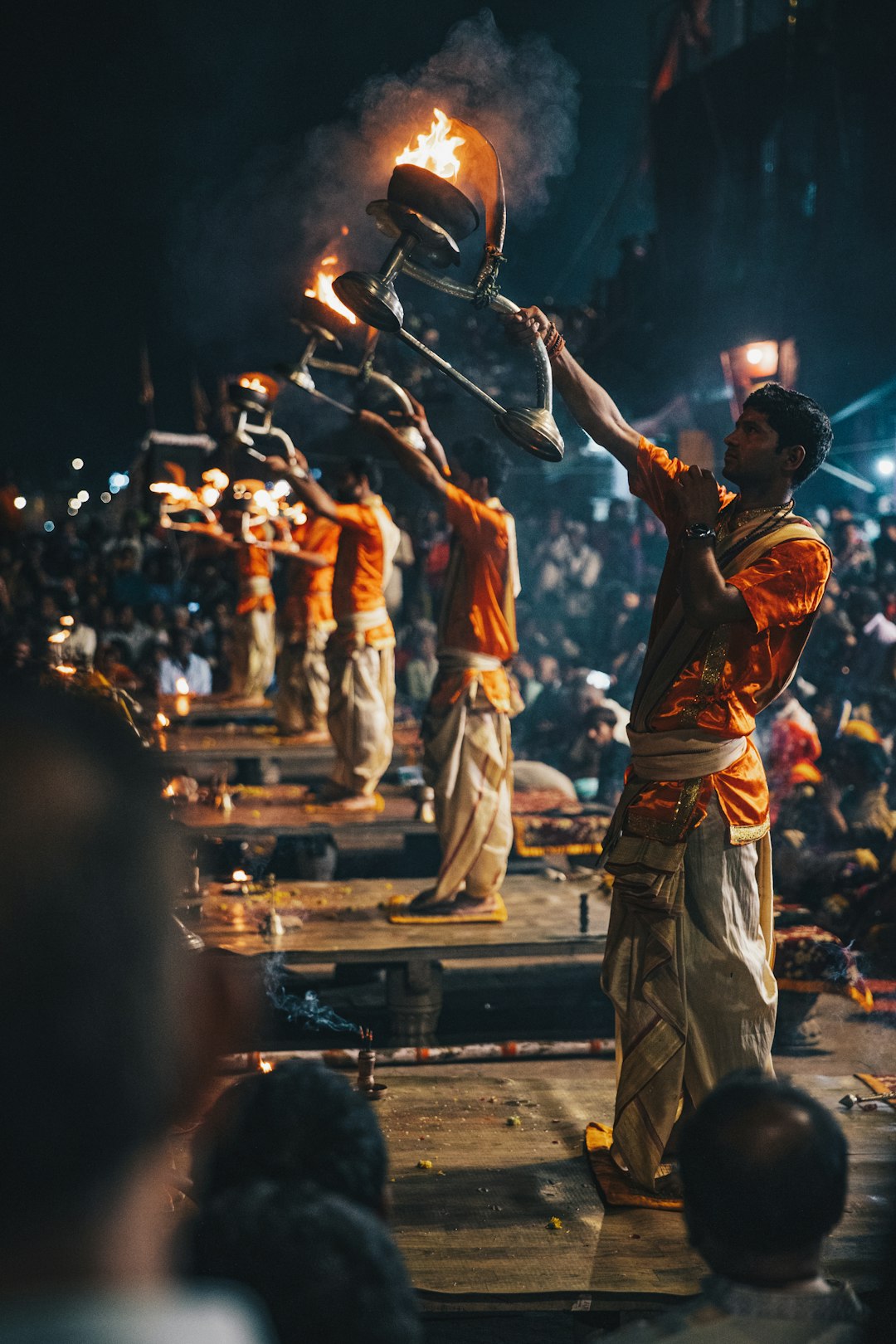
The lighting is not staged the way Ayodhya’s is. There is no single cue, no adjudicator, no wave of flame moving down a terrace. It happens ghat by ghat, family by family, temple by temple, over the better part of an hour as the light goes.
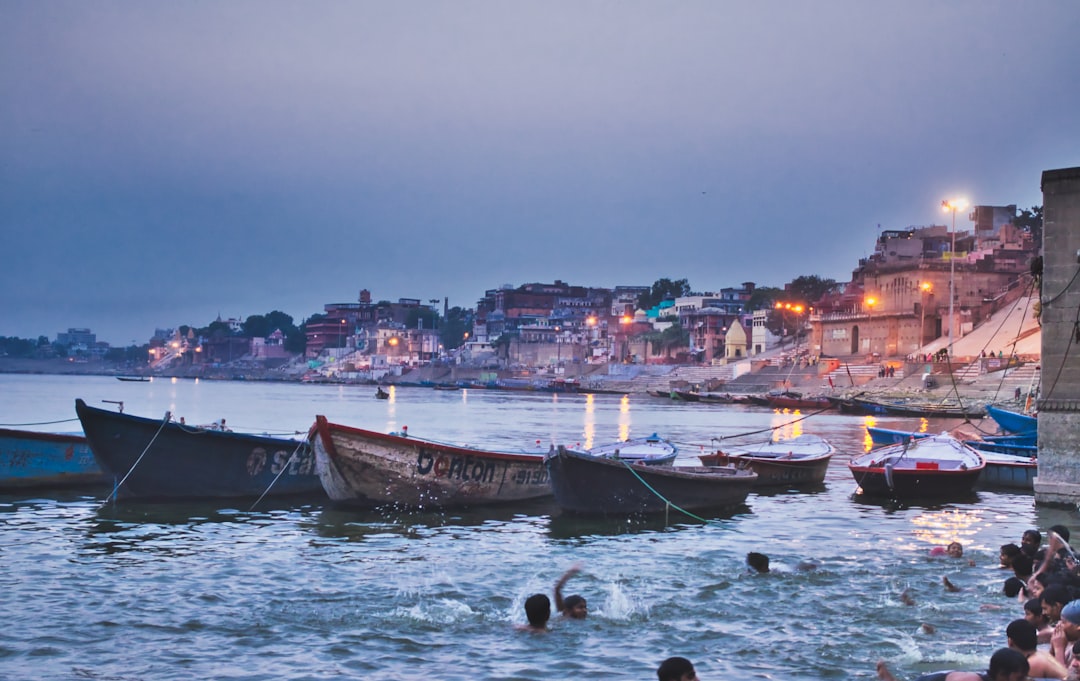
Which means you get something better than a spectacle: you get a slow accumulation. At six the river is dark with a few lit patches. At half past six you can see a line beginning to form along the water. By seven the whole bend of the Ganga — Assi, Chet Singh, Dashashwamedh, Rajendra Prasad, Panchganga, and the eighty-odd steps and terraces between them — is burning, and the river underneath has doubled all of it.
At Dashashwamedh the aarti is the big, choreographed, brass-and-fire performance the city is famous for, and on this night it plays to a crowd of a size that has to be seen. Elsewhere it is quieter and, honestly, better. Panchganga has a particular density of lamps and far fewer people pointing phones at them.
The figure most often quoted is more than five lakh visitors. I cannot verify that number and I would treat it as an order of magnitude rather than a count. What I can tell you is that the lanes behave accordingly, and that walking from Assi to Dashashwamedh on that evening is not a plan, it is an ambition.
The boat question, answered honestly
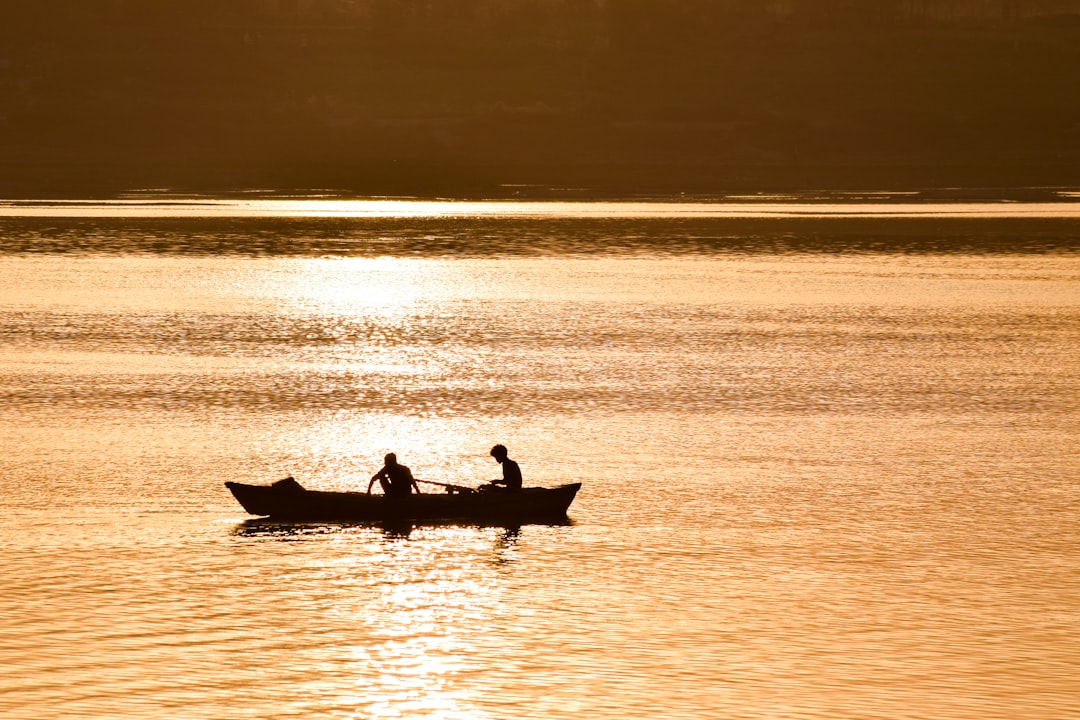
Two things work on Dev Deepawali night: a boat, or a rooftop. Everything else is a crowd.
The boats are where travellers get taken advantage of, and I would rather you heard it from me. Quoted rates on this one night run roughly ₹3,000 to ₹10,000 per person, depending on whether you are on a shared motorboat, a lit motorboat, a traditional bajra or a cruise. That is a night-specific price, several multiples of any other evening of the year, and it is a straightforward function of demand.
Two pieces of advice follow. Book weeks ahead, in writing, with the boat and the boarding ghat named — not on the day, from a man on the steps, at a price he invents while looking at your shoes. And accept that the river gets crowded too: boats sit gunwale to gunwale in the best stretch, and police restrict river movement on the night. A boat buys you a seat and a sightline. It does not buy you solitude.
A rooftop is the underrated alternative. A room or a terrace on the right ghat, booked months out, gives you elevation, a place to sit down, a bathroom, and the ability to leave when you want — which after four hours in that crowd is worth more than you currently think it is.
The one place you must not raise a camera
Manikarnika Ghat is a working cremation ground, and photography there is not acceptable. Not with a permit, because there is no permit. Not discreetly. Not from a boat at a distance with a long lens, which is the version people convince themselves is fine.
If someone on the steps offers you a “photography fee” for Manikarnika, they are running a scam, and it is a well-documented one. Pay it and you have paid a stranger for permission he cannot give, to do something the families around you will rightly resent. The same restraint applies at Harishchandra Ghat.
I mention this in a festival article deliberately, because Dev Deepawali brings more cameras to Varanasi than any other night of the year, and the crowd makes people careless. The rest of the river is yours. That part is not.
Getting it right
Book early, and earlier than you think. Kartik Purnima is a national holiday, the city fills, and the good rooms on the good ghats go months in advance. As I write in late August, three months is roughly what remains.
Give yourself two nights, not one. Arrive on the 23rd. Walk the ghats in daylight so you know where you are, find your boarding point, and eat properly before the evening. On the 24th you will not be able to do any of those things.
Plan your exit before your entrance. The most common failure I see is a family that has thought hard about how to reach the ghat and not at all about how to leave it at nine at night with a tired child.
And build a morning. The sunrise boat on the 25th, with the burnt-out lamps still on the steps and the city hungover and quiet, is the other half of the experience, and almost nobody stays for it.
Frequently asked questions
What date is Dev Deepawali 2026?
Tuesday 24 November 2026, on Kartik Purnima, fifteen days after Diwali. Lamps are lit from around 6 p.m., with the Ganga Aarti at Dashashwamedh Ghat roughly 18:45 to 19:30, a light show at Chet Singh Ghat around 19:30 and another at Lalita Ghat around 19:45. The same day is Guru Nanak Jayanti, a gazetted national holiday, which adds to demand.
What is the difference between Diwali and Dev Deepawali?
Diwali is the household festival — lamps at home, sweets, family. Dev Deepawali, fifteen days later, is Varanasi’s festival of the gods, marking Shiva’s victory over the demon Tripurasura, when the devas are said to descend to bathe in the Ganga. The city lights the steps of its ghats so they can find the water. It is a public, riverfront festival rather than a domestic one.
How much does a boat cost on Dev Deepawali night?
Rates on the night run roughly ₹3,000 to ₹10,000 per person depending on the class of boat — shared motorboat, lit motorboat, traditional bajra or cruise. This is many times the price on an ordinary evening and is purely demand-driven. Book weeks ahead in writing with the boat type and boarding ghat named. Be aware that boats sit close together in the best stretches and police restrict river movement, so a boat buys a sightline rather than privacy.
Is a boat or a rooftop better for watching?
A rooftop is underrated. It gives you elevation, somewhere to sit, a bathroom and the ability to leave when you choose — which matters more than most people expect after several hours in a very large crowd. A boat gives you the classic view of the whole lit bend of the river and the reflections. Whichever you choose, book it months rather than days ahead.
Can I photograph the cremation ghats?
No. Manikarnika Ghat is a working cremation ground and photography there is not acceptable — there is no permit that makes it so, and anyone offering you a “photography fee” is running a known scam. The same applies at Harishchandra Ghat. The rest of the riverfront, the aarti, the lanes and the ghats from a boat are all fine.
How many nights should I plan, and when should I book?
At least two, arriving on 23 November. Use the daylight of the 23rd to walk the ghats, locate your boarding point and eat properly, because none of that will be possible on the night itself. Stay through the morning of the 25th for the sunrise boat, when the burnt-out lamps are still on the steps and the city is quiet. Book three months ahead or more — Kartik Purnima is a national holiday and rooms on the good ghats go early.
Our Dev Deepawali in Varanasi journey handles the boat and the ghat-side room as the two decisions that actually determine the evening, and travellers wanting the city’s fuller story pair it with Kashi and Varanasi.
Start at the thumbprint and tell us whether you want to be on the water or above it. That single answer shapes everything else about the night.
Continue Reading
Goa spends the night before Diwali building thirty-foot demons and burning them at dawn. A Goa curator on the effigy contests, the all-night wards, and how to watch without being a nuisance.
Ram Ki Paidi fills by half past four and the roads seal from mid-morning. A festivals curator on how the Deepotsav crowd actually works, and the dates nobody has confirmed yet.