


Goa spends the night before Diwali building thirty-foot demons and burning them at dawn. A Goa curator on the effigy contests, the all-night wards, and how to watch without being a nuisance.
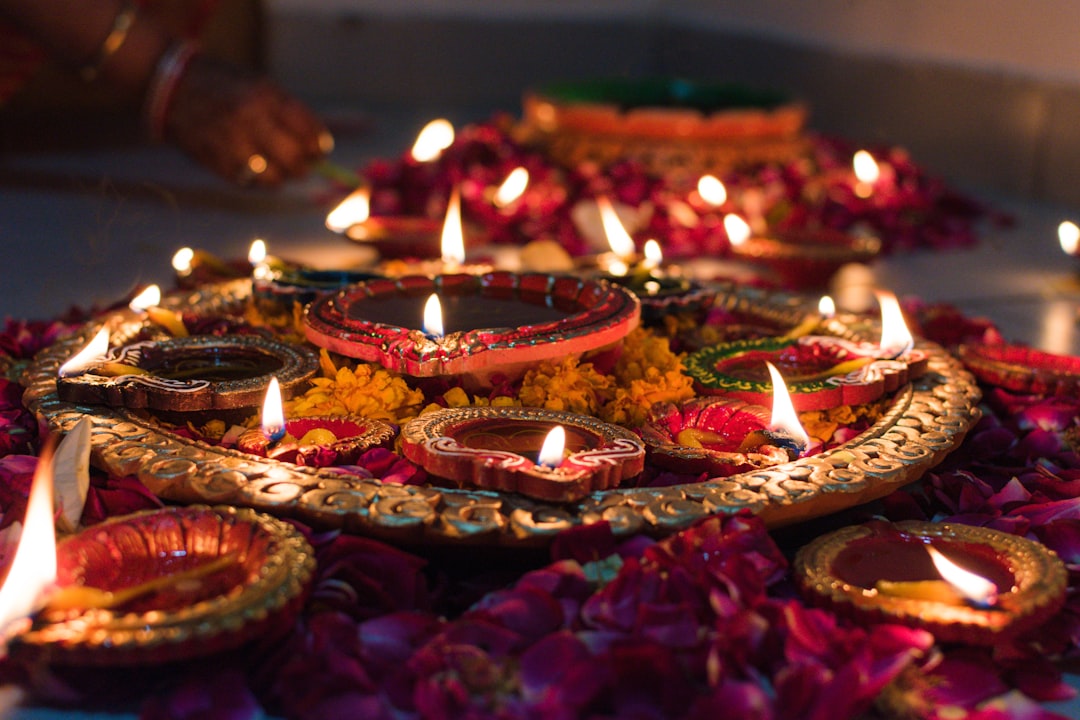
Every year I have the same conversation in early October with someone who has just realised that Diwali is close, and every year it is the same three mistakes.
They treat Diwali as one night. They book the outbound flight for the wrong end of the week. And they discover, somewhere around the third quote, that the hotel in Udaipur they had loosely imagined is not available at any price.
None of this is carelessness. It is a calendar problem. The Hindu lunar calendar moves the festival every year, so nobody develops muscle memory for it the way they do for a fixed date, and by the time the dates feel real, the window has closed. So this year I am writing the whole thing down in August, which is when it is actually useful.
When is Diwali 2026 and how many days should I take off?
Lakshmi Puja — Diwali night — is Sunday 8 November 2026. The full sequence runs Dhanteras on Friday 6 November, Naraka Chaturdashi on the Saturday evening and Sunday morning, Diwali on Sunday 8 November, Govardhan Puja and Annakut on Monday 9 or Tuesday 10 November depending on tradition, and Bhai Dooj on Wednesday 11 November. Because Diwali lands on a Sunday, two days of leave — Monday and Tuesday — buy a continuous five-day break from Saturday 7 to Wednesday 11 November. For most working Indians this is the best leave arithmetic of the entire year.
Write those two days into your calendar before you read anything else, because everyone else’s HR system is about to discover the same thing.
The date that is genuinely disputed
I said Govardhan Puja is on the 9th or the 10th, and I want to be honest about why rather than pick one and sound authoritative.
The Government of India’s restricted holiday list places it on Monday 9 November. Computed panchang — AstroSage, Prokerala and others — place it on Tuesday 10 November, because Amavasya persists past sunrise on the 9th. Both are defensible readings, and temples will differ from one another. Nathdwara follows Pushtimarg reckoning; a Vrindavan temple may not.
If your trip is built around a specific Annakut at a specific temple, ask that temple. This is the one detail I refuse to write confidently, because the cost of being wrong is a family standing outside a shrine on the day after.
Two other dates worth knowing for the same fortnight: Chhath’s main day falls around Sunday 15 November, and Kartik Purnima — Guru Nanak Jayanti, and Dev Deepawali in Varanasi — is Tuesday 24 November, a gazetted holiday. That last one matters enormously if you are planning Varanasi, because it means a national holiday on top of a festival night.
The fare pattern nobody expects
Here is the most useful counter-intuitive fact in this article, and it comes from what actually happened in the 2025 festive season.
Festive airfares inflate roughly 30 to 35 per cent overall, with flight bookings up 20 to 25 per cent — but the surge is not evenly spread across the window. It concentrates on the homeward-and-return legs: everyone flying to their family before the festival and back after it, on the same two or three days. On some routes, spot fares for travel just before Diwali actually dipped by around 25 per cent.
Real examples from last season give you the shape. Hyderabad to Nagpur or Kolkata went from a ₹4,500–6,500 base to ₹11,500–16,500. Hyderabad to Delhi from ₹5,500–8,500 to ₹8,500–18,500. Delhi to Mumbai on the peak days hit ₹20,000–25,000 one-way.
The strategy that follows is simple and almost nobody uses it: fly out early into the festival week and come back late. If you can leave on the Thursday and return on the Thursday after, you are flying on the shoulder days at both ends, and you have bought yourself two extra days of holiday for less than the cost of flying on the peak ones.
Hotels behave differently, and this is the other half of the mistake. Room rates last festive season ran around 30 per cent above normal, with occupancy at 90 to 95 per cent in the leisure destinations. Hotel demand peaks on the festival nights themselves regardless of when you fly. So treat the flight and the hotel as two separate optimisation problems with two different peak dates, rather than booking them as one decision.
Working lead times, from last year’s behaviour: flights eight to twelve weeks out, hotels in Jaipur, Udaipur and Varanasi two to three months, Ayodhya on Deepotsav night three months or more. As I write, we are about ten weeks out. That is the edge of the window, not the middle of it.
Where people actually went
Last festive season’s top domestic destinations were Jaipur, Udaipur, Jaisalmer, Varanasi, Goa, Kerala, Himachal and Uttarakhand. Internationally, Indian bookings to Sri Lanka rose 36 per cent and Thailand and Vietnam around 25 per cent, which tells you that a large number of Indian families have quietly decided that the best way to spend the Diwali break is somewhere the fireworks aren’t.
Which brings me to the part of this article that is uncomfortable.
The air, honestly
I am not going to soften this. The day after Diwali 2025, Delhi’s city-average AQI was 346 — “very poor” — with 36 of 38 monitoring stations in the red zone and individual stations at Wazirpur, Dwarka, Ashok Vihar and Anand Vihar above 400, which is “severe”. The 24-hour post-Diwali PM2.5 average was 488 micrograms per cubic metre, the worst in five years. India’s own national standard is 60. The WHO’s guideline is 15.
The five-year run of post-Diwali PM2.5 averages in Delhi reads 454.5, 168, 319.7, 220, 488. There is no comforting trend in that sequence.
And the rules for 2026 are not settled. In October 2025 the Supreme Court permitted green crackers in the NCR on a test-case basis with tightly defined sale dates and two short usage windows on Chhoti Diwali and Diwali day. On 19 August 2026, a bench asked the Central Pollution Control Board to examine a limited relaxation of firecracker noise limits ahead of this Diwali, and adjourned for two weeks. No order has been passed. The national 125 dB limit stands. Anybody telling you confidently what the Delhi-NCR rules will be this November is guessing.
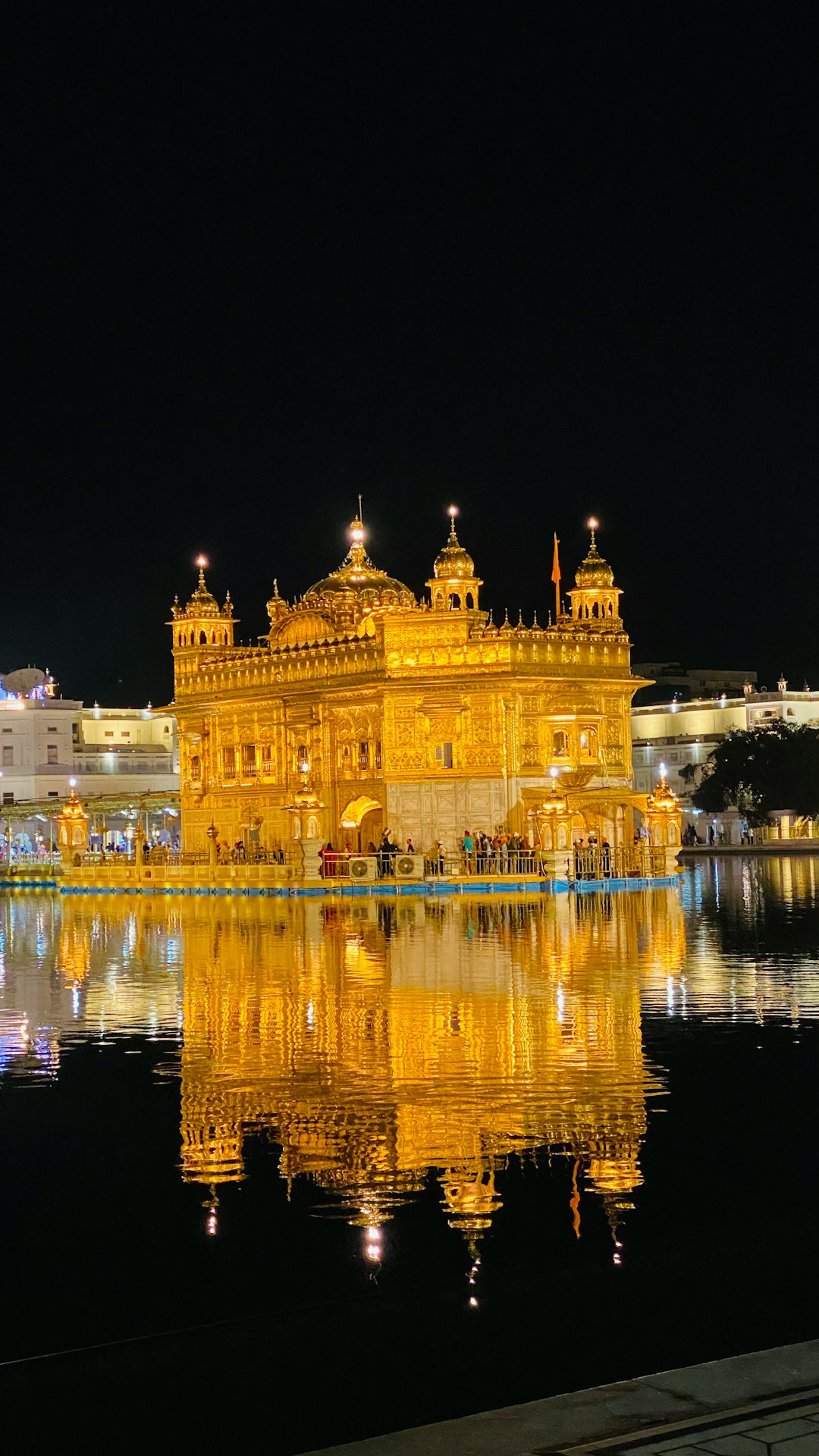
What this means practically: if you have a child with asthma, an elderly parent with a respiratory condition, or you simply do not want to spend the loveliest week of the year indoors, weight your Delhi plans towards daytime and interiors on the worst evening, or plan the festival somewhere else. Udaipur, Jaipur, Amritsar — where the Golden Temple’s Bandi Chhor Divas falls on the same day, 8 November — Goa, and the temple towns all give you the festival without the fortnight of aftermath.
The three sentences
If you read nothing else: Diwali is Sunday 8 November 2026. Take Monday and Tuesday off. Book the flights on the shoulder days and the hotels for the festival nights, and do both this month.
The lamps will be lovely. They are lovely every year. The difference between a good Diwali trip and an expensive one is almost entirely made in August.
Frequently asked questions
What are the Diwali 2026 dates?
Dhanteras is Friday 6 November 2026. Naraka Chaturdashi is marked on Saturday evening 7 November and Sunday morning 8 November. Lakshmi Puja — Diwali night — is Sunday 8 November. Govardhan Puja and Annakut fall on Monday 9 or Tuesday 10 November depending on which reckoning a temple follows. Bhai Dooj is Wednesday 11 November.
Why do sources disagree about the Govardhan Puja date?
Because Amavasya tithi persists past sunrise on 9 November. The Government of India’s restricted holiday list places Govardhan Puja on Monday 9 November, while computed panchang places it on Tuesday 10 November. Both readings are legitimate and temples will observe different days. If a specific Annakut matters to your trip, confirm with that temple directly rather than relying on a general calendar.
How many days of leave should I take for Diwali 2026?
Two. Diwali falls on a Sunday, so taking Monday 9 and Tuesday 10 November gives you a continuous break from Saturday 7 to Wednesday 11 November — five days for two days of leave, and it captures Govardhan Puja on whichever day it falls plus Bhai Dooj on the Wednesday.
When should I book Diwali flights and hotels?
Flights eight to twelve weeks ahead; hotels in Jaipur, Udaipur and Varanasi two to three months ahead; Ayodhya for Deepotsav night three months or more. Book them as two separate decisions rather than one — flight prices peak on the homeward and return travel days while hotel demand peaks on the festival nights themselves, and those are not the same dates.
Are flights always more expensive during Diwali week?
Not uniformly, and this is the useful part. Overall festive airfare inflation ran roughly 30 to 35 per cent last season, but the surge concentrated on the two or three days when everyone travels to family and back. On some routes, fares for travel just before the festival actually dipped by around 25 per cent. Flying out early into the week and returning late can give you a longer holiday for less than the cost of travelling on the peak days.
How bad is Delhi’s air after Diwali, and what are the firecracker rules for 2026?
The day after Diwali 2025, Delhi’s city-average AQI was 346, with 36 of 38 stations in the red zone and several above 400. The 24-hour post-Diwali PM2.5 average was 488 micrograms per cubic metre — the worst in five years, against a national standard of 60. The 2026 Delhi-NCR rules were not settled at the time of writing: the Supreme Court asked the Central Pollution Control Board on 19 August 2026 to examine a limited relaxation of noise limits and adjourned. Travellers with respiratory sensitivities should plan Diwali night indoors or choose a different city.
Travellers who want the light without the aftermath usually look at Amritsar and the Golden Temple, where Bandi Chhor Divas falls on the same night, or push a fortnight later to Dev Deepawali in Varanasi.
Bring us your leave calendar, not your wish list, at the thumbprint. In Diwali week, the calendar is the trip.
Continue Reading
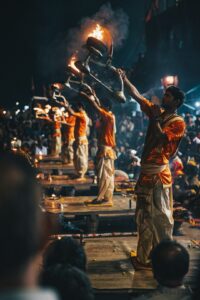
Fifteen days after Diwali, Varanasi lights every ghat for the gods. A festivals curator on the 24 November date, honest boat pricing, and the one place you must not raise a camera.
Ram Ki Paidi fills by half past four and the roads seal from mid-morning. A festivals curator on how the Deepotsav crowd actually works, and the dates nobody has confirmed yet.