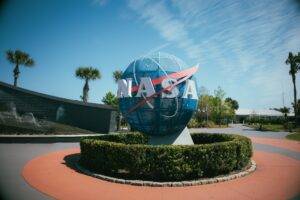


A curator who escorts student groups to Kennedy Space Center on what really happens to a 14-year-old under a Saturn V rocket — and how to plan it.

Planning an international STEM education trip is not simply a matter of choosing a country and filling a week with science museums. The strongest trips start with the learning objective, then work backwards into the right institutions, destination, dates, itinerary and budget. For Indian schools, it is also important to account for academic calendars, visas, parent approvals and travel time. The goal is simple: students should return with more than photographs, they should understand something differently because they experienced it.
Start with what students need to learn
Before comparing destinations, define the academic purpose of the trip.
Is the group interested in robotics, space science, engineering, technology, environmental science, automotive design or university exposure? The answer should determine the destination, not the other way around.
For example:
| Learning objective | Destination direction |
| Robotics & technology | Japan, Singapore |
| Space & aerospace | USA |
| Automotive engineering | Germany / wider Europe |
| Universities & academic exposure | UK, USA |
| Sustainability & environmental science | Europe, Australia |
| Innovation & technology | Singapore, Japan |
Picknic’s current educational programmes reflect this subject-led approach, including STEM and science, global universities, industry exposure and specialised experiences across destinations such as Japan, Singapore, Europe, the UK and USA.
The implication: don’t ask, “Which country is best for a STEM trip?” Ask, “Which destination gives our students the strongest real-world exposure to what they are already learning?”
Choose institutions before attractions
This is where an educational trip separates itself from a school holiday.
A destination might have excellent museums and famous landmarks, but the better question is whether students can interact with the subject.
Look for:
- Universities offering age-appropriate campus or academic experiences
- Science and technology centres with hands-on programmes
- Research institutions and innovation hubs
- Engineering or manufacturing facilities
- Space and aerospace experiences
- Robotics and coding workshops
- Industry visits connected to the curriculum
- Opportunities to interact with educators, researchers or professionals
Educational travel operators increasingly structure trips this way. Educational Destinations, for example, describes its STEM programmes as custom-designed around educational needs, combining hands-on experiences with real-world exploration rather than simply sightseeing.
Japan’s official educational-travel guidance similarly recommends deciding destinations and duration first, then building the itinerary around educational and exchange opportunities.
For schools, this creates a useful test: if you removed the sightseeing from the itinerary, would there still be a meaningful educational programme?
If the answer is no, the trip needs redesigning.
Pick the destination based on the learning experience
Different destinations create very different STEM journeys.
Japan works particularly well when the goal is robotics, engineering, technology and innovation. Picknic’s Japan educational programme is designed around STEM and culture for students in Grades 7–12, reflecting the value of combining technical exposure with the wider context in which that technology exists.
Singapore can be a strong choice for younger or first-time international groups because the journey can combine innovation and technology exposure with a relatively compact itinerary. Picknic specifically positions its Singapore programme for Grades 6–10 as an “ideal first global trip.”
Europe can work particularly well for groups wanting to connect science with engineering, automotive technology, chemistry and industrial history. Picknic’s current Europe programme, for example, combines physics, chemistry and automotive engineering across an eight-night journey.
The UK and USA become especially relevant when university exposure is part of the objective. Picknic’s programmes include UK university-focused travel and a USA journey combining NASA and university experiences.
The important distinction is that there is no universally “best” STEM destination. There is only a destination that fits the students, subject and intended outcome better.
Choose dates around the programme, not just airfare
Once the destination is shortlisted, work backwards from the academic programme.
Check:
- Your school’s academic calendar and examination schedule.
- The destination’s weather and seasonal conditions.
- University, laboratory and institution availability.
- Major events that could affect hotel and flight prices.
- Visa processing timelines.
- The time required for parent and school approvals.
- Flight schedules and total travel time.
For international educational travel, four to six months of planning is a sensible starting point, particularly when visas, parent orientation and institutional coordination are involved. Picknic currently recommends beginning international tours 4–6 months ahead.
Do not assume that the cheapest flight dates create the cheapest trip overall. If a cheaper flight means losing an important university visit or adding an unnecessary overnight transfer, the saving may not be worth it.
Build fewer, better experiences
One of the easiest mistakes is trying to make students “see everything.”
A strong STEM itinerary should have fewer anchor experiences with enough time to engage with them.
A practical structure could look like:
Day 1: Arrival and orientation
Day 2: Science or technology institution
Day 3: University or research experience
Day 4: Industry / engineering visit
Day 5: Hands-on workshop
Day 6: Cultural experience connected to the destination
Day 7: Reflection, presentation or departure
The exact structure will vary, but the principle remains: don’t measure an educational trip by the number of attractions checked off. Measure it by what students had time to understand.
This is also where Picknic’s custom approach matters. Its education model starts by understanding the curriculum link, group size and budget, then creates a proposal covering itinerary, learning outcomes, safety and costs.
Don’t treat safety and approvals as paperwork
For an international school trip, safety is part of the itinerary design.
Before approval, schools and parents should be able to understand:
- Teacher-to-student supervision ratios
- Accommodation standards
- Transport arrangements
- Medical and emergency protocols
- Insurance coverage
- Parent communication
- Visa requirements
- Emergency contacts and escalation procedures
This is increasingly becoming part of how parents evaluate educational travel providers. Recent school-tour guidance from the market places particular emphasis on supervision, documentation and being able to explain what happens when something goes wrong—not just what students will visit.
Picknic’s current education offering includes defined supervision ratios, vetted stays and transport, 24×7 tour managers, medical protocols, insurance and daily parent updates as part of its stated safety framework.
The final test: can you explain why every stop exists?
Before presenting the trip to the school committee or parents, take the itinerary and ask one question about every major stop:
“What will students learn here that they couldn’t learn as effectively from the classroom?”
If there is a clear answer, keep it.
If the answer is simply “because it’s famous,” reconsider it.
The best international STEM education trips turn destinations into working classrooms, where students can see engineering being applied, technology being developed, science being tested and universities becoming tangible possibilities.
That is ultimately what makes the trip worth the investment.
Planning an international STEM trip?
Picknic designs educational journeys around your school’s curriculum, student profile, learning objectives and budget rather than fitting students into a standard itinerary. From STEM and science programmes to university and industry exposure, every journey is built around what the group needs to experience.
Continue Reading