

Journey Highlights
- A premium tented camp and private ghat vantage contracted early — the real access on a river of millions.
- A Shahi Snan dawn on the Godavari — akharas processing to bathe on 2 August, 31 August or 11–12 September.
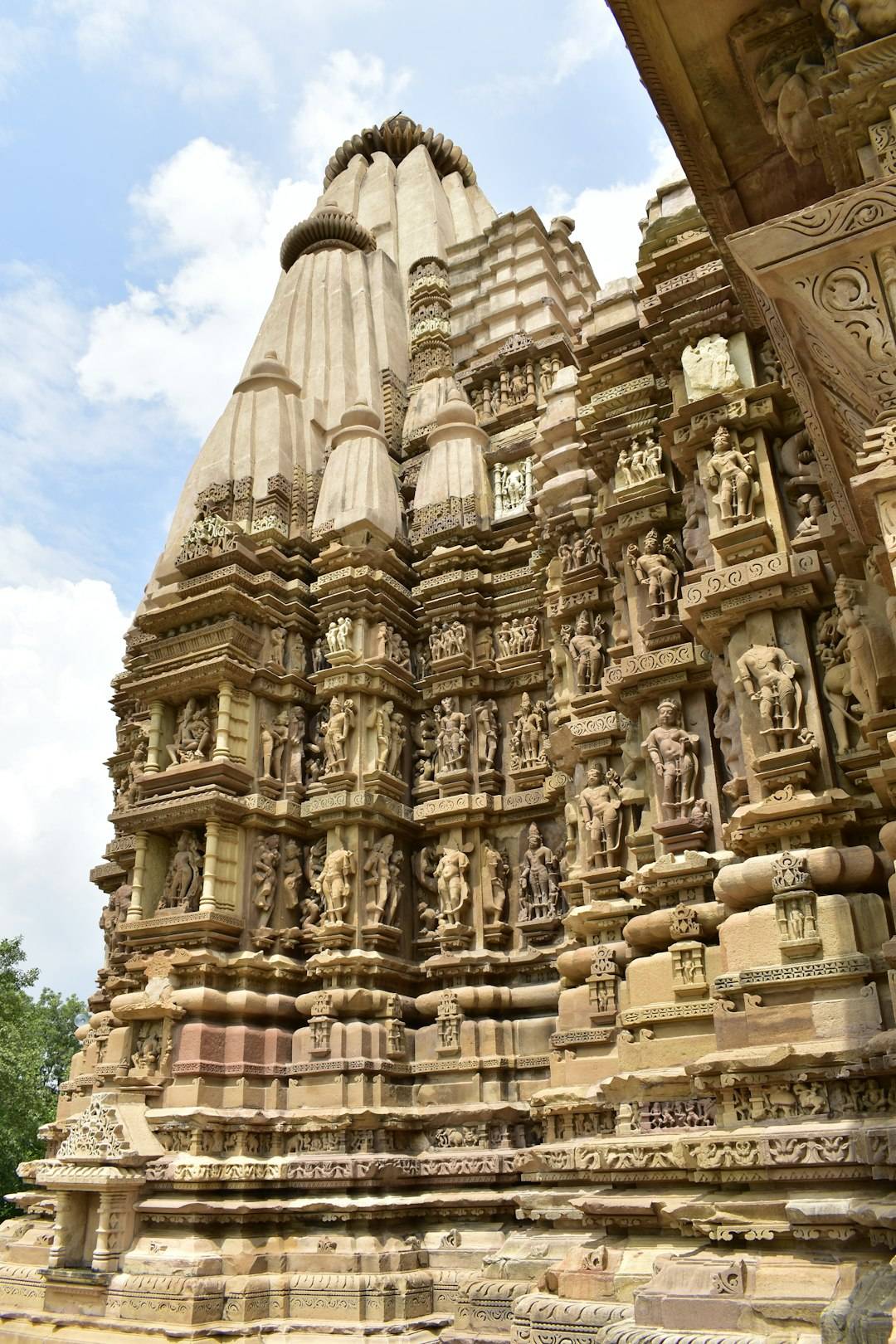
- Trimbakeshwar, one of the twelve Jyotirlingas, at the source where the Godavari rises, visited before the crush.
- A host who reads the akhara procession order and knows which vantage gives darshan without the danger.
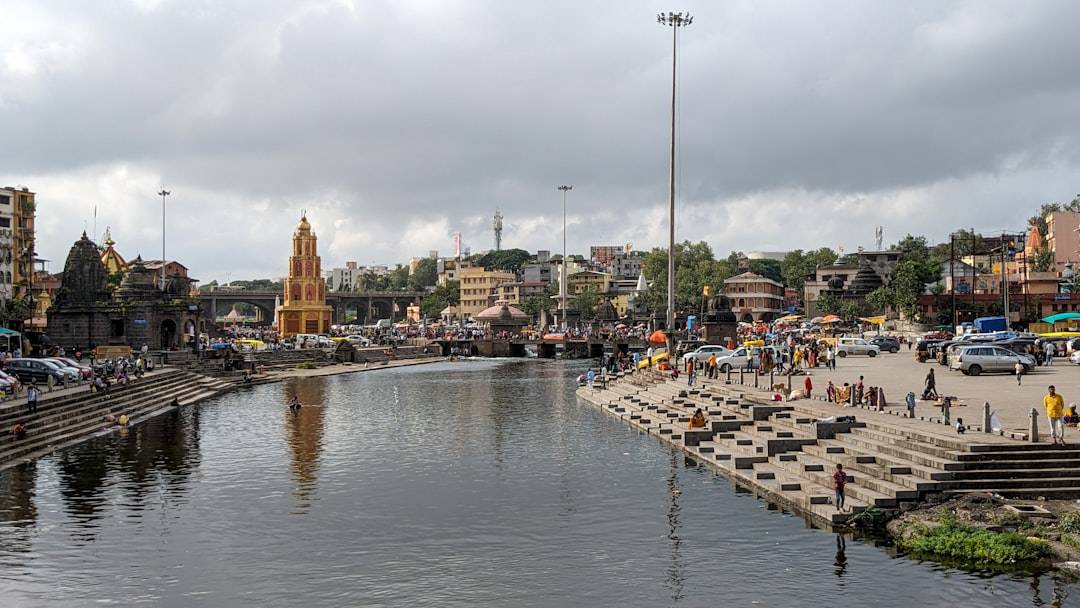
- Evening aartis on the Ramkund ghats, lamps on the water, the chant carrying across the river at dusk.
- A Sula Vineyards afternoon between the sacred days, because Nashik is wine country as well as tirtha.
- Camp comfort held steady while the town swells — real beds, clean water, a fixed base amid the scale.
 Nashik & Trimbakeshwar
- 4 Nights / 5 Days


Experience Overview
The Simhastha Kumbh comes to Nashik and Trimbakeshwar once in twelve years, drawing millions to bathe in the Godavari. Flag hoisting is 31 October 2026; the Shahi Snans fall on 2 August, 31 August and 11–12 September 2027. This journey holds a premium camp and a private ghat vantage — the real access on a river of that scale.
The heart is a Shahi Snan dawn, when the akharas process in procession order to bathe first — a spectacle of ash-covered ascetics, banners and drums that begins before light. Around it we hold Trimbakeshwar, the Jyotirlinga at the Godavari’s source, an evening aarti on the Ramkund ghats, and a Sula Vineyards afternoon, because Nashik is wine country too.
Be clear-eyed about scale: a Shahi Snan can gather millions in a few hours, crowd movement is the single real risk, and monsoon-season Nashik brings 24–30°C days with genuine rain. Our host reads the procession order, positions the group for darshan without danger, and keeps a premium camp steady — real beds, clean water — while the town swells around it.
Some moments are built for lingering: the first akhara reaching the water at dawn, ash and marigold and a roar going up from the bank; an oil lamp set on the Godavari at dusk, joining a thousand others drifting downstream; the walk back to camp as the town exhales, chai steaming, the river’s chant still somewhere behind you.
For pilgrims, culture-led travellers and photographers who want a genuine Kumbh with a safe, comfortable base — families and couples included. It is not for anyone expecting solitude or a serene spa retreat; the Kumbh is human scale at its most extreme, and the honest reward is witnessing that, not escaping it.
Everything you
need to know
There's no ticket — so what access are you actually confirming?

The Kumbh sells no ticket; the access that matters is your camp and your ghat vantage, and both are contracted before you pay. We hold a premium tented base and a private, safe viewing position for the Shahi Snan, confirmed in writing well ahead — because inventory near the bathing dates is tiny and vanishes first. Your host secures the procession-order positioning locally.
How overwhelming is the crowd, and how do you keep us safe?
What does the Kumbh cost from India?
Ready to Photograph
Nashik
An akhara procession reaches the Godavari at dawn, ash-covered ascetics and saffron banners moving through a roaring crowd on the bank, while at dusk oil lamps drift on the dark river, hands releasing one in the foreground as ghat steps glow behind. Trimbakeshwar temple’s black spire stands against monsoon cloud as pilgrims queue along a wet stone path, and at blue hour a premium tented camp glows with lamplit interiors, the swelling town’s lights spread beyond the fence. At Ramkund ghat’s evening aarti, priests circle lamps as the reflection breaks on the moving water.