

Journey Highlights
- Dawn and afternoon safari windows in Ranthambore and Bandhavgarh, when tigers move and the light stays soft.
- Dedicated photography vehicles with fewer seats, beanbag rests and room to swing a long telephoto lens.
- Langur alarm calls and spotted-deer barks that tell your naturalist a tiger is moving nearby.
- Two parks, two forests: Ranthambore’s ruins and lakes, Bandhavgarh’s sal woods and high tiger density.
- A naturalist and driver who read pug marks, calls and territory to position the vehicle for light.
- Telephoto reach for portraits across a ravine, plus wider frames of tiger against fort and forest.
- Multiple safaris across several days, because one drive is rarely enough to earn a real sighting.
 Rajasthan & Madhya Pradesh
- 6 Nights / 7 Days


Experience Overview
India still holds most of the world’s wild tigers, and two parks give you the best odds of a frame: Ranthambore in Rajasthan and Bandhavgarh in Madhya Pradesh. Six nights, a small group of six to twelve, built around morning and afternoon safaris in dedicated photography vehicles. The plan is time in the forest, not mileage.
You work two forests with different character. Ranthambore stacks tigers against lake edges, banyan roots and the ruins of an old fort; Bandhavgarh runs denser sal woodland with some of India’s highest tiger numbers. Between drives you photograph langurs, deer, peafowl and painted storks, and read the ground for the next set of pug marks.
Light is everything. Morning safaris open in blue dawn and turn gold within the first hour; afternoon drives run into a warm, low sun that rakes across dry grass. April to June is punishingly hot, often past 42°C, but tigers come to water and sightings peak. The winter months are gentler, greener and calmer, with softer, cooler light.
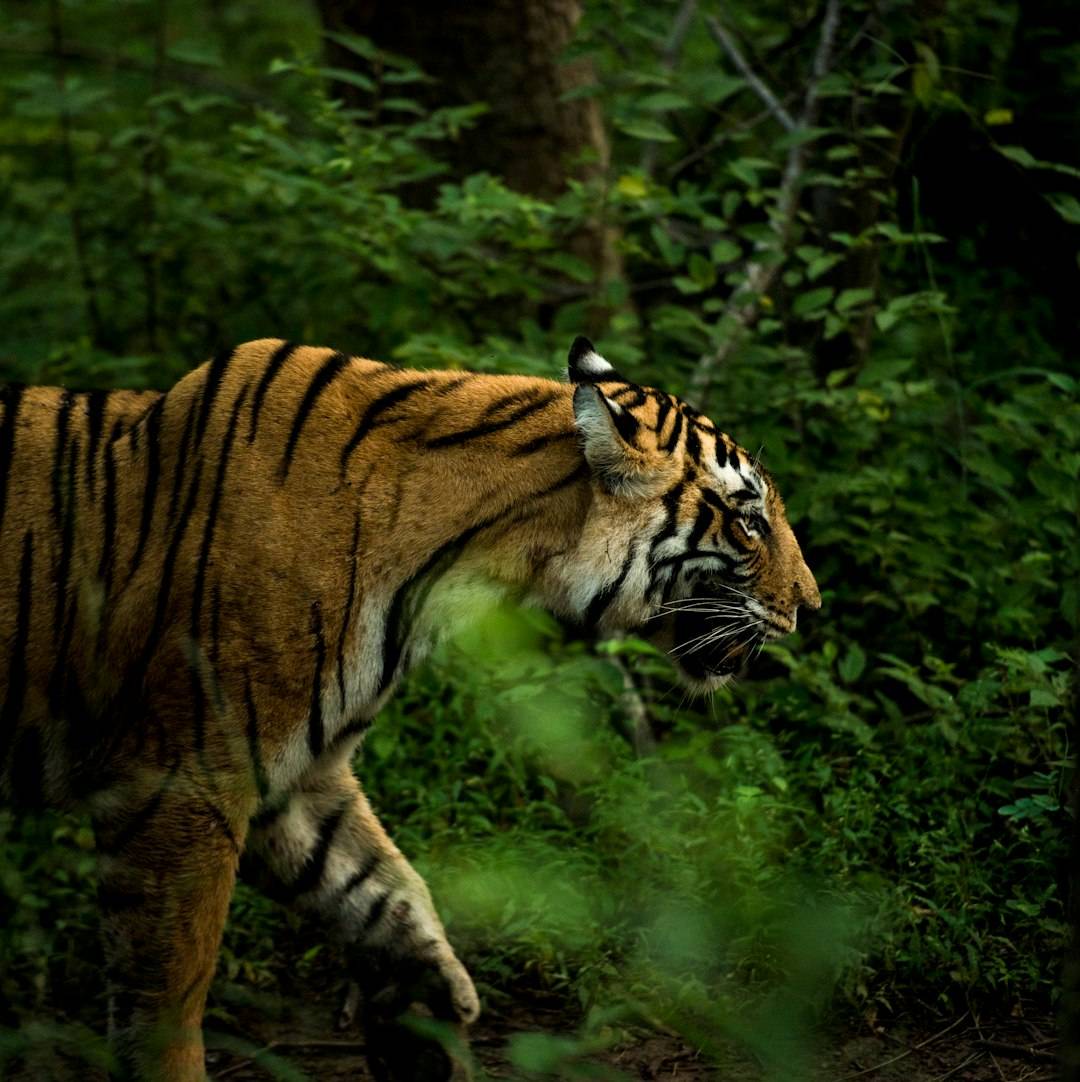
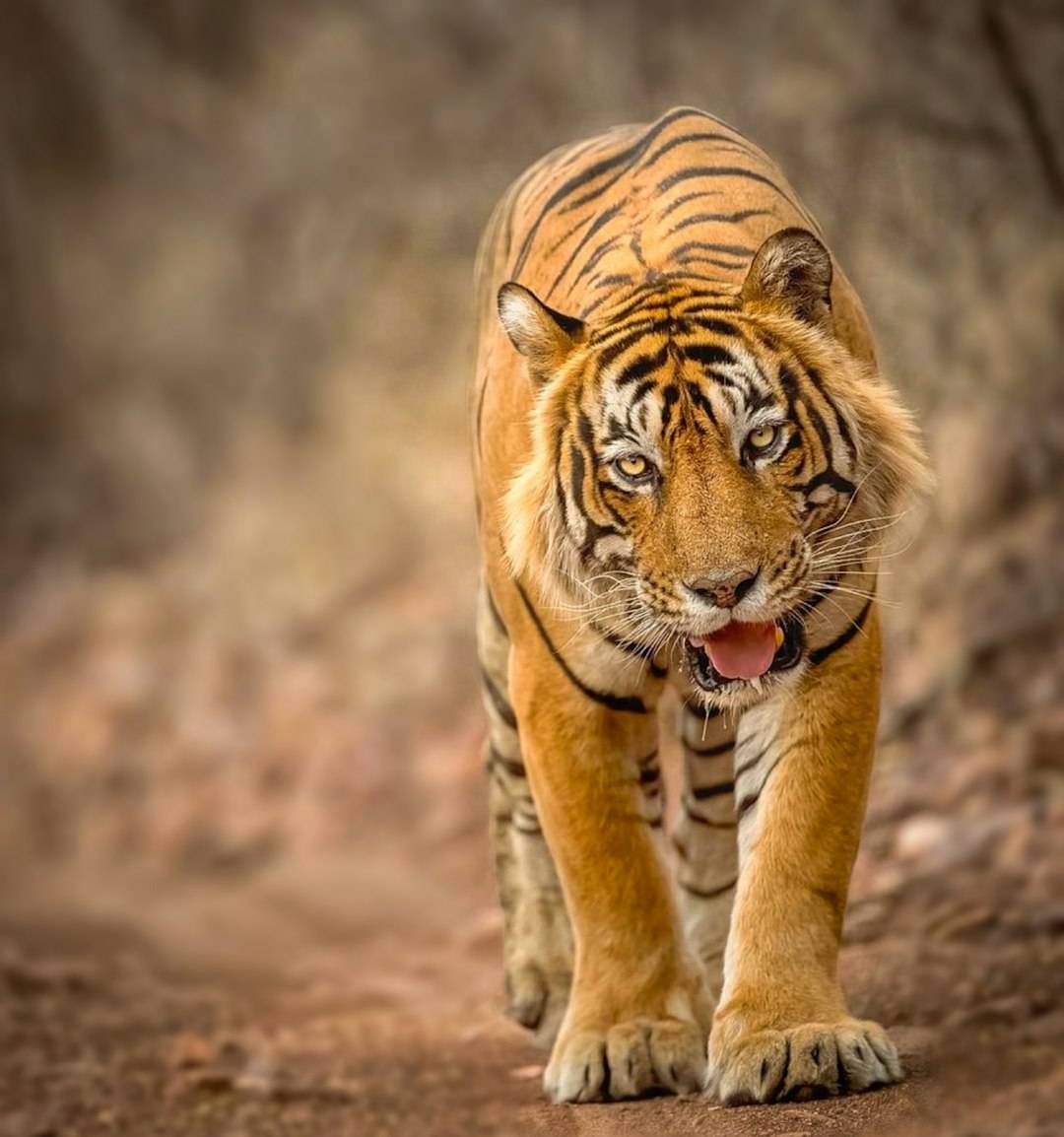
Some moments are built for lingering: a langur’s alarm call cutting through still air, everyone in the vehicle going quiet at once; striped shoulders resolving out of tall grass a hundred metres off; a tigress walking the track straight toward you at unhurried pace, and the only sound left is shutters, kept slow and deliberate.
For wildlife photographers and patient first-timers who accept that a forest owes them nothing and a blank drive is part of the deal. It is not for anyone who needs a guaranteed tiger to feel the trip worked, or who can’t sit through heat, dust and empty stretches between sightings.
Everything you
need to know
What gear and skill level do I need — is this only for pros?

Both work. A telephoto in the 100–400mm or 150–600mm range covers most tigers; we can arrange rental bodies and long lenses if you'd rather not fly with your own. Photography vehicles carry beanbags and fewer people, so beginners get room and time. Your naturalist reads calls and pug marks and positions the vehicle; you concentrate on the frame.
When's the best light, and can you promise a tiger?
What does this cost from India?
Ready to Photograph
Ranthambore & Bandhavgarh
Picture a tigress on a forest track at first light, her striped coat catching the low gold sun with dust hanging behind her; Ranthambore’s old fort walls rising above a lake, a tiger small at the water’s edge in soft dawn haze; a langur mid-alarm-call on a branch, mouth open, dappled light filtering through sal leaves behind it; a photographer on a green safari vehicle, long lens resting on a beanbag as the naturalist points into tall grass; and spotted deer scattering across dry grassland at dusk, dust and low sun blurring the frame.