


The Burj Khalifa show is at midnight, but the metro station shuts at five and the free zones fill by four. A Gulf curator on gates, family versus bachelor areas, and what a table really costs.
On 1 January, a few years ago, I walked for forty minutes through central Tokyo looking for lunch.
I passed perhaps two hundred restaurants. Every one of them was shut. Shutters down, a folded paper notice, occasionally a small pine-and-bamboo arrangement at the door that I did not then know was a kadomatsu. The most reliably food-obsessed city on the planet had, without warning me, gone home.
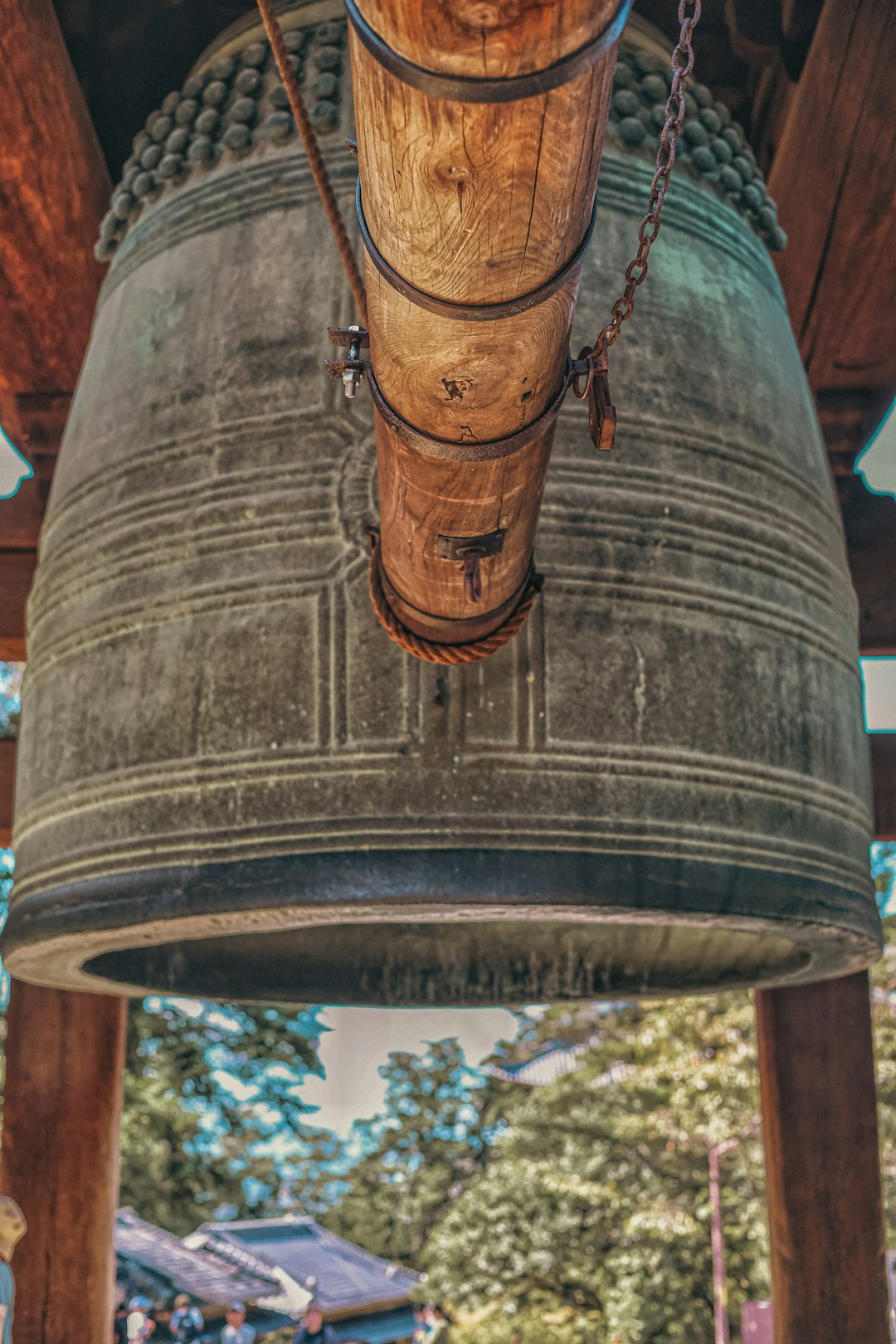
I ate at a convenience store, sitting on a low wall, and felt sorry for myself for about ten minutes. Then, at eleven that night, I stood in a temple courtyard in the cold and was handed a rope, and swung a wooden beam into a bronze bell the size of a small car, and the sound went through my chest and out the other side, and I understood that I had been complaining about the wrong week.
What is open in Japan over New Year?
Very little, and knowing exactly what is the difference between a wonderful trip and a frustrating one. The closure period effectively spans 28 December to 4 January, deepest from 1 to 3 January. Closed: most independent and family-run restaurants, banks, post offices, food markets, many museums and galleries. Open: convenience stores 24 hours, chain fast food, hotels and ryokan along with their own restaurants, and — crucially — all the temples and shrines, which are where the entire country is anyway. Department stores close on 1 January and reopen on 2 January with fukubukuro lucky bags and the year’s biggest sales.
Withdraw cash before 29 December. This is the practical instruction I give every traveller and the one most likely to save them an unpleasant afternoon.
Why this is the right week for an Indian family anyway
The Indian school winter break runs roughly late December to mid-January. Japan is one of the few destinations where those dates are not merely tolerable but extraordinary — provided you plan for a country that has stopped working rather than one that is throwing a party.
Because what replaces the ordinary week is the most culturally distinctive thing Japan does all year.
Joya no Kane, at midnight on 31 December, is the temple bell rung 108 times — once for each of the earthly desires that Buddhist tradition holds bind us to suffering. At many temples visitors are permitted to ring it. It is not a countdown, there is no cheering, and there is nothing being counted down to. It is a slow, deliberate unburdening, one strike at a time, in the cold. I have taken Indian families to a great many New Year celebrations. This is the only one where nobody afterwards said much of anything for a while.
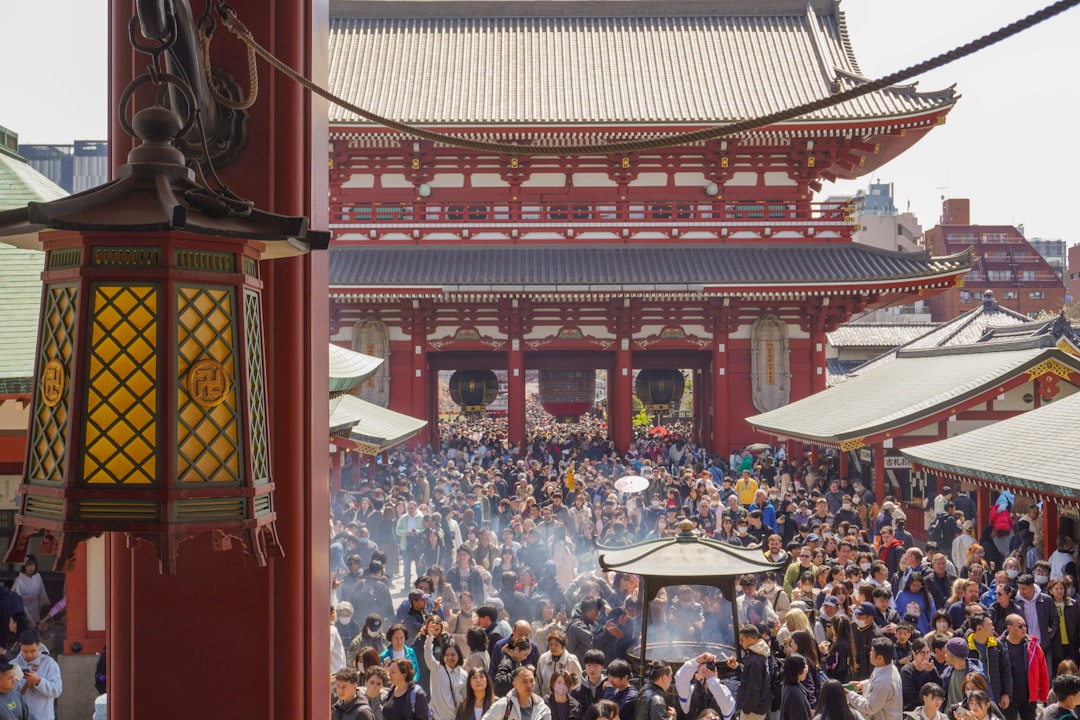
Hatsumōde, the year’s first shrine visit, fills the first three days of January. Meiji Jingu in Tokyo receives more than three million visitors across 1 to 3 January, the busiest shrine in Japan. It stays open continuously from 06:40 on 31 December until around 19:00 on 1 January, and the trains run through the night for it.
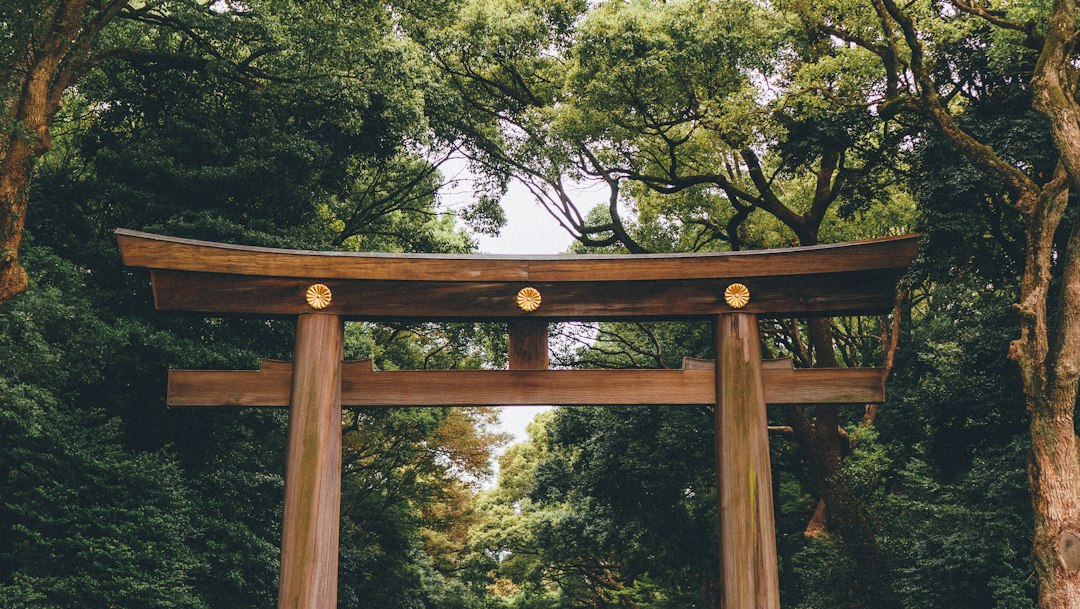
And here is the single most useful piece of timing I can give you: around four in the morning on 1 January is among the least congested windows at Meiji Jingu. The midnight crowd has thinned, the daytime crowd has not arrived, the trains are still running, and you walk up the gravel approach under the great torii gates in the dark with a manageable number of people. The main approach is the south entrance, from Harajuku or Meiji-Jingū-mae.
Yes, four in the morning is an unreasonable time to ask a family to do anything. Do it once. Sleep on 1 January, when nothing is open anyway.
The plan that works
Arrive by 28 December, while the country still functions — banks, markets, the Tsukiji outer market, everything. Do the shopping and the cash and the ordinary Tokyo in these days.
29 and 30 December: this is a good window for a Shinkansen leg, to Kyoto or Kanazawa or Hakone. Reserve Shinkansen seats the moment bookings open, which is typically one month ahead. This is not advice you can act on late.
31 December: an early, unhurried day, a proper dinner booked at your hotel or ryokan — which is where restaurant capacity survives — and then out for Joya no Kane before midnight.
1 January: Hatsumōde at four in the morning if your party will do it, or mid-morning if they will not. Then sleep. Properly. The whole day is a write-off by national agreement and there is a great freedom in accepting that.
2 January onwards: the country reopens in stages. Department stores with the lucky bags — which are a spectacle in themselves, and which Indian teenagers find completely irresistible. Museums and aquariums largely back by the 2nd. Plan your restaurant meals for the 3rd and 4th, when the independents return.
Book hotels three to six months ahead. As I write in late August, that window is closing.
The honest caveats
This is a cold, dark, expensive fortnight, and Japanese hotel rooms are small in a way that Indian families should be shown photographs of in advance rather than discovering on arrival.
Vegetarian and Jain catering over New Year is harder than at any other time, because the restaurants you would normally rely on are shut and you are more dependent on hotel dining and convenience stores than usual. Arrange it in writing, restaurant by restaurant, before you fly. This is the single most common source of unhappiness on Indian trips to Japan, and over New Year it is amplified.
And Indian nationals need a visa, which for practical purposes runs through an accredited agency rather than direct application. Build in the time.
One thing I will not oversell: if what your family wants from New Year is a countdown, a DJ, a crowd shouting numbers and a firework at midnight, Japan will disappoint you profoundly. There is no countdown. There are 108 bell strikes and a nation quietly getting on with something older.
Which is, I think, the argument for going. You can buy a countdown in forty cities. You can only ring that bell here.
Frequently asked questions
Is Japan closed over New Year?
Largely, yes. The closure period effectively spans 28 December to 4 January and is deepest from 1 to 3 January. Most independent restaurants, banks, post offices, food markets and many museums close. Convenience stores stay open 24 hours, hotels and ryokan operate along with their own restaurants, and all temples and shrines are open — which is where the population is. Only 1 January is a statutory public holiday, but the country runs at reduced capacity for the whole week.
What is Joya no Kane?
The temple bell rung 108 times at midnight on 31 December, once for each of the earthly desires that Buddhist tradition holds bind people to suffering. At many temples visitors may ring it themselves. There is no countdown and no cheering — it is a deliberate, contemplative observance rather than a celebration, and it is the single most distinctive New Year experience in Japan.
What is Hatsumode and when is the best time to go?
Hatsumode is the year’s first shrine visit, made in the first three days of January. Meiji Jingu in Tokyo receives more than three million visitors across 1 to 3 January and stays open continuously from 06:40 on 31 December to around 19:00 on 1 January, with trains running through the night. Around four in the morning on 1 January is among the least congested windows — the midnight crowd has dispersed and the daytime crowd has not arrived. The main approach is the south entrance from Harajuku.
What should I do before the closures start?
Withdraw cash before 29 December — banks and many ATMs become unreliable. Do your market visits, shopping and ordinary city sightseeing between arrival and 30 December. Reserve Shinkansen seats the moment bookings open, typically one month ahead. Book hotels three to six months ahead, and arrange vegetarian or Jain catering in writing before you travel, as the restaurants you would normally rely on will be shut.
Is New Year a good time for an Indian family to visit Japan?
It can be excellent, and it aligns with the Indian school winter break, which few other Japan-friendly windows do. But it suits families who want something culturally distinctive rather than festive. There is no countdown, no midnight party and no public fireworks in the Western sense. If your family wants a New Year celebration, this is the wrong country; if they want the most singular New Year they will ever experience, it is the right one.
What reopens first after New Year?
Department stores reopen on 2 January with fukubukuro lucky bags and the year’s largest sales, which is an event in itself. Many museums and aquariums are back by the 2nd. Independent restaurants return through the 3rd and 4th, so plan your best meals for those days rather than for 1 January.
Our Japan technology and culture journey can be shaped around the Oshogatsu week for families travelling in the winter break, with the closures planned for rather than discovered. Travellers wanting a second country on the same trip usually add South Korea.
The thumbprint starts with one question here: does your family want a celebration, or an experience? In Japan at New Year, those are different holidays.
Continue Reading


Year-end fares run 60-140% above a November baseline. A planning curator on the October deadline, the two dates that save 30-50%, and why Sunburn is no longer in Goa.

A family from Bengaluru once sent me an itinerary they had assembled themselves, and asked me to sanity-check the logistics. Photo by Mick Haupt on Unsplash It was, in most respects, a good trip. Four nights in Edinburgh over New Year, a castle day, a whisky thing, a drive out to the Highlands afterwards. Two […]