


Restaurants shut, banks shut, and three million people visit one shrine. An East Asia curator on Oshogatsu for Indian families, the 4 a.m. window, and cash before 29 December.
I am not a romantic about travel pricing. Somebody in this business has to hold the spreadsheet, and it has fallen to me.
So here is the least romantic and most valuable sentence I will write this year: the difference between a good New Year trip and an expensive one is decided in October, by people who are not yet thinking about New Year.
Everything else in this article is the evidence.
When should I book New Year travel from India?
By 31 October. Year-end fares booked at the end of October have historically run substantially below the same seat priced after 1 December — the gap has been reported at 40 to 80 per cent on some routes — and booking in November already carries a 20 to 40 per cent premium over an October booking. Across the board, the year-end fortnight runs roughly 60 to 140 per cent above a November baseline. Book flights and hotels as two separate decisions, because they peak on different dates.
As I write, 31 October is nine weeks away. That is the entire point of publishing this in August.
What the surge actually looks like
These are indicative bands from trade modelling rather than airline data, so treat them as the shape of the market rather than quotable fares. But the shape is consistent and it is worth seeing laid out.
| Route from India | November baseline | Peak fortnight | Surge |
|---|---|---|---|
| Dubai | ₹14,000–22,000 | ₹26,000–42,000 | 60–90% |
| Bangkok | ₹18,000–22,000 | ₹32,000–46,000 | 60–110% |
| Singapore | ₹22,000–30,000 | ₹38,000–56,000 | 65–110% |
| Ho Chi Minh / Hanoi | ₹22,000–28,000 | ₹38,000–58,000 | 60–110% |
| Bali | ₹28,000–38,000 | ₹52,000–78,000 | 70–130% |
| Malé | ₹26,000–34,000 | ₹46,000–72,000 | 70–130% |
| Istanbul | ₹38,000–52,000 | ₹62,000–98,000 | 60–100% |
| Reykjavik | ₹70,000–95,000 | ₹1,10,000–1,70,000 | most surge-sensitive |
Note where the pain is worst. The long, thin, seasonal routes — Bali, Malé, Iceland — move most, because supply cannot flex. Dubai moves least, because it can.
The two dates that save you a third
This is the part almost nobody uses, and it is free money.
Departing between 14 and 19 December saves roughly 25 to 40 per cent against departing 22 to 28 December. Returning between 5 and 10 January saves roughly 30 to 50 per cent against returning 1 to 4 January.
The surge is not a fortnight-wide wall. It is concentrated on the days when the largest number of people move — out just before Christmas, back immediately after New Year. Shift either end of your trip by four or five days and you are flying on the shoulder, at a fraction of the price, and you have bought yourself a longer holiday in the process.
And the corollary, which trips people up: hotel demand does not follow flight demand. Hotels peak from roughly 27 to 31 December regardless of when you fly. So the optimisation is: fly on the cheap days, but do not assume the room will be cheap because the flight was. Price them independently, book them independently.
Goa: the honest numbers, and a correction
Goa is where most of India goes, so it deserves specifics.
Hotel tariffs roughly triple from 22 December to 2 January, with beachfront properties at 95 to 100 per cent occupancy. Budget properties move off a ₹2,500–5,000 base; luxury New Year packages have been sold at ₹80,000 to ₹1,50,000 and above per night. Airfares run two to three times average — Delhi–Goa from a ₹4,500–7,000 base to ₹18,000–35,000, Mumbai–Goa from ₹2,800–4,500 to ₹11,000–22,000, Bengaluru–Goa from ₹3,500–5,500 to ₹8,000–16,000. Book 60 days out minimum; 90 days saves a further 10 to 15 per cent; and inside 30 days, prices essentially never fall.
Now the correction, and it is a big one that a great deal of outdated content on the internet has not caught up with.
Sunburn is no longer a Goa New Year event. The 19th edition runs 18 and 19 December 2026 at the Mahalaxmi Racecourse in Mumbai, in a reimagined two-day format, with a closing party at the NSCI Dome on 20 December. It is in Mumbai, and it finishes eleven days before New Year’s Eve. Any article pairing “Sunburn” with “Goa NYE” for 2026 is simply wrong, and if a package is being sold to you on that basis, ask hard questions.
What Goa still has on 31 December is its beach-club and shack scene — entry roughly ₹3,000–8,000, river cruises ₹4,500–9,000, and quieter South Goa options at ₹2,500–6,000 — and a traffic situation I would describe as a public health matter. The Calangute–Baga stretch becomes a single-lane car park from about 7 p.m. on 31 December until roughly 4 a.m. Plan to be wherever you intend to be by early evening, and to stay there.
Three domestic alternatives that are not Goa
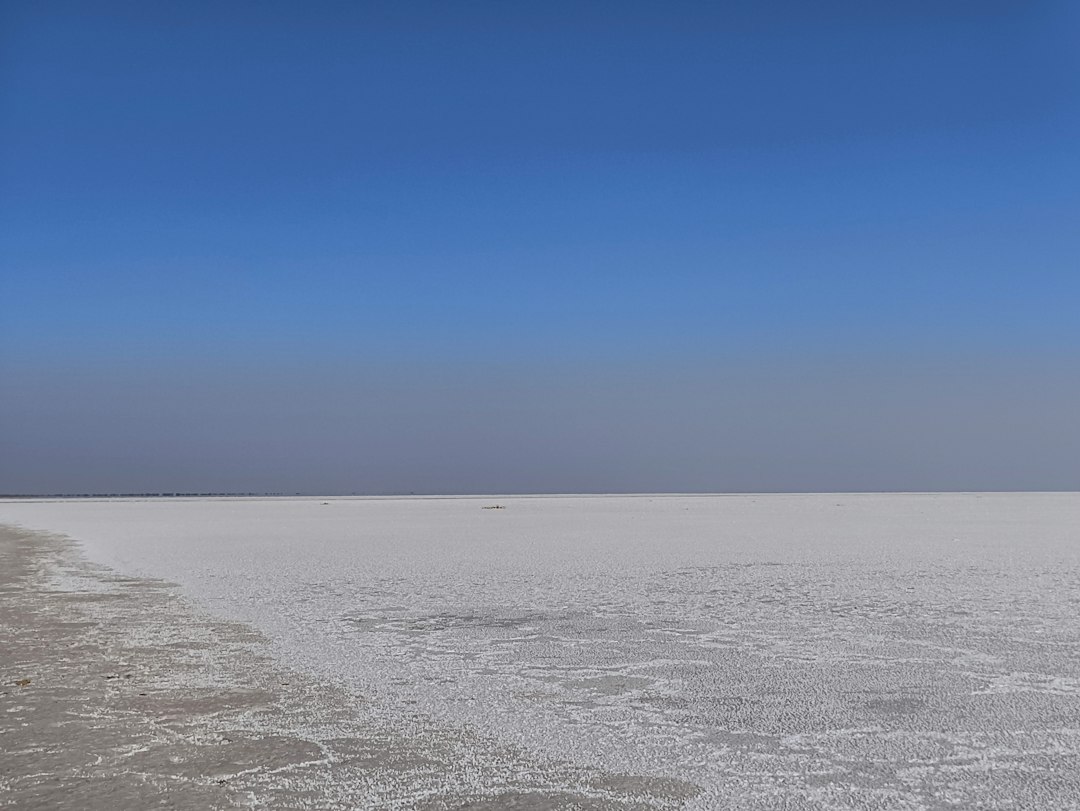
The Rann of Kutch. Rann Utsav runs 1 November 2026 to 7 March 2027 — a four-month season now, not a short festival — at the Dhordo tent city, with 35 new seasonal tents at Dholavira, the UNESCO Harappan site, reached across the 30-kilometre “Road to Heaven”. Full-moon nights are the marquee experience. Two practical notes: the official site directs bookings to its own portal and warns explicitly against third-party resellers, and the discount windows are early — a 25 per cent sale ran at the end of July. Waiting does not help you here.
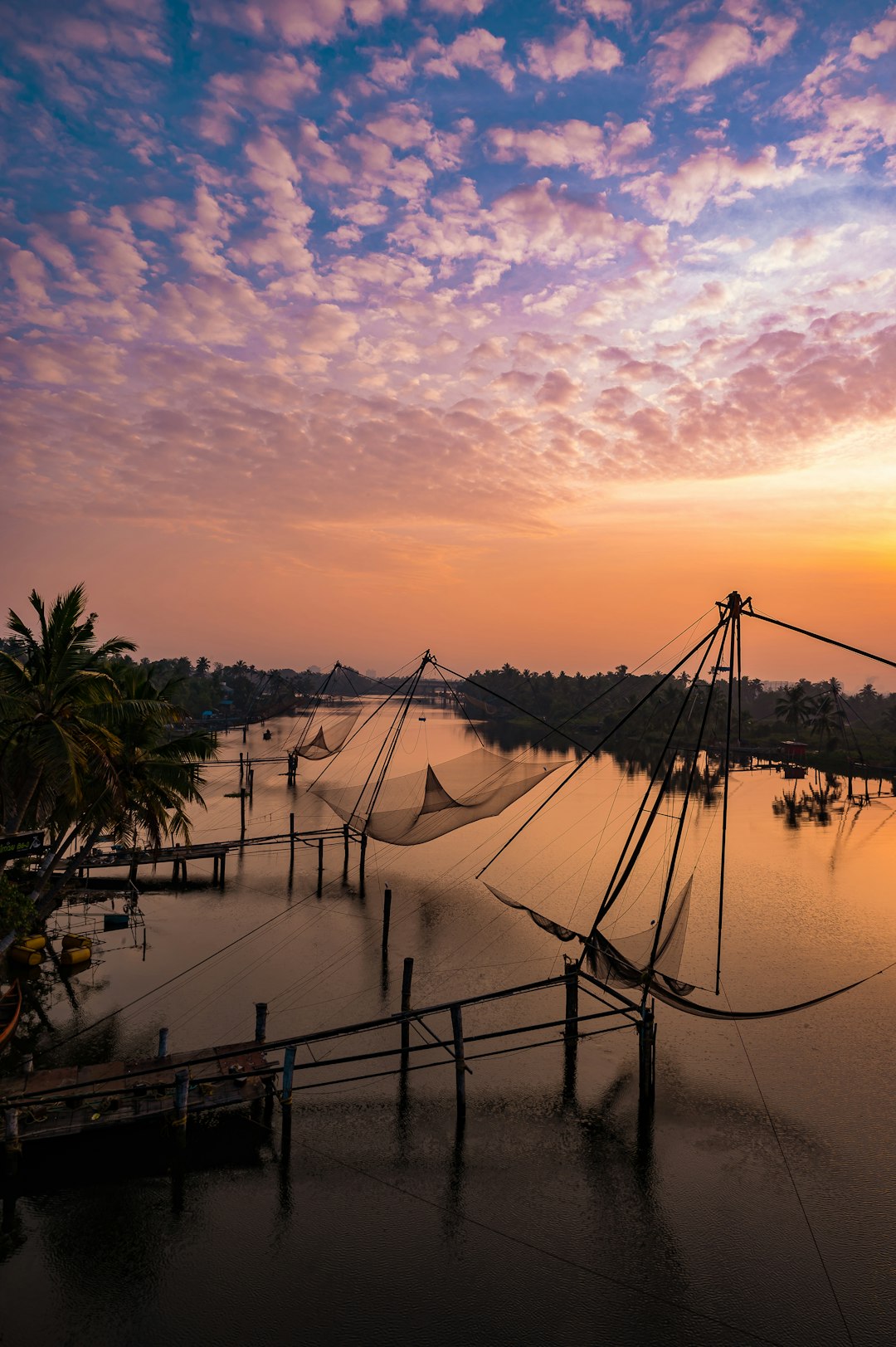
Fort Kochi. The Cochin Carnival runs across the last two weeks of December and concludes on New Year’s Day, organised by ninety-plus local clubs under the District Tourism Promotion Council. At midnight on 31 December a giant effigy of Pappanji — an old bearded man in a suit, representing the departing year — is burned on the beach. The Carnival Rally on 1 January is billed as Kerala’s most participative cultural parade. The 2026-27 dates had not been published at the time of writing.
And the mountains, which is where I go, because the honest truth about Indian New Year is that a very large number of people spend a great deal of money to be somewhere loud and crowded, and the alternative costs a third as much.
The visa positions, as they stand
Three that changed in 2026 and that people are getting wrong:
Thailand. In May 2026 the Cabinet approved moving Indians out of visa exemption into a paid visa on arrival. In July 2026 it reversed that after a measurable hit to Indian bookings. Indians remain visa-exempt, with an approved reduction from 60 days to 30 days pending publication in the Royal Gazette. The Thailand Digital Arrival Card is mandatory for all arrivals, free, completed online within 72 hours of arrival. Verify at the time of booking — this one has moved twice this year.
Vietnam. No general visa-free entry for Indians. E-visa up to 90 days, USD 25 single-entry or USD 50 multiple-entry, three to seven working days standard. Phu Quoc allows 30 days visa-free but only for direct arrivals who stay on the island — any mainland travel needs a full visa.
Bali. Visa on arrival at IDR 500,000 (around ₹2,655) for 30 days, extendable once, plus the mandatory Bali Tourist Levy at IDR 150,000 (around ₹796) — about ₹3,500 all in. Overstay penalties run IDR 1,000,000 per day, which is not a rounding error.
The four-line version
One: decide your destination in September. Two: book flights before 31 October, on 14–19 December out and 5–10 January back if your dates can flex. Three: book hotels separately, for the 27–31 December peak, and expect to pay peak for them whatever you did with the flights. Four: if you are going to Goa, be where you are going by 7 p.m. on the 31st.
None of this is glamorous. All of it is worth roughly a third of your trip budget.
Frequently asked questions
When is the deadline to book New Year travel from India?
31 October. Fares booked by the end of October have historically run far below the same seat priced after 1 December, with the gap reported at 40 to 80 per cent on some routes, and a November booking already carrying a 20 to 40 per cent premium over an October one. Across the year-end fortnight, fares run roughly 60 to 140 per cent above a November baseline.
Which travel dates are cheapest over the year-end period?
Departing 14 to 19 December saves roughly 25 to 40 per cent against departing 22 to 28 December, and returning 5 to 10 January saves roughly 30 to 50 per cent against returning 1 to 4 January. The surge concentrates on the days when everyone travels, not across the whole fortnight, so shifting either end of your trip by a few days makes a substantial difference.
Should I book flights and hotels at the same time?
No — treat them as two separate decisions. Flight prices peak on the mass travel days around 22–28 December and 1–4 January, while hotel demand peaks from roughly 27 to 31 December regardless of when you fly. Optimising them together means overpaying for one of them.
Is Sunburn still held in Goa at New Year?
No. The 19th edition of Sunburn runs 18 and 19 December 2026 at the Mahalaxmi Racecourse in Mumbai, with a closing party at the NSCI Dome on 20 December — a two-day format, in Mumbai, ending eleven days before New Year’s Eve. A great deal of older content still pairs Sunburn with Goa at New Year, and it is out of date.
What does New Year in Goa actually cost?
Hotel tariffs roughly triple between 22 December and 2 January, with beachfront properties at 95 to 100 per cent occupancy, and airfares run two to three times average — Delhi–Goa moving from a ₹4,500–7,000 base to ₹18,000–35,000, for example. Beach-club entry runs roughly ₹3,000–8,000, river cruises ₹4,500–9,000, and quieter South Goa options ₹2,500–6,000. Book at least 60 days out; 90 days saves a further 10 to 15 per cent, and inside 30 days prices do not fall.
Do Indians need a visa for Thailand, Vietnam or Bali this New Year?
Thailand: Indians remain visa-exempt after the government reversed a planned change in July 2026, though a reduction from 60 to 30 days has been approved pending gazette publication — verify at booking, as this has moved twice in 2026. The Thailand Digital Arrival Card is mandatory, free and completed online within 72 hours of arrival. Vietnam: an e-visa is required, at USD 25 single-entry or USD 50 multiple-entry for up to 90 days; Phu Quoc’s 30-day visa-free entry applies only to direct arrivals staying on the island. Bali: visa on arrival at IDR 500,000 plus a mandatory tourist levy of IDR 150,000, around ₹3,500 in total.
For travellers who would rather spend the money on the place than the date, our Kutch White Rann journey runs across the whole Rann Utsav season and is at its best on the full-moon nights, and our Kerala journey can be shaped around the Cochin Carnival’s final week.
Send us your dates before your destination at the thumbprint. If they can flex by four days, we can usually find you a third of your budget back.
Continue Reading

The Burj Khalifa show is at midnight, but the metro station shuts at five and the free zones fill by four. A Gulf curator on gates, family versus bachelor areas, and what a table really costs.

A family from Bengaluru once sent me an itinerary they had assembled themselves, and asked me to sanity-check the logistics. Photo by Mick Haupt on Unsplash It was, in most respects, a good trip. Four nights in Edinburgh over New Year, a castle day, a whisky thing, a drive out to the Highlands afterwards. Two […]