


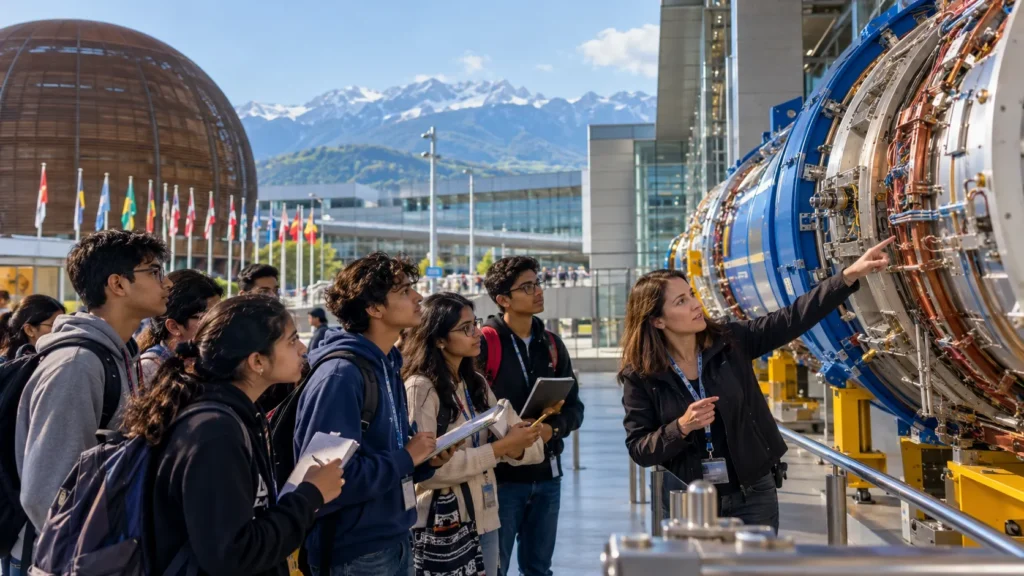
A visit to CERN can help students understand how scientists investigate the fundamental building blocks of matter, test theories about the universe…
You cannot book
a rocket launch
In this article
The first time I took a school group to Sriharikota, I got everything right except the thing that mattered. I had the coach, the hotel in Sullurpeta, the packed breakfasts, the letter on the school’s letterhead with the principal’s signature and the round seal pressed slightly off-centre. What I did not have was a launch. It had slipped by nine days, into a week when the group was writing unit tests.
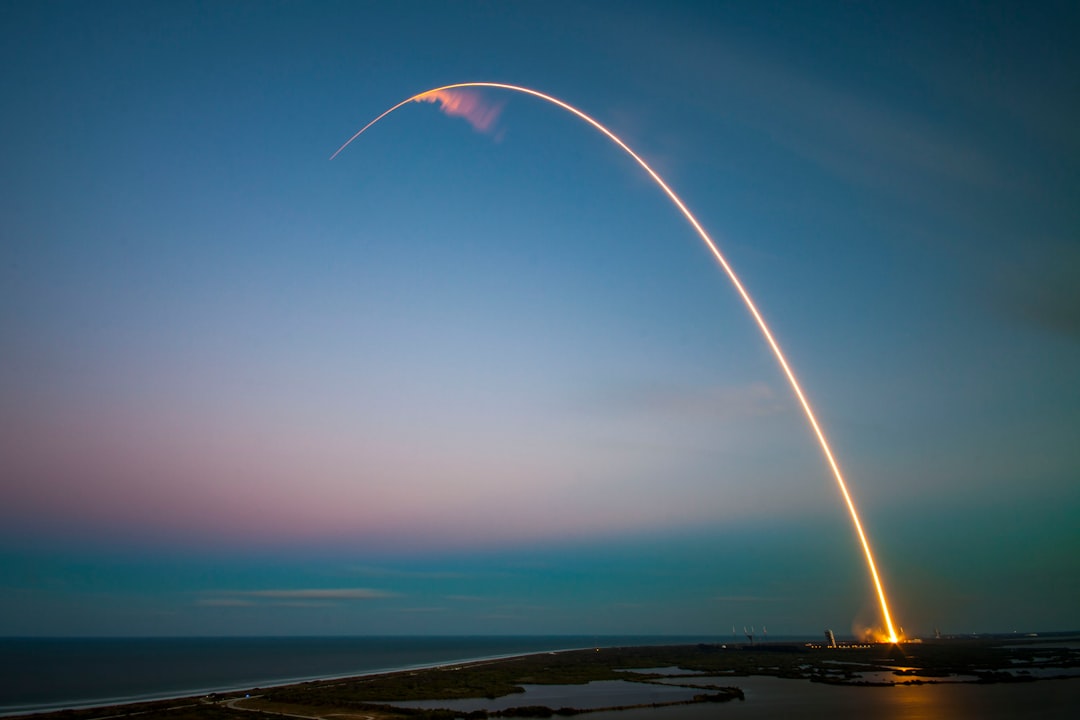
We went anyway. We saw the vehicle assembly buildings across the water, we spent a morning at Nelapattu with the pelicans, and forty-one students learned the most accurate lesson the Indian space programme can teach anybody: the rocket goes when the rocket is ready.
I have taken groups back four times since. Twice we saw a launch. Both times, I promise you, the nine-day slip was worth it.
Can school groups watch an ISRO launch at Sriharikota, and how do you book?
Yes — and it is free. The Launch View Gallery at Satish Dhawan Space Centre SHAR admits visitors at no charge, but registration opens only after a launch date is announced, is first-come-first-served, and closes the moment capacity fills. Institutional groups must carry a letter from the head of the institution on letterhead, signed and sealed, and every single visitor needs a government photo ID. You cannot reserve a slot months ahead. You can only be ready to claim one.
That last sentence is the whole planning problem, and it is why so many schools give up on Sriharikota and fly to Florida instead.
What the registration window actually looks like
ISRO publishes the gallery registration at lvg.shar.gov.in. Nothing appears there until a mission has a date. When it does, the sequence runs quickly and unforgivingly.
You verify an email address. You declare the visit type — individual or institutional — the group size, how you are travelling and the vehicle registration number if you are coming by road. A single form takes a maximum of five people, so a group of forty is eight forms submitted in parallel, which means eight people at eight laptops with the passenger list already typed into a document ready to paste. Companion details must be added within a short window — I work on the basis of three hours — or the passes lapse and you start again. Then you print, and every printed pass must match a photo ID at the gate.
I run this like a ticket drop, because that is what it is. The group list, the ID numbers, the letter scan and the vehicle numbers all exist in a shared folder before ISRO announces anything. When the announcement comes, we are typing, not gathering.
ISRO does not publish the gallery’s capacity, and I would treat any number you read online as unverified. What I can tell you from four visits is that it fills, and that the people who miss out are almost always the ones who spent the first forty minutes finding everyone’s Aadhaar numbers.
One detail that surprises schools: the gallery is not exclusively ISRO’s. In July 2026 it was open for a Skyroot Vikram-1 mission — a private Indian launcher. India now has a commercial launch sector, and for a Grade 11 student weighing a career, watching a startup’s rocket leave the same range as a national programme’s is a more interesting fact than any slide I could show them.
What is actually flying
As I write in August 2026, the mission the country is waiting on is Gaganyaan G1 — the first uncrewed test flight of the human-rated system, carrying the humanoid Vyommitra. The government’s own statement to Parliament in August put it in the back half of 2026, with two further uncrewed flights, G2 and G3, to follow and the first crewed mission targeted for 2027. The astronauts have finished their Russian training and are in mission-specific preparation in Bengaluru.
I write those sentences carefully because I have been wrong about ISRO dates before, and so has everyone else. Alongside Gaganyaan there is a steady queue of PSLV and GSLV work — navigation satellites, earth-observation payloads, a second in-flight abort test — and any one of them can be the launch your group happens to catch.
Here is the honest framing I give principals: you cannot build a trip around a launch. You can only build a trip that a launch would complete.
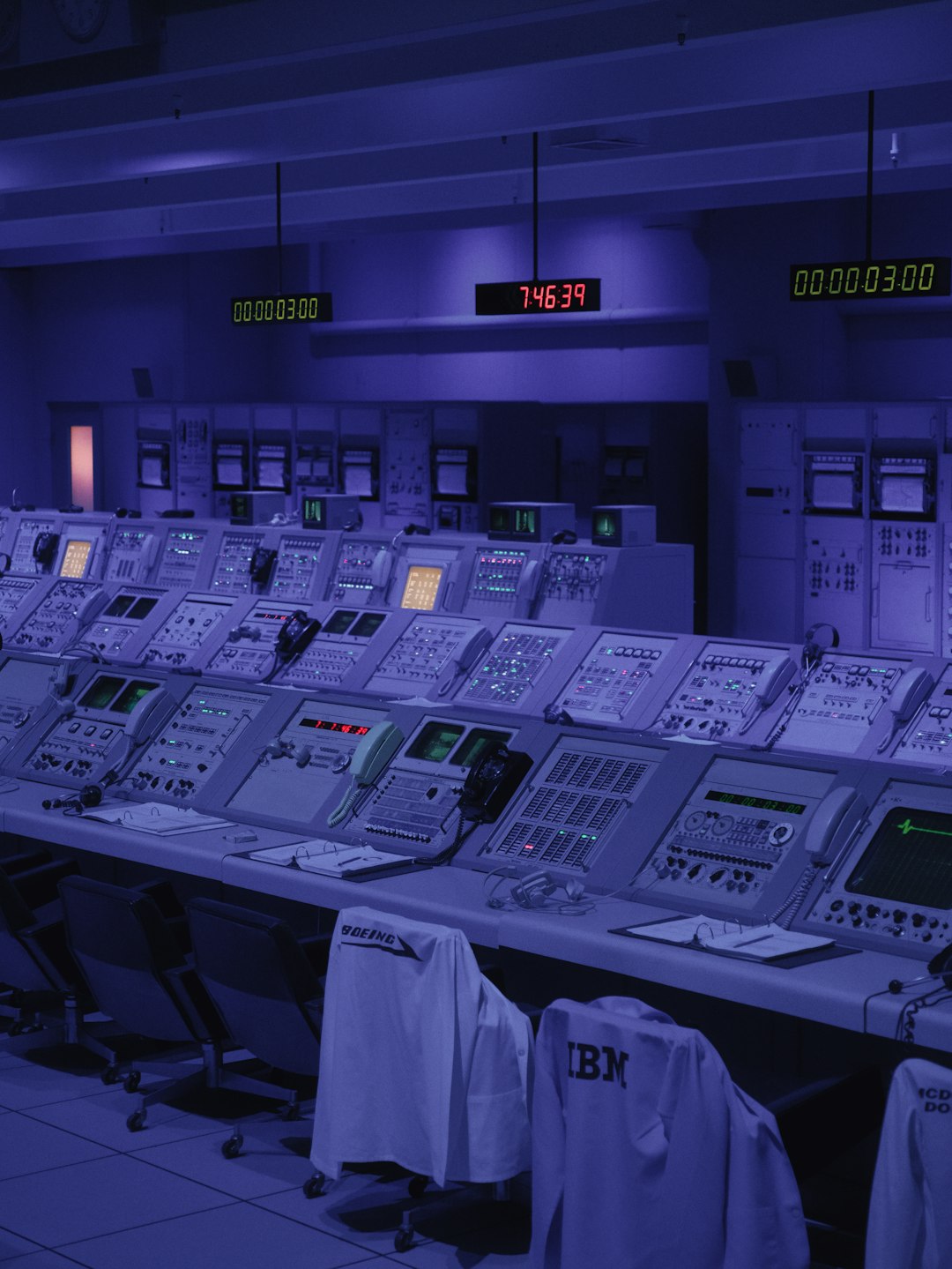
So build the trip that stands up without one
This is the part most operators skip, and it is the part that saved my first group.
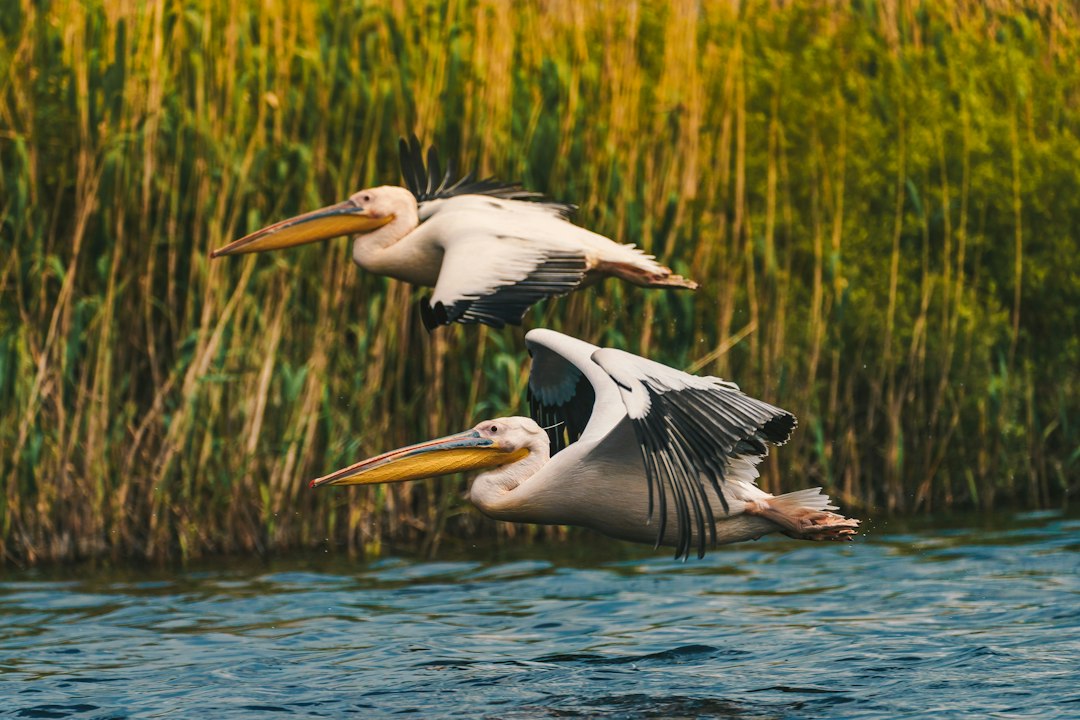
Sriharikota sits on Sriharikota Island on the Andhra coast, north of Chennai, with Pulicat Lake — India’s second-largest brackish lagoon — lying between the range and the mainland. Between roughly October and March the lagoon and the nearby Nelapattu sanctuary fill with pelicans, painted storks, flamingos and a great deal of noise. A group that has spent the morning learning why a launch range needs an uninhabited downrange corridor over the Bay of Bengal, and the afternoon learning why that same geography makes a bird sanctuary, has understood something about how India is put together.
Pair it with a day or two in Bengaluru — the labs, the museums, the people who actually operate the Himalayan Chandra Telescope remotely from a control room in Hosakote — and you have a five-day domestic science trip that costs a fraction of a US programme, needs no visa, and does not depend on a date that nobody controls.
The honest caveats. Sullurpeta is a small town and the accommodation is modest; anyone expecting a hotel with a coffee shop should adjust now. Launch days mean early starts and long stationary waits, and I ask groups to be at the gallery around two hours before the window. The range runs shuttle buses from Sullurpeta on launch days, which is a mercy. And phones, cameras and the general behaviour of forty teenagers are all subject to security rules that are not negotiable and not explained twice.
The thirty seconds
What actually happens is this. There is a countdown you can hear, a long moment where nothing appears to change, and then a light on the far side of the water that is not like any other light. The sound reaches you several seconds later — physically later, visibly later, and every student notices the gap without being told, and works out why, out loud, before the vehicle has cleared the tower.
I have never had to explain the speed of sound to a group after Sriharikota. That is the lesson plan, and it is free.
Frequently asked questions
Is the Launch View Gallery at Sriharikota free?
Yes. SDSC SHAR states that no amount is charged to visitors for witnessing a launch from the Launch View Gallery. Your costs are travel, accommodation in or around Sullurpeta, and food — not the viewing itself.
How do school groups register for a launch viewing?
Through lvg.shar.gov.in, but only after ISRO has announced a launch date. Registration is first-come-first-served and closes when capacity is reached. Institutional visits require a letter from the head of the institution on official letterhead with signature and seal. Every visitor, including students, must carry a government-issued photo ID matching the pass. One form covers a maximum of five people, so large groups submit several forms simultaneously.
How far in advance can I book?
You cannot. There is no advance reservation. The registration window opens after a launch is announced and can close within hours. The practical approach is to have your full group list, ID numbers, institutional letter and vehicle details prepared in advance so you can register the moment the window opens.
What happens if the launch is postponed?
It happens, often, and sometimes by more than a week. Build the trip so it is worth taking without a launch — Pulicat Lake and the Nelapattu bird sanctuary in winter, and a Bengaluru science leg — and treat the launch as the thing that would complete it rather than the thing that justifies it. Any operator promising you a guaranteed launch is promising something ISRO itself does not promise.
When is the best time of year to plan a Sriharikota trip?
Roughly October to March. The coastal heat and humidity are manageable, and the same window is peak season at Pulicat and Nelapattu, when the migratory birds are in. Avoid the summer months and the north-east monsoon’s heaviest weeks, when both the travel and the viewing are unpleasant.
Is this a realistic alternative to a NASA trip for an Indian school?
For many schools, yes — and for a different reason than cost. A US programme needs a visitor visa on queues currently measured in months, so it is an eighteen-month project. Sriharikota needs no visa and can be assembled inside a term. It gives you less structured programming and no guaranteed spectacle, but it gives you an operational Indian launch range, and students respond to the fact that this one is theirs.
Our Sriharikota launch weekend is built to stand on its own two feet whether or not a vehicle flies, and pairs naturally with Bengaluru space and science for schools wanting a full week.
Teachers: tell us your term dates and group size at the thumbprint, and we will design something that survives a nine-day slip. I have learned to.
Ready to plan your own journey?
Share your dates and interests. A Picknic curator will design it for you.

Written by
Rohan Mehta
Lead Experience Designner
Lorem ipsum dolor sit amet, consectetur adipisicing elit, sed do eiusmod.
View all 18 articles by Rohan Mehta →
Continue Reading
 Educational
 Educational
Europe is an excellent destination for science education tours because students can study scientific discoveries, explore interactive museums, encounter industrial engineering and…
 Educational
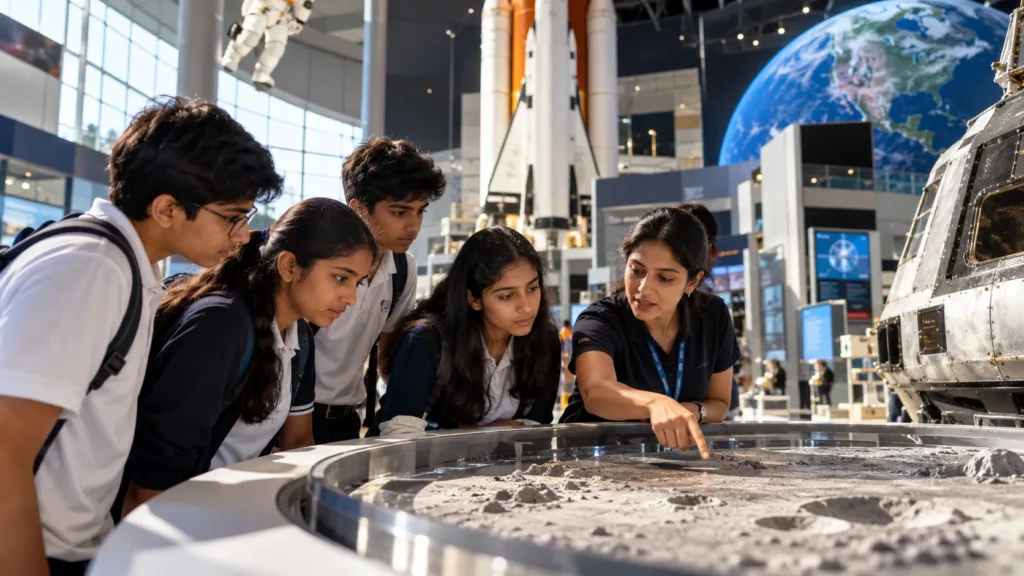
NASA education programs help students connect classroom science with real space missions, engineering challenges, Earth observation and scientific research. Depending on their…