

Trip Highlights
- Tagliatelle al ragù in Bologna the way it’s meant to be — egg pasta, slow meat, no spaghetti in sight.
- A tortellini morning learning to fold the little navels by hand, then eating them in broth.
- A dawn Parmigiano-Reggiano dairy visit, watching the wheels formed before the cheese-maker’s working day is done.
- A Parma prosciutto cellar where hams cure two years in hillside air, sliced paper-thin to taste.
- A Modena acetaia where traditional balsamic ages twelve to twenty-five years through a battery of small barrels.
- A pasta-making class rolling sfoglia thin enough to read a newspaper through, the Emilian benchmark.
- A host who books the family trattorias that don’t take walk-ins and orders what isn’t on the menu.
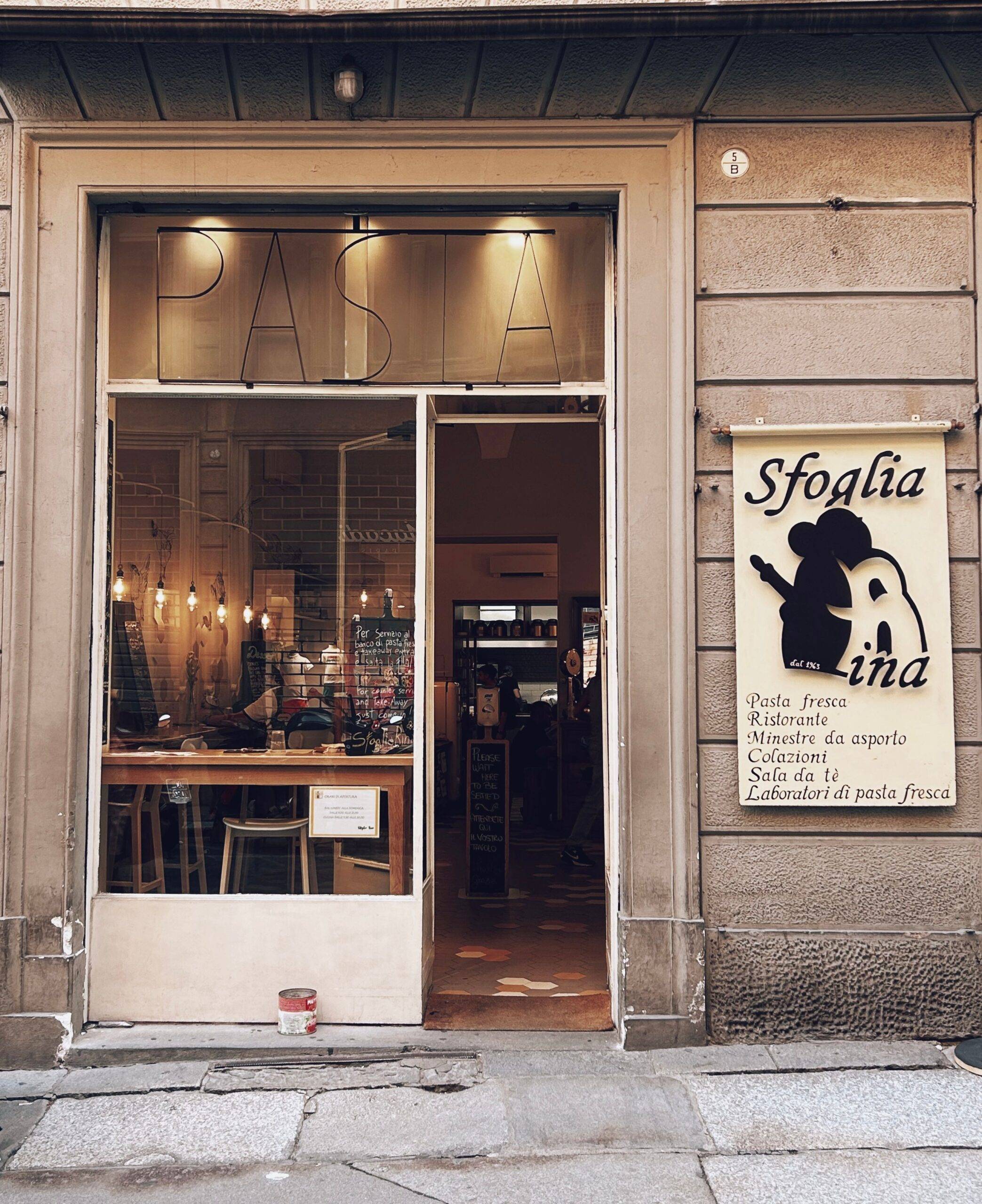
 Bologna, Parma & Modena
- Slow, Rich, Unhurried
- 6 Nights / 7 Days
- Priced to Your Brief
- City & Country Stays
- Food Region Trail


THE PANTRY OF ITALY
Emilia-Romagna is where Italian food you think you know was actually invented — and where locals will gently correct you on all of it. Six days through Bologna, Parma and Modena, three towns within an hour of each other that produce ragù, Parmigiano-Reggiano and traditional balsamic. Not a whistle-stop, but time to eat properly.
In Bologna you fold tortellini by hand and eat tagliatelle al ragù — never spaghetti bolognese, which doesn’t exist here. Parma means a Parmigiano dairy at dawn and a two-year prosciutto cellar in the hills. Modena is a family acetaia where balsamic ages for decades in shrinking wooden barrels. A pasta class ties it all together.
This is the land of sfoglia — pasta rolled by hand until you can read print through it — and the rezdore, the grandmothers who guard the recipes. Everything here carries a protected name and a fierce local pride. Real balsamic is a condiment you drip by the drop, not a supermarket dressing. Nothing is rushed.
Some moments are built for lingering: the sound of a Parmigiano wheel being tapped for faults at six in the morning; a single drop of twenty-five-year balsamic on warm Parmesan; a plate of tortellini in broth on a cold Bologna evening; the cheese-maker turning wheels that won’t be eaten until you’re old.
This suits unhurried travellers who’d rather eat three good things slowly than tick off ten sights. Vegetarians do well on pasta, cheese and vegetables, though watch for meat broths. It isn’t for those chasing big monuments, nightlife, or a packed daily plan — Emilia-Romagna moves at the table’s pace.
Good to
know
How well can vegetarians and Jain travellers eat here?

Very well for vegetarians — egg pasta, Parmigiano, tomato and vegetable dishes are everywhere, though classic ragù and broths are meat-based, so we flag the veg options clearly. Parmigiano-Reggiano itself uses calf rennet, worth knowing. Jain travellers need notice for the garlic and onion in soffritto; we arrange plainer versions at the pasta class.
Do Indians need a visa, and how do the food visits work?
What does a trip like this cost from India?
Let's design
your version
Tell us your dates, group and budget and we’ll shape this journey around them. Everything is priced to your brief and planned on a call, never pulled off a shelf.