

Journey Highlights
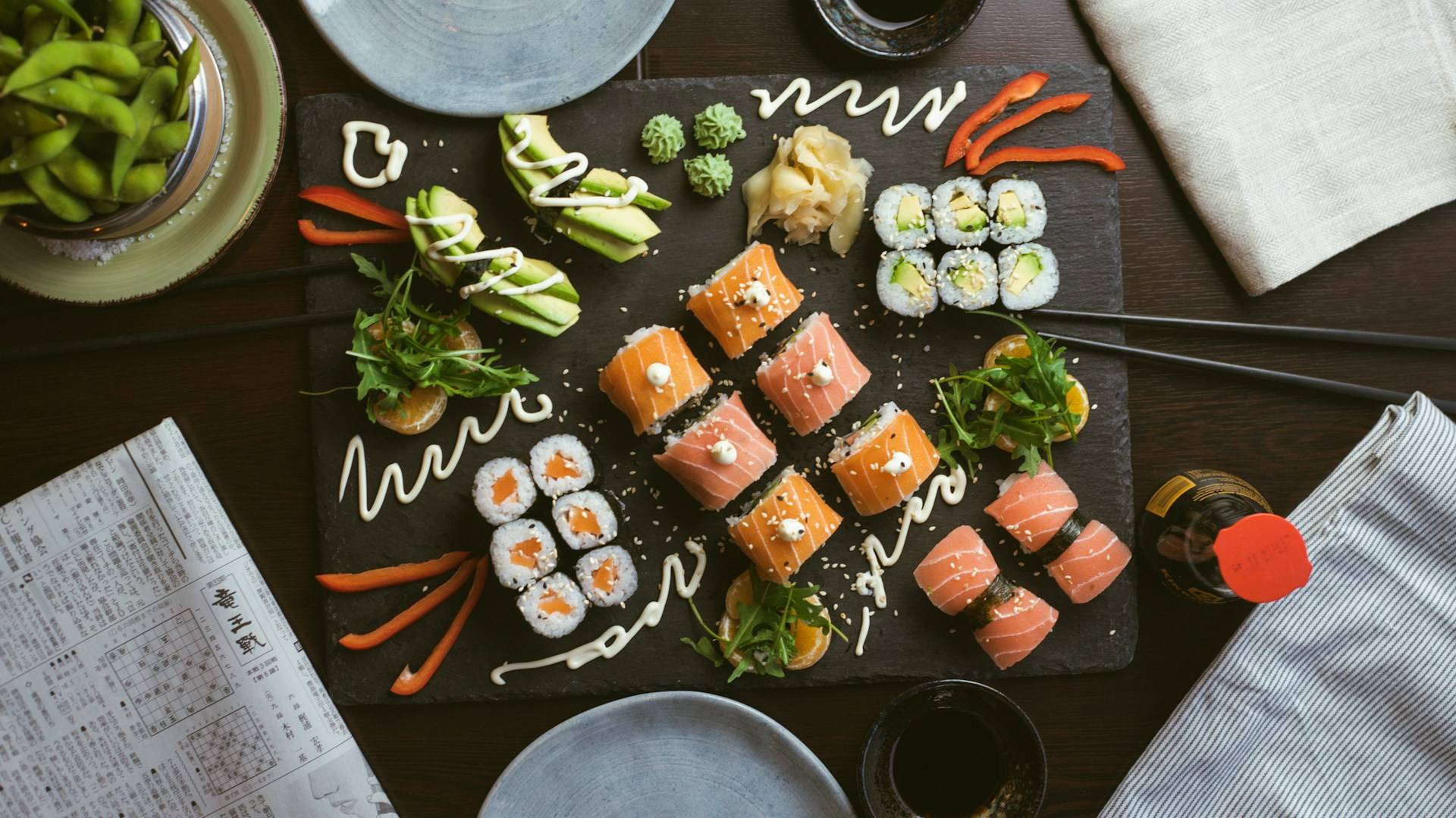
- A Toyosu market breakfast — the freshest sushi of your life eaten before most of Tokyo wakes up.
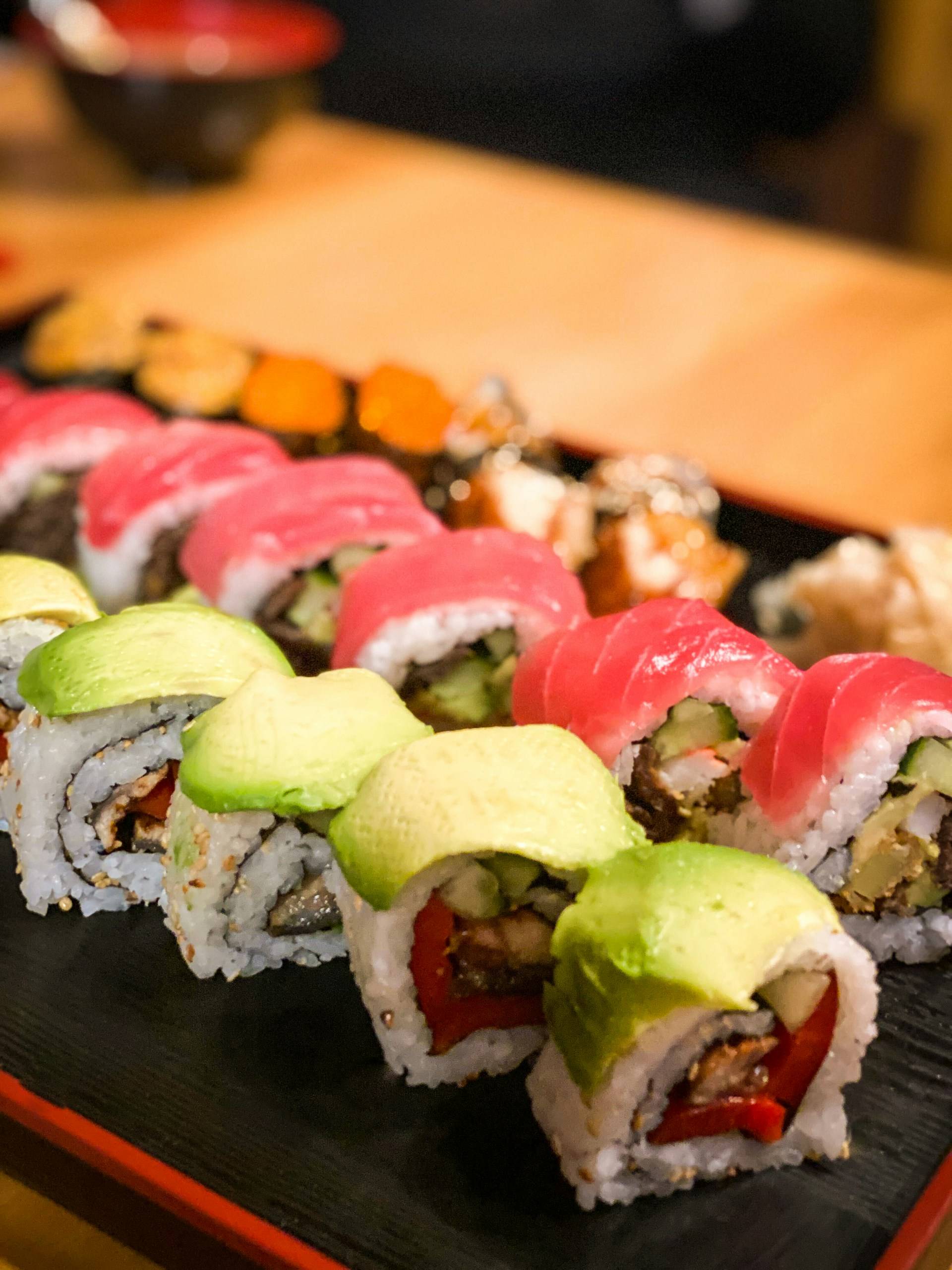
- A seat at a proper sushi counter, the chef handing pieces across one at a time, no menu.
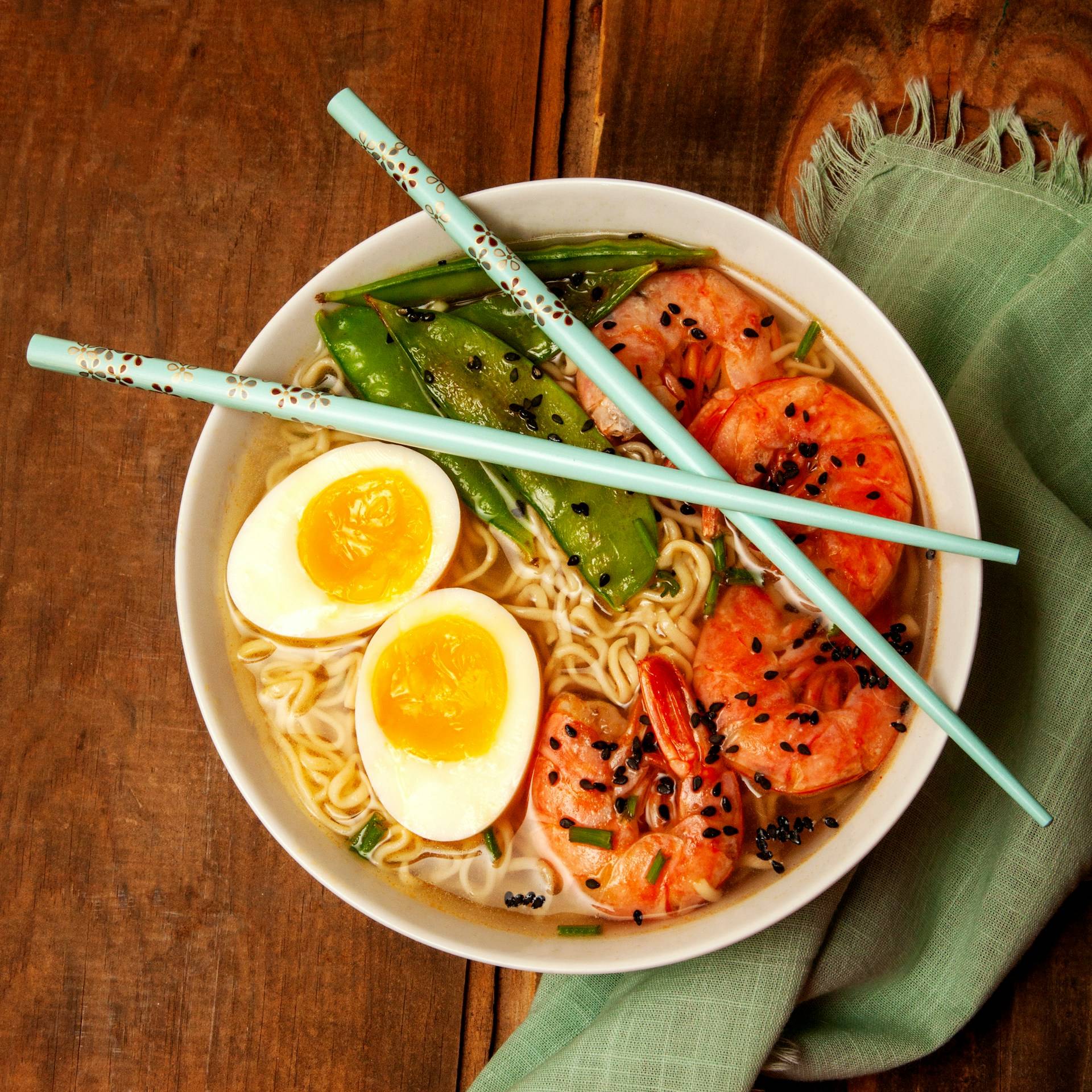
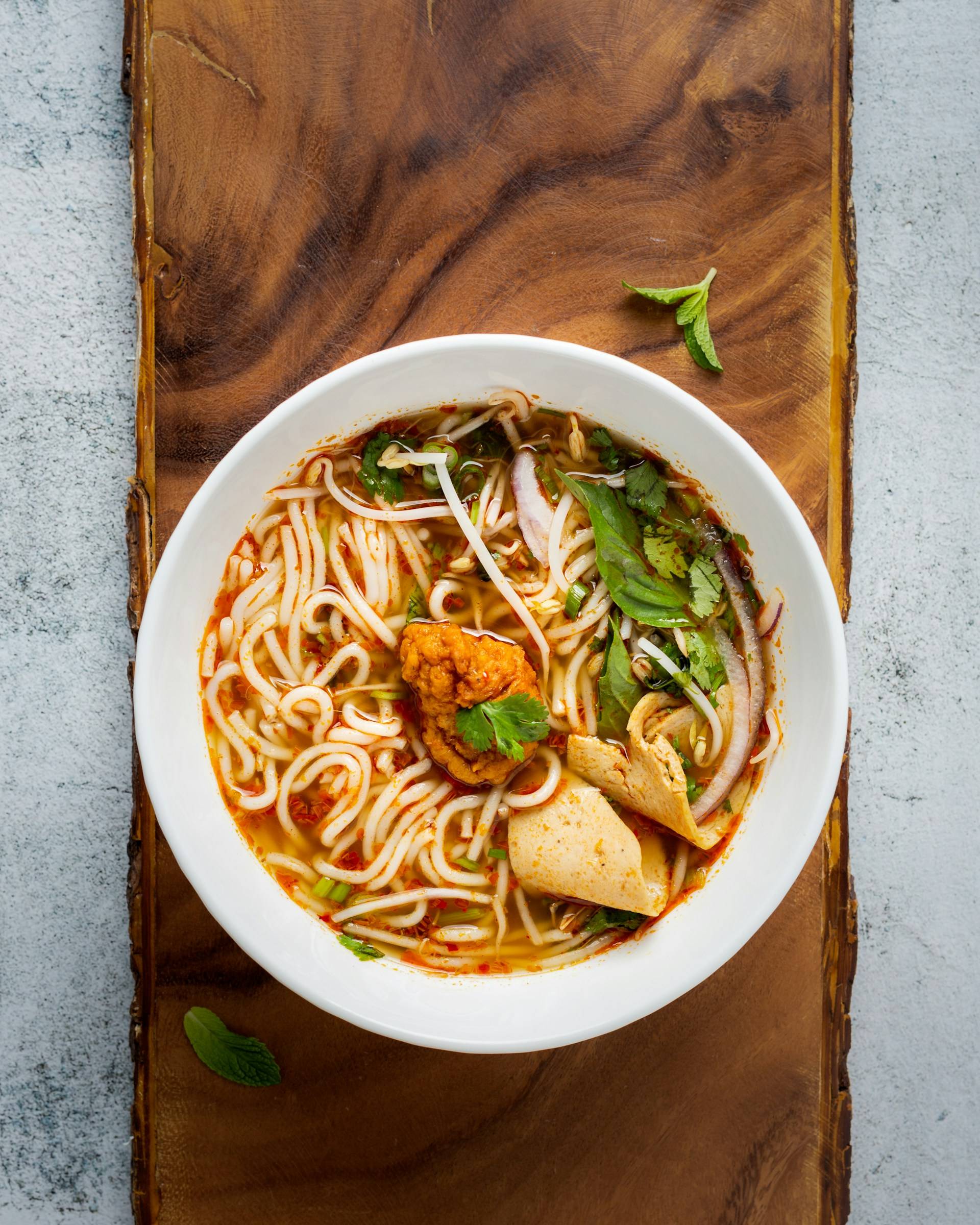
- Ramen done three ways — Tokyo shoyu, Hakata tonkotsu, and a late-night bowl found down a back street.
- Osaka’s Dotonbori after dark for okonomiyaki off the griddle and takoyaki turned with a metal pick.
- A Kyoto kaiseki dinner, a sake brewery tasting and a tea house whisking ceremonial matcha to order.
- A host who reads the counter etiquette, books the hard tables and orders in the right sequence.
- Bullet trains between cities, bento on your lap, Fuji sliding past the window if the sky is clear.
 Tokyo, Osaka & Kyoto
- Refined, Curious, Precise
- 8 Nights / 9 Days
- Priced to Your Brief
- City Hotels & a Ryokan
- Culinary Journey


Experience Overview
Japan takes food more seriously than almost anywhere, and it shows in the details — the order pieces are served, the temperature of the rice, and the angle of a knife. Nine days across Tokyo, Osaka and Kyoto, built to eat at counters and markets rather than tourist floors. The freshness alone rearranges your standards.
Tokyo is a dawn breakfast at Toyosu and an evening at a sushi counter where the chef sets the pace. Osaka is Dotonbori griddle food — okonomiyaki and takoyaki eaten standing up. Kyoto slows right down: a multi-course kaiseki dinner, a quiet sake brewery tasting, and matcha whisked to order in a wooden tea house.
Japanese cooking prizes shun the peak season of an ingredient and restraint over abundance. A sushi chef may train a decade before shaping rice. Slurping ramen is a compliment; pouring your neighbour’s sake is good manners. Dashi, the stock beneath almost everything, is usually built on bonito, which matters if you don’t eat fish.
Some moments are built for lingering: the first piece of Toyosu tuna melting before you’ve really chewed, a sushi chef reading your pace and slowing down, the roar and smoke of Dotonbori at night, and a Kyoto tea room so quiet you hear the whisk against the bowl. Japan rewards paying attention
This is for curious eaters who’ll trust a chef’s counter and try what’s set down. Be honest with yourself on diet: strict vegetarians find Japan genuinely hard since dashi and bonito reach into most dishes. It isn’t for anyone unwilling to eat fish or who needs guaranteed Indian food nearby.
Everything you
need to know
Can strict vegetarians and Jain travellers manage in Japan?

Honestly, it's the hardest country on this trail. Dashi made from bonito (fish) flakes underlies miso soup, many noodle broths and simmered dishes, so even "vegetable" options often aren't. We can arrange kombu-only (seaweed) dashi meals, shojin-ryori Buddhist temple cuisine, and vegetarian counters in advance — but this needs planning, and we're upfront that spontaneity shrinks.
Do Indians need a visa, and how do the market and counter visits run?
What does a trip like this cost from India?
Ready to photograph
Sushi, Ramen & Sake
A sushi chef at a wooden counter placing one piece of tuna nigiri directly onto the guest’s plate. Toyosu market at dawn, foam boxes of glistening fish, a buyer inspecting a whole tuna under lights. Dotonbori at night, neon reflected in the canal, okonomiyaki steaming on a street-side griddle. A Kyoto tea house, a bamboo whisk mid-stir in a bowl of bright green matcha, tatami beyond. Rows of sake bottles and cedar barrels in a Kyoto brewery, a small tasting cup being filled.