

What Is Included
Trip Highlights
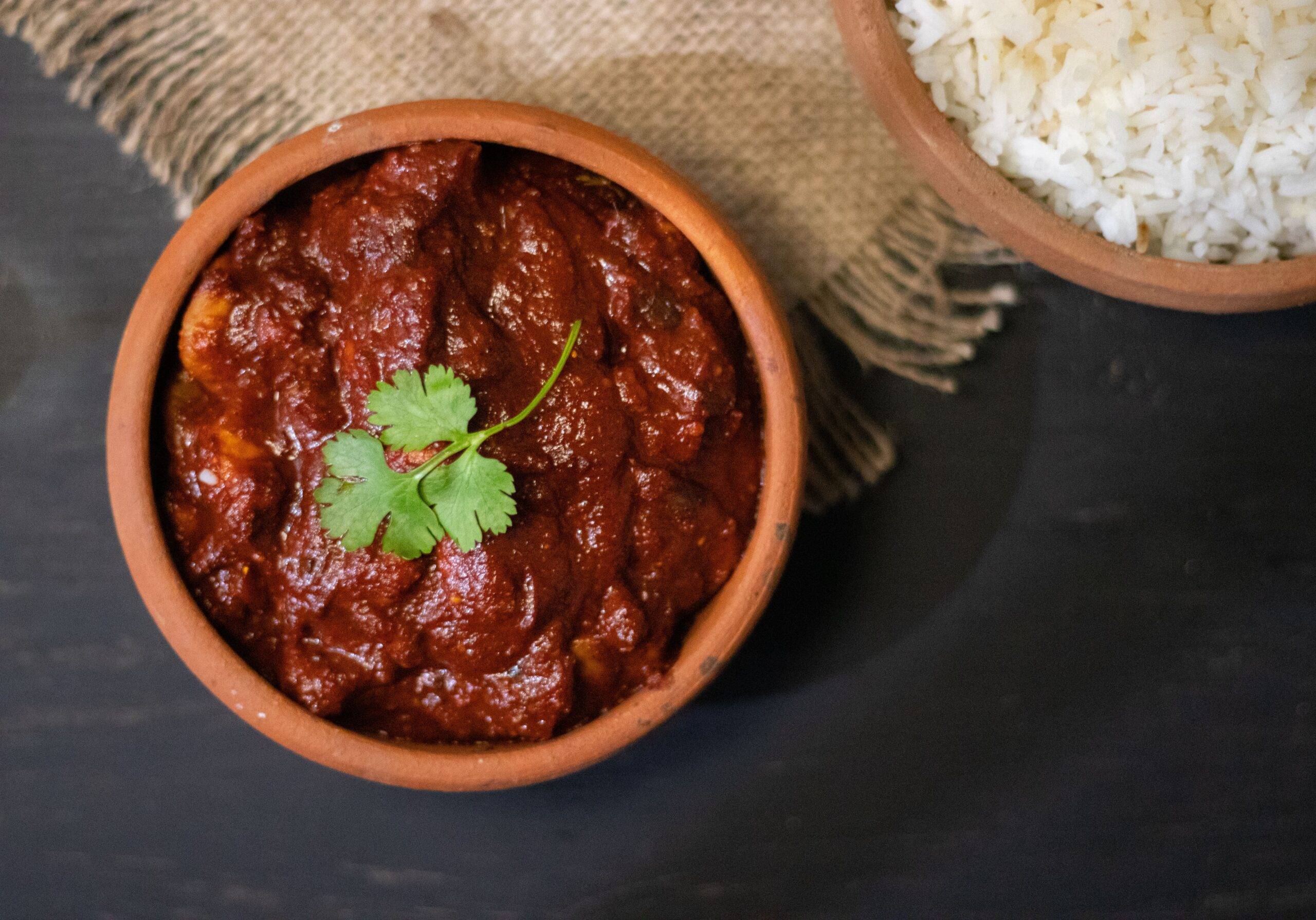
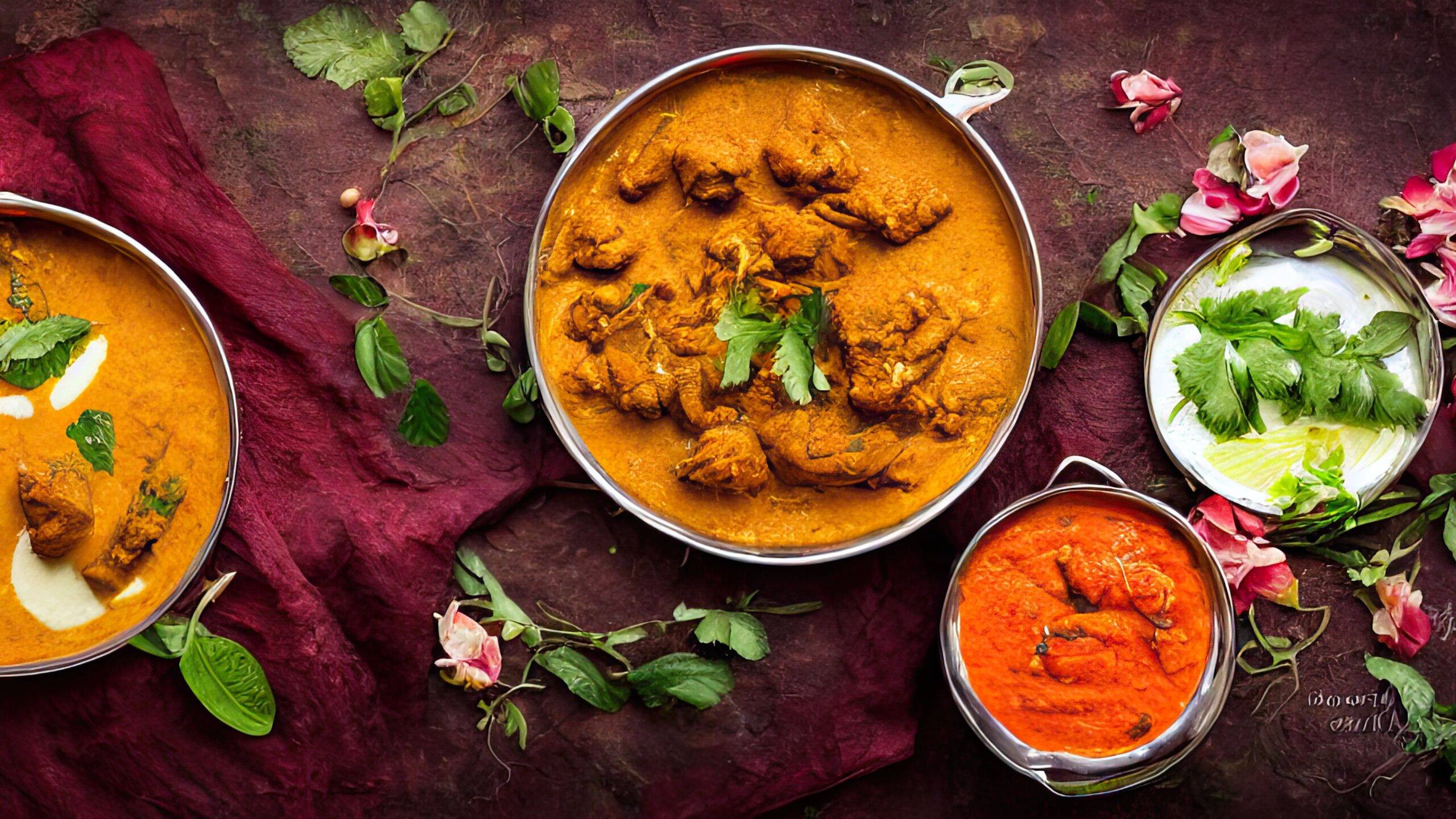
- Laal maas fired with Mathania chilli, smoky and red, from an erstwhile royal kitchen recipe.
- Safed maas, the milder white mutton curry of cashew, cream and cardamom, rarely found on menus.
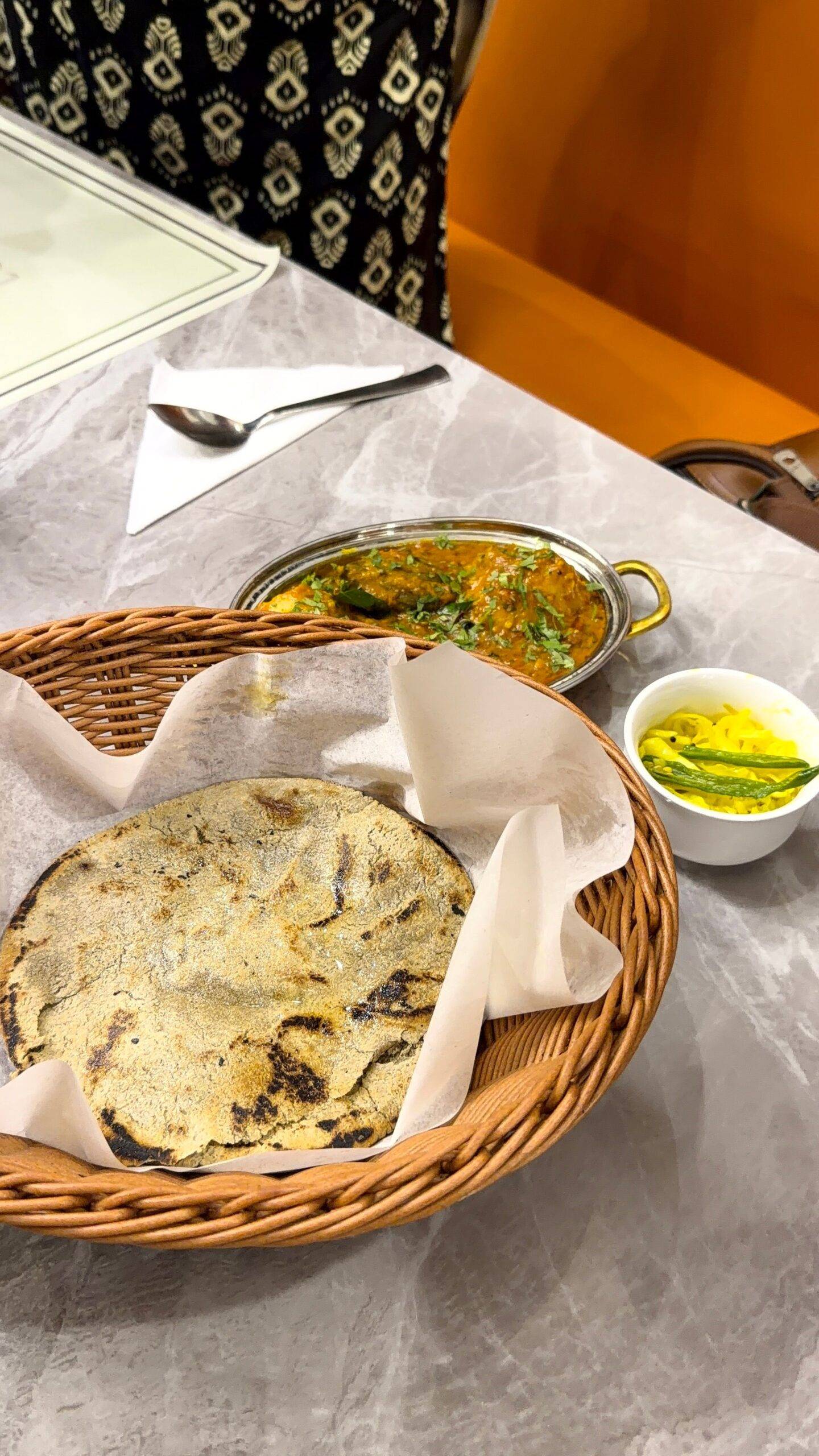
- Dal baati churma cooked properly — baatis baked in embers, cracked open and drowned in ghee.
- Ker sangri, the desert bean and berry stew that turns scarcity into a genuine delicacy.
- Gatte ki sabzi, gram-flour dumplings in a tangy yoghurt curry, everyday Marwari cooking at its best.
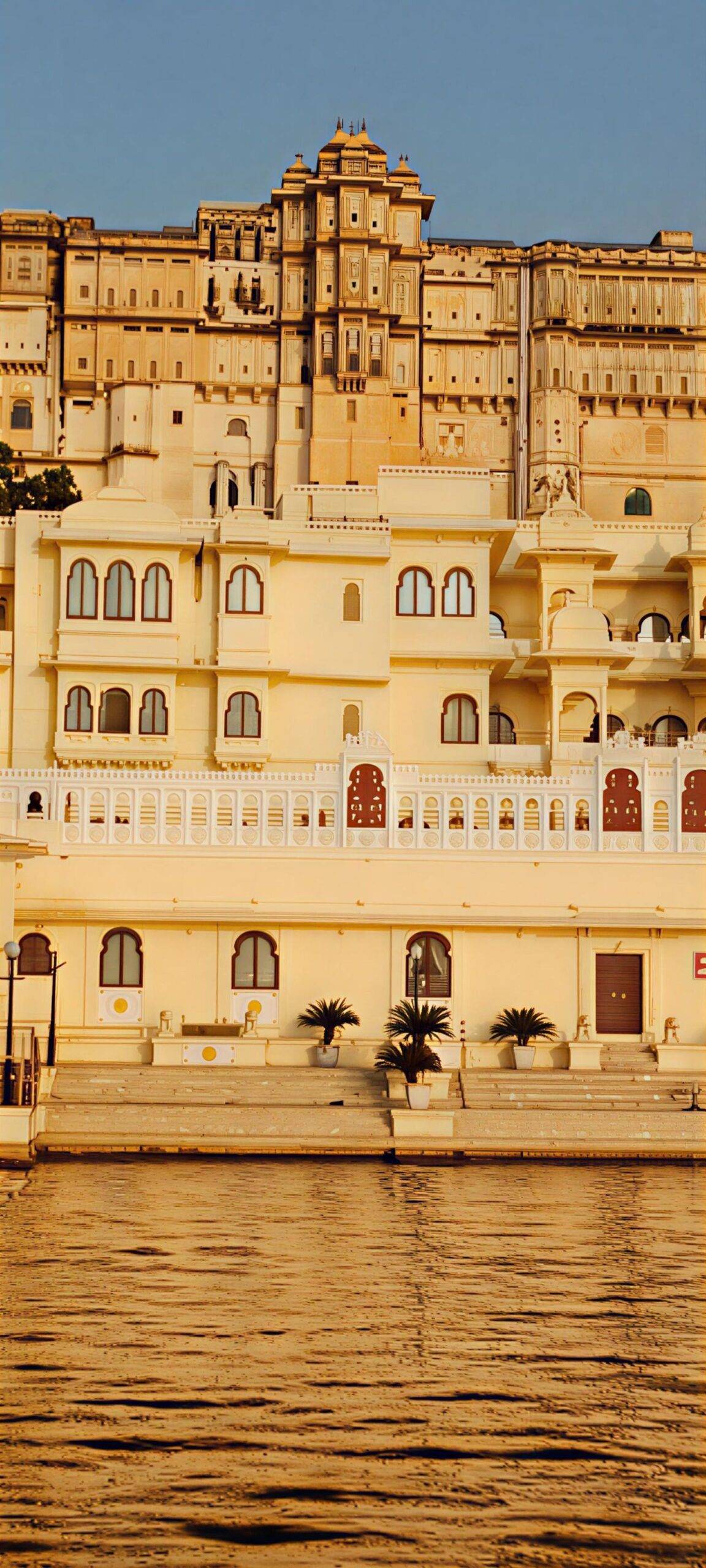
- A heritage-haveli royal thali served in courses, the way the Rajput courts once ate.
- A Marwari vegetarian feast, entirely without onion and garlic, proving restraint can taste rich.
 Jodhpur & Udaipur
- Regal, Warm, Generous
- 5 Nights / 6 Days
- Priced to Your Brief
- Heritage Havelis
- Royal Food Journey


FROM THE FIELD
03
DESERT SCARCITY, ROYAL PLENTY
- Rajasthan cooks two great cuisines at once — the meat-rich food of Rajput hunting kitchens and the refined vegetarian tradition of Marwari merchants. Six days between Jodhpur and Udaipur, eating in heritage havelis and home kitchens, tasting how a dry land produced both laal maas and a feast without a single onion. No visa needed for Indian travellers.
- You eat laal maas and the rarer safed maas from royal recipes, dal baati churma with baatis baked in embers, ker sangri from desert beans and berries, and gatte in yoghurt curry. A heritage-haveli thali arrives in courses. On the vegetarian side, a full Marwari feast shows how much flavour comes without onion, garlic or fresh vegetables.
- Desert cooking adapted to scarcity — little water, few fresh vegetables — so cooks leaned on dried beans, gram flour, ghee, yoghurt and chilli that kept well. Royal Rajput kitchens, meanwhile, turned the day’s hunt into laal maas and safed maas. The Marwari merchant tradition, often Jain, refined vegetarian food to a high art. Two worlds, one plate away.
- Some moments are built for lingering: a baati cracked open and soaked in warm ghee; the deep red slick of laal maas with its Mathania smoke; a haveli thali arriving course by course under carved stone; a Marwari feast that never once reaches for an onion yet leaves the table completely satisfied.
- This suits travellers who want food with real history and both sides of it done well — the royal meat kitchens and the great vegetarian tradition. It is one of the easiest trips for Jain and no-onion-garlic diners. It is not for those wanting coastal or subtle food, or light, low-ghee eating.
Continue the Journey
FAQ
Good to
know
How well does this trip handle Jain and no-onion-garlic travellers?

Exceptionally — better than almost anywhere in India. The Marwari vegetarian tradition is built without onion and garlic, so Jain-friendly food here is not a compromise but a genuine cuisine: dal baati, ker sangri, gatte, panchmel dal and churma are all naturally suited. We brief havelis and home kitchens in advance. Non-vegetarian travellers get the royal laal maas and safed maas alongside, so mixed groups are easy.
When is best, and how are the food experiences run?
What does a trip like this cost from India?
Begin Your Conversation
Let's design
your version
Tell us your dates, group and budget and we’ll shape this journey around them. Everything is priced to your brief and planned on a call, never pulled off a shelf.