


A visit to CERN can help students understand how scientists investigate the fundamental building blocks of matter, test theories about the universe…
Free at JAXA, ¥160 at Miraikan —
and closed when you want to go
In this article
Every year, around September, a school asks me to build a Japan science trip for the winter break. It is a completely reasonable request. The winter break is ten to fifteen days, which is the only holiday other than summer long enough to be worth a five-and-a-half-hour flight and a time-zone change. Japan is the obvious destination. Robotics, space, bullet trains, a country that will make thirty-five Indian teenagers behave better than they have ever behaved in their lives.
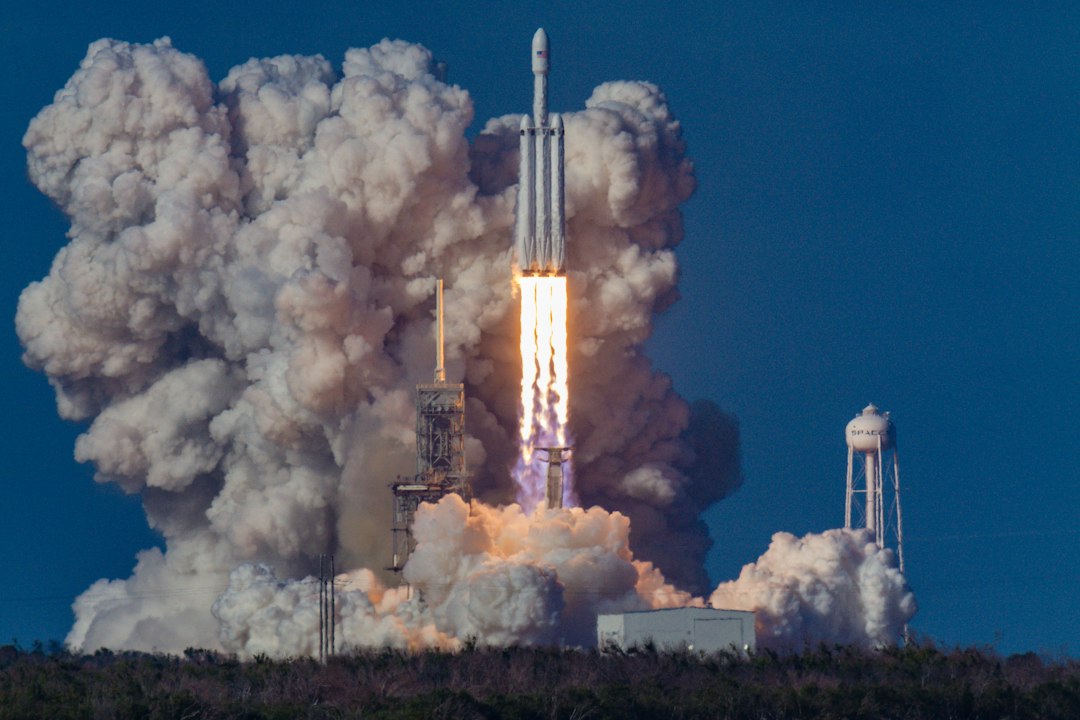
And it is, almost always, the wrong window.
Not because of weather or cost. Because JAXA’s Tsukuba Space Center is closed from 29 December to 3 January, and because Miraikan’s Dome Theater cannot be booked by groups during Japanese school holidays — which include exactly the days your students are free. You would fly a group halfway across Asia to stand outside two locked buildings, eat at a convenience store, and be told that the country is at home watching television.
I have never let a school make this mistake. I have, however, had to explain it about forty times, so here it is properly written down.
When should an Indian school plan a STEM trip to Japan?
Late May to mid-June. Japanese schools are in session, so the group-only bookings at Miraikan’s Dome Theater are available; JAXA is running its normal tour schedule; the weather is warm without being the deep humidity of August; and it sits inside the Indian summer break. Avoid late December to early January entirely — Japan effectively shuts from around 29 December to 3 January — and avoid late March to early April and most of August, when Japanese school holidays close the same group facilities.
Everything below is why, and what it costs.
The two institutions that make the trip
JAXA Tsukuba Space Center is the reason to come, and it is free. Three guided tour courses, each running one hour and twenty minutes: the Astronaut Course and the Launch Vehicle Course, each taking up to 80 people, and the Space Station Course, capped at 40. Advance reservation is required and works first-come-first-served through the tour desk, which operates on Japanese office hours. Groups of ten or more arriving by chartered coach are the standard format, and the centre takes up to four buses a day depending on the course.
Two operational facts to plan around. It is closed on Mondays, with exceptions in summer and special periods, and on designated inspection days. And JAXA does not state English-language tour availability on its visitor pages — so I do not promise it. I budget for an interpreter and treat English guiding as a pleasant surprise rather than an assumption, which is also how I would advise any operator to behave with a facility that has never claimed otherwise.
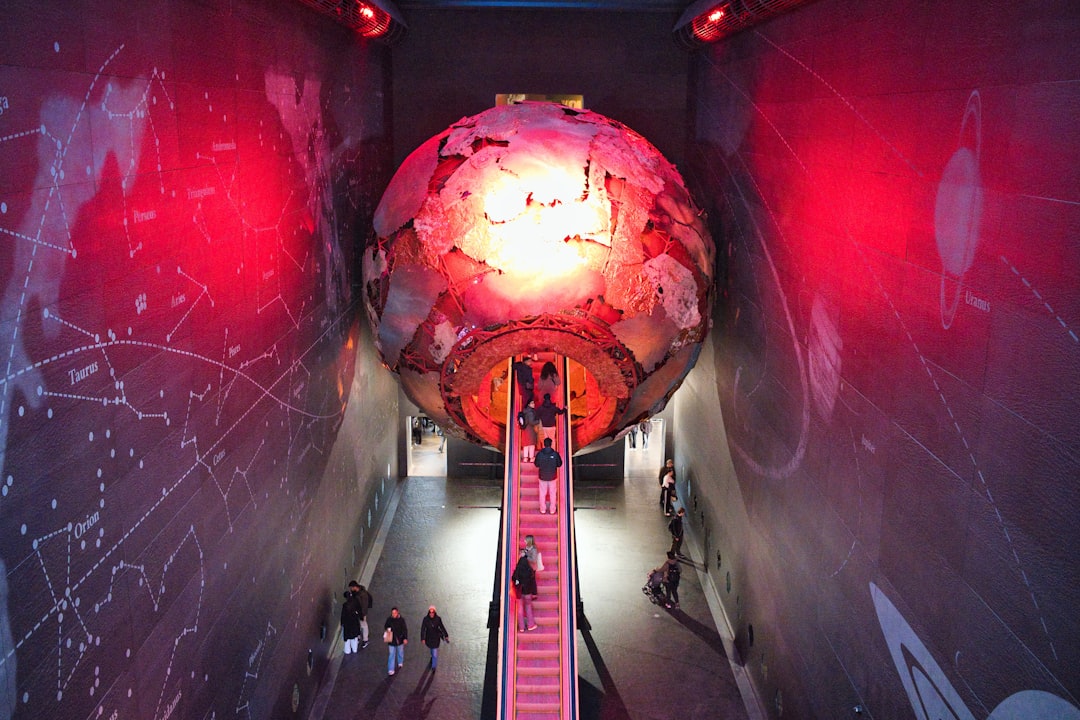
Miraikan, the National Museum of Emerging Science and Innovation in Tokyo, is the other pillar and it is almost absurdly affordable for a school. The group rate applies at more than eight people: ¥500 for adults and ¥160 for under-18s for the permanent exhibitions. Teachers and escorting staff go in free. Under-18s are free on Saturdays. The Dome Theater — which is where a thirty-five-strong group gets its collective jaw-drop — is ¥310 for adults and ¥100 for under-18s, and this is the one with the calendar restriction: group bookings on weekdays only, and not during Japanese spring, summer or winter school holidays. You request it in the remarks field when you reserve, which is the sort of detail that separates a trip that works from a trip that mostly works.
Miraikan will also take a lunch reservation up to a year in advance, which is more forward planning than most Indian schools have ever done for a meal, and which I recommend anyway because thirty-five hungry teenagers in central Tokyo at 1 p.m. is a solvable problem you should solve early.
What it costs, and where the money actually goes
Here is the part that surprises finance committees. The science is nearly free. JAXA costs nothing. Miraikan costs ¥160 a student. For a group of thirty-five, the two headline institutions of a Japan STEM trip come to less than the coach that takes you between them.
The cost of a Japan school trip is flights, hotels and ground transport, full stop. My indicative band for a seven-to-ten day programme, per student, twin or triple share, in a group of 25 to 35 with two or three free teacher places, including flights, land, most meals and entries, is roughly ₹1,80,000 to ₹3,00,000 for 2026–27. That is a range, not a quote, and airfare season moves it more than anything else.
Set that against a comparable United States programme, which sits closer to ₹3,00,000 to ₹5,00,000 and — far more importantly — currently requires visitor-visa appointments on queues measured in months from Indian consulates. Japan’s visa route for Indian nationals runs through an accredited agency rather than direct application, which is how Indian school operators already work, and it moves in weeks rather than seasons.
For a school that wants a serious science trip inside one academic year, that is the whole argument.
The itinerary that follows from the calendar
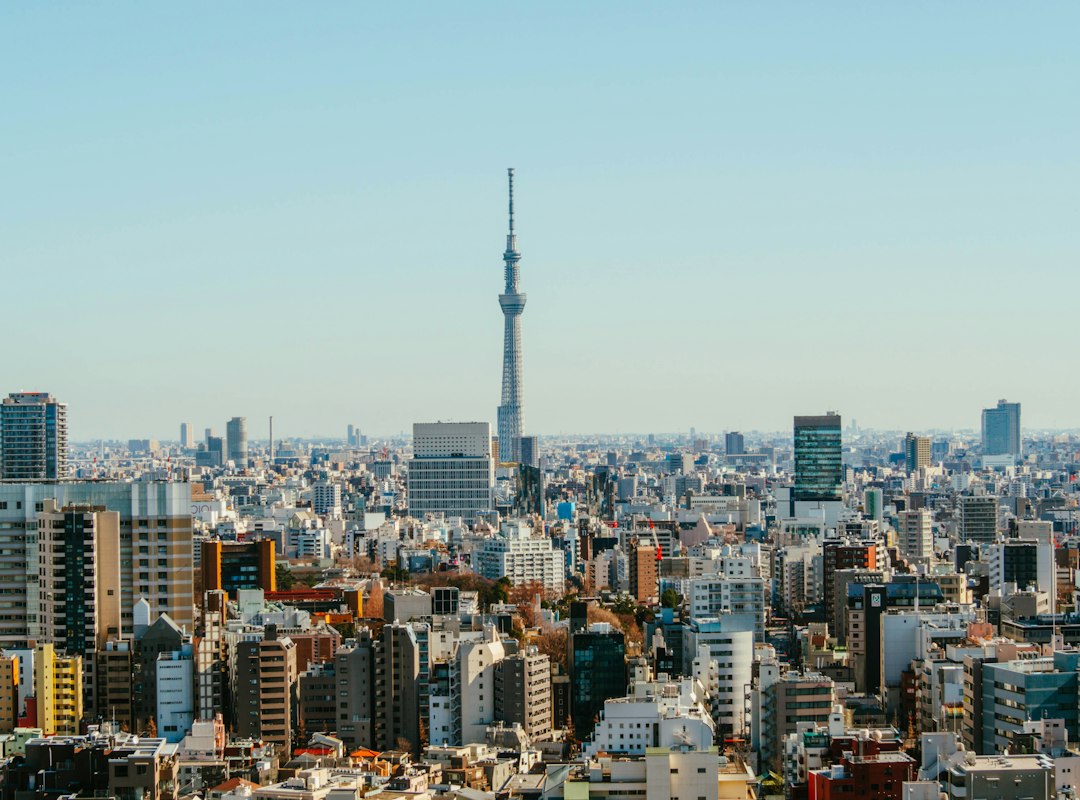
Once you accept late May or early June, the trip almost designs itself. Tsukuba for JAXA, with the coach doing the work. Tokyo for Miraikan and the Dome Theater on a weekday. A Shinkansen leg, which is not a transfer but a lesson — I have watched students time the train against their phones and refuse to believe the result. And whatever cultural spine the school wants, because a science trip that is only science produces a group that stops noticing by day four.
My own small failure, so you can avoid it: on an early trip I scheduled JAXA for a Monday. I had read the closure line. I had read it as “closed on some Mondays”. We spent that morning at a very good conveyor-belt sushi restaurant in Tsukuba, which the students rated the best day of the tour, and which cost me a great deal of professional dignity to hear.
The honest caveats. Japan is expensive to sleep in and the rooms are small — plan triple-share carefully and tell parents what a Japanese business-hotel room actually looks like. Vegetarian and Jain catering needs to be arranged in writing, restaurant by restaurant, and not assumed; this is the single most common source of unhappiness on Indian school trips to Japan and it is entirely preventable. And early June carries the front edge of the rainy season — pack for it, and put a covered alternative against every outdoor afternoon.
None of that is a reason not to go. It is a reason to go in the right fortnight.
Frequently asked questions
Is JAXA’s Tsukuba Space Center free for school groups?
Yes. All three guided tour courses — Astronaut, Space Station and Launch Vehicle — are free of charge. Each runs about one hour and twenty minutes. Advance reservation is required and is first-come-first-served; groups of ten or more typically arrive by chartered coach, and the centre accepts up to four buses per day depending on the course. It is closed on Mondays, with summer and special-period exceptions, from 29 December to 3 January, and on designated inspection days.
How much does Miraikan cost for a school group?
At the group rate, which applies to parties of more than eight, permanent exhibitions are ¥500 for adults and ¥160 for under-18s, and escorting teachers enter free. The Dome Theater is ¥310 for adults and ¥100 for under-18s, but group bookings are weekday-only and unavailable during Japanese spring, summer and winter school holidays. Advance reservation is required, and lunch can be booked up to a year ahead.
Why is the Indian winter break a bad time for a Japan school trip?
Because it collides precisely with Japan’s New Year shutdown. JAXA closes from around 29 December to 3 January, most independent restaurants and many museums close or reduce hours across the same period, and Miraikan’s group Dome Theater slots are unavailable during Japanese school holidays. You would be paying peak-season fares to visit a country that is closed.
Do JAXA tours run in English?
JAXA does not state English-language tour availability on its visitor pages, so it should not be assumed or promised. Plan and budget for an interpreter, and treat English guiding as a bonus if it materialises. Miraikan is considerably more comfortable for English-speaking groups.
What does a Japan STEM school trip cost per student from India?
As an indicative band for 2026–27: roughly ₹1,80,000 to ₹3,00,000 per student for seven to ten days, including flights, land arrangements, most meals and entries, on twin or triple share in a group of 25 to 35. Almost none of that is the science — JAXA is free and Miraikan is ¥160 a student. The cost is airfare, hotels and ground transport, and it falls per head as the group grows.
How does the Japan visa work for an Indian school group?
Indian nationals can use Japan’s e-visa, but only through an accredited agency rather than by applying directly — which is how Indian school operators already work. In practice it moves in weeks. This is the practical reason many schools choose Japan over the United States for a trip that has to happen inside the current academic year.
Our Japan robotics and JAXA journey is built around the group booking calendar rather than the brochure calendar, and schools wanting a broader cultural arc usually look at Japan technology and culture alongside it.
Send us your term dates first, before your wish list, at the thumbprint. In Japan, the fortnight decides the trip.
Ready to plan your own journey?
Share your dates and interests. A Picknic curator will design it for you.

Written by
Rohan Mehta
Lead Experience Designner
Lorem ipsum dolor sit amet, consectetur adipisicing elit, sed do eiusmod.
View all 18 articles by Rohan Mehta →
Continue Reading
 Educational
 Educational
Europe is an excellent destination for science education tours because students can study scientific discoveries, explore interactive museums, encounter industrial engineering and…
 Educational
NASA education programs help students connect classroom science with real space missions, engineering challenges, Earth observation and scientific research. Depending on their…