


A first-timer's honest account of the F1 Singapore Grand Prix — the sound, the humidity, the grandstand choice, and whether the night race is worth it.
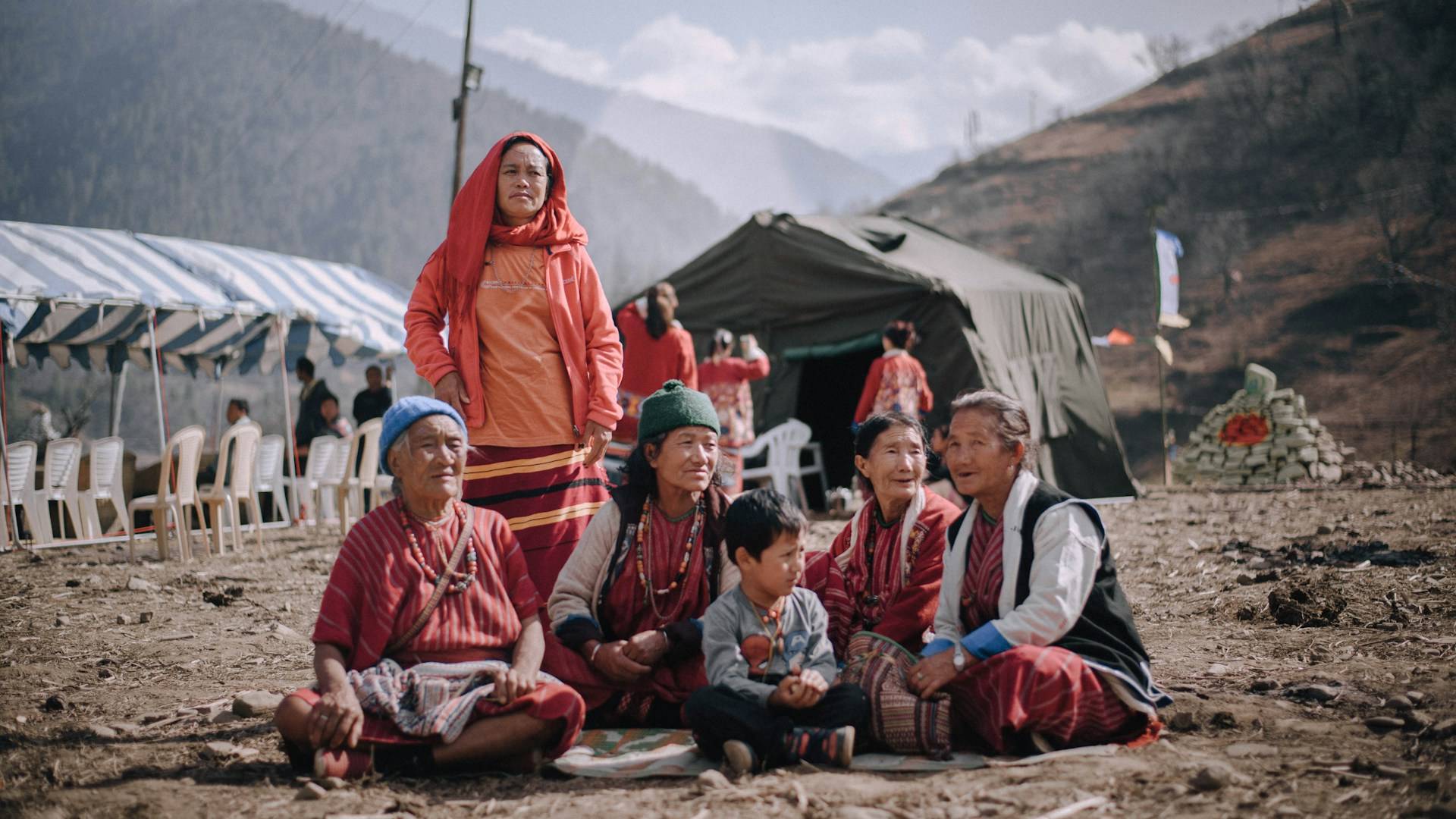
Every festival has a soundcheck. Ziro’s is the valley itself. On my first afternoon there, standing calf-deep in the grass in front of a stage built entirely of bamboo, I heard a band tuning up, a rooster objecting somewhere behind me, and wind moving through paddy that was two weeks from harvest. All three sounded like part of the same arrangement. That is the whole review, really. The rest is logistics.
But the logistics matter, because Ziro is the least convenient great festival in India, and pretending otherwise helps nobody.
How do you get to the Ziro Festival of Music?
Ziro sits in Arunachal Pradesh’s Lower Subansiri district. Fly to Itanagar’s Hollongi airport via Guwahati or Kolkata, then drive four to five hours into the hills; alternatively, take the train to Naharlagun and drive from there. Indian citizens need an Inner Line Permit, applied for online before travel — build in a few days for it.
The festival happens in late September, four days of independent music on bamboo stages in the middle of the Apatani plateau, about 1,500 metres up. The Apatani people have farmed this valley for centuries using an irrigation system clever enough that agronomists come to study it — rice and fish raised in the same flooded fields. The festival grounds sit inside this landscape, not beside it. Between sets you watch mithun (the local bison-like cattle, a measure of wealth here) amble past the merchandise stall.
The music leans independent in the best sense — folk acts from the Northeast you have never heard and will never forget, alongside indie names from Delhi, Bengaluru and abroad. There are two stages; nothing overlaps cruelly. Sets end at a civilised hour because the valley sleeps early, and the after-party is usually a bonfire, a bamboo mug of apong — the local rice beer, mildly sweet, deceptively gentle — and someone with an acoustic guitar making friends out of strangers.
I want to be honest about my own incompetence, because it is instructive. My first year, I treated Ziro like Goa. I packed canvas shoes, no torch and a linen shirt. It rained on day two — September in Arunachal keeps a little monsoon in reserve — and the festival ground became a cheerful brown paste. I bought gumboots from a shop in Hapoli town for ₹350 and they were the best purchase of my travelling life. Pack gumboots or ruin shoes. There is no third option. Evenings drop to around 15°C, so carry one proper warm layer, and a headtorch, because the walk back to your homestay is lit mainly by stars and goodwill.
Homestays are the accommodation and also the point. You stay with Apatani families in villages like Hong and Hija — wooden houses, kitchen fires, breakfasts of rice, greens and eggs, and conversations that outlast the tea. Some travellers pitch tents at festival camping sites, which is fine, but the homestay is where the valley actually talks to you. My host aunty in Hija taught me to eat boiled tapyo salt with my dinner and laughed at my face for a full minute afterwards.
The honest caveat: this trip demands patience and rewards it. The road from Itanagar winds hard enough that motion-sickness tablets are not optional for some travellers. Phone signal is a rumour outside Hapoli. ATMs run dry during festival week, so carry cash. If your ideal festival includes room service and reliable 5G, Ziro will frustrate you — go to Alsisar in December instead, and genuinely no judgement from me.
But if you have grown tired of festivals that feel like sponsored malls with speakers, this valley is the correction. Four days where the headline act shares billing with the landscape, where nobody films entire sets, and where the loudest thing after midnight is the rain on a tin roof.
We build the whole journey — permits, flights, the drive with proper stops, homestays we have eaten in ourselves — as the Ziro Festival journey. Pair it mentally with our Magnetic Fields journey and you have India’s two great small festivals, one in paddy, one in a palace, ten weeks apart.
Tell us which one is yours, and we should talk before September.
Continue Reading

Educational travel isn't tourism dressed up for school trips. Done right, it's one of the most transformative things a young person can experience.