


What La Tomatina in Buñol is actually like — goggles, ruined shoes, one perfect hour of chaos — and how to do Spain's tomato festival properly from India.
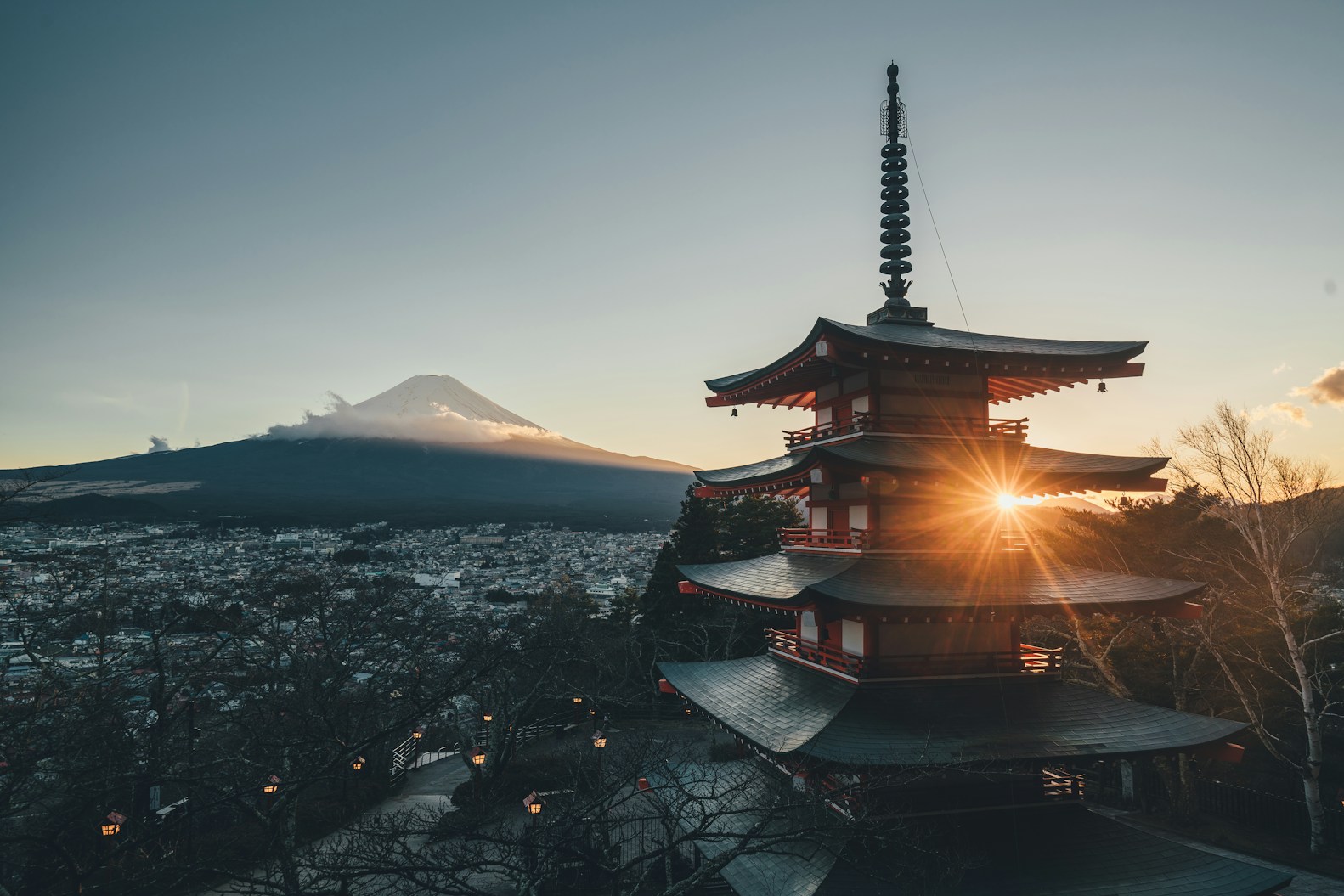
Somewhere on the road between Phuntsholing and Thimphu — 176 kilometres that take a full six hours, and should — our driver Karma pulled over without explanation. I assumed a puncture. Instead he pointed across the valley at a ridgeline where cloud was pouring over the top like milk boiling over a pot, said nothing for two minutes, then got back in and drove on. No photograph. No commentary. Just: look at that, properly, and now we continue.
I have been designing journeys for eight years and I still think about that stop more than any monument I have ticket stubs for. Bhutan does not do highlights. Bhutan does attention.
Is Bhutan worth visiting for Indian travellers?
Yes, and it is one of the easiest foreign trips an Indian can make. No visa is required for Indian passport holders — you travel on a permit with your passport or voter ID — and the classic route runs by road from Bagdogra airport through Phuntsholing to Thimphu, Punakha and Paro over seven nights. Note the daily Sustainable Development Fee that Indian visitors pay.
That fee is the first clue to what Bhutan is doing differently. The country has looked at mass tourism, understood exactly what it does to a place, and politely declined. The result is the last Himalayan kingdom where the mountains outnumber the tour buses.
Consider what the country chooses to measure. Gross National Happiness is easy to dismiss as a slogan until you spend a week inside its consequences: a capital city, Thimphu, at 2,350 metres, that is quite possibly the world’s only one without a single traffic light — a white-gloved policeman conducts the main junction by hand, and when the government once installed a signal, residents found it impersonal and it was removed. Sit at that junction for twenty minutes with butter tea. It is better theatre than most palaces.
The road east from Thimphu crosses Dochula Pass, where 108 memorial chortens stand in concentric rings and, on a clear morning, the eastern Himalaya lines up along the horizon like an honour guard. Four hours of driving for one pass. On a checklist trip that arithmetic is a scandal. In Bhutan it is the itinerary working as intended, because the four hours are the experience — prayer flags strung across gorges, cows with right of way and the full confidence that comes with it, roadside stalls selling red-chilli cheese (ema datshi, the national dish, which starts as a dare and ends as a craving).
Punakha gives you the dzong at the meeting of two rivers — the Pho Chhu and Mo Chhu, the father and mother rivers — and it is the single most beautiful building I have seen in the subcontinent, jacaranda trees against white walls in spring. And then Paro, and the climb everyone comes for.
Taktshang, the Tiger’s Nest, is a monastery holding onto a cliff face 900 metres above the valley floor. The hike up takes most people two to three hours of honest work: a steady trail through blue pine, a cafeteria at the halfway point where you reassess your life choices over tea, then the final staircase cut into the rock — down 300 steps and up again — that delivers you to the gate. My own small failure: I carried too little water and too much camera, and the camera stayed in the bag anyway because photography is not permitted inside. Carry water, walking shoes and nothing else that matters.
The honest caveats, plural, because this trip has real ones. The roads are winding and long — if anyone in your family suffers motion sickness, medicate and plan shorter driving days. The Tiger’s Nest climb is genuinely demanding for unfit or elderly travellers; ponies can take you partway up, but the final staircases are yours alone. And nightlife, shopping and eight-lane convenience simply do not exist here. Travellers who need their evenings entertained will be restless by day three. That restlessness, held a little longer, is the thing Bhutan is quietly treating.
Because here is what happens on day five or six. You stop reaching for your phone at viewpoints. You start noticing that every house — every single one, by regulation and by pride — carries the same hand-painted timber style. You have one unhurried thing scheduled for the afternoon and it feels like enough. The checklist instinct, that low hum of what’s next, goes silent somewhere around Dochula and does not restart until Bagdogra.
Our Bhutan journey runs the full seven-night road arc — Phuntsholing, Thimphu, Punakha, Paro — with the permits, the right drivers and the deliberate pace built in. Travellers who love this register of trip usually also love our Ladakh road journey, its higher, starker cousin.
Tell us what you are trying to slow down from. Bhutan has been the answer to that question more often than any place I plan.
Continue Reading

The era of the generic conference hotel is over. We explore how forward-thinking companies are using travel to rebuild culture.