


Yoga Alliance is a registry, not a licence. A practitioner on the red flags, real costs, the 2027 Yoga Festival dates, and…
Four questions that tell you
whether it is Panchakarma or a very nice massage
In this article
A guest came back from a Kerala resort a few years ago and told me, with real warmth, that she had done Panchakarma.
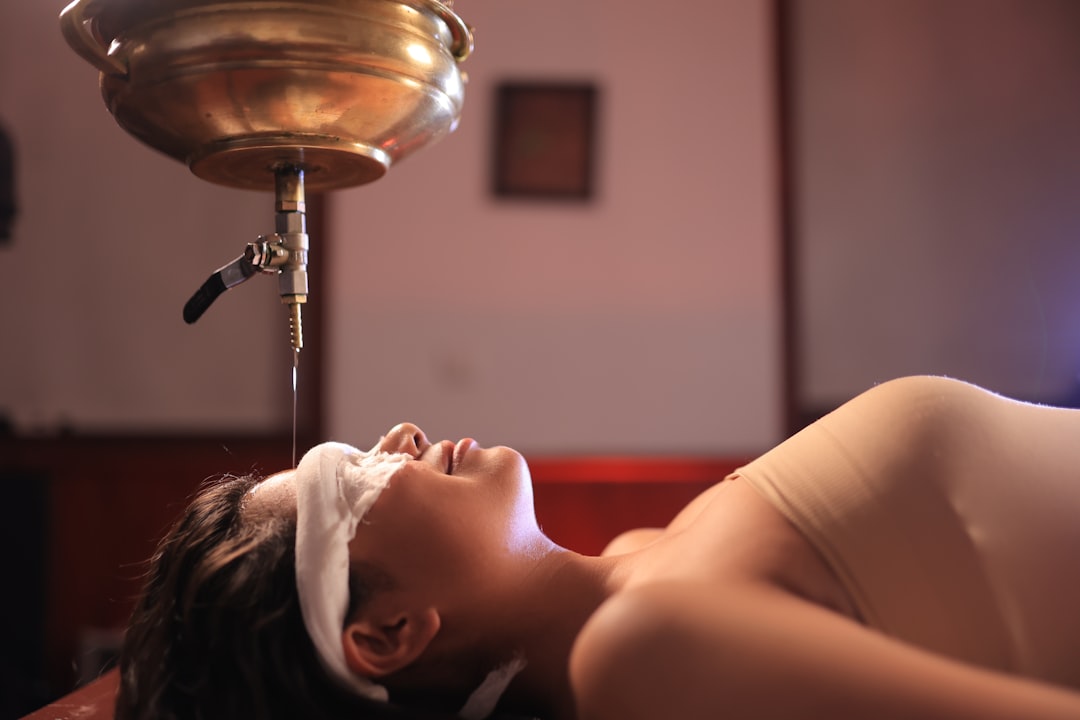
I asked what her doctor had said. She looked puzzled. There had been no doctor. There had been a lovely young therapist, an oil massage every morning for four days, a session where warm oil was poured on her forehead, a pool, and a menu with a section headed “Ayurvedic Cuisine” on which she had chosen the grilled fish.
She had had an excellent holiday. She had a great deal of oil applied to her. She had not done Panchakarma, and nobody at any point had said so, because nobody had needed to lie — they had simply put a word on a brochure and let her fill in the rest.
Both of those things can be true at once, and my job is to make sure you know which one you are buying.
What is the difference between Panchakarma and spa ayurveda?
Four questions settle it. Was there a physician? Genuine Panchakarma begins with an assessment by a qualified ayurvedic doctor — BAMS or MD (Ayurveda) — of your constitution, digestion and medical history. Was there a diagnosis? The programme should be individually prescribed, not chosen from a menu. Is there a diet plan for after you leave? The post-treatment rebuild is not optional; it is a formal part of the process. Does it run at least seven days? Real programmes run days to weeks. If any answer is no, it is a spa — which is a perfectly good thing to be, and not what the word on the brochure means.
What Panchakarma actually involves
The word means “five actions”, and this is where most confusion starts. The five are the purification procedures themselves — vamana, virechana, basti, nasya and raktamokshana — and a genuine programme uses only those clinically indicated for that individual, not all five. Anybody offering you “the full five” as a package has told you something about themselves.
The structure around them is what distinguishes the real thing.
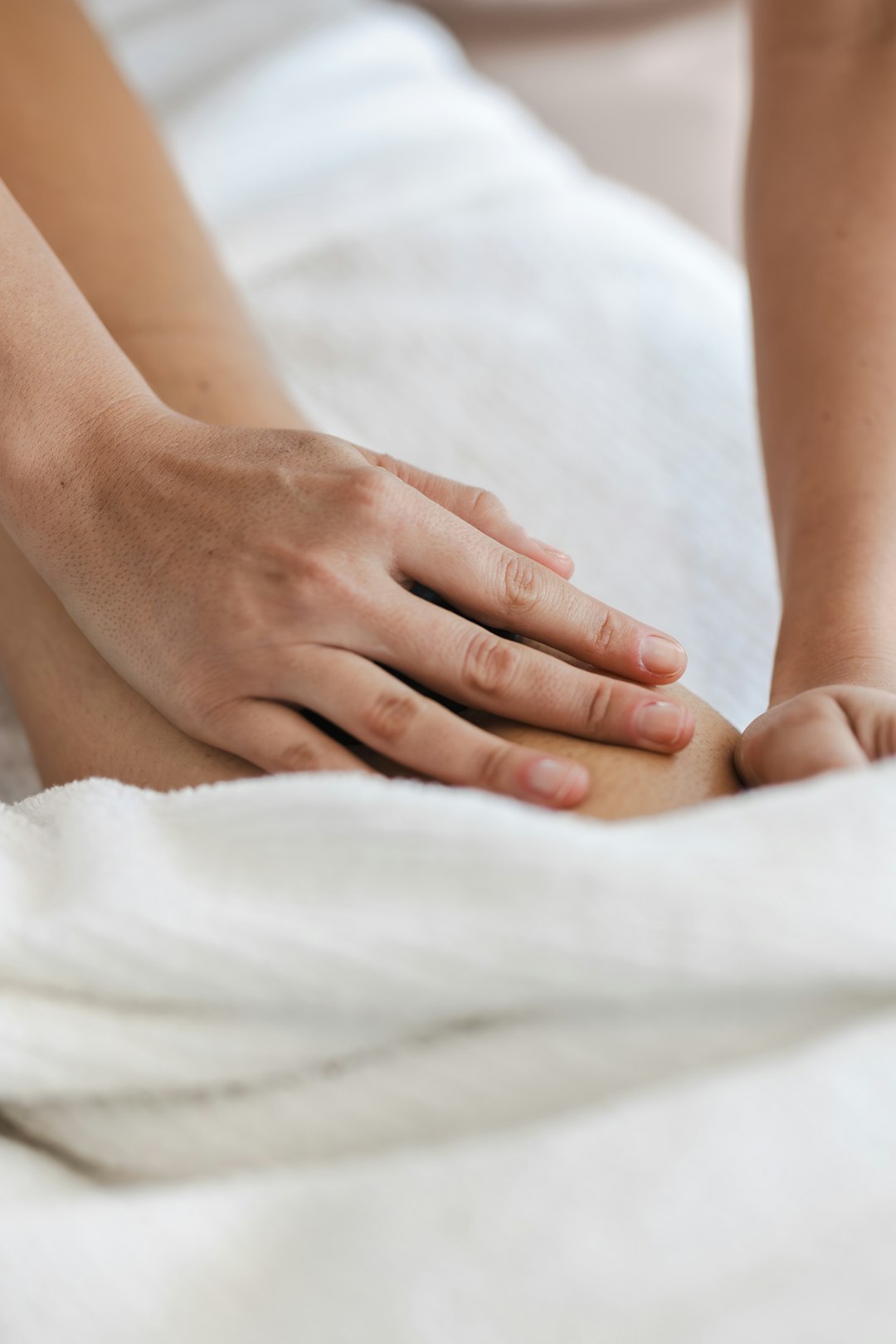
Purva karma, the preparation. Snehana — oleation, internal and external — and swedana, sudation. This is where the oil treatments most travellers associate with ayurveda actually belong: not as the therapy, but as the preparation for it.
Pradhana karma, the main purification procedures, prescribed to the individual.
Paschat karma, the aftercare — a graded rebuilding of diet and routine known as samsarjana krama. This is the part that spas omit entirely, and it is the part practitioners consider least optional. A programme that ends when you check out has, by the tradition’s own logic, ended halfway.
Abhyanga, Shirodhara and Pizhichil delivered as standalone treatments — the oil massage, the forehead pour, the warm oil bath — are legitimate, pleasant and deeply restful. They are simply preparation procedures sold separately from the thing they prepare you for. There is nothing wrong with buying them on their own. There is something wrong with being told they are Panchakarma.
Why the monsoon, and not the winter
The season surprises people, because it is precisely the season nobody wants to go to Kerala.
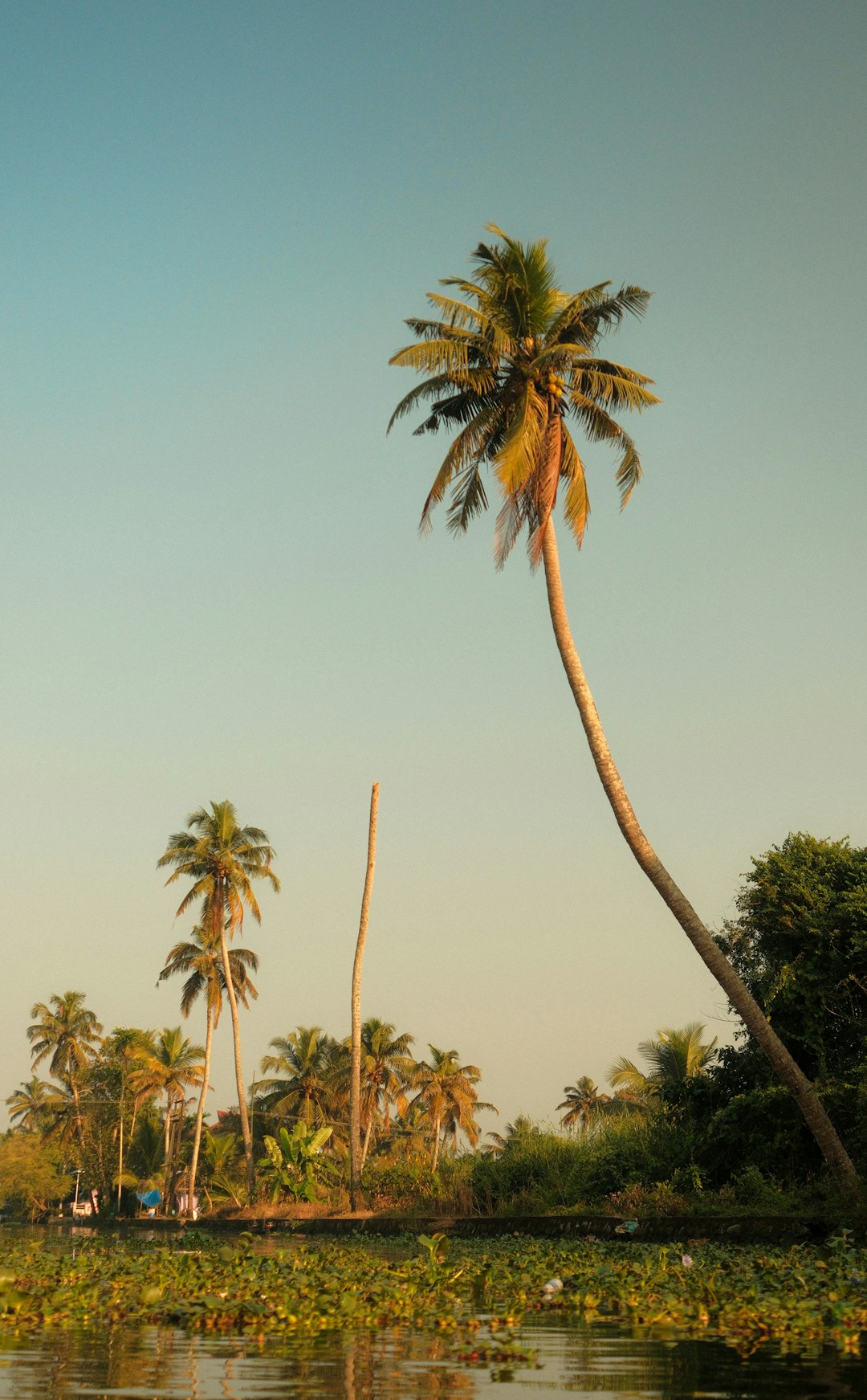
Karkidakam is the last month of the Malayalam calendar, falling roughly mid-July to mid-August — the deep monsoon. Kerala Tourism’s own stated rationale is that during the monsoon “the body’s receptivity to medication is at its peak.”
The traditional reasoning, which I will attribute rather than assert, runs through ritucharya, the ayurvedic concept of seasonal regimen: Vata accumulates through the summer months without producing symptoms, and the arrival of the cool, damp monsoon aggravates that accumulation while Pitta begins to build and agni, the digestive fire, weakens. Hence the seasonal pattern of stiff joints, sluggish digestion and allergies that Kerala households recognise without needing a text to tell them.
There are also entirely practical reasons the season settled where it did, and I find them the more persuasive half. Cooler air and high humidity keep the skin absorbing oil. There is no agricultural or festival work in Karkidakam, which historically freed people for a two- or three-week treatment. And it is the low tourist season, so centres have staff capacity and better rates.
Karkidaka kanji belongs to the same month — a medicinal gruel of boiled cereals with njavara rice and somewhere between twelve and twenty-four medicinal herbs, eaten daily through the month. It is not a treatment you book. It is what the household eats.
The classification change almost nobody has caught up with
Here is the correction that matters most in this article, because you will encounter the old system on hotel websites this week.
Kerala has retired Green Leaf and Olive Leaf. The state’s regulatory conditions for ayurveda centres now award Ayur Diamond to units meeting the full prescribed criteria, Ayur Gold House to the second category and Ayur Silver to the lower — explicitly “instead of existing Green leaf and Olive leaf categories.”
The details worth knowing: the certifying authority is the Director, Department of Tourism, Government of Kerala; classification is valid for three years from the date of the order; the fee is ₹6,250; and classified units are subject to unannounced inspections.
So when a property markets itself on “Green Leaf certified”, it may simply be using an old sign. Ask which current classification it holds, and when the classification was issued — three years is not long. Kerala Tourism publishes a list of classified centres, and it is worth a look before you pay a deposit.
One further distinction, because the two get conflated: NABH accreditation is a clinical quality accreditation for AYUSH hospitals, and Kerala Tourism’s classification is a tourism facility classification. They measure different things. A centre may hold one, both or neither, and “accredited” without a named scheme means nothing.
What I will not tell you
I am going to be careful here, and I would ask you to be suspicious of any wellness writing that isn’t.
I am not going to make a medical claim for Panchakarma or ayurveda. I could not find an evidence base comparable to the one that exists for, say, exercise, and I am not going to manufacture one with warm language. What I can describe honestly is the experience: physician-led, structured, unhurried, deeply restful, and organised around a routine that is not yours. For a great many people that is worth a fortnight, and it does not need a clinical claim attached to be worth it.
And if you have an existing condition, are pregnant, have had recent surgery, or have any cardiovascular history, talk to your doctor before booking a Panchakarma or any intensive programme — and disclose every medication you take to the ayurvedic physician. A good centre will ask. A centre that does not ask has told you what it is.
What I would actually book
A minimum of fourteen days, if you are doing this properly. Seven is the floor below which the word should not be used; fourteen is where the aftercare has room to happen.
Karkidakam, if you can bear the rain — mid-July to mid-August, which is when the practitioners themselves think it works and when the centres are least crowded. November to February if you cannot, which is more comfortable, more expensive and busier.
A centre with a named physician you can look up, a current Kerala Tourism classification you have verified, and a written programme that includes what you eat for the week after you leave.
And a genuinely empty calendar. The single most common reason a Panchakarma disappoints is a guest who spends it answering email. The routine is the treatment. If you are not going to submit to it, book the massage instead — honestly, openly, and with the grilled fish. There is no shame in it. There is only shame in calling it something else.
Frequently asked questions
How do I know if a centre offers genuine Panchakarma?
Ask four questions. Is there an assessment by a qualified ayurvedic physician (BAMS or MD Ayurveda) covering constitution, digestion and medical history? Is the programme individually prescribed rather than chosen from a menu? Is there a defined dietary and lifestyle regimen for after you leave? Does it run at least seven days? If any answer is no, you are booking spa treatments — which can be excellent, but are not Panchakarma.
What are the five actions of Panchakarma?
Vamana, virechana, basti, nasya and raktamokshana — the purification procedures. A genuine programme uses only those clinically indicated for the individual, not all five. Around them sit purva karma (preparation, including the oleation and sudation treatments most travellers recognise as “ayurveda”), pradhana karma (the purification itself) and paschat karma (the graded rebuild of diet and routine, called samsarjana krama, which spa programmes omit).
Why is the monsoon the traditional ayurveda season in Kerala?
Karkidakam, the last month of the Malayalam calendar, falls roughly mid-July to mid-August in the deep monsoon. Kerala Tourism states that during the monsoon the body’s receptivity to medication is at its peak. The traditional reasoning runs through ritucharya — Vata accumulating through summer and being aggravated by the cool, damp monsoon while digestive fire weakens. Practically, the humidity aids oil absorption, the agricultural calendar historically freed people for treatment, and it is the low tourist season with better rates and more staff attention.
Is Green Leaf certification still valid in Kerala?
No — Kerala has replaced Green Leaf and Olive Leaf with a new scheme: Ayur Diamond for centres meeting the full criteria, Ayur Gold House for the second category and Ayur Silver for the lower. Classification is issued by the Director, Department of Tourism, Government of Kerala, costs ₹6,250, is valid for three years and is subject to unannounced inspections. A property still marketing itself on Green Leaf may simply be using an old sign — ask which current classification it holds and when it was issued.
What is the difference between NABH accreditation and Kerala’s classification?
They measure different things. NABH accredits AYUSH and ayurveda hospitals on clinical quality. Kerala Tourism’s Ayur Diamond / Gold House / Silver scheme classifies tourism facilities. A centre may hold one, both or neither, and a claim of being “accredited” without naming the scheme tells you nothing useful.
How long should a Panchakarma programme be, and who should avoid it?
Seven days is the floor below which the term should not really be used; fourteen days gives the aftercare room to work. Anyone with an existing medical condition, who is pregnant, has had recent surgery or has a cardiovascular history should speak to their own doctor before booking, and should disclose all medications to the ayurvedic physician. A reputable centre will ask about these before you arrive; one that does not has told you something about its standards.
Our Kerala journey can be built around a physician-led programme with the classification verified before you pay anything, rather than around a resort with a treatment menu. Travellers wanting rest without the clinical structure usually prefer our yoga in Goa journey.
Tell us honestly at the thumbprint whether you want to be treated or to be looked after. Both are legitimate, they cost different amounts, and confusing them is how people end up disappointed by a lovely holiday.
Ready to plan your own journey?
Share your dates and interests. A Picknic curator will design it for you.

Written by
Rohan Mehta
Lead Experience Designner
Lorem ipsum dolor sit amet, consectetur adipisicing elit, sed do eiusmod.
View all 18 articles by Rohan Mehta →
Continue Reading
 Wellness