


Kerala retired the Green Leaf grading. A wellness curator on what genuine Panchakarma involves, why the monsoon is the traditional season, and…
What a 200-hour certificate in Rishikesh
actually buys you
In this article
I did my 200 hours in Rishikesh in my early thirties, for reasons I would now describe as a mid-career wobble dressed up as a spiritual project.
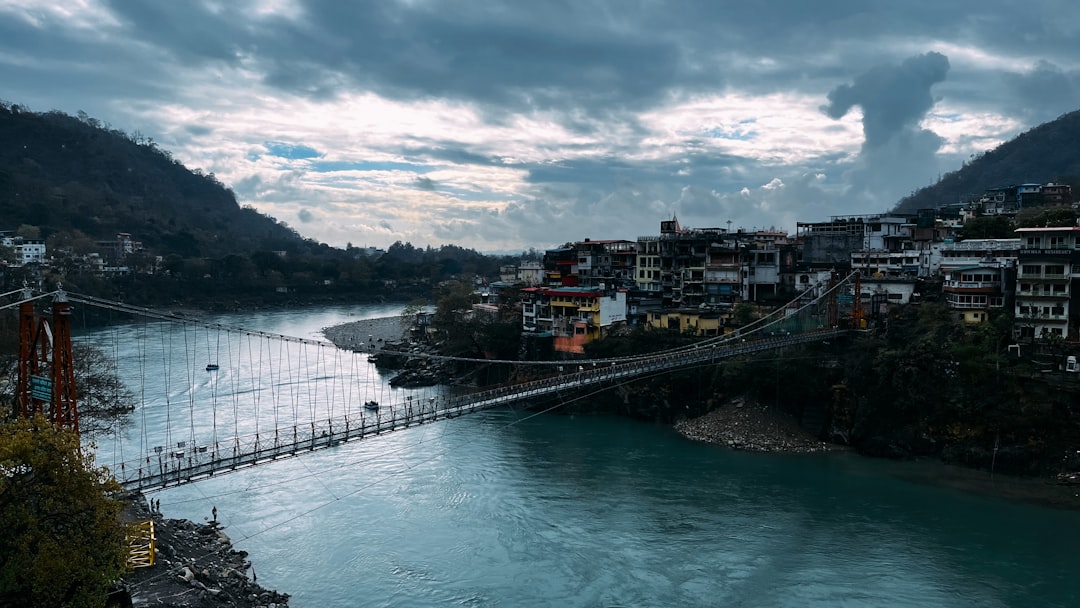
It was one of the better months of my life. I got up at five for twenty-six consecutive days, which I had never done and have never done since. I learned that my hamstrings were a personality trait. I learned Sanskrit terms I still use and philosophy I still think about, from a teacher who had been doing this for thirty years and had no interest whatsoever in whether I was enjoying myself. I came home lighter in a way that had nothing to do with weight.
And I want to be precise about what the certificate at the end of it was, because a large number of Indians are now paying between one and two lakh rupees for one under a misunderstanding.
Is a Yoga Alliance 200-hour certificate a qualification?
Not in the way most people assume. Yoga Alliance is a US-based registry, not a licensing body and not an accreditor in any regulatory sense. “Yoga Alliance certified” means the school is a Registered Yoga School and that you, as a graduate, may register yourself as a Registered Yoga Teacher. It is not a licence to teach, and it is not recognised by the Government of India. It is a credential the market has agreed to respect, which is a real and useful thing — and a different thing from a qualification.
Knowing that changes how you should shop. You are not comparing accreditations. You are comparing teachers.
The red flags, in order of importance
Who is the lead trainer, and can you find them? Yoga Alliance’s own standard requires an E-RYT 500 delivering at least 150 of the 200 hours. If a school will not name the person who will teach you for three-quarters of the course, that is the answer to every other question you were going to ask. Good schools name them, link their profile and are proud of it.
How big is the batch? Good schools cap at fifteen to twenty-two. Above that, nobody is adjusting your posture, and adjustment is the entire reason to fly to Rishikesh rather than watch a video.
How long is it? A genuine immersion runs twenty-four to twenty-eight days at six to eight hours of instruction daily. Anything under twenty-one days should be treated as a certificate mill. You cannot compress 200 hours into two weeks and have any of it stay in a body.
Is the school’s registration current? Check it on yogaalliance.org yourself, before you pay, not after. Registration lapses. Websites do not update when it does.
On curriculum, the commonly cited shape is around 20 hours of functional anatomy and 30 hours of ethics and philosophy, alongside asana, teaching methodology and Sanskrit. I could not load Yoga Alliance’s own standards page to verify the full hour-by-category breakdown, so treat that as widely reported rather than definitive, and ask any school for its own written syllabus.
What it costs, honestly
For Rishikesh, in bands that generally include accommodation and vegetarian meals:
| Tier | USD | Approx. INR |
|---|---|---|
| Budget, shared room | $800–1,100 | ₹70,000–97,000 |
| Mid-range, private room | $1,200–1,600 | ₹1,05,000–1,40,000 |
| Premium — AC, organic meals, spa | $1,800–2,500 | ₹1,58,000–2,20,000 |
Goa runs cheaper than that for a comparable course — roughly $700 to $1,500 for a 200-hour training including accommodation and vegetarian meals, which undercuts Rishikesh’s mid and premium tiers.
The obvious question is whether you are buying less. Not necessarily, and here is a thing about this industry that almost nobody outside it knows: many of the same teachers move between the two. Goa’s season runs roughly December to April, and when it ends, a substantial number of teachers and schools relocate to the mountains — Dharamkot or Rishikesh — for June to October. You may well find the same person teaching you in a jungle shala in Assagao in February and above the Ganga in July.
The three places, and what each is actually for
I get asked to compare Rishikesh, Dharamshala and Goa constantly, and the honest answer is that they are not competing.
Rishikesh is the yoga capital, and it is institutional. Ashram-based, teacher-training-driven, spiritually serious, dry — no alcohol and no meat in Swargashram — on the Ganga, running year-round. The International Yoga Festival 2027 runs 9 to 15 March at Parmarth Niketan, which is the most charged week of the year to be there. Registration fees were not published at the time of writing; register on the festival’s own site rather than trusting a quoted figure.
Dharamshala and McLeodganj are Buddhist, not yogic, and this is the distinction that surprises people most. The draw is the Dalai Lama’s presence, the density of monasteries and study centres, and Tibetan Buddhist practice — not asana. Tushita, above Dharamkot, is the best structured entry point into Tibetan Buddhist meditation for beginners and books out well ahead. This is the place you go to sit, not to practise. Season is roughly March to June and September to November.
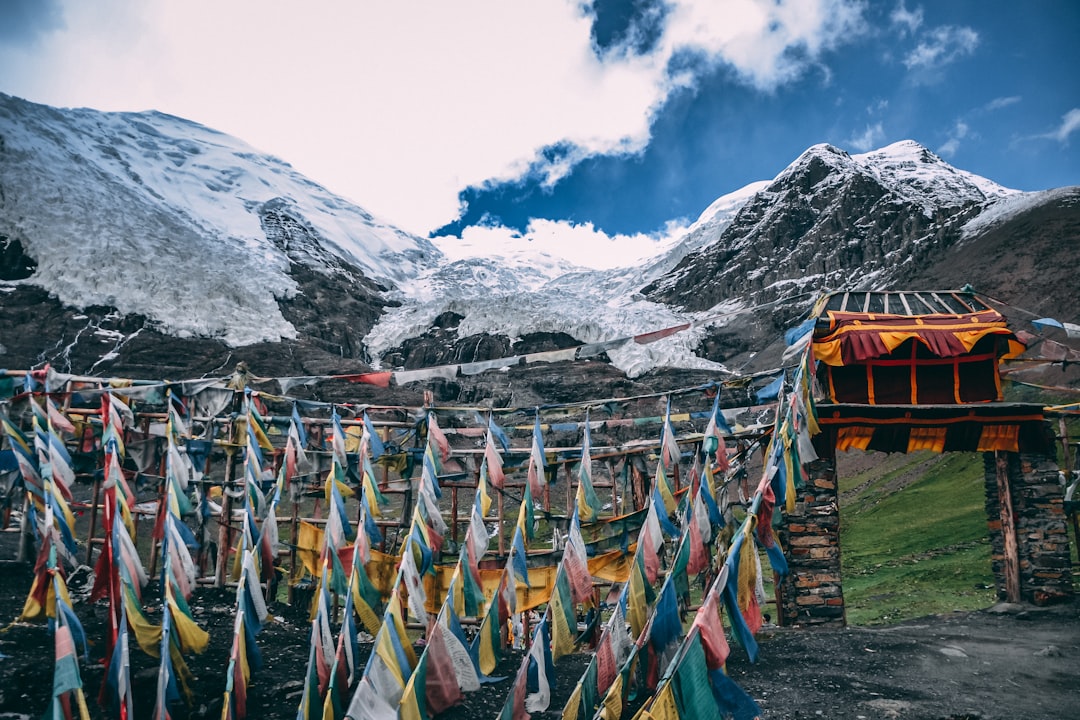
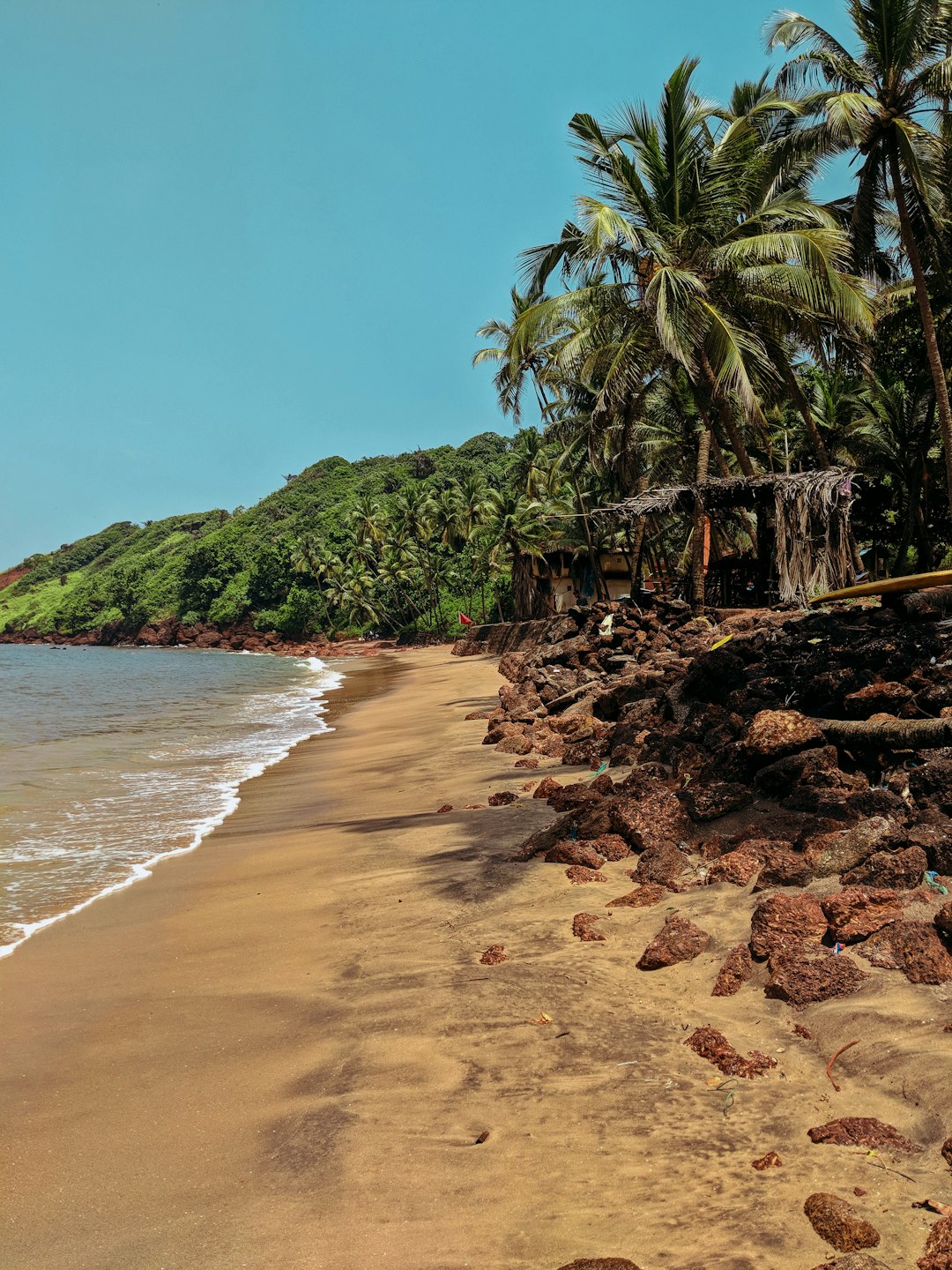
Goa is beach-and-shala — international, seasonal, comfortable, less austere. Wellness without renunciation, which is precisely why some people choose it and others refuse to. The geography matters: North Goa splits between the party belt and the quieter yoga zones of Assagao, Morjim, Ashvem, Mandrem and Arambol, while South Goa — Agonda, Palolem, Patnem — is the serene end. A drop-in class runs around ₹500.
And then there is Vipassana, which belongs in a different category altogether.
Vipassana, and the word “free”
The ten-day courses in the S. N. Goenka tradition — Dhamma Giri at Igatpuri is the flagship, Dhamma Sikhara at Dharamkot the one travellers know — cost nothing. Not a subsidised rate: nothing. Food and accommodation included. The courses run entirely on donations from previous students, and neither the teachers nor the organisers receive any payment. A first-time student may donate only at the end, and only if they wish.
I want to be clear about what that free ten days involves, because it is regularly written up as a wellness break and it is not one.
Wake at 04:00. Meditation from 04:30 to 17:00 with breaks for meals and rest. Discourse at 19:00. Lights out at 21:30. Noble Silence — silence of body, speech and mind — from the start until the final morning, with no gestures, written notes or sign language between students. Five precepts for the duration: no killing, no stealing, no sexual activity of any kind, no lying, no intoxicants of any kind. No phone, no reading, no writing materials, no music. Simple vegetarian food, no special preferences accommodated.
Apply online through the centre’s schedule; popular centres fill months ahead, so allow two to four months. And know that people do leave early. The price is not money. The price is the discipline, and it is a real one.
What the evidence actually says
I love this practice. That is exactly why I am not going to oversell it to you.
The Cochrane review of yoga for chronic non-specific low back pain — 21 trials, 2,223 participants, evidence current to August 2021 — found that against no exercise, yoga produced improvements that were small and below the threshold for clinical importance: a pain difference of about 4.5 points on a 0–100 scale, against a clinically meaningful threshold of around 15. Certainty was low to moderate. Against other back-focused exercise, it found probably little or no difference in function.
NCCIH’s assessment is a shade warmer on low back pain — moderate-quality evidence, with a 2018 review finding improvement in pain and function over one to six months and six to twelve months — and notes benefits for anxiety, attention and hyperactivity in children and adolescents. It also finds short-term benefit only for neck pain, and insufficient evidence for headaches, arthritis and fibromyalgia. On stress, balance and sleep: some evidence, not completely consistent. On weight management, smoking cessation and type 2 diabetes: preliminary and inconclusive.
And the harms, which credible writing includes: back pain was the most commonly reported harm across yoga trials. Adverse event risk was higher than doing no exercise and comparable to other forms of exercise. No serious adverse effects were documented, and injury risk is lower than in impact sports.
So the defensible sentence is: there is moderate-quality evidence supporting yoga for chronic low back pain, with benefits comparable to — not better than — other back-focused exercise. Anyone selling you more than that is selling you something else.
What none of that measures is the thing I actually took home from Rishikesh, which was twenty-six mornings of getting up at five and finding out that I could. There is no trial for that. There does not need to be.
Frequently asked questions
Is a Yoga Alliance certificate recognised in India?
No. Yoga Alliance is a US-based registry rather than a licensing body or a regulatory accreditor. Its designation means the school is a Registered Yoga School and that you may register as a Registered Yoga Teacher. It is not a licence to teach and it is not recognised by the Government of India. It carries genuine weight in the international yoga market, which is a different claim from being a qualification.
What should I check before booking a 200-hour teacher training?
Four things. Who the lead trainer is by name — Yoga Alliance’s standard requires an E-RYT 500 to deliver at least 150 of the 200 hours. The batch size, which good schools cap at fifteen to twenty-two. The duration, which should be twenty-four to twenty-eight days; anything under twenty-one is a certificate mill. And the school’s current registration, which you should verify yourself on yogaalliance.org before paying rather than after.
What does a 200-hour course cost in Rishikesh?
Broadly: $800–1,100 (around ₹70,000–97,000) for a budget shared room, $1,200–1,600 (around ₹1,05,000–1,40,000) for mid-range with a private room, and $1,800–2,500 (around ₹1,58,000–2,20,000) for premium with air-conditioning, organic meals and spa access. These generally include accommodation and vegetarian meals. Goa runs cheaper at roughly $700–1,500 for a comparable course.
What is the difference between Rishikesh, Dharamshala and Goa?
Rishikesh is the institutional yoga capital — ashram-based, teacher-training-driven, dry, on the Ganga, running year-round with the International Yoga Festival in March. Dharamshala and McLeodganj are Buddhist rather than yogic; the draw is monasteries, study and meditation, not asana — this is where you go to sit. Goa is beach-and-shala: international, comfortable, seasonal from roughly December to April, wellness without renunciation. Many teachers move between Goa and the mountains as the seasons change.
When is the International Yoga Festival 2027?
9 to 15 March 2027 at Parmarth Niketan Ashram, Swargashram, Rishikesh. It brings together international teachers across multiple lineages with satsang, kirtan and the Ganga Aarti at Parmarth’s own ghat. Registration fees were not published at the time of writing — register through the festival’s official site rather than relying on a quoted figure.
Is a Vipassana course really free?
Yes, entirely. There is no charge for the ten-day course, including food and accommodation, and neither teachers nor organisers receive payment. Courses run on donations from previous students, and first-time students may donate only at the end and only if they wish. The demands, however, are substantial: waking at 04:00, meditation from 04:30 to 17:00, Noble Silence throughout with no gestures or written notes between students, no phone, reading or writing, and five precepts including complete abstention from sexual activity and intoxicants. Apply two to four months ahead; popular centres fill early.
What does the evidence say about yoga’s health benefits?
The strongest defensible statement is that there is moderate-quality evidence supporting yoga for chronic low back pain, with benefits comparable to — not better than — other back-focused exercise. Cochrane’s 2022 review of 21 trials found improvements over no exercise that fell below the threshold for clinical importance, and little or no difference against other back exercise. NCCIH additionally notes benefits for anxiety and attention in children and adolescents, short-term benefit for neck pain, and insufficient evidence for headaches, arthritis and fibromyalgia. Back pain is the most commonly reported harm in yoga trials, though serious injury is rare. Anyone claiming yoga cures or treats a condition is overstating the evidence.
Our Parmarth Niketan yoga journey is the ashram version of this, with the practice and the discipline intact, and our Rishikesh journey is the gentler introduction. Travellers weighing the alternatives usually also read yoga in Dharamshala and yoga in Goa.
Work out first, at the thumbprint, whether you want to practise, to rest, or to teach. Those are three trips and they are not interchangeable.
Ready to plan your own journey?
Share your dates and interests. A Picknic curator will design it for you.

Written by
Rohan Mehta
Lead Experience Designner
Lorem ipsum dolor sit amet, consectetur adipisicing elit, sed do eiusmod.
View all 18 articles by Rohan Mehta →
Continue Reading
 Wellness