


A visit to CERN can help students understand how scientists investigate the fundamental building blocks of matter, test theories about the universe…
You cannot have both:
choosing your night at the Rann
In this article
The first serious question a photographer has to answer about the Rann of Kutch has nothing to do with lenses, and almost nobody asks it in time.
Do you want the moon, or do you want the stars?
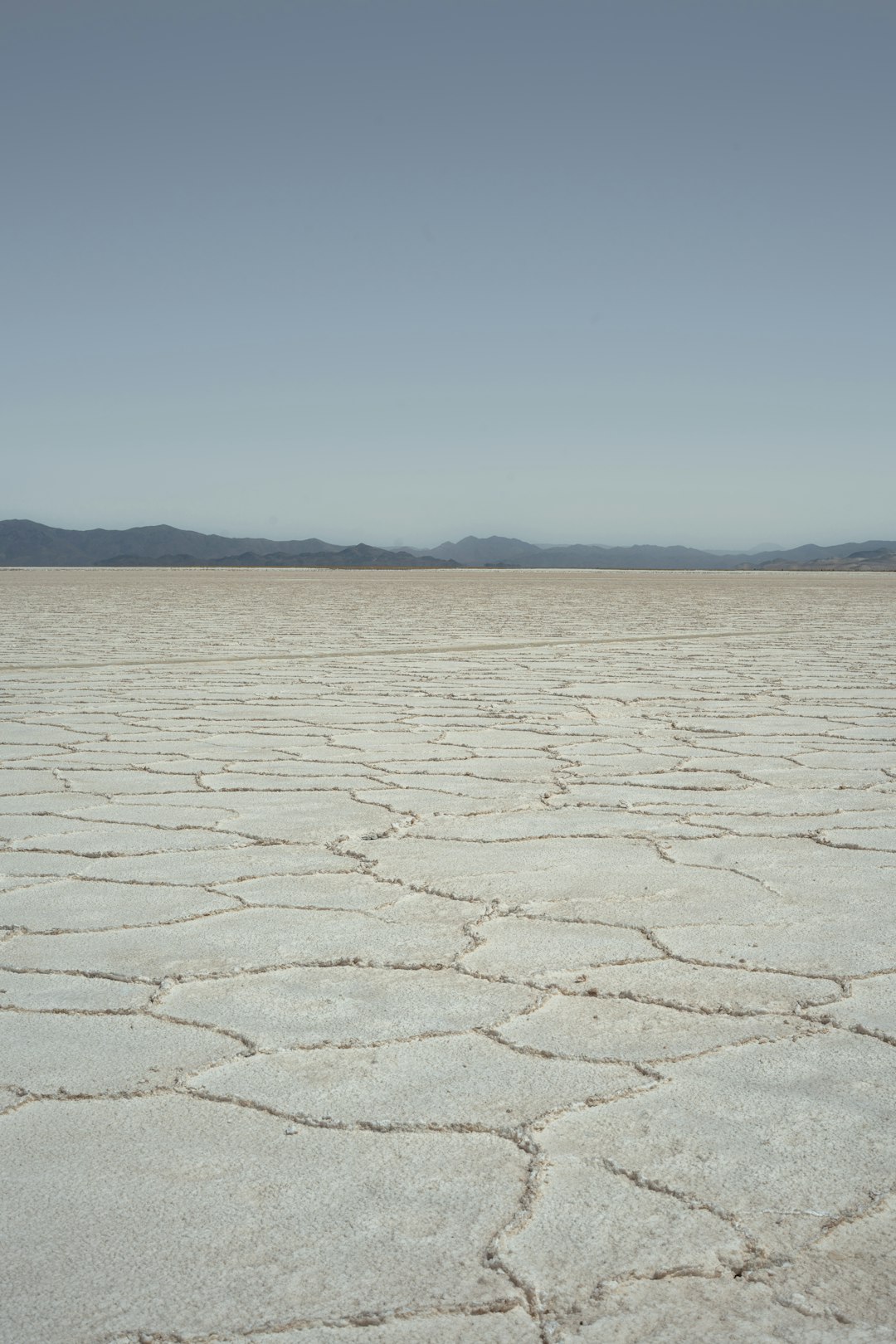
Under a full moon the salt crust glows. The whole horizon becomes a pale, faintly luminous plane, bright enough to expose for at low ISO, and you get the image the Rann is famous for — that impossible flat white nothing running to the edge of the world with figures on it like a Beckett stage direction.
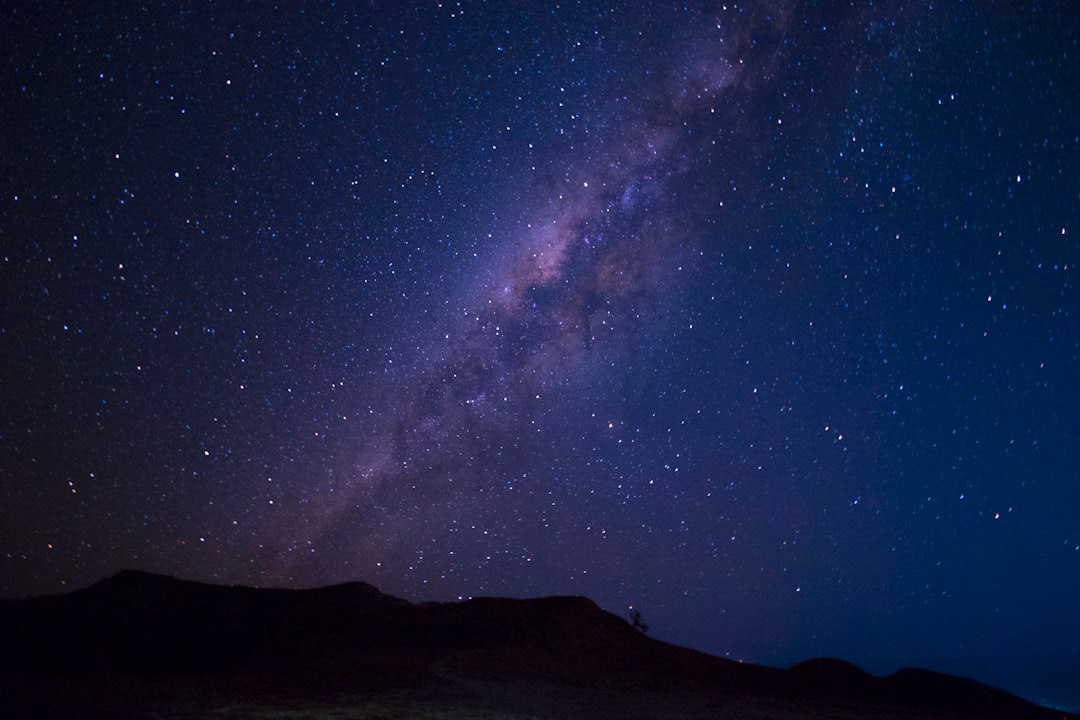
Under a new moon the crust goes almost black, and above it, with essentially no light pollution for a very long way in any direction, the Milky Way stands up over a horizon so flat it might have been ruled. It is the more unusual photograph and, in my view, the better one.
You cannot get both on one trip. The moon is either there or it isn’t. Decide before you book, because the good nights fill.
When should a photographer visit the Rann of Kutch?
Late November to February, when the salt crust is hard, white and dry. The Rann Utsav season runs 1 November 2026 to 7 March 2027. For moonlit landscape work, book the night of and the night after the astronomical full moon — which for this season falls around 24 November, 24 December, 22–23 January and 21 February. For Milky Way work, book the darkest nights, roughly two weeks either side of those. Avoid June to September entirely, when the Rann is flooded and is not a desert at all.
The date discrepancy worth knowing about
Rann Utsav publishes its own “Poonam” full-moon windows for the season: 23–25 November 2026, 22–24 December 2026, 21–23 January 2027 and 19–21 February 2027, with peak pricing kicking in from a day before each.
Check those against the actual full moons and something interesting emerges. The December and February windows sit slightly early against the true full moon. For a festival that is entirely reasonable — the operator is scheduling a season, not an ephemeris. For a photographer it matters, because on the night of and the night after a full moon, the moon rises closer to sunset, and you get that overlap of blue hour and moonlight that makes the shot. Book a night or two early and you are shooting a fully dark sky with the moon still below the horizon at the good time.
So: read the operator’s window, then check the astronomical date, and book the later end.
What the Rann actually looks like, month by month
This is the other thing photographers get wrong, usually by looking at pictures taken in January and travelling in October.
June to September: flooded. Shallow water across the whole expanse — it is a seasonal sea, not a desert, and access is restricted. Whatever you have seen of the white desert, you will not see it now.
October to early November: the water is evaporating and the surface is patchy — part wet mud, part crusting salt. Reflections are possible where shallow water remains, and some photographers prefer this to the dry crust. It is the more interesting and less reliable window.
November to February: the hard white salt crust. This is the postcard, and it is why the season is when it is. Cool, clear, best for both moonlit landscape and Milky Way work.
March: still white, but the heat is building and haze increases.
April and May: brutally hot, crust degrading, almost nobody there.
Where you should actually stand
A correction that will save you disappointment: the “White Rann” viewpoint at Dhordo is the managed, ticketed, busy one. It is where Rann Utsav’s tent city sits, and during the season it is a festival — camel carts, folk performance, food stalls, a great many people, and a raised viewing platform with a queue.
That is a perfectly good experience. It is not a solitude experience, and if what you have in your head is a single figure on an empty white plain, you will not find it forty metres from a stage.
The Rann is vastly bigger than Dhordo. New for this season, Rann Utsav has added thirty-five seasonal tents at Dholavira, the UNESCO-listed Harappan site, reached across the thirty-kilometre road that runs straight over the Great Rann and is locally and accurately called the Road to Heaven. That drive is itself one of the best photographic opportunities in Gujarat, and Dholavira gives you archaeology, a different horizon and considerably fewer people.
One booking note, straight from the official operator: book through the official portal. Rann Utsav explicitly warns against third-party resellers, and the genuine discount windows come early — a twenty-five per cent sale ran at the end of July. Waiting does not save you money here; it costs you the nights you wanted.
The drone conversation, which ends quickly
I get asked this every single time, so let me answer it properly.
Do not plan on flying a drone at the Rann.
The Rann sits on the Pakistan frontier and is a heavily militarised zone. International borders are absolute no-fly red zones under India’s drone framework, administered by the DGCA through the Digital Sky platform, and violations carry severe penalties.
More broadly: foreign nationals are currently not permitted to fly drones in India, and the import of foreign-manufactured drones is effectively banned outside narrow research and defence exemptions — bringing one through Indian customs risks confiscation. Indian citizens have a narrow legal path, requiring a Remote Pilot Certificate from a DGCA-approved training organisation (four days of theory, three of practical, a ninety-minute exam at seventy per cent, roughly ₹35,000 to ₹60,000, valid ten years) plus a UIN for the aircraft. Green zones permit up to 120 metres; yellow zones require Digital Sky permission and cap you at 60.
And even with all of that, almost everywhere a photographer actually wants to fly in India is closed: national parks, tiger reserves and sanctuaries need Chief Wildlife Warden permission that is effectively never granted for tourism; ASI-protected monuments need ASI permission, which removes the Taj, Hampi and Khajuraho; and the border belts remove most of Ladakh, Kutch and the Northeast.
If your India photography plan depends on a drone, the plan is wrong. Build it on the ground, where the pictures are anyway.
What I actually carry
Wide, and then wider. The Rann is a horizon problem, not a subject problem, and the most common failure I see is people arriving with a telephoto and discovering there is nothing to point it at. A 16–35 equivalent does most of the work; a fast 24 or 35 prime at f/1.4 to f/2 earns its place on the dark nights.
A tripod that you are willing to put down in salt, and the discipline to clean it afterwards — salt is corrosive and gets into everything with hinges. A head torch with a red mode, because white light at a shared shooting spot makes you the most unpopular person on the Rann. Spare batteries kept warm; the nights get genuinely cold and lithium does not like it.
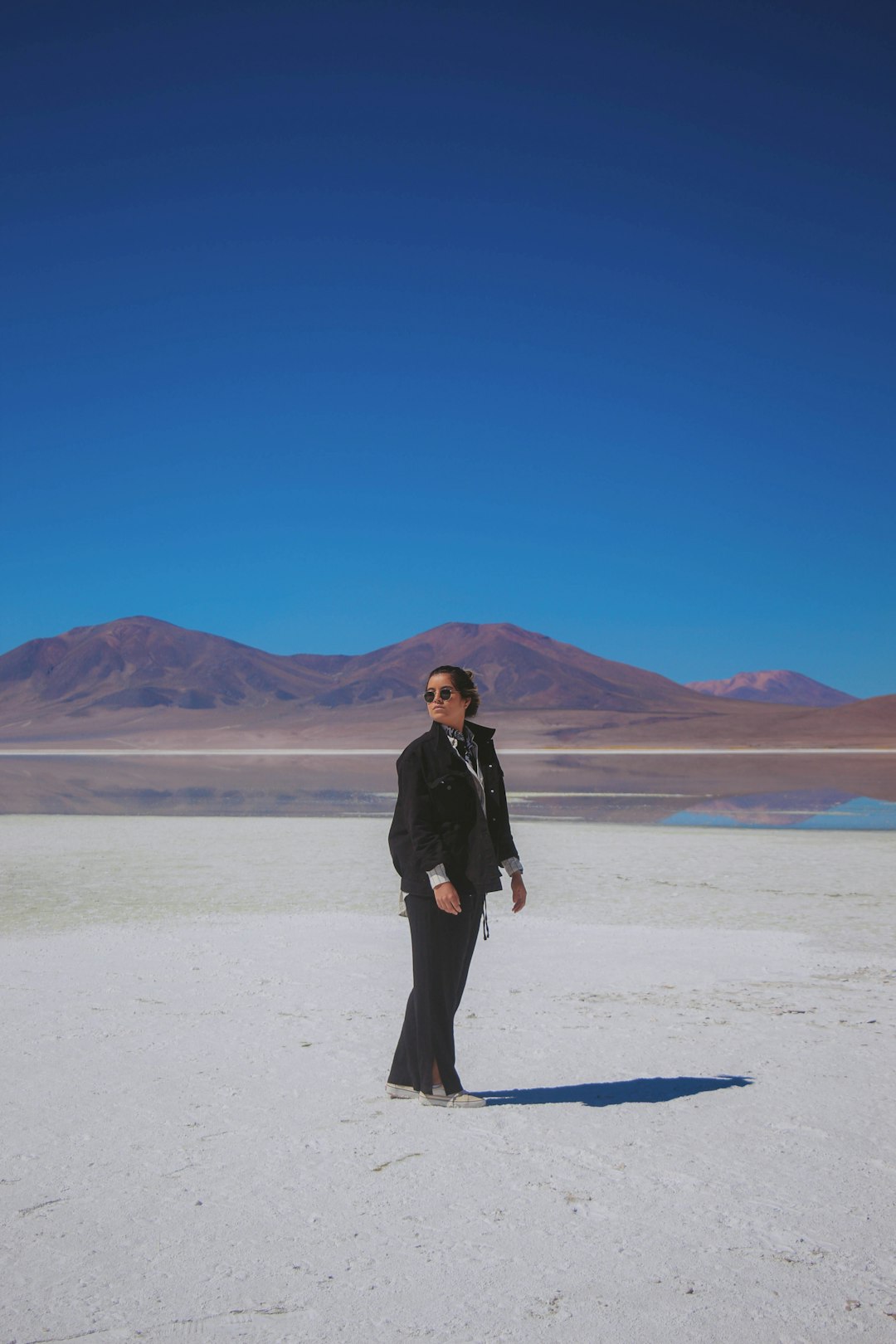
And a person in the frame. The Rann is so featureless that scale collapses entirely without one, and the photograph that works is almost always the one with a small human being standing a long way off, looking at nothing.
Frequently asked questions
When is the Rann Utsav 2026-27 season?
1 November 2026 to 7 March 2027, based at the Dhordo tent city about three hours from Bhuj, with thirty-five new seasonal tents added at Dholavira this season. It is now a four-month season rather than a short festival, which is a correction to a lot of older writing. Book through the official portal — the operator explicitly warns against third-party resellers, and discount windows come early in the year rather than close to the dates.
Should I visit on a full moon or a new moon?
It depends entirely on the picture you want, and you cannot have both. Under a full moon the salt crust glows and you can shoot landscape at low ISO with ambient moonlight — the classic white desert image. Under a new moon the crust goes dark but the Milky Way over an absolutely flat horizon becomes available, with almost no light pollution. Decide before booking, as the moonlit nights are also the busiest and most expensive.
What are the full moon dates for the Rann this season?
Rann Utsav publishes Poonam windows of 23–25 November 2026, 22–24 December 2026, 21–23 January 2027 and 19–21 February 2027. The astronomical full moons fall around 24 November, 24 December, 22–23 January and 21 February, so the December and February operator windows sit slightly early. For photography, book the night of and the night after the astronomical full moon, when the moon rises closer to sunset and gives you the blue-hour overlap.
What does the White Rann look like at different times of year?
From June to September it is flooded — a shallow seasonal sea, not a desert, with restricted access. October to early November is transitional, with evaporating water and a patchy surface that can give reflections. November to February is the hard white salt crust of the postcards, and the best window for both moonlight and astrophotography. March is still white but hazy as heat builds, and April to May is brutally hot with a degrading crust.
Can I fly a drone over the Rann of Kutch?
No. The Rann sits on the Pakistan border in a militarised zone, and international borders are absolute no-fly red zones under India’s drone rules. More broadly, foreign nationals are not currently permitted to fly drones in India and importing foreign-made drones risks confiscation at customs. Indian citizens need a Remote Pilot Certificate and a registered aircraft, and even then national parks, ASI monuments and border belts are closed. Plan your photography from the ground.
Is Dhordo the best place to shoot from?
It is the most convenient and the most crowded. Dhordo is the managed, ticketed viewpoint where Rann Utsav’s tent city sits, and during the season it is a festival with camel carts, folk performances and large numbers of people. For solitude, look further out — Dholavira, reached by the thirty-kilometre road across the Great Rann, gives you a different horizon, a UNESCO Harappan site and far fewer people.
Our Rann of Kutch and Rajasthan frame journey is built around moon phase rather than festival dates, which is the only sensible way to plan a photography trip here. Travellers who want the region and the festival rather than the pictures usually prefer our Kutch White Rann journey.
Tell us at the thumbprint which photograph is in your head. That answer picks your nights, and the nights are the trip.
Ready to plan your own journey?
Share your dates and interests. A Picknic curator will design it for you.

Written by
Rohan Mehta
Lead Experience Designner
Lorem ipsum dolor sit amet, consectetur adipisicing elit, sed do eiusmod.
View all 18 articles by Rohan Mehta →
Continue Reading
 Educational
 Educational
Europe is an excellent destination for science education tours because students can study scientific discoveries, explore interactive museums, encounter industrial engineering and…
 Educational
NASA education programs help students connect classroom science with real space missions, engineering challenges, Earth observation and scientific research. Depending on their…