


Watching Formula 1 on television gives you the race. Attending a Grand Prix gives you the entire event around it. For a…
The last easy ticket in world sport
In this article
I spent most of this year telling people they were too late.
Too late for Wimbledon, whose ballot closes ten months out. Too late for the Ashes, where the general sale lands in October for a series next July. Too late for the Singapore Grand Prix, where categories were selling out seven weeks before lights out. Modern sport has quietly become a booking exercise conducted a year in advance by people with calendar reminders, and if you are the sort of person who decides in August that you would like to see something in September, the answer is almost always no.
Then I opened the Aichi-Nagoya ticketing site, and the answer was yes.
Can you still get tickets to the 2026 Asian Games?
Yes. General sale opened on 30 June 2026, is open to overseas buyers, and has no lottery — it is first-come, first-served and runs until each session’s date while stock lasts. Sessions start from around ¥1,500, you need a free Supporter ID on the official ticketing site, and the limit is twelve tickets per transaction, six for the ceremonies. The Games run 19 September to 4 October 2026, with football and some preliminaries from 10 September.
I have not typed a paragraph like that in three years. Enjoy it, and then read the next section, because there is a catch and it is not the tickets.
The catch is the visa, not the ticket
Japan requires a visa for Indian passport holders, applied through VFS Global across thirteen Indian cities. The fees are trivial — around ₹500 to the embassy plus ₹800 to VFS. The timing is not. Processing runs a minimum of five to six working days and seven to ten in peak season, and October and November are peak season. There is no expedited option. You cannot pay to jump.
And Japan wants a full file: confirmed flights, confirmed hotels, a day-by-day itinerary. Which inverts the usual order of operations. Normally you get the visa and then commit. Here you commit — refundable flights, refundable hotel, ticket in hand — and then apply.
So the sequence, if you are reading this in early September 2026 and want to be in Nagoya for the closing week, is: buy the session ticket today, book refundable travel tomorrow, file the visa this week. That is tight. It is not impossible. I have done tighter, and I would not tell you it was comfortable.
What is actually worth watching
Forty-three sports, 469 gold medals, twenty-five days of competition, forty-five national committees. India has sent 492 athletes — 265 men and 227 women — and the shape of that contingent tells you where to spend your money.
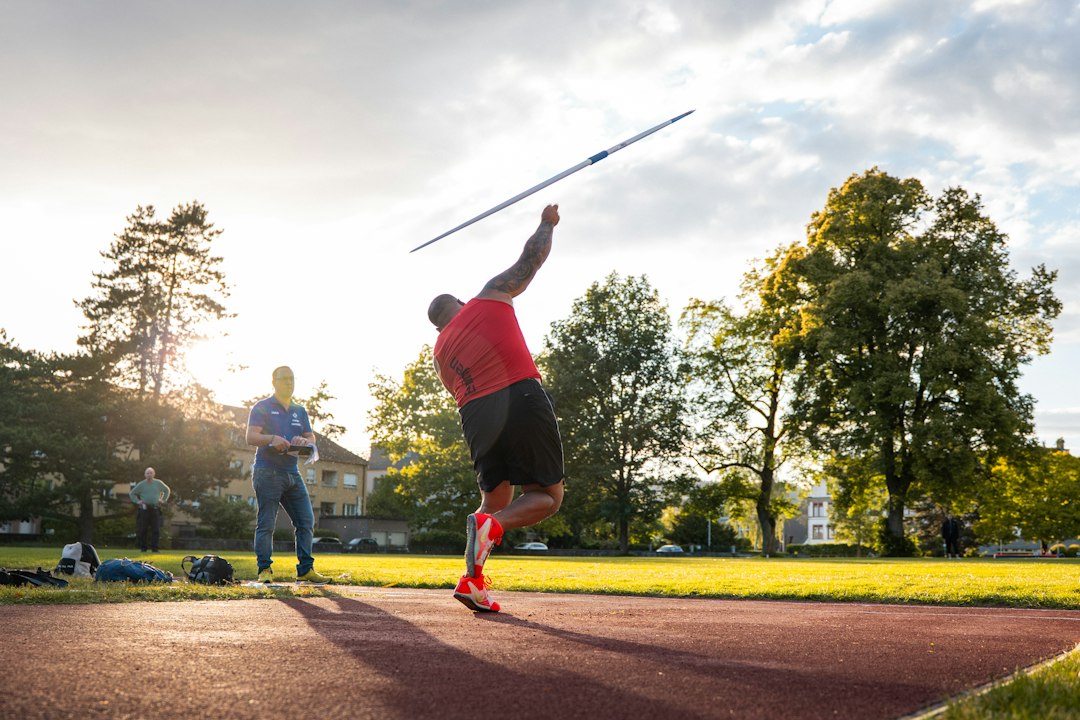
Athletics is the largest block at 73 athletes, led by Neeraj Chopra, and it is held at Paloma Mizuho Stadium in Nagoya, which also hosts the ceremonies. If you are building a trip around one thing, build it around the javelin.
Badminton sends twenty, including PV Sindhu and Lakshya Sen. The knockout days are the ones to buy. Shooting sends thirty, with Manu Bhaker among them. Kabaddi arrives defending two golds, and there is no atmosphere in this Games quite like an Indian kabaddi crowd that has travelled.
And there is cricket — T20, thirty athletes across the men’s and women’s squads, with India’s men reported to enter directly at the quarter-final stage on 28 September, semi-final on 1 October and the gold medal match on 3 October. Brackets shift, so check before you buy a flight around a specific date. But if the schedule holds, the last week of the Games clusters cricket, athletics finals and kabaddi into a single trip, which is a very good week.
There are also six new sports, and I would encourage you to buy a cheap ticket to one you have never seen. Freestyle BMX, MMA, padel, surfing, teqball, virtual taekwondo. At ¥1,500, curiosity is affordable. Teqball, for the record, is football played on a curved table tennis table, and it is far better than that sentence makes it sound.
Two things nobody tells you about this Games
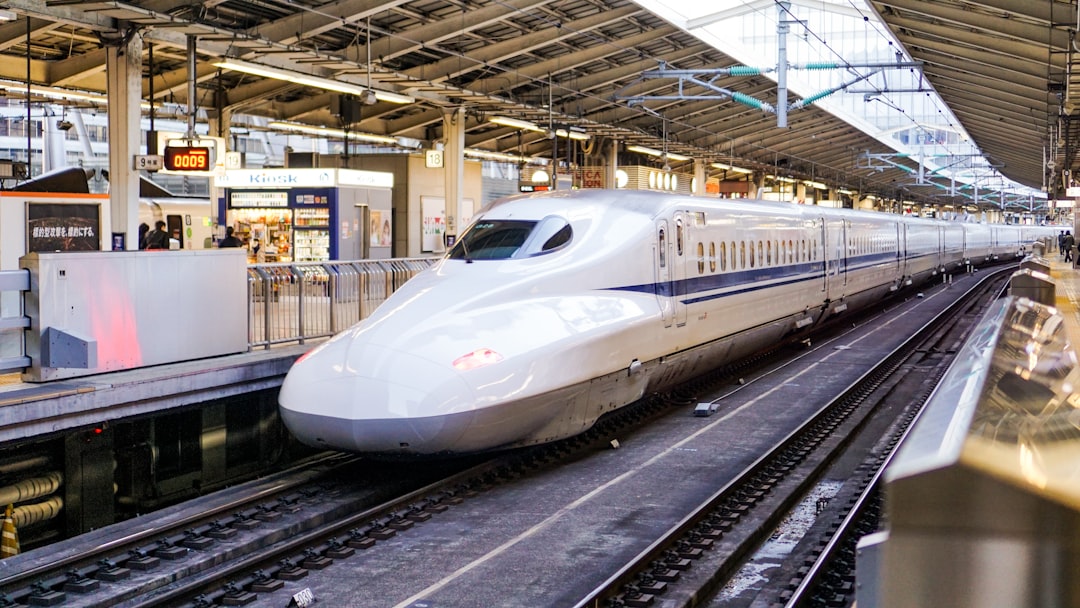
It is not all in Nagoya. There are around fifty-three venues, and while the core sits in Aichi Prefecture, swimming and diving are at the Tokyo Aquatics Centre, track cycling is at the Izu Velodrome in Shizuoka, and events also run in Gifu, Mie and Osaka. Buy a swimming ticket assuming it is in Nagoya and you will be on a Shinkansen at six in the morning. There is no non-stop India–Nagoya service either — you route via Bangkok, Singapore, Hong Kong or Seoul, or fly into Tokyo and take the Tokaido Shinkansen down in something like an hour and forty minutes.
And the athletes are living on a cruise ship. The Costa Serena is berthed as accommodation for around four thousand competitors, alongside container-built temporary villas. I find this delightful and slightly absurd, and it is the detail every Indian fan I have told has immediately repeated to somebody else.
The warning I give everybody
Search “Asian Games tickets” and the top results will not be the official site. In my own research for this piece I found sessions with a ¥1,500 face value listed on a resale platform at around €270 — roughly thirty times the price — and ceremony seats above €1,000. The organisers state plainly that unofficially purchased tickets will not be accepted at entry.
The rule, here and everywhere: buy from the organising committee, the governing body or the club. If a site ranks high on Google and is not linked from the official site, it is a reseller, and you are paying thirty times face value for a ticket that may not let you in.
What it costs
An indicative all-in for six nights, per person, twin-sharing, ex-Delhi or Mumbai: around ₹1.3 to ₹2.5 lakh, covering one-stop flights, hotel, four to six sessions of tickets, food, rail and the visa. The ₹1,300 visa fee is the only number in that sentence I can quote with certainty; the rest is a modelled range and airfare will move it hardest.
By the standards of world sport, that is remarkably cheap for a multi-sport global event, and it is cheap for exactly one reason: nobody in India has thought of it yet.
Change that this week. September is a fortnight away.
Frequently asked questions
When are the 2026 Asian Games and where are they held?
The Games run from 19 September to 4 October 2026, hosted by Aichi Prefecture and Nagoya in Japan, with football and some preliminary rounds starting from 10 September. Around fifty-three venues are used. The core is Aichi, but swimming and diving are at the Tokyo Aquatics Centre and track cycling at the Izu Velodrome in Shizuoka, with further events in Gifu, Mie and Osaka.
How do I buy Asian Games tickets from India?
Through the official ticketing site, where general sale opened on 30 June 2026 and is available to overseas buyers. You create a free Supporter ID, and there is no lottery — sales are first-come, first-served and continue until each session’s date while stock lasts. The site has an English interface and accepts Visa, Mastercard, JCB and PayPal. The limit is twelve tickets per transaction, or six for the opening and closing ceremonies. Do not buy from resale sites; the organisers state that unofficially purchased tickets will not be accepted at entry.
How much do tickets cost?
Sessions start from around ¥1,500, with cheaper seating zones typically under ¥3,500. Prices for the opening and closing ceremonies and for marquee finals are higher and were not published in a form we could verify — check the official site rather than relying on a quoted figure.
Do Indians need a visa for Japan, and how long does it take?
Yes. Applications go through VFS Global in thirteen Indian cities, at roughly ₹500 in embassy fees plus ₹800 to VFS. Processing takes a minimum of five to six working days and seven to ten in peak season, which includes October and November. There is no expedited service. Japan requires confirmed flights, confirmed accommodation and a day-by-day itinerary as part of the application, so book refundable travel first and apply immediately after.
Which sessions are best for an Indian spectator?
Athletics finals, for Neeraj Chopra and the largest Indian block at 73 athletes; badminton knockouts, with PV Sindhu and Lakshya Sen among the twenty selected; kabaddi, where India defends two golds; and the T20 cricket, with India’s men reported to enter at the quarter-final stage on 28 September. The last week of the Games clusters most of these together, which makes a 26 September to 4 October trip the efficient one — subject to the bracket, which can move.
What does the whole trip cost from India?
As an indicative band for six nights per person on twin-share ex-Delhi or Mumbai: roughly ₹1.3 to ₹2.5 lakh, including one-stop flights, hotel, four to six ticketed sessions, food, rail travel between venues and the ₹1,300 visa. Only the visa fee is a firm figure; the rest is a modelled range and airfare is the biggest variable. It remains one of the cheapest ways to attend a global multi-sport event.
Our sport journeys are built for exactly this compression — session-first planning, refundable travel filed against the visa, and a route that does not assume everything happens in Nagoya. Travellers who want the sport wrapped in a longer stay usually pair it with our Japan journey.
If September is genuinely possible for you, start at the thumbprint today rather than tomorrow. This is the rare occasion where the ticket is the easy part.
Ready to plan your own journey?
Share your dates and interests. A Picknic curator will design it for you.

Written by
Ananya Kapoor
Lead Experience Designner
A passionate travel storyteller at PicknicGo, dedicated to crafting experiences that resonate long after the journey ends.
View all 22 articles by Ananya Kapoor →
Continue Reading
 Sports
 Sports
A sports training camp abroad can give young athletes more than time on the pitch, court or track. It can introduce them…
 Sports
For young footballers who want to experience elite football in the UK, the Manchester United Soccer Schools (MUSS) programme offers more than…